

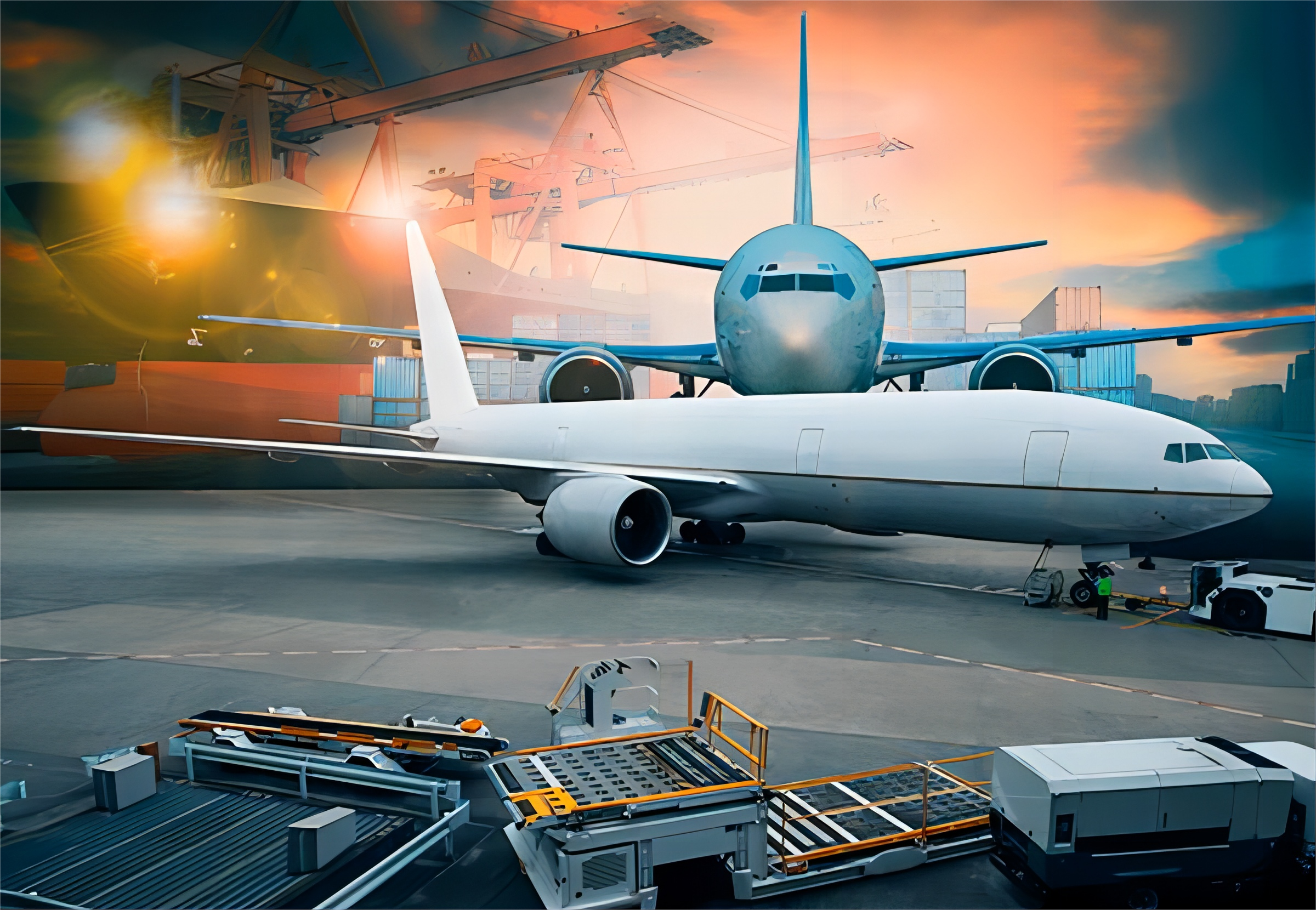
Reefer FCL Demurrage Prevention for Auto Parts from China to Poland
Shipping sensitive automotive components requires a high level of precision and strategic planning to avoid costly delays at the port. Implementing effective reefer FCL demurrage prevention for auto parts from China to Poland is essential for maintaining a healthy bottom line and ensuring your production schedules remain on track. By partnering with a reliable logistics provider like Top China Freight, you can navigate the complexities of international trade and secure your supply chain against unexpected storage fees. This guide explores how to optimize your shipping routes and documentation to minimize financial risks during the import process.
What is Reefer FCL Demurrage and Why Does It Matter?
Demurrage refers to the fees charged by shipping lines when a container remains inside the terminal beyond the allotted free time. Specifically, reefer FCL demurrage prevention for auto parts from China to Poland is critical because temperature-controlled containers incur much higher daily rates than standard dry vans. These costs accumulate rapidly, often reaching hundreds of dollars per day per container if the cargo is not picked up promptly.
Moreover, the automotive industry relies on just-in-time delivery models where even a minor delay can halt an entire assembly line. Consequently, understanding the specific triggers for demurrage, such as documentation errors or customs inspections, allows importers to take proactive measures. Logistics managers must prioritize clearing these high-value shipments to avoid eroding their profit margins through avoidable port penalties.
Additionally, the technical nature of refrigerated units means they require constant power and monitoring while at the terminal. Shipping lines pass these operational costs onto the shipper through demurrage and detention fees once the free period expires. Therefore, a comprehensive strategy for reefer FCL demurrage prevention for auto parts from China to Poland must include early coordination with local agents in Poland.
Why Auto Parts Require Temperature Controlled Shipping
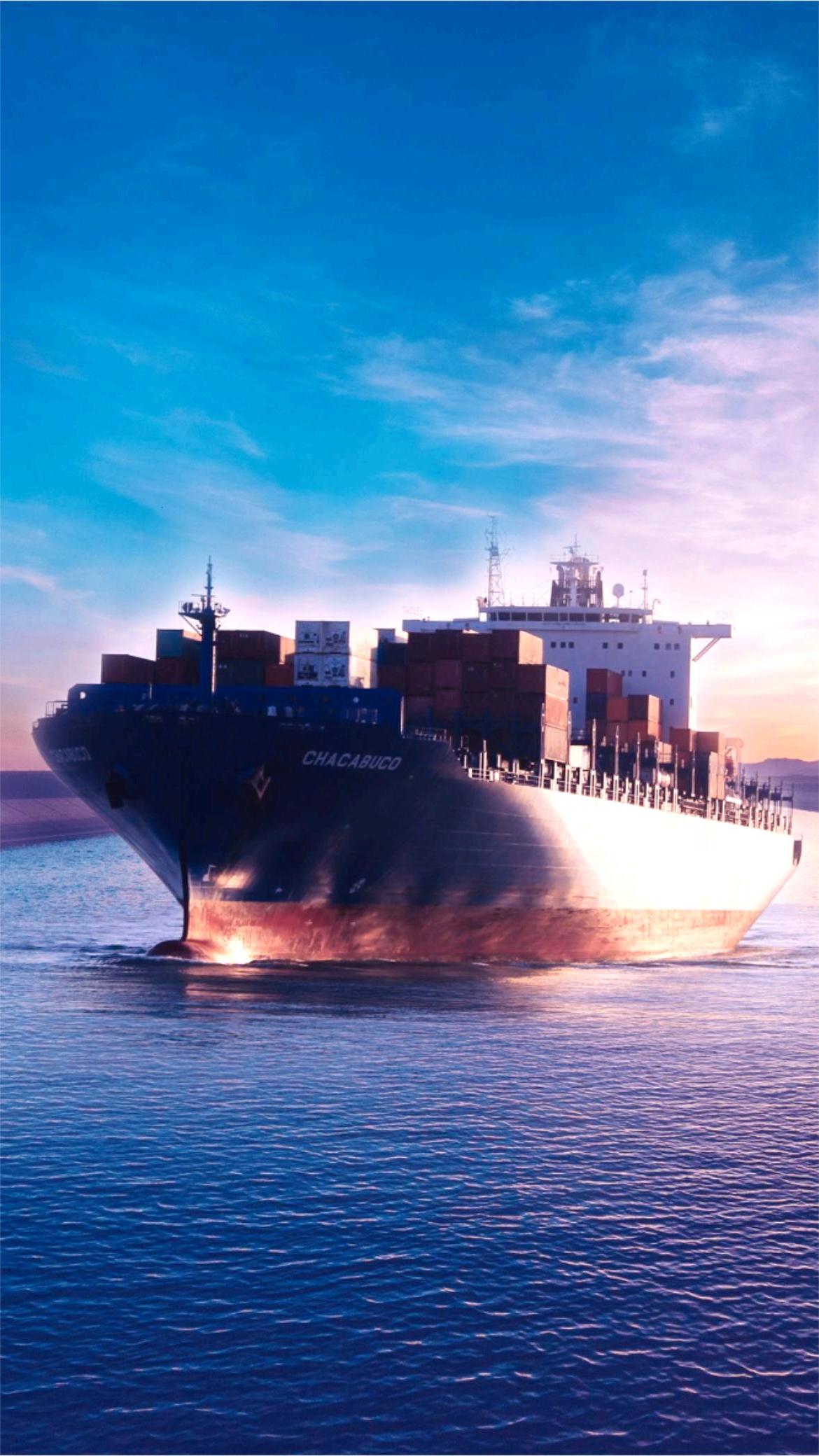
Certain automotive components, such as high-capacity lithium-ion batteries and advanced electronic control units, are sensitive to extreme temperature fluctuations. Using sea freight with reefer containers ensures that these parts remain within a stable environment throughout the long journey from Chinese manufacturing hubs. Without climate control, the high humidity and heat levels found in maritime transit could lead to corrosion or chemical degradation of sensitive materials.
Furthermore, many premium car manufacturers specify reefer transport for leather interiors and high-end plastic moldings to prevent warping or mold growth. Indeed, maintaining a consistent temperature of 15 to 25 degrees Celsius is often a requirement for warranty compliance for many Tier 1 suppliers. As a result, the use of reefer FCL units is not just a choice but a necessity for quality assurance in the automotive supply chain.
Nevertheless, the increased complexity of reefer equipment means that port authorities and carriers are less flexible with storage times. Specifically, the limited number of reefer plugs at ports like Gdansk or Gdynia creates a sense of urgency for clearing these containers. Consequently, importers must be well-prepared to move their goods as soon as the vessel berths at the destination port.
How Does Reefer FCL Compare to Other Shipping Options?
When planning your logistics strategy, it is vital to compare the various modes of transport available for the China-Poland corridor. While sea freight is the most common method for large volumes, alternatives like rail or air might be more suitable depending on the urgency of the shipment. To assist in your decision-making, we have compiled a comparison of the primary shipping methods used for automotive parts today.
For instance, rail freight offers a middle ground between the speed of air and the cost-effectiveness of the sea. However, reefer rail services are more specialized and may have different free-time structures than traditional ocean carriers. Understanding these differences is the first step toward effective reefer FCL demurrage prevention for auto parts from China to Poland.
| Shipping Method | Cost Range (40HQ) | Transit Time | Best For |
|---|---|---|---|
| Sea Freight (Reefer) | $4,500 – $6,500 | 35 – 45 Days | Bulk sensitive parts |
| Rail Freight (Reefer) | $7,000 – $9,500 | 18 – 22 Days | Urgent production parts |
| Air Freight (Temp) | $15,000+ | 3 – 7 Days | Critical prototypes |
| Sea-Rail Hybrid | $5,500 – $7,500 | 25 – 30 Days | Balanced cost/speed |
The Role of Customs Brokerage in Preventing Delays
Customs delays are the most frequent cause of demurrage charges in Polish ports. Engaging a professional customs brokerage service ensures that all HS codes for auto parts are correctly classified before the ship even arrives. In Poland, the National Revenue Administration (KAS) requires precise documentation, and any discrepancy in the commercial invoice or packing list can trigger a time-consuming physical inspection.
Furthermore, auto parts often fall under specific EU regulations, such as REACH or CE marking requirements, which must be verified by customs officials. If the paperwork is incomplete, the reefer container will sit at the terminal, consuming its free time while the importer scrambles to provide the necessary certificates. Consequently, pre-clearing the cargo or using the ‘simplified procedure’ in Poland can drastically reduce the risk of incurring demurrage.
To illustrate, having a Power of Attorney (POA) and EORI number ready in advance is a fundamental part of reefer FCL demurrage prevention for auto parts from China to Poland. Additionally, ensuring that your broker has experience with automotive-specific duties will help avoid overpayment and administrative bottlenecks. Indeed, a proactive approach to customs is the most effective way to keep your containers moving.
Strategic Planning for the China to Europe Route
The journey from China to Europe involves passing through several maritime chokepoints, such as the Suez Canal. Any disruption along this route can lead to vessels arriving out of sequence, causing congestion at Polish ports. Therefore, importers should monitor vessel tracking data closely to adjust their inland haulage schedules accordingly.
Moreover, negotiating extended free time at the destination is a powerful tool for reefer FCL demurrage prevention for auto parts from China to Poland. While standard reefer free time is often only 3 to 5 days, large-volume shippers can often negotiate 7 to 10 days as part of their annual contract. This extra cushion provides a vital safety net in case of unexpected labor strikes or transport shortages in Poland.
Additionally, choosing the right port of discharge can impact your storage costs. While Gdansk is the largest port in Poland, smaller terminals might offer more flexible storage terms or faster processing times for specialized cargo. Thus, diversifying your entry points into the Polish market can help mitigate the risks associated with port-specific congestion.
Case Study 1: Shanghai to Gdansk Ocean Freight
Route: Shanghai, China to Gdansk, Poland
Cargo: Automotive Sensors and ECUs, 22 CBM, 4,500 kg
Container: 40HQ Reefer (Set at +20C)
Shipping Details:
– Carrier: Maersk Line
– Port of Loading: Shanghai Yangshan
– Port of Discharge: DCT Gdansk
– Route Type: Direct via Suez Canal
Cost Breakdown:
– Ocean Freight: $5,200
– Origin Charges: $450
– Destination Charges: $600
– Customs & Duties: $1,200 (Estimated)
– Total Landed Cost: $7,450
Timeline:
– Booking to Loading: 5 days
– Sea Transit: 38 days
– Customs Clearance: 2 days
– Total Door-to-Door: 45 days
Key Insight: By utilizing pre-clearance strategies, the importer avoided $800 in potential demurrage fees when the vessel arrived during a busy holiday weekend. This case highlights the importance of early document submission.
Case Study 2: Xi’an to Warsaw Rail Freight
Route: Xi’an, China to Warsaw, Poland
Cargo: Lithium-Ion Battery Modules, 18 CBM, 6,000 kg
Container: 40HQ Reefer (Active Cooling)
Shipping Details:
– Carrier: China Railway Express
– Port of Loading: Xi’an Inland Port
– Port of Discharge: Małaszewicze Terminal
– Route Type: Trans-Siberian Landbridge
Cost Breakdown:
– Rail Freight: $8,800
– Origin Charges: $300
– Destination Charges: $550
– Customs & Duties: $2,100 (Estimated)
– Total Landed Cost: $11,750
Timeline:
– Booking to Loading: 7 days
– Rail Transit: 16 days
– Customs Clearance: 3 days
– Total Door-to-Door: 26 days
Key Insight: Rail freight provided a significantly faster transit time for these critical components. The importer used a door to door service to ensure the reefer was picked up immediately upon arrival at the border, eliminating all storage costs.
Which Option Should You Choose for Your Auto Parts?
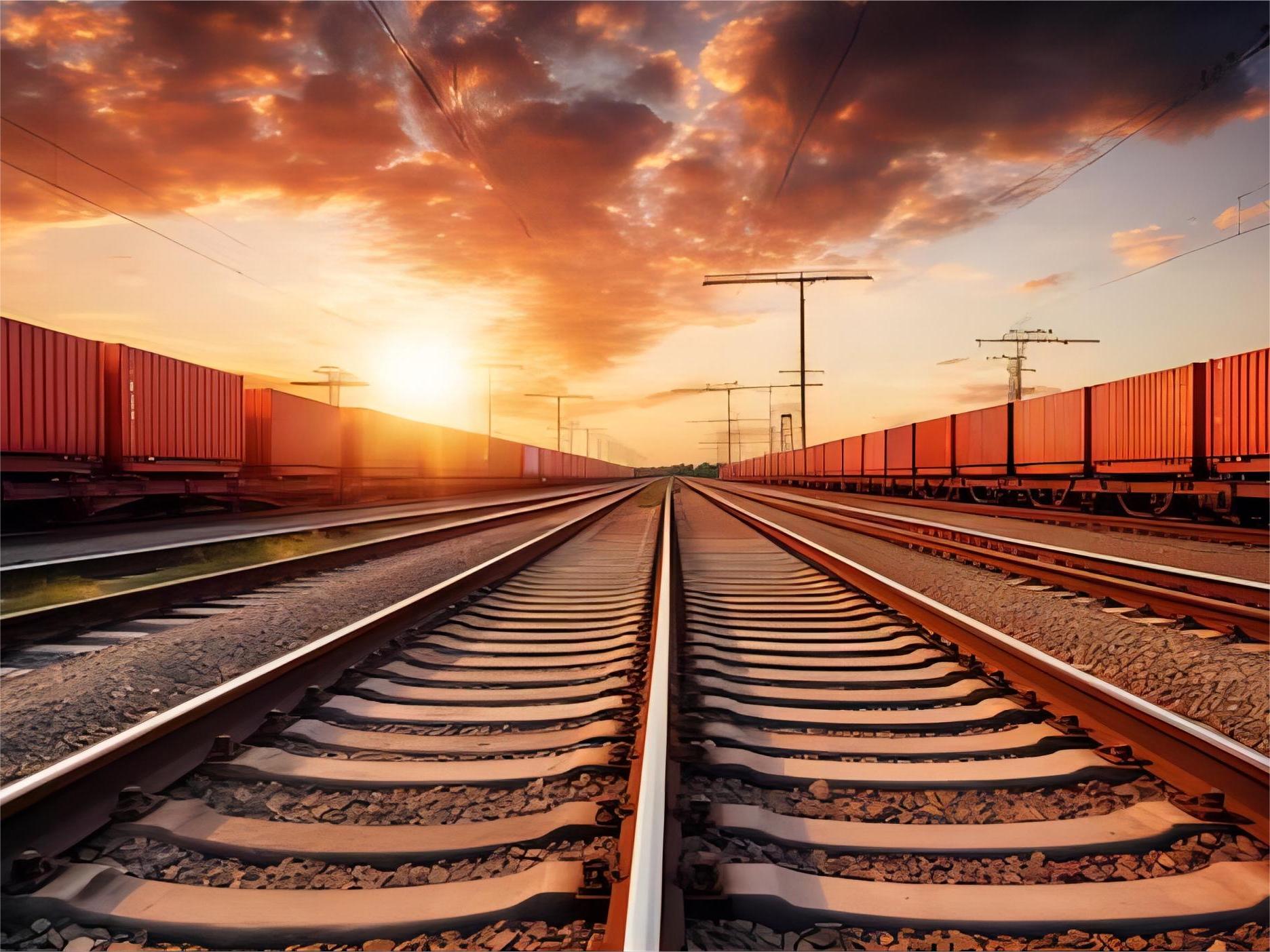
Deciding between sea and rail depends largely on your budget and the urgency of your production line. If you are moving large volumes of non-critical parts, sea freight remains the most economical choice. However, if your inventory levels are low, the speed of rail freight can justify the higher upfront cost by preventing factory downtime.
Budget priority: Choose Sea Freight. It offers the lowest cost per unit for reefer FCL demurrage prevention for auto parts from China to Poland. Ensure you have at least 7 days of free time negotiated to manage the slower customs process.
Speed priority: Choose Rail Freight. It cuts transit time by half compared to the sea. This is ideal for high-value components where the cost of capital tied up in transit is a major concern.
Cargo type considerations: For extremely sensitive electronics, air freight is the safest but most expensive. For most automotive parts, a well-managed reefer sea container provides the best balance of protection and price.
Note: Freight rates are subject to change based on fuel costs, carrier capacity, and seasonal demand. Contact us for a current quote tailored to your specific shipment.
Summary of Demurrage Prevention Strategies
To summarize, successful reefer FCL demurrage prevention for auto parts from China to Poland requires a combination of early documentation, strategic carrier negotiation, and efficient customs management. By understanding the unique requirements of automotive components and the technical constraints of reefer units, importers can avoid the heavy financial penalties associated with port delays.
Furthermore, leveraging the expertise of a professional freight forwarder allows you to navigate the complexities of the Poland-China trade route with confidence. Whether you choose sea, rail, or a hybrid solution, the key is to remain proactive and maintain clear communication with all stakeholders in the supply chain. Implementing these strategies will not only save money but also enhance the overall reliability of your logistics operations.
Ready to streamline your logistics?
Ready to optimize your automotive supply chain? Contact Top China Freight today for a customized quote on reefer FCL demurrage prevention for auto parts from China to Poland and ensure your cargo arrives safely and on time. Let our experts handle your logistics so you can focus on growing your business.
Request Quote