

Reefer FCL Demurrage Prevention for Textiles from China to New Jersey
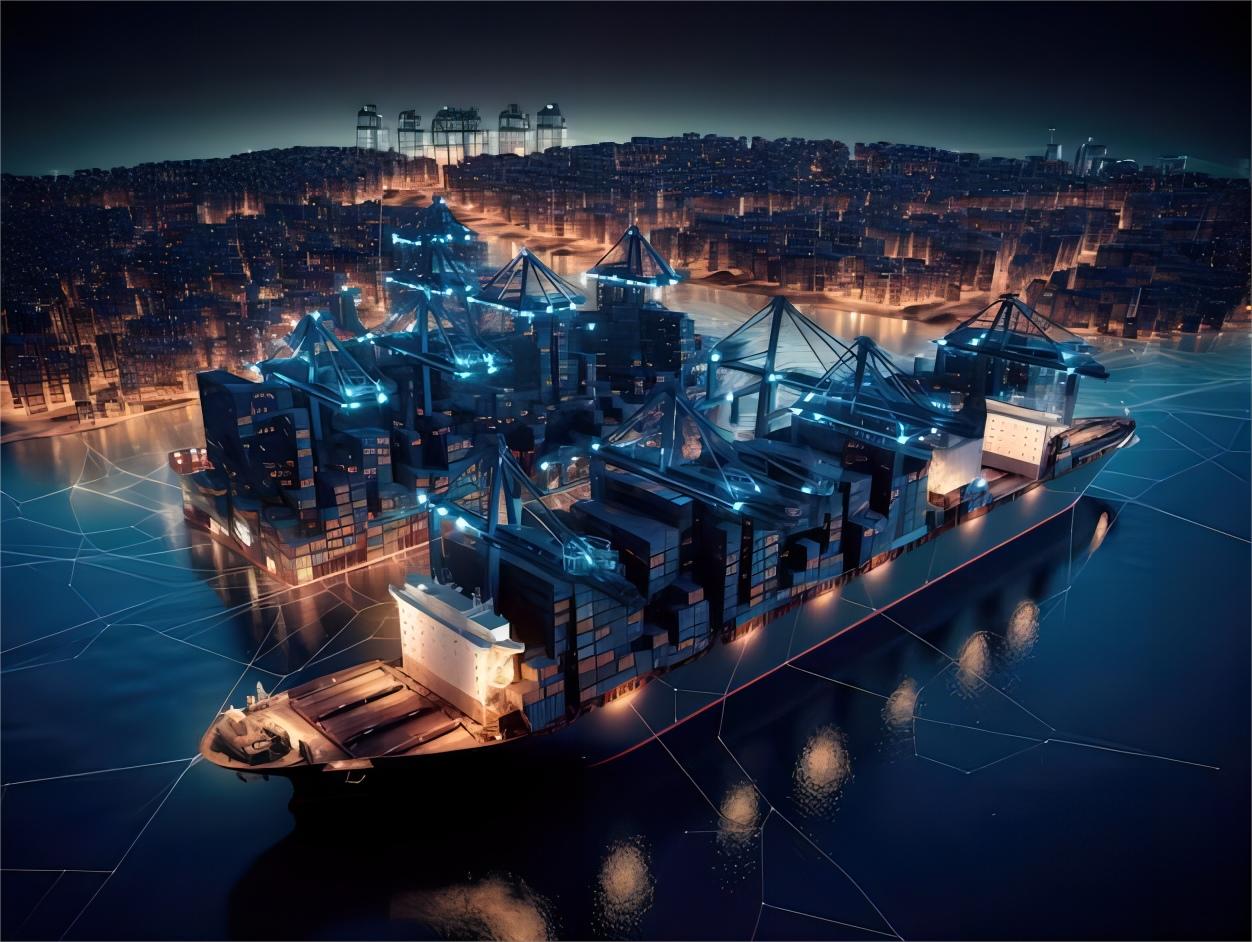
Shipping temperature-sensitive textiles requires precise timing and expert coordination to avoid expensive port penalties. Top China Freight provides comprehensive logistics solutions to ensure your refrigerated cargo moves efficiently from Asian ports to the American East Coast. Achieving effective Reefer FCL demurrage prevention for textiles from China to New Jersey is critical for maintaining your competitive edge in the high-demand fashion and fabric markets. This guide explores strategies to streamline your cold chain textiles supply chain and minimize unnecessary storage fees.
Why Reefer FCL Demurrage Occurs for Textile Shipments
Demurrage fees often accumulate when a refrigerated container remains at the terminal beyond the allotted free time. Consequently, importers face daily charges that can quickly escalate into thousands of dollars if the textile cargo is not picked up promptly. These fees are significantly higher for reefer units compared to standard dry containers because they require constant power and monitoring.
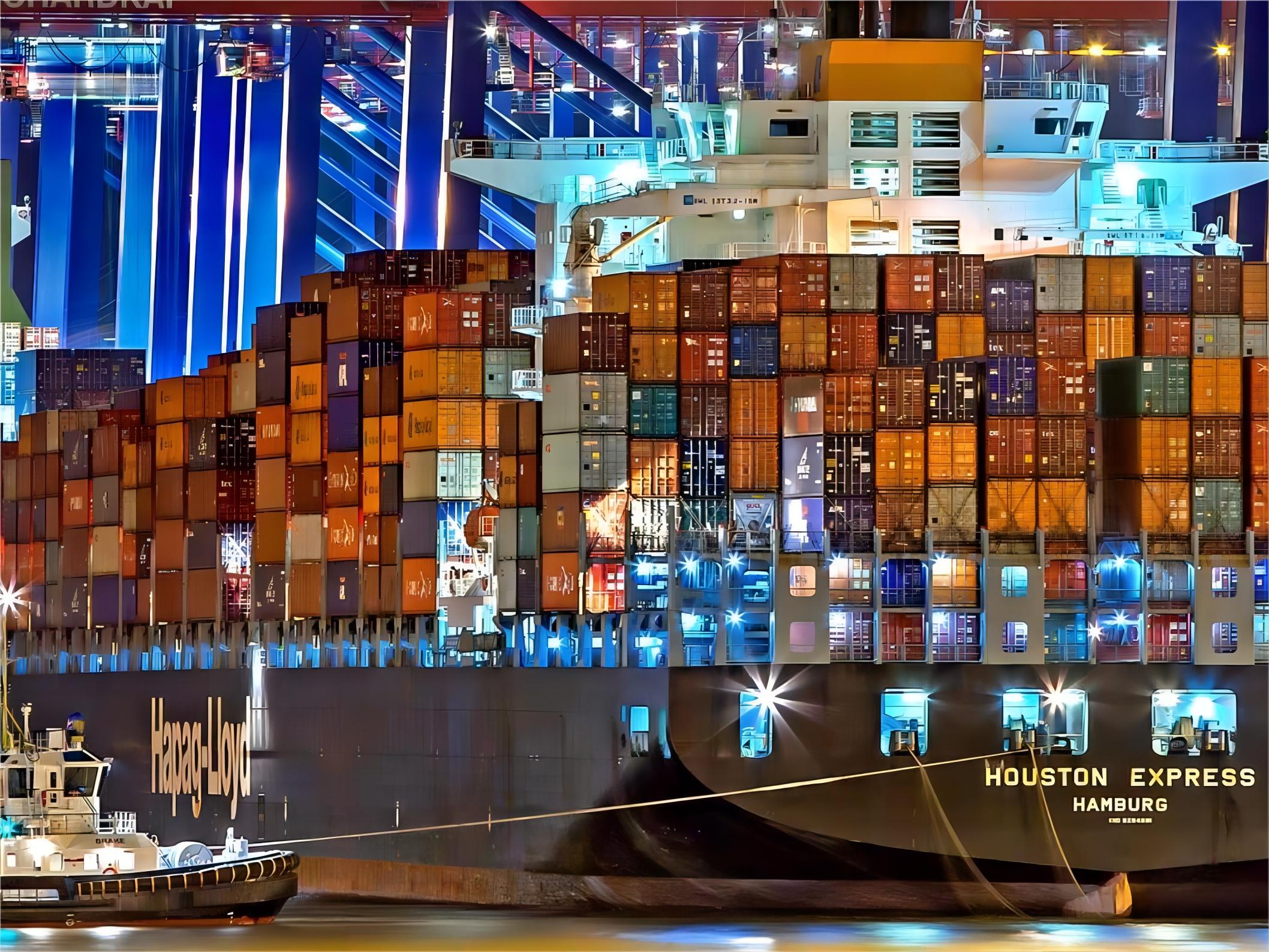
Moreover, the Port of Newark and Elizabeth often experience congestion during peak textile seasons. Therefore, a lack of available drayage drivers or delayed customs paperwork can cause your shipment to sit idle. Understanding these triggers is the first step toward successful Reefer FCL demurrage prevention for textiles from China to New Jersey.
Specifically, the complexity of temperature-controlled freight adds layers of potential failure. For instance, if the power source at the terminal fails or the container requires inspection, the time spent in the yard increases. Manufacturers in China must ensure all technical specifications are met before the ship departs for the United States.
Key Strategies for Reefer FCL Demurrage Prevention for Textiles from China to New Jersey
Effective prevention begins with proactive planning and early documentation submission. Additionally, you should negotiate extended free time with your carrier before the shipment leaves the Port of Shanghai or Ningbo. Most major carriers offer standard free time, but high-volume textile importers can often secure additional days.
Furthermore, utilizing a reliable customs brokerage service ensures that your entry is filed well before the vessel arrives. Pre-clearing your goods allows the drayage company to schedule a pickup the moment the container is discharged. This synchronization is vital for avoiding the bottleneck at the Port of New York and New Jersey.
Importers must also maintain constant communication with their freight forwarders. Meanwhile, tracking the vessel in real-time allows you to adjust your New Jersey drayage schedule based on actual arrival times rather than estimates. Reliable data prevents the common mistake of scheduling trucks too early or too late.
The Importance of Pre-Clearance and Documentation
Submitting the Bill of Lading and commercial invoice early prevents administrative delays. Indeed, many demurrage cases stem from simple clerical errors that could have been caught during the transit period. You should verify that all textile classifications and HTS codes are accurate to avoid intensive customs examinations.
Consequently, early filing through the Automated Broker Interface allows Customs and Border Protection to flag any issues. If an inspection is required, knowing this in advance helps you budget for the extra time. This foresight is a cornerstone of textile supply chain efficiency.
How Reefer Shipping Compares to Other Shipping Options
While reefer containers are necessary for specific high-end fabrics, you should evaluate if standard sea freight might suffice for less sensitive materials. Refrigerated transport China to USA is significantly more expensive than dry van shipping. However, the protection against humidity and temperature fluctuations is indispensable for luxury silks and specialized synthetics.
Comparison of shipping methods reveals that reefer FCL offers the highest level of cargo protection. In contrast, air freight provides speed but at a much higher cost per kilogram. For smaller textile samples, an express service might be more appropriate than a full container load.
| Shipping Method | Cost Range | Transit Time | Best For |
|---|---|---|---|
| Reefer FCL | $5,500 – $7,500 | 30 – 35 Days | Sensitive Textiles |
| Dry FCL | $4,000 – $5,500 | 30 – 35 Days | Standard Garments |
| Air Freight | $8 – $12 per kg | 5 – 8 Days | Urgent Samples |
| LCL Sea | $80 – $150 per CBM | 35 – 40 Days | Small Batches |
Decision Framework: Selecting Your Shipping Route
Budget priority: Recommend standard sea freight if the textiles are not temperature sensitive. Speed priority: Recommend air freight for seasonal fashion launches. Cargo type: Always use reefer for fabrics prone to mold or heat damage.
Note: Freight rates are subject to change based on fuel costs, carrier capacity, and seasonal demand. Contact us for a current quote tailored to your specific shipment.
Managing Door to Door Logistics for Temperature-Sensitive Textiles
Choosing a door to door service simplifies the entire process by consolidating all legs of the journey under one provider. This approach reduces the risk of communication gaps between the ocean carrier and the final delivery truck. Consequently, the freight forwarder takes responsibility for the entire timeline, including demurrage prevention.
Furthermore, integrated logistics providers have established relationships with New Jersey drayage companies. These connections often result in priority pickup and better equipment availability. For importers shipping to North America, having a single point of contact is invaluable during peak shipping seasons.
Therefore, you should look for partners who offer end-to-end visibility. Tracking your reefer container rates and location from a single dashboard helps you manage your delivery schedule more effectively. This level of control is essential for modern textile supply chains.
Case Study 1: Successful Prevention for High-End Silk
Case Study 1: Silk Fabric Protection
Route: Shanghai, China to Newark, NJ
Cargo: High-end silk rolls, 22 CBM, 4,500 kg
Container: 40HQ Reefer
Shipping Details:
– Carrier: Maersk
– Port of Loading: Shanghai
– Port of Discharge: Newark
– Route Type: Direct
Cost Breakdown:
– Ocean Freight: $6,200
– Origin Charges: $450
– Destination Charges: $800
– Customs and Duties: $1,200
– Total Landed Cost: $8,650
Timeline:
– Booking to Loading: 4 days
– Sea Transit: 32 days
– Customs Clearance: 1 day
– Total Door-to-Door: 37 days
Key Insight: Pre-clearing the cargo 5 days before arrival allowed for immediate pickup, avoiding $1,500 in potential demurrage fees.
Case Study 2: Managing Delays for Synthetic Textiles
Case Study 2: Synthetic Fabric Resilience
Route: Ningbo, China to Elizabeth, NJ
Cargo: Specialized synthetic yarn, 18 CBM, 3,800 kg
Container: 20GP Reefer
Shipping Details:
– Carrier: COSCO
– Port of Loading: Ningbo
– Port of Discharge: Elizabeth
– Route Type: Transshipment via Panama
Cost Breakdown:
– Ocean Freight: $5,100
– Origin Charges: $380
– Destination Charges: $750
– Customs and Duties: $900
– Total Landed Cost: $7,130
Timeline:
– Booking to Loading: 5 days
– Sea Transit: 38 days
– Customs Clearance: 3 days
– Total Door-to-Door: 46 days
Key Insight: Despite a 3-day customs delay, the importer had negotiated 7 days of free time, resulting in zero demurrage costs.
The Role of Technology in Reducing Ocean Freight Surcharges
Digital logistics platforms now provide automated alerts for upcoming demurrage deadlines. Additionally, these tools can predict port congestion levels based on historical data. By leveraging this information, you can choose the best arrival window for your textile shipments.
Moreover, electronic data interchange allows for faster communication between the terminal and your drayage provider. Consequently, the truck can be dispatched exactly when the container is ready for mount. This precision is the ultimate tool for Reefer FCL demurrage prevention for textiles from China to New Jersey.
Importers should also use GPS-enabled reefer containers to monitor internal temperatures. Indeed, maintaining the cold chain is just as important as avoiding fees. If a temperature deviation occurs, you need to know immediately to file potential insurance claims.
Mastering Your Textile Logistics
Successfully managing reefer shipments requires a combination of early planning, expert brokerage, and real-time tracking. By implementing these strategies, you can achieve consistent Reefer FCL demurrage prevention for textiles from China to New Jersey. This not only saves money but also ensures that your high-quality fabrics reach the market in perfect condition.
Furthermore, partnering with a logistics expert allows you to focus on your core business while the complexities of international shipping are handled professionally. The textile industry moves fast, and your supply chain must be equally agile to keep up with changing trends and demands.
Ready to streamline your logistics?
Ensure your temperature-sensitive textiles arrive on time and without extra costs. Our team of experts specializes in Reefer FCL demurrage prevention for textiles from China to New Jersey to protect your bottom line. Contact us today for a customized quote and a seamless shipping experience. Visit our inquiry page to get started.
Request Quote