


Reefer FCL Detention Prevention for Textiles from China to Europe: 2025 Guide
Shipping delicate fabrics involves more than just moving boxes across the ocean. Effective reefer FCL detention prevention for textiles from China to Europe ensures that your delicate materials arrive in pristine condition without incurring massive fees. Visit Top China Freight to explore how our logistics experts can safeguard your textile supply chain against unexpected costs.
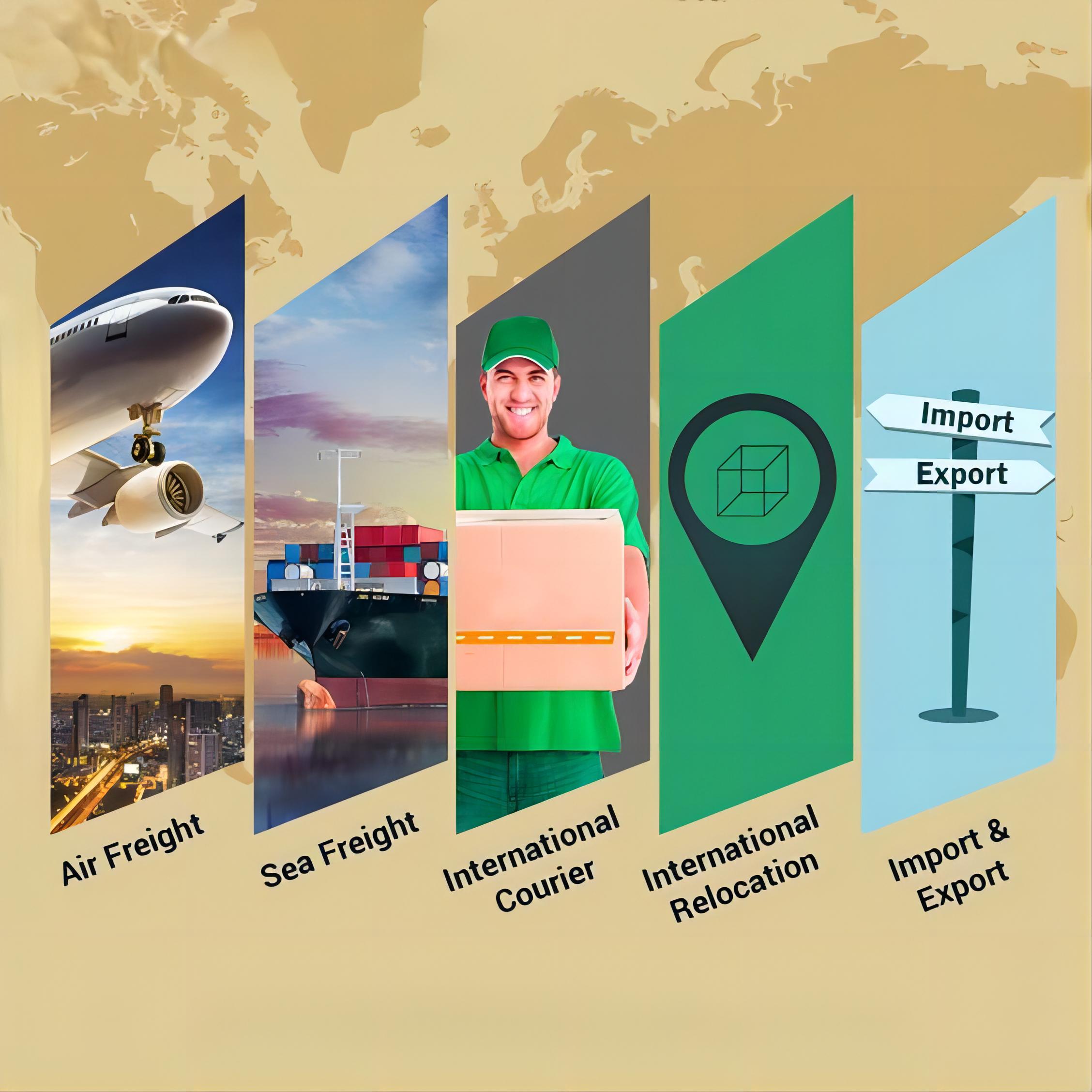
Why Is Reefer FCL Detention Prevention for Textiles from China to Europe Necessary?
Managing the transport of high-end garments requires a precise balance of temperature and moisture control. Consequently, many importers utilize sea freight to move large volumes of sensitive textiles in refrigerated containers.
Moreover, the financial consequences of container detention can quickly erode the thin profit margins of the fashion industry. Indeed, detention fees often start accruing the moment a container stays outside the port beyond the agreed free time.
Therefore, implementing a proactive strategy for reefer FCL detention prevention for textiles from China to Europe is not just a luxury but a business necessity. Understanding the specific logistics trends for 2025 helps businesses stay ahead of potential disruptions.
Understanding the Financial Impact of Detention and Demurrage
Demurrage and detention are often confused, yet they represent different stages of the logistics cycle. Demurrage applies to the time a container spends inside the terminal, while detention refers to the time it spends outside the port.
Furthermore, shipping to Europe involves navigating multiple port jurisdictions, each with its own set of rules regarding free time. Specifically, reefer containers often have shorter free periods compared to standard dry containers due to their high equipment value.
Consequently, a delay of just a few days can result in thousands of dollars in extra charges. For instance, many carriers only provide three to five days of free time for refrigerated units before daily penalties escalate.
How Does Reefer FCL Compare to Other Shipping Options?
Choosing the right transport method depends heavily on your budget, timeline, and the specific needs of your textile products. While reefer FCL is excellent for moisture-sensitive fabrics, other methods might be more suitable for urgent shipments.
Indeed, some importers prefer rail freight for its speed, although it offers fewer temperature-controlled options than ocean transport. Additionally, air freight remains the fastest choice but comes at a significantly higher cost per kilogram.
| Shipping Method | Cost Range | Transit Time | Best For |
|---|---|---|---|
| Reefer FCL | $3,500 – $5,500 | 30 – 45 Days | Delicate Fabrics |
| Standard FCL | $2,500 – $4,200 | 30 – 40 Days | Raw Cotton/Wool |
| Rail Freight | $4,500 – $7,000 | 18 – 22 Days | Mid-range Fashion |
| Air Freight | $15k – $25k | 5 – 8 Days | Luxury Samples |
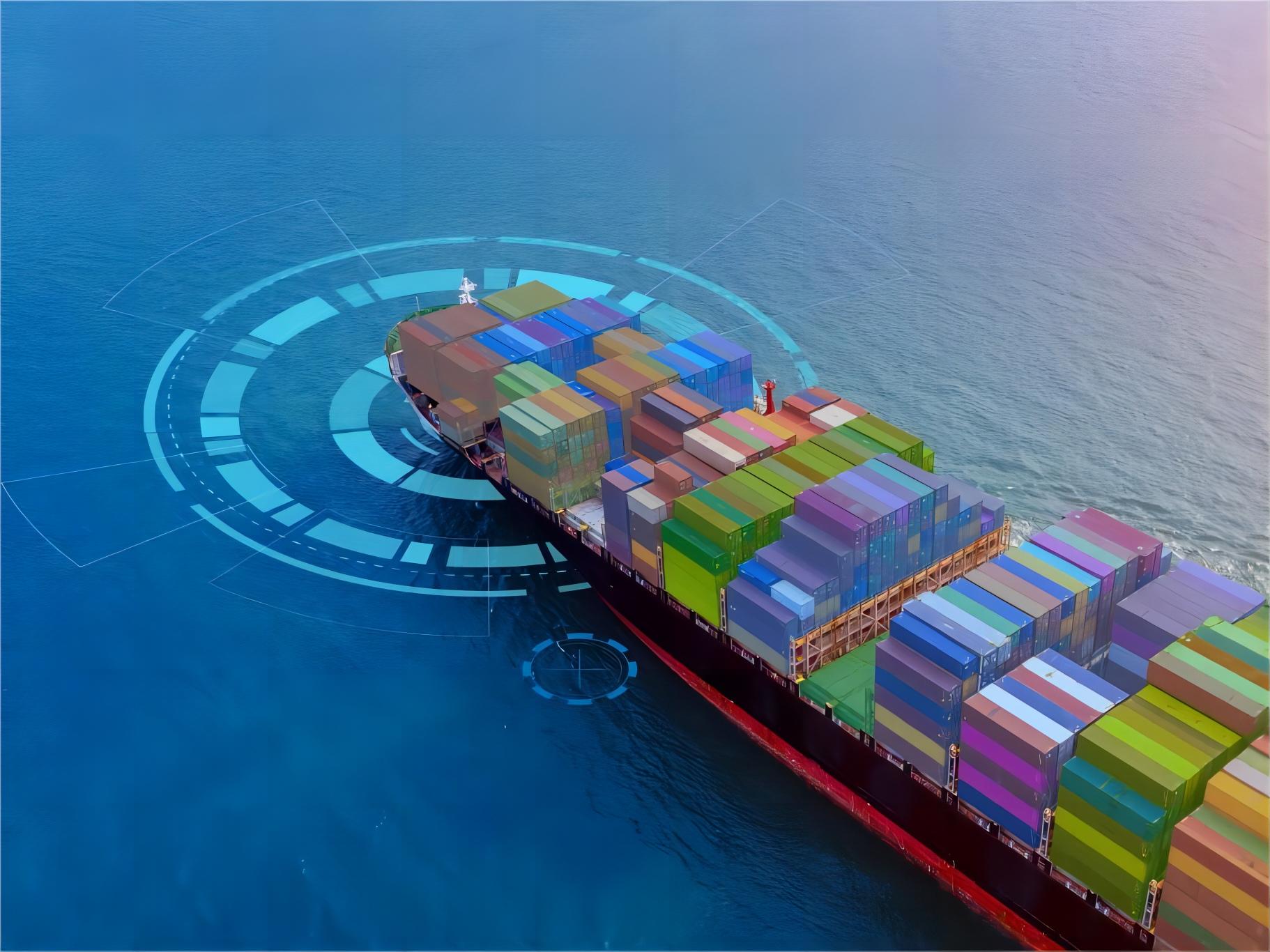
Root Causes of Textile Shipping Delays in 2025
Recent market data suggests that port congestion remains a primary driver of detention charges in major European hubs like Rotterdam and Hamburg. Additionally, the Red Sea disruptions have forced many carriers to take longer routes around the Cape of Good Hope.
Meanwhile, textile export regulations in China have become more stringent, requiring meticulous documentation to avoid inspections. Consequently, any error in the paperwork can lead to a container being held at the origin or destination port.
Moreover, labor shortages in the European trucking industry often make it difficult to return empty containers on time. Shippers must therefore coordinate closely with local hauliers to ensure timely equipment return.
Strategic Planning for Reefer FCL Detention Prevention for Textiles from China to Europe
Effective prevention starts with negotiating extended free time during the initial booking phase. Specifically, experienced shippers often request 14 days of combined demurrage and detention to provide a safety buffer.
Furthermore, implementing reefer container monitoring systems allows logistics managers to track the location and status of their cargo in real-time. This visibility enables proactive decision-making if a vessel is delayed or a port is congested.
Additionally, pre-clearing cargo before it arrives at the destination port can significantly reduce the time a container spends on the quay. Indeed, this approach is a cornerstone of successful reefer FCL detention prevention for textiles from China to Europe.
Navigating European Customs Clearance and Textile Export Regulations
Importers must ensure that all textile products comply with European REACH regulations and labeling requirements. Consequently, utilizing a professional customs brokerage service is vital for avoiding administrative delays.
Moreover, certain fabrics may require specific certificates of origin to benefit from preferential tariff rates. Therefore, gathering all necessary documents well before the ship docks is a critical step in the logistics process.
In addition, digital customs platforms in Europe have streamlined the filing process, but they require accurate data input. Errors in HS codes or valuation can trigger manual audits, which inevitably lead to detention fees.
Real-World Logistics Scenarios and Case Studies
Examining actual shipments provides valuable insights into the challenges and solutions of modern textile logistics. For example, a recent shipment of high-end silk required specialized fabric moisture control to prevent mildew during the long transit.
Case Study 1: Premium Silk Shipment. Route: Shanghai to Rotterdam. Cargo: Silk fabrics, 65 CBM. Container: 40HQ Reefer. Shipping Details: Direct service via major carrier. Ocean Freight: $4,200. Origin Charges: $450. Destination Charges: $600. Customs: $1,200. Total Cost: $6,450. Timeline: 38 days door-to-door. Key Insight: Pre-clearing customs saved 4 days of detention.
Case Study 2: Synthetic Fiber Export. Route: Ningbo to Hamburg. Cargo: Synthetic yarn, 28 CBM. Container: 20GP Reefer. Shipping Details: Transshipment via Singapore. Ocean Freight: $2,800. Origin Charges: $380. Destination Charges: $520. Customs: $900. Total Cost: $4,600. Timeline: 42 days door-to-door. Key Insight: Extended free time negotiation prevented $800 in fees.
Pricing Trends and Market Intelligence for 2025
According to industry benchmarks, freight rates from China to Europe have stabilized in early 2025 but remain sensitive to fuel surcharges. Specifically, reefer rates typically command a 20 to 30 percent premium over standard dry containers.
Moreover, seasonal demand during the Q3 peak season often leads to equipment shortages in manufacturing hubs like Shenzhen and Guangzhou. Consequently, booking at least four weeks in advance is recommended to secure reefer equipment.
Note: Freight rates are subject to change based on fuel costs, carrier capacity, and seasonal demand. Contact us for a current quote tailored to your specific shipment.
| Route | 20GP Reefer | 40HQ Reefer | Average Transit |
|---|---|---|---|
| Shanghai to Rotterdam | $2,800 – $3,500 | $4,500 – $5,800 | 34 Days |
| Ningbo to Hamburg | $2,900 – $3,600 | $4,600 – $5,900 | 36 Days |
| Shenzhen to Felixstowe | $3,000 – $3,800 | $4,800 – $6,200 | 38 Days |
| Qingdao to Antwerp | $2,750 – $3,450 | $4,400 – $5,700 | 40 Days |
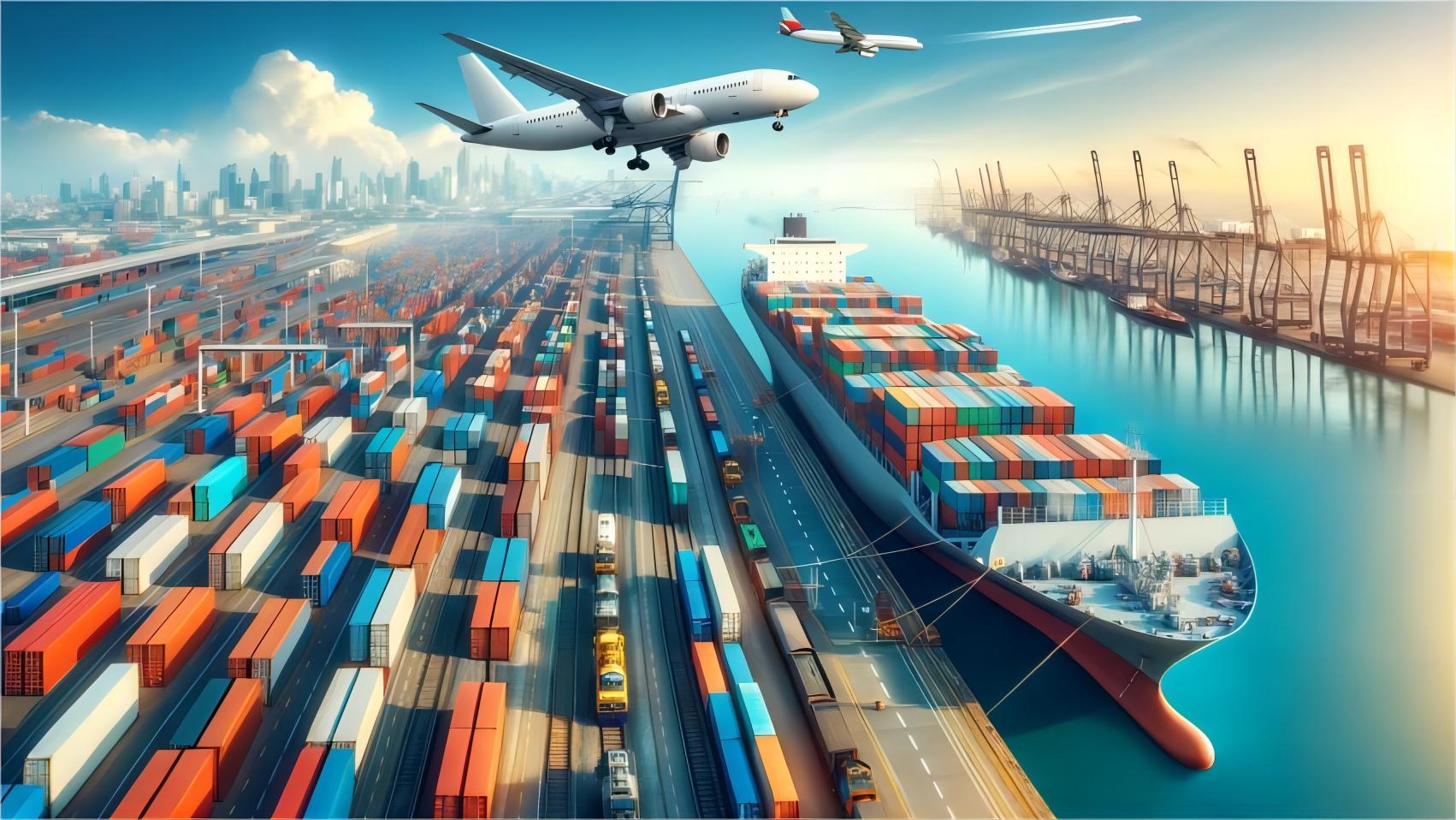
Which Option Should You Choose? Decision Framework
Deciding between different logistics strategies depends on your specific business priorities. If budget is your primary concern, standard sea freight with moisture-absorbing silica gel might be an alternative to expensive reefer units.
However, for high-value garments that cannot tolerate any temperature fluctuation, reefer FCL remains the gold standard. Furthermore, choosing a door to door service can simplify the entire process by consolidating all charges into a single invoice.
Specifically, use reefer FCL when shipping silk, lace, or high-tech synthetic fabrics. Use standard FCL for bulk cotton or wool. Use air freight only for emergency stock replenishment or high-fashion launch samples.
Final Thoughts on Textile Logistics Optimization
Summarizing the key points, successful textile importation requires more than just finding the lowest freight rate. It demands a comprehensive approach to reefer FCL detention prevention for textiles from China to Europe to ensure long-term profitability.
By understanding market trends, negotiating better terms, and utilizing advanced monitoring, you can turn your supply chain into a competitive advantage. Stay proactive and partner with experts who understand the nuances of the China-Europe trade lane.
Ready to streamline your logistics?
Protect your textile shipments from unnecessary costs by implementing a robust reefer FCL detention prevention for textiles from China to Europe strategy today. Contact our expert team for a customized quote and professional logistics advice. Send Inquiry: Visit our contact page to get started.
Request Quote