


Reefer FCL freight rate for solar panels from China to Seattle: 2025 Guide
Navigating the complexities of the global clean energy supply chain requires precise planning and reliable partners. When you work with Top China Freight, you gain access to expert logistics solutions tailored for high-value cargo. Understanding the Reefer FCL freight rate for solar panels from China to Seattle is essential for maintaining product integrity during long-distance transit. This guide provides a comprehensive breakdown of current market trends and cost factors for temperature-controlled shipping.
What is the Reefer FCL freight rate for solar panels from China to Seattle?
Determining the exact Reefer FCL freight rate for solar panels from China to Seattle involves analyzing several market variables. Consequently, shippers must account for base ocean rates, fuel surcharges, and specialized equipment availability. While standard dry containers are common, reefer units provide the climate control necessary for sensitive photovoltaic components.
Moreover, the current market for 2025 shows that rates fluctuate based on seasonal demand and carrier capacity. Therefore, businesses should expect to pay a premium for refrigerated units compared to standard sea freight options. Specifically, the Reefer FCL freight rate for solar panels from China to Seattle currently ranges between 4,500 and 6,500 USD for a 40HQ unit.
Additionally, these costs include the specialized monitoring required for temperature-sensitive electronics. However, rates can spike during the peak shipping season from August to October. Shippers are encouraged to book at least three weeks in advance to secure the best possible pricing.
Why Use Reefer Containers for Solar Panel Shipments?
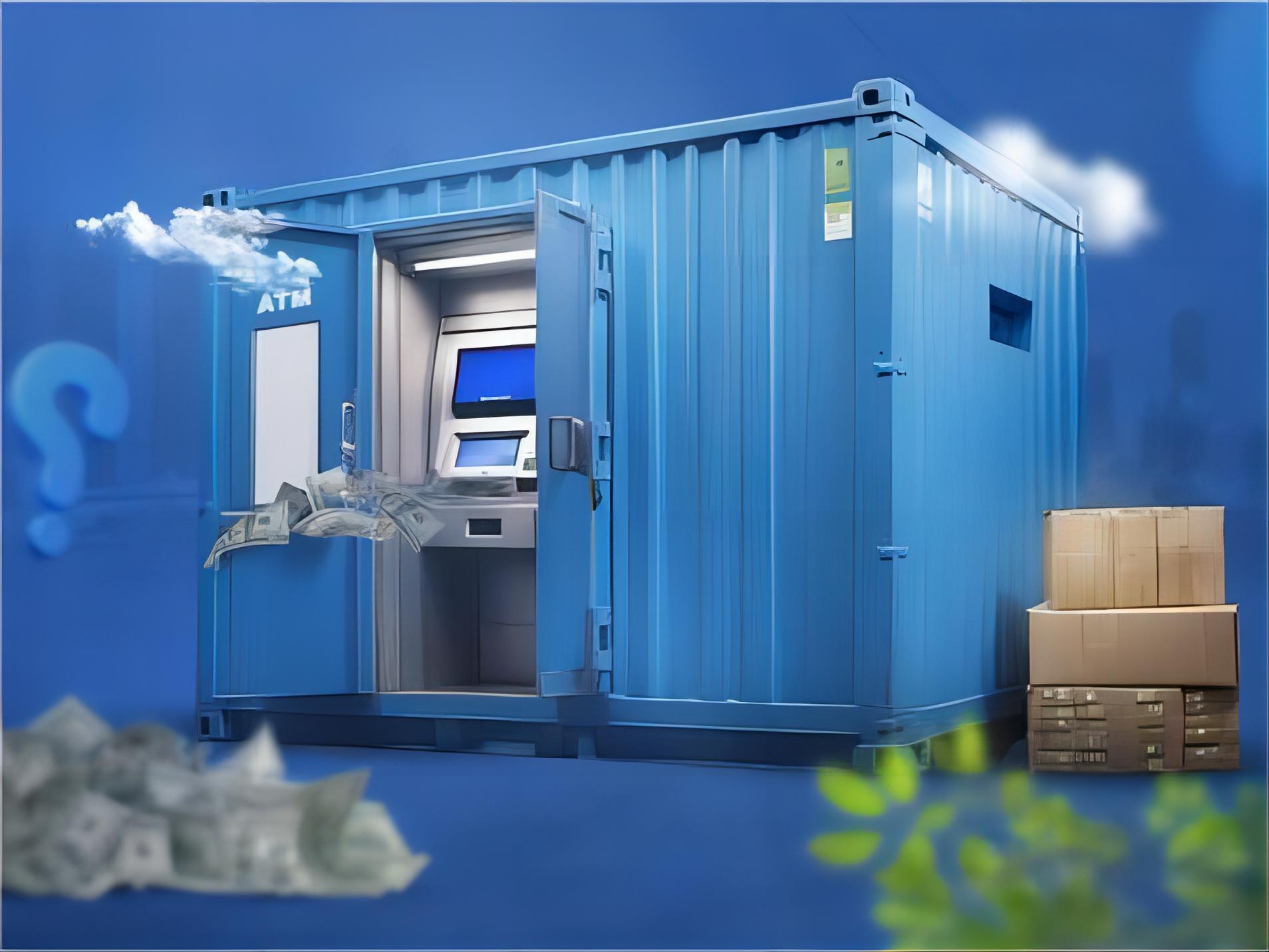
Solar panels are often perceived as rugged equipment, yet certain high-efficiency modules contain delicate chemical layers. Indeed, extreme temperature fluctuations during Pacific crossings can lead to micro-cracking or degradation of the adhesive materials. Utilizing a sea freight reeate solution ensures a stable environment throughout the journey.
Furthermore, maintaining a consistent temperature prevents the buildup of condensation inside the packaging. This is particularly important for shipments arriving in Seattle, where humidity levels can vary significantly. By choosing reefer FCL, you minimize the risk of moisture damage to the electronic junctions.
In addition, many manufacturers now mandate temperature-controlled environments to honor warranty agreements. Consequently, the slightly higher Reefer FCL freight rate for solar panels from China to Seattle is a necessary investment in product quality. Protecting your assets during transit reduces the likelihood of costly insurance claims upon arrival.
How Does Reefer FCL Compare to Other Shipping Options?
Choosing the right shipping method depends on your budget, timeline, and cargo sensitivity. While reefer FCL offers the highest protection, other methods might suit different business needs. For example, standard dry containers are significantly cheaper but offer no thermal regulation.
On the other hand, air freight provides unmatched speed for urgent replacements or small batches of components. Nevertheless, the cost of air shipping for large solar arrays is often prohibitive for most commercial projects. To summarize, reefer FCL strikes a balance between specialized protection and volume-based cost efficiency.
The following table compares the most common logistics strategies for the China to Seattle route. It highlights the trade-offs between cost, speed, and safety for your solar equipment.
| Reefer FCL (40HQ) | $4,500 – $6,500 | 15 – 22 Days | High-value sensitive panels |
| Dry FCL (40HQ) | $2,800 – $3,800 | 14 – 18 Days | Standard solar modules |
| LCL Shipping | $80 – $150/CBM | 20 – 25 Days | Small residential batches |
| Air Freight | $5.00 – $8.00/kg | 3 – 7 Days | Urgent spare parts |
Factors Influencing Your Total Shipping Cost
Several hidden variables can impact the final Reefer FCL freight rate for solar panels from China to Seattle. Firstly, port congestion at the Port of Seattle can lead to unexpected demurrage and detention charges. Therefore, it is vital to coordinate with an experienced customs brokerage to expedite the clearance process.
Secondly, the choice of departure port in China influences the inland haulage costs. For instance, shipping from Shanghai might be cheaper than shipping from inland provinces due to proximity to major terminals. Additionally, fuel surcharges, known as Bunker Adjustment Factors, change monthly based on global oil prices.
Lastly, the complexity of the cargo handling also plays a role in the pricing structure. Reefer units require constant power supply at the terminal and on the vessel, which adds to the operational expense. Shippers should always request an all-in quote to avoid surprise fees during the delivery phase.
Case Study 1: Large-Scale Solar Farm Project
Route: Shanghai, China to Seattle, USA
Cargo: High-efficiency monocrystalline panels, 68 CBM
Container: 40HQ Reefer FCL
Shipping Details: Direct route via major carrier
Cost Breakdown: Ocean Freight $5,200, Origin Charges $450, Destination Charges $600, Customs $300
Total Landed Cost: $6,550
Timeline: 18 days sea transit, 23 days door-to-door
Key Insight: Pre-booking during the off-peak season saved the client 15 percent on equipment surcharges.
Case Study 2: Sensitive Photovoltaic Components
Route: Shenzhen, China to Seattle, USA
Cargo: Specialized solar inverters and panels, 60 CBM
Container: 40HQ Reefer FCL
Shipping Details: Transshipment via Busan for better schedule reliability
Cost Breakdown: Ocean Freight $5,800, Origin Charges $500, Destination Charges $700, Customs $400
Total Landed Cost: $7,400
Timeline: 22 days sea transit, 28 days door-to-door
Key Insight: Using a reefer container prevented moisture ingress that had damaged previous shipments in dry containers.
Which Option Should You Choose for Your Seattle Shipment?
Deciding on the best logistics path requires a clear understanding of your project priorities. If your primary goal is budget optimization, a dry FCL container remains the most economical choice. However, if you are shipping to North America with high-end equipment, the protection of a reefer is unmatched.
Speed-focused businesses might consider a hybrid sea-air solution to bypass West Coast congestion. Nevertheless, for the majority of solar importers, the direct sea route to Seattle offers the best balance of cost and reliability. Consider your cargo volume and the manufacturer’s storage requirements before making a final decision.
Furthermore, implementing a door to door service can simplify the entire process. This approach allows you to focus on your core business while logistics experts manage the transit. Always verify that your freight forwarder has specific experience with renewable energy products.
Transit Times and Port Logistics for the Seattle Route
The transit time for a Reefer FCL freight rate for solar panels from China to Seattle is generally faster than East Coast routes. Typically, vessels take between 14 and 18 days to cross the Pacific from major Chinese ports. However, unloading and customs processing at the Seattle terminal can add another 5 to 7 days to the timeline.
Moreover, weather conditions in the North Pacific can occasionally cause delays during the winter months. Therefore, building a buffer into your delivery schedule is highly recommended for time-sensitive projects. In addition, ensure your documentation is complete to prevent hold-ups at the port of entry.
The following table provides an estimate of transit times from various Chinese hubs to Seattle. These figures are based on direct services provided by major shipping lines.
| Shanghai | COSCO | 15 Days | 22 Days |
| Ningbo | Maersk | 16 Days | 24 Days |
| Shenzhen | MSC | 18 Days | 26 Days |
| Qingdao | ONE | 17 Days | 25 Days |
Final Thoughts on Solar Logistics
Successfully managing the Reefer FCL freight rate for solar panels from China to Seattle requires a proactive approach to logistics. By understanding the cost drivers and equipment benefits, you can protect your investment and ensure timely project completion. Moreover, working with an experienced partner helps navigate the complexities of international trade and port operations.
In conclusion, while reefer shipping involves higher initial costs, the long-term benefits of product safety and warranty compliance are significant. Stay informed about market trends and plan your shipments early to achieve the best results for your solar business.
Ready to streamline your logistics?
Ready to secure the best Reefer FCL freight rate for solar panels from China to Seattle? Contact Top China Freight today for a customized quote and expert logistics support. Send Inquiry to get started on your clean energy shipment.
Request Quote