

Reefer FCL Insurance for Solar Panels from China to California
Shipping high-value renewable energy equipment requires more than just standard logistics. Professional importers now prioritize Reefer FCL insurance for solar panels from China to California to mitigate risks associated with temperature fluctuations and mechanical damage. By partnering with Top China Freight, you ensure your photovoltaic modules arrive in pristine condition while maintaining a resilient supply chain.
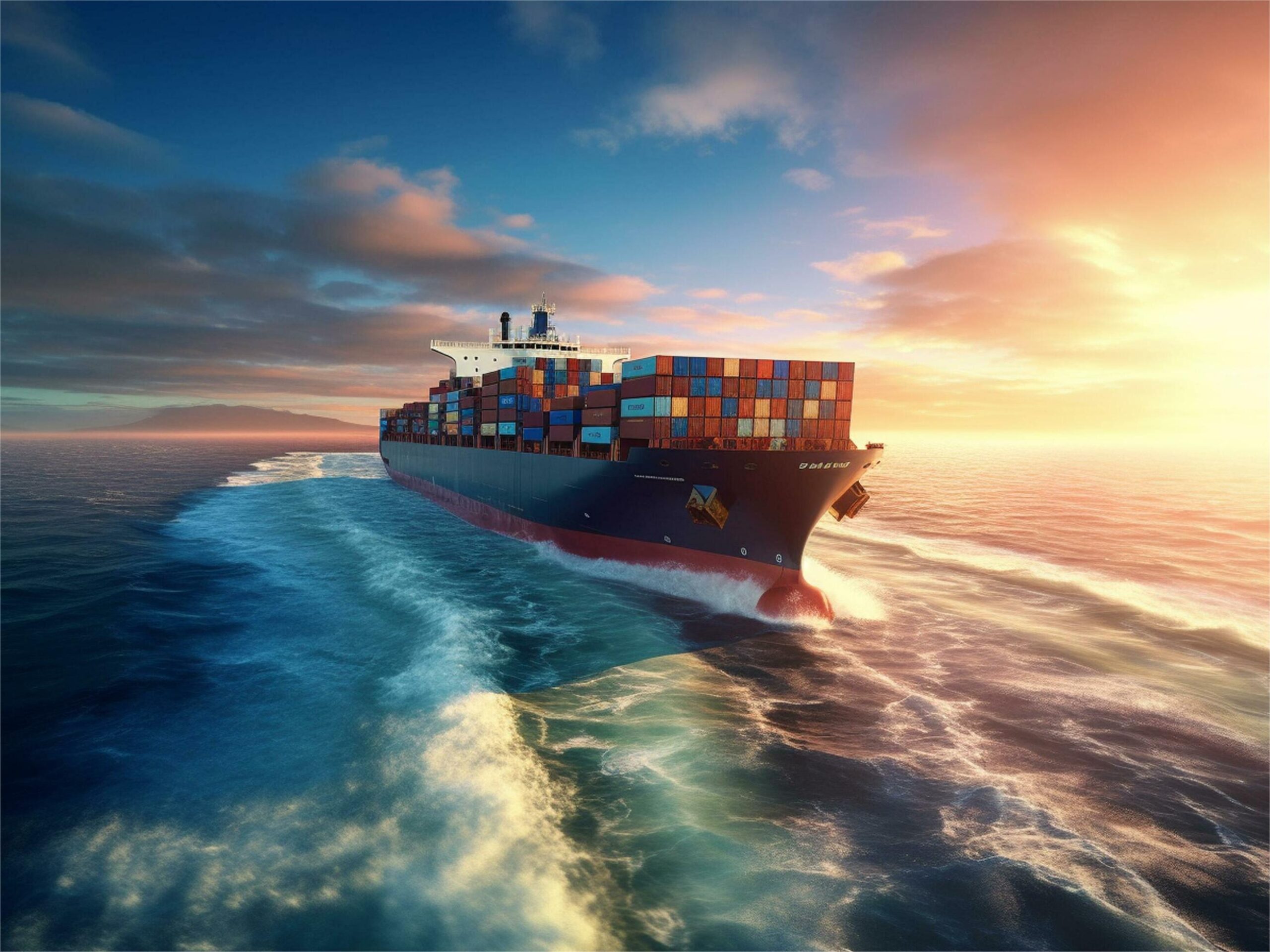
Why Reefer FCL Insurance for Solar Panels from China to California is Essential
Solar panels are highly sensitive to extreme thermal stress and physical vibrations during long-distance transit across the Pacific. Consequently, using temperature-controlled containers helps prevent delamination and micro-cracks in the silicon cells.
Insurance provides a critical safety net against unforeseen maritime perils and cargo theft. Moreover, the high value of solar shipments means that even minor damage can lead to significant financial losses for your business.
Choosing a comprehensive policy ensures that your capital is protected from the moment the goods leave the factory in China. Therefore, understanding the nuances of marine insurance is a prerequisite for successful international trade.
How Does Reefer FCL Compare to Other Shipping Options?
Standard dry containers are the traditional choice for solar logistics due to their lower initial cost. However, Reefer FCL units offer a stable environment that protects the integrity of sensitive electronic components within the panels.
Air freight remains the fastest alternative but carries a prohibitive price tag for bulk solar installations. In contrast, sea-based solutions provide the volume capacity needed for large-scale utility projects.
Hybrid solutions like sea-air combinations can sometimes bridge the gap between speed and cost. Nevertheless, for most California-bound solar cargo, sea freight remains the dominant mode of transport.
| Shipping Method | Cost Range | Transit Time | Best For | Limitations |
|---|---|---|---|---|
| Reefer FCL | $3,500 – $5,000 | 14-22 Days | High-value panels | Higher freight rate |
| Standard FCL | $2,500 – $3,800 | 14-18 Days | Bulk modules | Thermal exposure |
| LCL Shipping | $80 – $150/CBM | 20-25 Days | Small samples | Increased handling |
| Air Freight | $5 – $9/kg | 3-7 Days | Urgent spares | Extremely costly |
Key Risks Covered by Specialized Marine Insurance
Most policies for Reefer FCL insurance for solar panels from China to California cover ‘All Risks’ associated with the voyage. This includes protection against heavy weather, vessel grounding, and general average contributions.
Specific clauses can also be added to cover temperature variations if the reefer unit fails during the journey. Additionally, coverage typically extends to the inland transit portions from the port to the final California job site.
Utilizing sea freight services with integrated insurance simplifies the claims process. This integrated approach ensures that documentation is handled efficiently by experts who understand the solar industry.
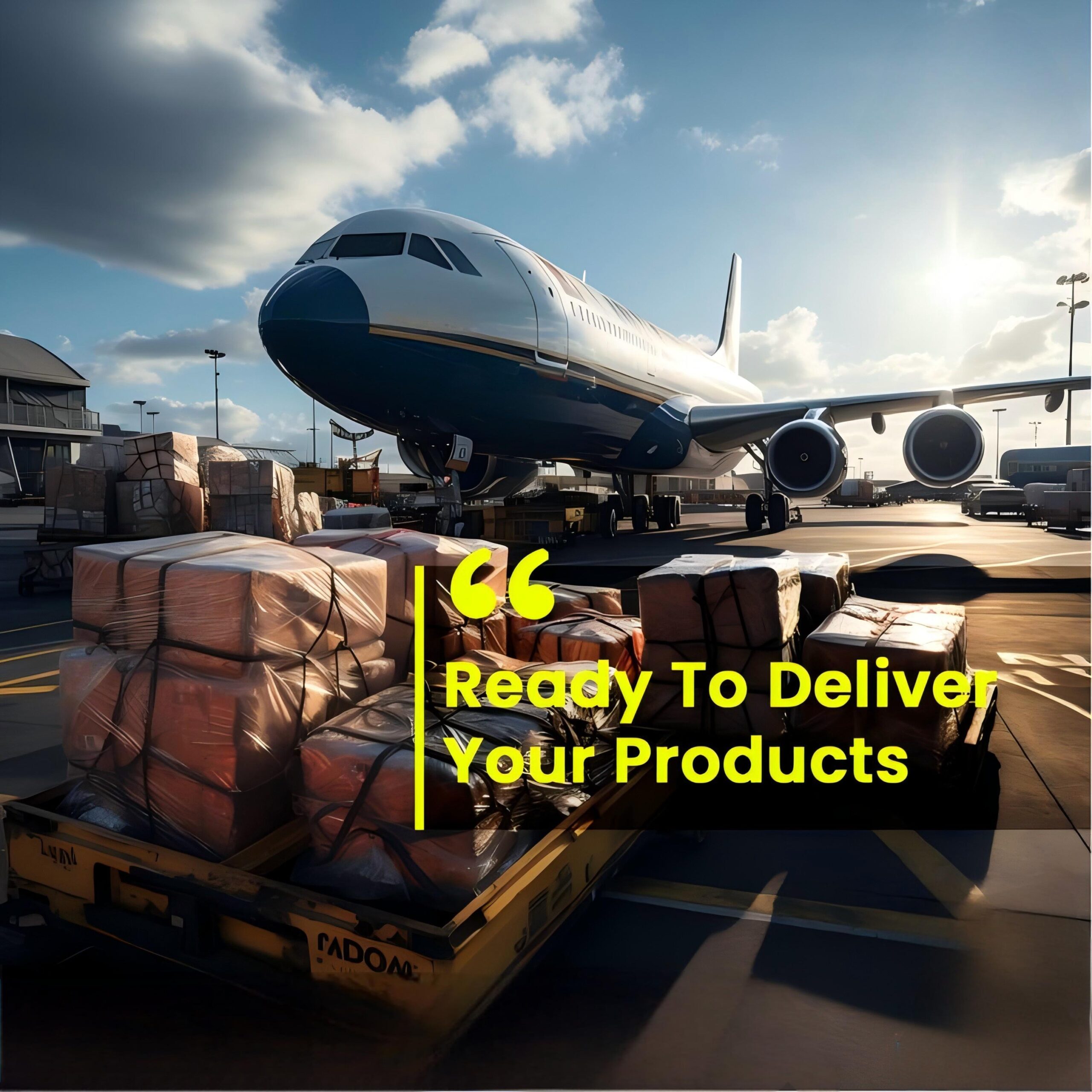
Which Option Should You Choose?
Budget priority: If your primary goal is cost reduction, a standard 40HQ container with basic insurance is the most economical path. This is suitable for standard modules that are less sensitive to heat.
Speed priority: When deadlines are tight, consider air freight for critical components while shipping the bulk of the panels via sea. This keeps the project moving without the massive cost of flying an entire solar farm.
Cargo type considerations: For premium bifacial panels or modules with integrated micro-inverters, Reefer FCL is highly recommended. The added protection justifies the increased freight rates in the long run.
Realistic Case Studies: China to California Solar Shipments
[Case Study 1: Utility-Scale Solar Project] ——————————————————— Route: Shanghai, China to Long Beach, USA Cargo: 550W Solar Modules, 140 CBM, 42000 kg Container: 2 x 40HQ Reefer Shipping Details: – Carrier: Maersk – Port of Loading: Shanghai – Port of Discharge: Long Beach – Route Type: Direct Cost Breakdown: – Ocean Freight: $8,400 – Origin Charges: $650 – Destination Charges: $1,200 – Insurance Premium: $450 – Total Landed Cost: $10,700 Timeline: – Booking to Loading: 5 days – Sea Transit: 16 days – Customs Clearance: 2 days – Total Door-to-Door: 23 days Key Insight: Using Reefer units prevented heat-induced micro-cracking during a record-breaking summer heatwave in the Pacific.
[Case Study 2: Commercial Roof Installation] ——————————————————— Route: Shenzhen, China to Oakland, USA Cargo: Residential Solar Kits, 32 CBM, 9500 kg Container: 1 x 40GP Standard FCL Shipping Details: – Carrier: COSCO – Port of Loading: Yantian – Port of Discharge: Oakland – Route Type: Direct Cost Breakdown: – Ocean Freight: $3,200 – Origin Charges: $400 – Destination Charges: $950 – Insurance Premium: $180 – Total Landed Cost: $4,730 Timeline: – Booking to Loading: 4 days – Sea Transit: 18 days – Customs Clearance: 3 days – Total Door-to-Door: 25 days Key Insight: Standard FCL was sufficient for this shipment as the modules were rated for high-temperature tolerance.
Note: Freight rates are subject to change based on fuel costs, carrier capacity, and seasonal demand. Contact us for a current quote tailored to your specific shipment.
Navigating Customs and Documentation in California
Importing solar panels requires meticulous attention to detail regarding anti-dumping duties and countervailing duties (AD/CVD). Furthermore, you must provide a commercial invoice, packing list, and a bill of lading for every shipment.
Engaging a professional customs brokerage service is essential to avoid costly delays at the Port of Los Angeles or Oakland. They ensure that all tariff classifications are accurate and that you comply with U.S. Customs and Border Protection regulations.
California ports often experience congestion during peak seasons, which can impact your delivery schedule. Consequently, having a broker who can expedite the clearance process is a major competitive advantage.

Streamlining Your Supply Chain with Door to Door Solutions
Managing multiple vendors for trucking, shipping, and customs can be overwhelming for many importers. Instead, choosing door to door service allows you to focus on project management while logistics experts handle the rest.
This comprehensive approach includes the final mile delivery to your warehouse or project site in California. Meanwhile, you receive real-time tracking updates that help you coordinate installation teams and manage inventory effectively.
Shipping from China to North America involves complex logistics trends that change annually. Indeed, staying informed about port conditions and labor negotiations is vital for maintaining a smooth flow of goods.
Securing Your Solar Future
To summarize, obtaining Reefer FCL insurance for solar panels from China to California is a strategic necessity for high-value renewable energy projects. By understanding the risks and choosing the right shipping methods, you can significantly reduce the likelihood of financial loss.
Professional logistics management combined with robust insurance coverage ensures that your modules arrive ready for installation. Therefore, investing in quality shipping services today will pay dividends in project reliability and long-term performance.
Ready to streamline your logistics?
Protect your solar investment today with specialized Reefer FCL insurance for solar panels from China to California. Our team at Top China Freight is ready to provide you with a competitive quote and a secure logistics plan. Visit our website to start your inquiry and ensure your cargo is in safe hands throughout its journey across the Pacific.
Request Quote