


Reefer FCL shipping cost for hardware tools from China to France
Calculating the Reefer FCL shipping cost for hardware tools from China to France requires a deep understanding of market fluctuations and equipment availability. Many importers struggle with rising freight rates and complex logistics requirements when moving temperature-sensitive or moisture-sensitive hardware. At Top China Freight, we provide transparent pricing and reliable shipping solutions to help you manage your supply chain effectively. This guide explores everything you need to know about refrigerated container costs and transit times for your next shipment.

What Factors Influence the Reefer FCL Shipping Cost for Hardware Tools from China to France?
Several variables impact the final price you pay for a refrigerated container. Fuel surcharges and seasonal demand often cause rates to fluctuate significantly throughout the year. Moreover, the specific port of loading in China and the destination port in France play a crucial role in determining the base ocean freight.
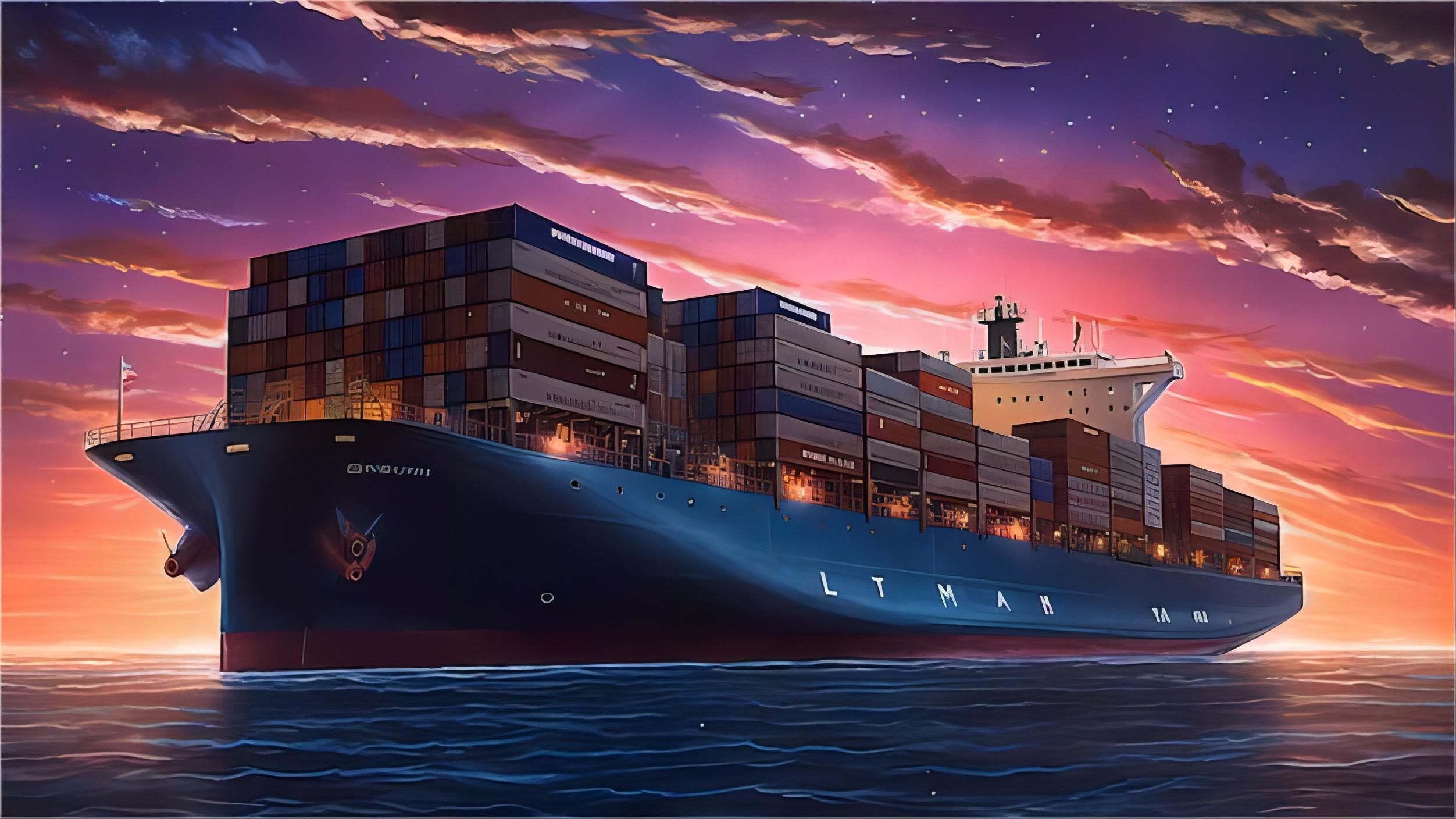
Equipment availability is another critical factor that affects pricing. Reefer containers are specialized units, and shortages can lead to premium pricing during peak seasons. Consequently, booking your shipment early is essential to secure a competitive rate and guaranteed space on a vessel.
Electricity costs at terminals also contribute to the overall expense. Because reefer containers must remain plugged in to maintain specific temperatures or humidity levels, you will encounter additional plug-in fees at both the origin and destination ports. These charges are often overlooked but can add several hundred dollars to your total invoice.
Why Choose Reefer Containers for Hardware Tools?
Hardware tools are often susceptible to corrosion and rust when exposed to high humidity during long sea voyages. Standard dry containers can experience temperature spikes that lead to condensation, also known as container rain. Therefore, using a reefer container allows for precise humidity control and a stable environment.
Precision instruments and high-end power tools benefit most from this controlled atmosphere. Maintaining a consistent temperature prevents the expansion and contraction of delicate metal components. Additionally, this method ensures that your products arrive in retail-ready condition without any signs of oxidation or packaging damage.
Many importers prefer sea freight in reefer units for large-scale shipments. While the cost is higher than a standard dry box, the protection it offers against moisture-related losses is invaluable. Indeed, the investment in specialized equipment often pays for itself by reducing the rate of damaged goods.
How Does Reefer FCL Compare to Other Shipping Options?
Choosing between different transport modes is a vital part of your logistics strategy. While Reefer FCL provides the best protection for large volumes, other methods might be more suitable for smaller batches or urgent deliveries. For example, rail freight offers a middle ground between the speed of air and the economy of sea.
Comparing these options requires looking at both price and speed. Air freight is significantly faster but the costs are often prohibitive for heavy hardware tools. On the other hand, sea freight remains the most cost-effective solution for bulk shipments despite longer transit times.
Hybrid solutions are also becoming popular in the current market. Some businesses use a combination of sea and rail to balance their budget and delivery schedules. Nevertheless, for the highest level of cargo safety, the Reefer FCL shipping cost for hardware tools from China to France is often the most justified expense.
| Shipping Method | Cost Range (USD) | Transit Time | Best For |
|---|---|---|---|
| Reefer FCL (40HQ) | $4,500 – $6,500 | 30-40 Days | Bulk hardware with moisture sensitivity |
| Dry FCL (40HQ) | $3,000 – $4,200 | 30-40 Days | Standard tools and non-sensitive items |
| Rail Freight | $5,500 – $7,500 | 18-22 Days | Mid-range volume with tighter deadlines |
| Air Freight | $15,000+ | 5-8 Days | Urgent samples or high-value instruments |
Understanding the Transit Time for China to France Routes
Shipping from major Chinese hubs like Shanghai or Ningbo to French ports like Le Havre or Marseille typically takes about five weeks. This timeline includes the ocean transit, port handling, and initial loading procedures. Furthermore, weather conditions and transshipment delays can occasionally extend this period.
Direct routes are generally more expensive but offer faster and more predictable schedules. If you choose a transshipment service via Singapore or Algeciras, you might save money but add a week to the total journey. Consequently, you must weigh the importance of speed against your available budget.
Using rail freight can significantly reduce this time if your cargo is located in inland China. The China-Europe Railway Express connects cities like Xi’an to European hubs in roughly 20 days. However, reefer equipment on rail lines is less common and may require specialized booking.
Real Case Studies: Shipping Hardware Tools to France
Case Study 1: Shanghai to Le Havre. A hardware distributor shipped a 40HQ reefer container filled with precision hand tools. By maintaining a constant 15 degrees Celsius and low humidity, they eliminated rust issues that plagued previous dry shipments. The total landed cost was $5,800, and the cargo arrived in 34 days.
Case Study 2: Shenzhen to Marseille. An e-commerce seller utilized door to door services for a shipment of power tool sets. The logistics provider managed everything from factory pickup to final delivery in Lyon. Despite a minor delay at the Suez Canal, the shipment was successful with a total cost of $6,200.
Case Study 3: Ningbo to Fos-sur-Mer. This involved a large batch of industrial drill bits. The importer chose a direct sea route to minimize handling risks. As a result, they achieved a competitive Reefer FCL shipping cost for hardware tools from China to France while ensuring 100% product integrity upon arrival.
Which Option Should You Choose? A Decision Framework
If your primary goal is budget optimization, standard dry FCL remains the cheapest option. However, you must consider the potential cost of damaged goods if moisture levels rise. For high-value hardware, the Reefer FCL shipping cost for hardware tools from China to France is a necessary insurance policy.
Speed priority dictates a different approach entirely. If you are running low on stock, air freight is the only way to replenish inventory within a week. For most regular supply chain needs, sea freight provides the necessary balance of volume and cost-efficiency.
Cargo volume also determines the best method. Once your shipment exceeds 15 cubic meters, a full container becomes more economical than LCL. Additionally, FCL shipments generally face fewer delays during the customs clearance process because the container does not need to be deconsolidated.
Customs Documentation and Import Requirements in France
Importing goods into the European Union requires strict adherence to documentation standards. You must provide a commercial invoice, a detailed packing list, and a Bill of Lading. Furthermore, hardware tools may require specific CE certification to prove they meet European safety standards.
Working with a professional customs brokerage is highly recommended to avoid costly delays. They can help you classify your products under the correct HS codes, which determines the duty rates you will pay. In France, the standard VAT rate also applies to the total value of the imported goods.
Note: Freight rates are subject to change based on fuel costs, carrier capacity, and seasonal demand. Contact us for a current quote tailored to your specific shipment. Market data suggests that rates for 2025 are stabilizing, but geopolitical factors can still cause sudden shifts in the shipping to Europe market.
Final Thoughts on Shipping Hardware Tools via Reefer FCL
Navigating the complexities of international logistics requires a strategic approach to cost and equipment selection. The Reefer FCL shipping cost for hardware tools from China to France is influenced by various factors, but it remains the gold standard for protecting sensitive cargo. By choosing the right transport mode and planning for customs requirements, you can ensure a smooth import process.
To summarize, while reefer containers involve higher upfront costs, they offer unmatched protection against environmental damage. This leads to higher customer satisfaction and lower loss rates for your business. Always stay informed about market trends and work with reliable partners to maintain a competitive edge in the hardware industry.
Ready to streamline your logistics?
Ready to optimize your supply chain? Get an accurate Reefer FCL shipping cost for hardware tools from China to France today. Contact our expert team at Top China Freight for a personalized quote and professional logistics support. Send Inquiry: https://Top China Freight.com/
Request Quote