
Reefer FCL Space Availability for Hardware Tools from China to Belgium
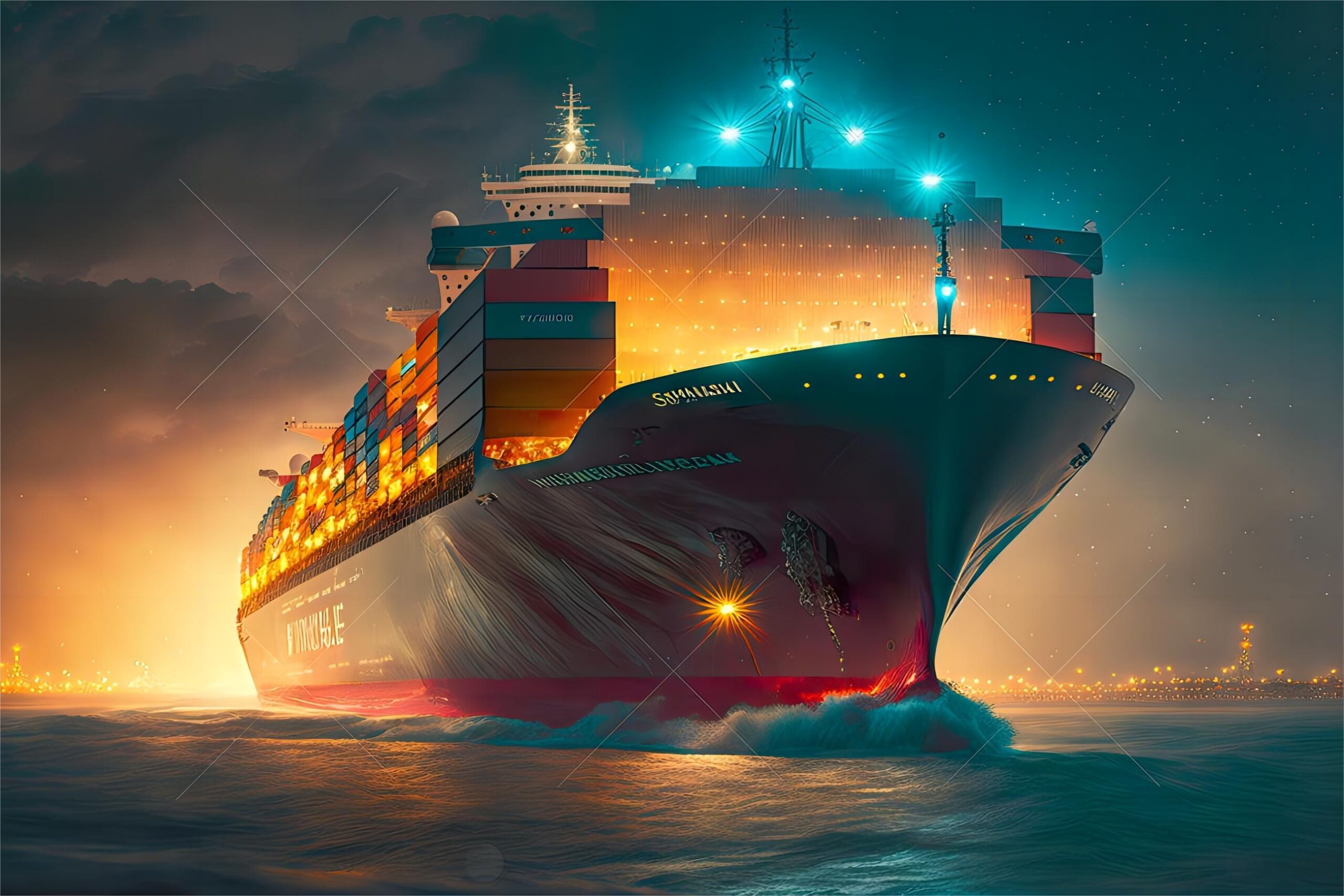
Finding reliable Reefer FCL space availability for hardware tools from China to Belgium is essential for maintaining the integrity of sensitive equipment. Top China Freight offers comprehensive logistics solutions designed to navigate the complexities of temperature-controlled shipping routes. Consequently, importers can ensure their high-precision tools remain free from moisture damage and thermal fluctuations during the long maritime journey.
Understanding Reefer FCL Space Availability for Hardware Tools from China to Belgium
Securing consistent Reefer FCL space availability for hardware tools from China to Belgium often depends on seasonal demand and carrier capacity. Moreover, the hardware industry increasingly relies on temperature-controlled environments to prevent oxidation on high-carbon steel components. Therefore, booking your container at least three to four weeks in advance is highly recommended during peak periods.
Furthermore, major ports like Shanghai, Ningbo, and Shenzhen serve as primary hubs for these specialized shipments. Indeed, the availability of 20-foot and 40-foot reefer units fluctuates based on global equipment imbalances. Consequently, working with an experienced freight forwarder helps mitigate the risk of rolled cargo or equipment shortages.
Additionally, the maritime supply chain has seen significant shifts in logistics trends over the past year. Nevertheless, the China-Belgium route remains a vital corridor for European hardware distributors seeking quality manufacturing. To maintain a steady delivery schedule, businesses must monitor port congestion levels at both origin and destination.
Meanwhile, many importers are exploring sea freight as their primary mode of transport due to its cost-effectiveness for large volumes. Although transit times are longer than air, the stability of a reefer container provides unmatched protection for delicate hardware finishes.
Why Hardware Tools Require Temperature-Controlled Shipping
Precision hardware tools often feature sensitive electronic components or specialized coatings that react poorly to extreme humidity. For instance, high-end power tools can experience battery degradation if exposed to excessive heat during the voyage. Accordingly, reefer containers provide a stable micro-climate that offsets the volatile conditions found on the open sea.
Moreover, moisture is the primary enemy of metal goods during long-distance ocean transport. Without a doubt, the condensation that occurs when crossing different climate zones can lead to rust and corrosion. Therefore, utilizing reefer FCL space ensures that the interior environment remains dry and cool throughout the transit.
Specifically, items like digital calipers, laser levels, and advanced CNC bits require strict climate control to maintain calibration. In addition, the packaging of these tools often consists of cardboard or wood, which can mold in high-humidity environments. Consequently, investing in reefer services protects both the product and its retail presentation.
How Does Reefer FCL Compare to Other Shipping Options?
Choosing the right transport method involves balancing budget constraints with the urgency of your inventory needs. While Reefer FCL offers the best protection for large volumes, other alternatives exist depending on your specific cargo size. For example, smaller shipments might benefit from different logistics strategies.
Furthermore, we must analyze the trade-offs between speed and expense when shipping from China to Europe. In contrast to sea freight, air transport offers rapid delivery but comes at a significantly higher price point. Meanwhile, rail options provide a middle ground for those seeking faster transit than ocean freight without the extreme cost of air.
| Shipping Method | Cost Range | Transit Time | Best For |
|---|---|---|---|
| Reefer FCL (Sea) | $3,500 – $6,000 | 30-40 Days | Bulk sensitive tools |
| Reefer Rail | $6,000 – $9,500 | 18-24 Days | Mid-size urgent stock |
| Air Freight | $15,000+ | 5-8 Days | High-value prototypes |
| LCL (Non-Reefer) | $150 – $300/CBM | 35-45 Days | Small non-sensitive items |
Which Option Should You Choose for Your Hardware Cargo?
Budget priority dictates that sea freight remains the most viable solution for the majority of hardware importers. If your primary goal is cost reduction, booking a standard 40HQ reefer container during the off-peak season is the best strategy. On the other hand, if you are facing a stockout, air freight might be necessary despite the lower margins.
Speed priority becomes the deciding factor when product launches or seasonal promotions are at stake. As a result, rail freight has become an increasingly popular alternative for shipments heading to the heart of Europe. Nevertheless, reefer rail space is often more limited than ocean space, requiring even earlier bookings.
Cargo type considerations also play a massive role in the decision-making process. For instance, heavy hand tools without electronic parts may not require a reefer container at all. However, for precision instruments, the added cost of a reefer is a small price to pay for guaranteed product quality upon arrival.

Transit Times and Delivery Schedule for China to Belgium Routes
Shipping from major Chinese ports to Antwerp or Zeebrugge typically involves a transit time of 30 to 38 days. Specifically, direct sailings from Shanghai are often the fastest, while vessels stopping at multiple South Asian ports may take longer. Consequently, importers should factor in an additional 7 to 10 days for inland haulage and customs processing.
Moreover, the delivery schedule can be affected by weather conditions in the Indian Ocean or congestion at the Suez Canal. Indeed, recent global events have shown how quickly maritime timelines can shift. Therefore, maintaining a buffer in your supply chain planning is essential for avoiding production delays.
Additionally, shipping from China to Europe requires coordination between multiple stakeholders. This includes the port authorities at origin and the terminal operators in Belgium. By choosing a carrier with a reliable track record, you can minimize the risk of unexpected dwell times at the docks.
Navigating Customs Brokerage and Import Requirements in Belgium
Importing hardware tools into the European Union requires strict adherence to technical standards and documentation. For example, CE marking is mandatory for many power tools and electronic measuring devices. Furthermore, failing to provide the correct paperwork can lead to expensive storage fees at the Port of Antwerp.
Utilizing a professional customs brokerage service is the most effective way to ensure compliance with Belgian regulations. They handle the submission of the Single Administrative Document (SAD) and ensure that the correct HS codes are applied to your hardware. Consequently, this reduces the likelihood of audits or shipment seizures by customs officials.
Additionally, you must be aware of the Value Added Tax (VAT) and import duties applicable to hardware tools. Typically, duties range from 0% to 5% depending on the specific tool category. To summarize, early preparation of the commercial invoice, packing list, and bill of lading is critical for a smooth clearance process.
| Document Type | Required For | Purpose | Issuer |
|---|---|---|---|
| Bill of Lading | All Shipments | Title of goods | Carrier |
| Commercial Invoice | Customs Clearance | Value declaration | Exporter |
| Certificate of Origin | Duty Calculation | Preferential rates | Chamber of Commerce |
| Packing List | Cargo Handling | Inventory check | Exporter |
Cost Factors Influencing Reefer FCL Freight Rates
Freight rates for reefer containers are generally 20% to 40% higher than standard dry containers due to energy consumption and specialized maintenance. In addition, fuel surcharges, known as Bunker Adjustment Factors (BAF), can fluctuate monthly based on global oil prices. Accordingly, businesses should request all-in quotes to avoid hidden surcharges at the destination.
Moreover, seasonal peaks such as the weeks leading up to Chinese New Year often see a dramatic spike in pricing. During these times, Reefer FCL space availability for hardware tools from China to Belgium becomes extremely tight. Therefore, establishing a long-term contract with a logistics provider can offer more price stability.
Specifically, terminal handling charges (THC) at both Chinese and Belgian ports must be factored into your landed cost. While these fees are relatively static, they can vary between different terminal operators. As a result, calculating the total cost of ownership for your inventory requires a detailed breakdown of every logistics step.
| Route | 20GP Reefer Rate | 40HQ Reefer Rate | Est. Transit |
|---|---|---|---|
| Shanghai to Antwerp | $2,800 – $3,600 | $4,800 – $6,200 | 34 Days |
| Ningbo to Zeebrugge | $2,750 – $3,550 | $4,700 – $6,100 | 33 Days |
| Shenzhen to Antwerp | $2,600 – $3,400 | $4,500 – $5,900 | 31 Days |
| Qingdao to Antwerp | $2,900 – $3,800 | $4,900 – $6,400 | 38 Days |
Real-World Case Studies: China to Belgium Hardware Logistics
Case Study 1: Precision Measuring Tools from Ningbo to Antwerp. A Belgian distributor required 40HQ reefer space for high-end digital levels. The cargo was shipped via a major carrier with a total door-to-door time of 42 days. Specifically, the ocean freight cost was $5,100, and the use of temperature control prevented moisture damage to the internal sensors.
Case Study 2: Professional Power Tool Batteries from Shenzhen to Zeebrugge. This shipment involved a 20GP reefer container to maintain a constant 20 degrees Celsius. Consequently, the lithium batteries remained stable throughout the 34-day voyage. The total landed cost, including customs and door to door delivery, was approximately $6,800.
Note: Freight rates are subject to change based on fuel costs, carrier capacity, and seasonal demand. Contact us for a current quote tailored to your specific shipment.
Optimizing Your Hardware Supply Chain
Summarizing the logistics landscape, securing Reefer FCL space availability for hardware tools from China to Belgium is a strategic move for quality-conscious businesses. By understanding the nuances of temperature control and maritime schedules, you can significantly reduce the risk of product damage. Moreover, leveraging expert customs brokerage and choosing the right shipping mode will streamline your operations and protect your bottom line.
Indeed, the combination of proactive planning and reliable partnerships is the key to success in international trade. As market trends evolve, staying informed about freight rates and capacity shifts will allow you to maintain a competitive edge. Therefore, prioritize your cargo’s safety by choosing specialized reefer solutions for all your sensitive hardware needs.
Ready to streamline your logistics?
Are you looking to secure Reefer FCL space availability for hardware tools from China to Belgium? Contact our expert logistics team today to receive a customized quote and ensure your precision cargo is handled with the highest care. Visit our inquiry page to start your shipment.
Request Quote