

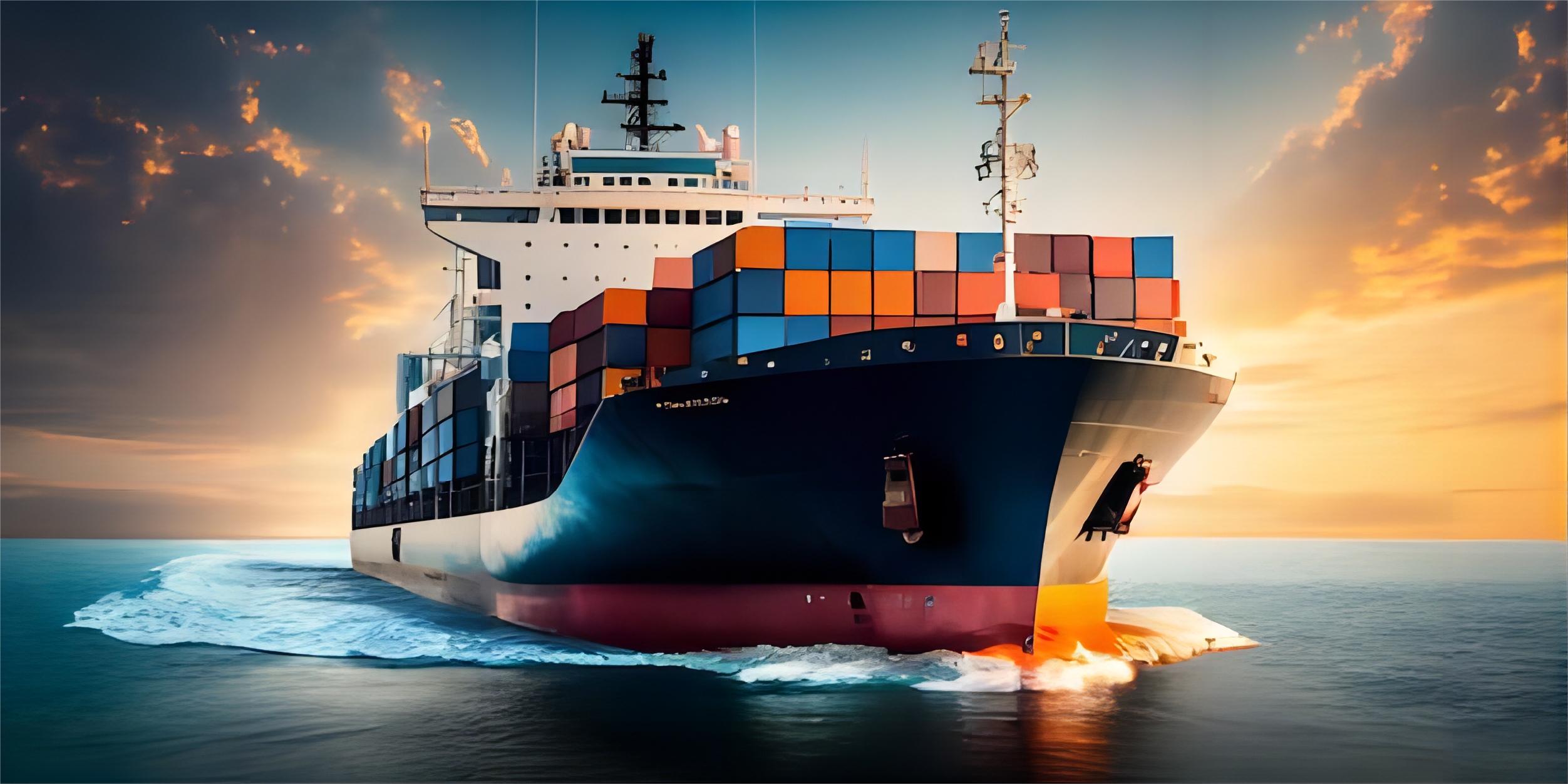
Reefer FCL space availability for textiles from China to Denmark: 2025 Guide
Securing consistent Reefer FCL space availability for textiles from China to Denmark is a top priority for European fashion importers. At Top China Freight, we understand that maintaining fabric integrity requires precise environmental control during the long ocean transit. This guide explores current market trends, capacity challenges, and strategic solutions for your textile supply chain.
Why is Reefer FCL space availability for textiles from China to Denmark so critical?
High-end textiles and organic fabrics often require specialized transport to prevent moisture damage and mold growth. Standard dry containers can reach extreme temperatures during the 35-day journey through tropical waters. Consequently, many premium brands now prioritize refrigerated units to maintain a stable environment.
Furthermore, the global shift toward sustainable and organic apparel has increased the demand for climate-controlled shipping. These sensitive fibers react poorly to the humidity fluctuations common in traditional sea freight operations. Specifically, reefer units provide the dehumidification needed to keep fabrics pristine from Shanghai to Aarhus.
Moreover, market volatility often impacts the supply of specialized equipment. Importers must navigate seasonal peaks where container repositioning becomes a major bottleneck. Therefore, understanding the current equipment flow is essential for maintaining a reliable delivery schedule.
How Does Reefer FCL Compare to Other Shipping Options?
Choosing the right shipping method requires a careful balance between cost, speed, and cargo safety. While dry containers are cheaper, they offer zero protection against the ‘container rain’ phenomenon caused by temperature shifts. In contrast, air freight provides speed but carries a massive price tag for heavy textile rolls.
Additionally, rail freight is an alternative for those seeking a middle ground in transit time. However, rail routes often lack the consistent reefer infrastructure found in maritime shipping. We recommend reefer ocean containers for large-scale textile imports that require both protection and cost-efficiency.
| Shipping Method | Cost Range | Transit Time | Best For |
|---|---|---|---|
| Reefer FCL | $3,500 – $5,200 | 32-40 Days | Sensitive/Luxury Fabrics |
| Dry FCL | $2,200 – $3,800 | 30-38 Days | Basic Synthetic Textiles |
| Air Freight | $12,000 – $18,000 | 5-8 Days | Urgent Fashion Samples |
| Rail Freight | $4,500 – $6,500 | 18-22 Days | Time-Sensitive Bulk |
What factors influence Reefer FCL space availability for textiles from China to Denmark?
Global equipment imbalances frequently dictate how easily you can book a refrigerated container. Most reefers are used for food products, meaning textile shippers must compete with the seasonal fruit and meat trades. Consequently, during the peak export seasons for perishables, space for non-food items becomes extremely tight.
Specifically, the capacity on direct routes to Northern Europe is currently influenced by Red Sea disruptions and longer sailing distances. Carriers are prioritizing high-yield cargo, which makes early booking essential for textile importers. Professional customs brokerage services also note that documentation for reefer units must be perfect to avoid port delays.
Moreover, the port of Aarhus and Copenhagen have specific handling capacities for refrigerated units. If the destination port is congested, carriers may limit the number of reefer bookings they accept. Accordingly, shippers should monitor port performance data before finalizing their logistics strategy.
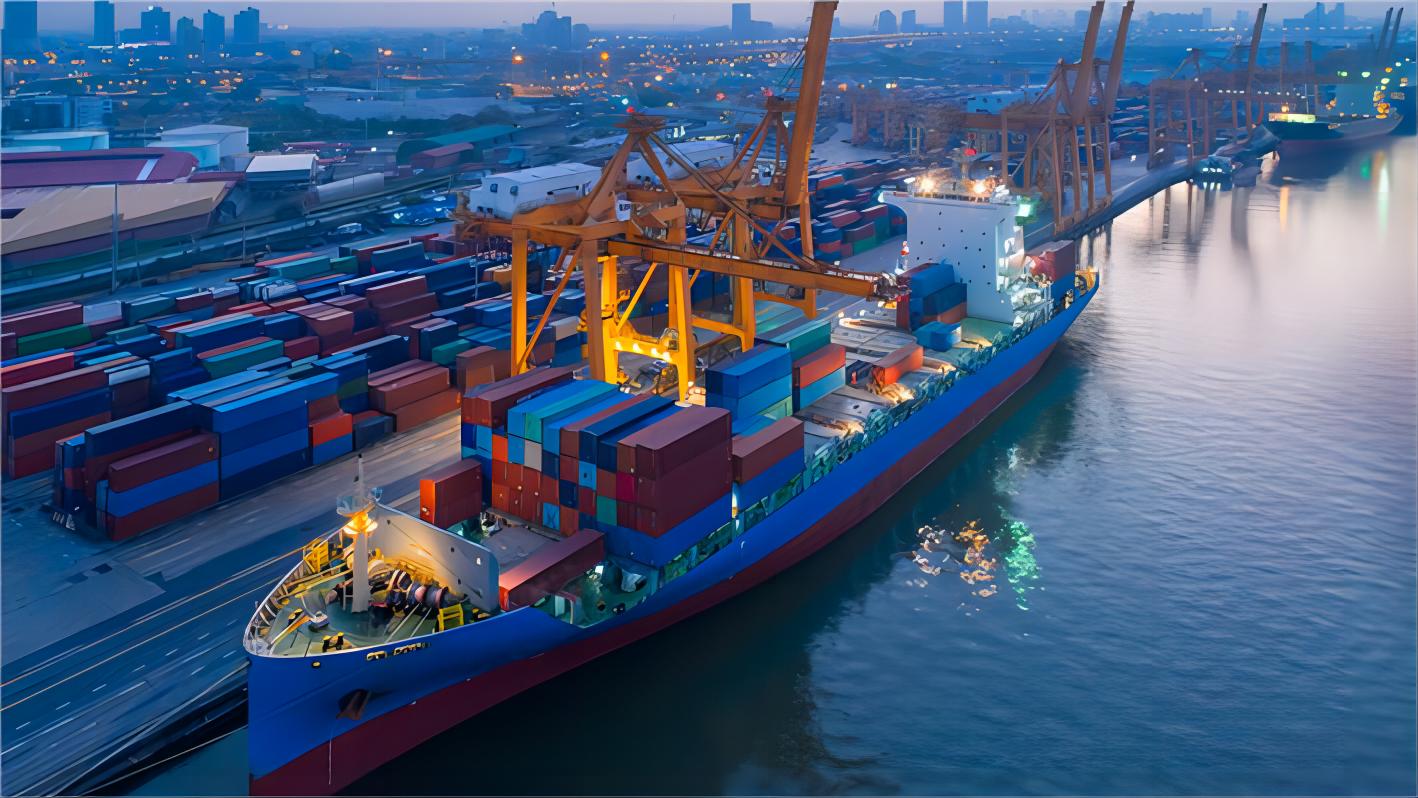
Estimated Transit Times from Major China Ports to Denmark
Transit times vary significantly depending on whether the vessel takes a direct route or transships through hubs like Singapore. Most direct services from East China to Denmark take approximately five to six weeks. However, weather conditions and port productivity can add several days to the total duration.
Notably, booking from Shenzhen or Guangzhou might offer more frequent sailings but slightly longer transit times compared to Shanghai. We suggest planning for a 45-day window to include buffer time for inland transport and local handling. This ensures your supply chain remains resilient against unexpected maritime delays.
| Port of Loading | Destination Port | Service Type | Avg. Transit |
|---|---|---|---|
| Shanghai | Aarhus | Direct | 34 Days |
| Ningbo | Copenhagen | Transshipment | 38 Days |
| Shenzhen | Aarhus | Direct | 32 Days |
| Qingdao | Copenhagen | Transshipment | 42 Days |
Case Study 1: Premium Silk Shipment to Copenhagen
Route: Hangzhou via Ningbo to Copenhagen, Denmark. Cargo: 100% Mulberry Silk rolls, 22 CBM, 4,500 kg. Container: 20ft Reefer FCL set at 18 degrees Celsius with 40% humidity control.
Shipping Details: The cargo was moved via a major carrier with a transshipment in Rotterdam. Ocean Freight: $3,850. Origin Charges: $450. Destination Charges: $600. Customs and Duties: $1,200. Total Landed Cost: $6,100.
Timeline: Booking to Loading took 5 days. Sea Transit lasted 36 days. Customs Clearance took 2 days. Total Door-to-Door time was 43 days. Key Insight: Using a reefer prevented silk yellowing and moisture spots which are common in dry containers during summer months.
Case Study 2: Organic Cotton Garments to Aarhus
Route: Qingdao to Aarhus, Denmark. Cargo: Organic cotton hoodies and tees, 55 CBM, 12,000 kg. Container: 40HQ Reefer FCL. Shipping Details: Direct service to avoid handling risks.
Cost Breakdown: Ocean Freight: $5,100. Origin Charges: $550. Destination Charges: $750. Total Landed Cost: $6,400 (excluding duties). Timeline: Total Door-to-Door: 39 days.
Key Insight: Based on early 2025 market rates, securing the 40HQ reefer three weeks in advance saved the client 15% compared to last-minute booking. This proactive approach ensured space during the pre-CNY rush.
Which Shipping Option Should You Choose for Your Textiles?
Budget priority dictates the use of standard dry containers, but this is only suitable for low-value synthetic fibers. If your cargo exceeds a value of $50,000 per container, the insurance and quality benefits of Reefer FCL outweigh the additional freight cost. Consequently, most high-street brands are shifting toward climate-controlled logistics.
Speed priority favors air freight, yet the environmental impact and cost are often prohibitive for bulk textile orders. For businesses targeting sustainability, door to door reefer services offer the best balance of carbon footprint and product protection. Specifically, choose reefer if your fabrics are prone to mildew or color bleeding in humid conditions.
Volume thresholds also play a role in your decision. For shipments under 15 CBM, you might consider LCL, but refrigerated LCL is rare and expensive. Therefore, consolidating your orders into a full 20ft reefer container is usually the most economical strategy for specialized textile transport.
Strategies to Secure Space During Peak Seasons
Planning ahead is the most effective way to guarantee Reefer FCL space availability for textiles from China to Denmark. We recommend placing your booking at least 21 days before the estimated time of departure. This lead time allows freight forwarders to source equipment from inland depots if port stocks are low.
Additionally, consider utilizing multiple ports of loading to increase your options. If Shanghai is congested, Ningbo or Qingdao might have better equipment availability. Working with an experienced partner who understands the shipping from China to Europe corridor can provide access to ‘hidden’ capacity.
Finally, ensure your cargo is ready for immediate loading once the container arrives. Carriers prioritize shippers with high reliability and fast turnaround times. By maintaining a clean shipping record, you become a preferred customer during periods of limited space.
Summary of Textile Shipping Success
Navigating Reefer FCL space availability for textiles from China to Denmark requires a combination of early planning, market intelligence, and the right logistics partner. While the costs are higher than standard dry freight, the protection offered to sensitive fabrics is invaluable for maintaining brand reputation.
Ultimately, as global supply chains become more complex, the demand for specialized refrigerated transport will continue to grow. By following the strategies outlined in this guide, you can ensure your textile shipments arrive in Denmark in perfect condition, regardless of the season.

Ready to streamline your logistics?
Ready to optimize your textile supply chain with reliable Reefer FCL space availability for textiles from China to Denmark? Contact our expert team today for a customized quote and secure your equipment for the upcoming season. Visit our website to Send Inquiry and get a response within 24 hours.
Request Quote