

Reefer FCL transit time for auto parts from China to Denmark
Managing a global supply chain requires precision, especially when calculating the Reefer FCL transit time for auto parts from China to Denmark. Businesses must balance speed and cost to maintain inventory levels in the competitive European automotive market. By partnering with a reliable logistics provider like Top China Freight, you can streamline your operations and ensure your temperature-sensitive components arrive in perfect condition. This guide explores every factor affecting your delivery schedule and provides actionable insights for your next shipment.
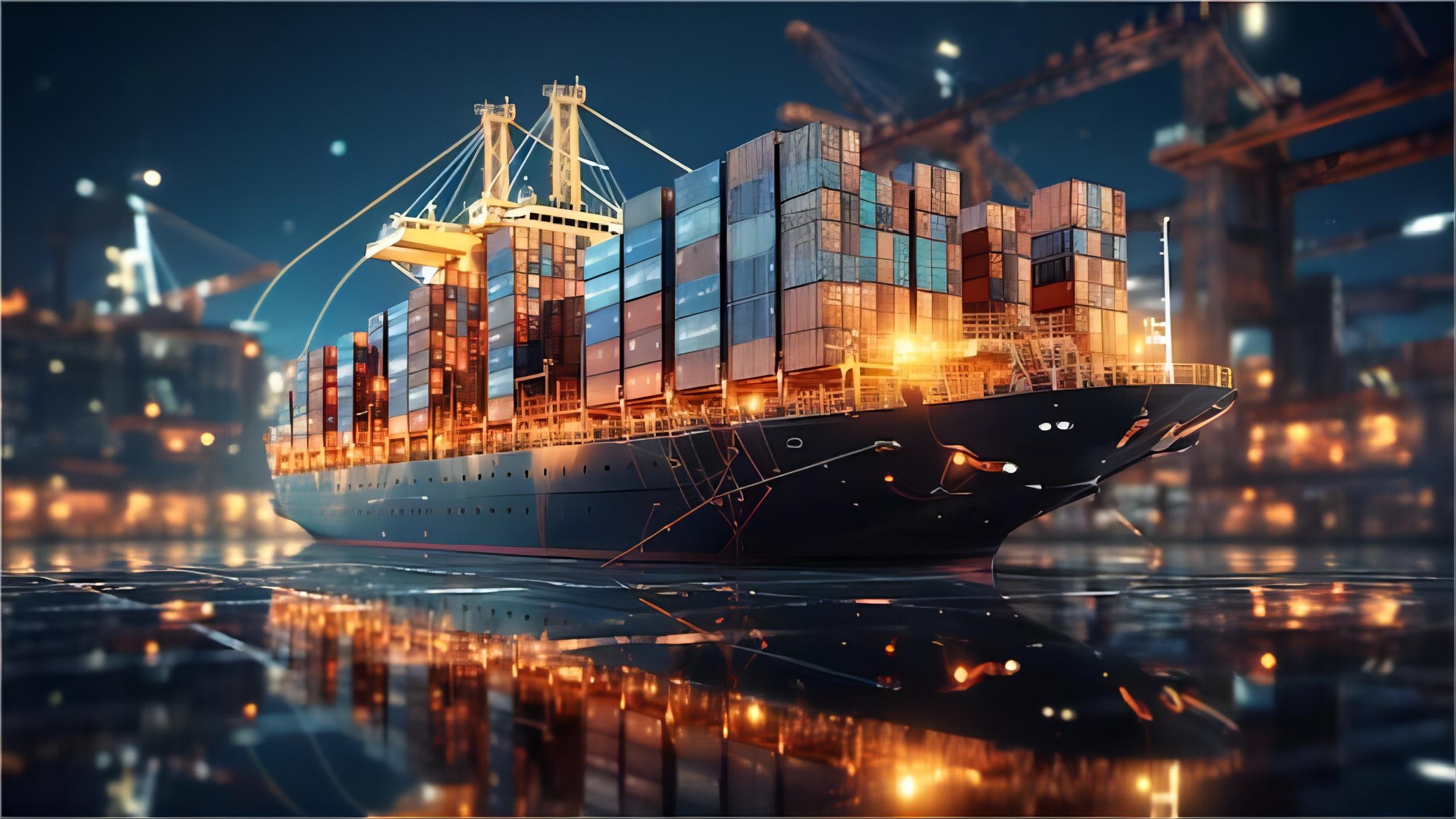
Understanding Reefer FCL transit time for auto parts from China to Denmark
Shipping automotive components requires a deep understanding of maritime logistics and specific equipment needs. Specifically, the Reefer FCL transit time for auto parts from China to Denmark typically ranges from 32 to 45 days. This duration depends heavily on the port of origin and the specific carrier service chosen for the route.
Temperature-controlled containers, or reefers, are essential for sensitive electronic auto parts that might degrade in extreme heat. Consequently, these containers require specialized handling at both the loading and discharge ports. Carriers prioritize these units to ensure they remain connected to power sources throughout the journey.
Moreover, the route from China to Northern Europe involves traversing major maritime corridors like the Suez Canal. Any congestion in these areas can lead to significant variations in the delivery schedule. Therefore, shippers must account for potential delays when planning their production cycles.
Why Temperature-Controlled Shipping Matters for Automotive Components
Modern vehicles rely on sophisticated electronic control units and sensors that are sensitive to environmental fluctuations. For instance, high humidity and temperature spikes during sea transit can cause corrosion or circuit failure. Utilizing a reefer container provides a stable environment that protects these high-value assets.
Additionally, certain adhesives and chemical components used in car manufacturing have strict storage requirements. If these materials exceed specific temperature thresholds, they may lose their structural integrity. As a result, using sea freight with reefer technology is the most cost-effective way to ensure quality for bulk shipments.
Furthermore, Danish import regulations often require proof of proper cargo handling for safety-critical parts. Maintaining a consistent temperature log during the Reefer FCL transit time for auto parts from China to Denmark helps in passing these inspections. This proactive approach reduces the risk of cargo rejection at the border.
How Does Reefer FCL Compare to Other Shipping Options?
Choosing the right shipping method involves a trade-off between speed, cost, and cargo safety. While Reefer FCL is excellent for large volumes of sensitive parts, other methods might suit smaller or more urgent batches. For example, air freight offers the fastest delivery but at a significantly higher price point.
On the other hand, rail freight serves as a middle ground for shipments to Europe. It is faster than sea freight and more affordable than air transport. However, reefer availability on rail lines is often more limited than on container ships.
Specifically, for door-to-door solutions, integrating different modes of transport can optimize the supply chain. A door to door service manages the entire process from the factory in China to the warehouse in Denmark. This minimizes the administrative burden on the importer.
| Shipping Method | Cost Range | Transit Time | Best For |
|---|---|---|---|
| Reefer FCL (Sea) | $3,500 – $5,500 | 32-45 Days | Bulk sensitive parts |
| Air Freight | $12,000 – $20,000 | 5-8 Days | Urgent components |
| Rail Freight | $6,000 – $9,000 | 18-24 Days | Mid-size shipments |
| LCL (Sea) | $150 – $300/CBM | 35-50 Days | Small non-reefer batches |
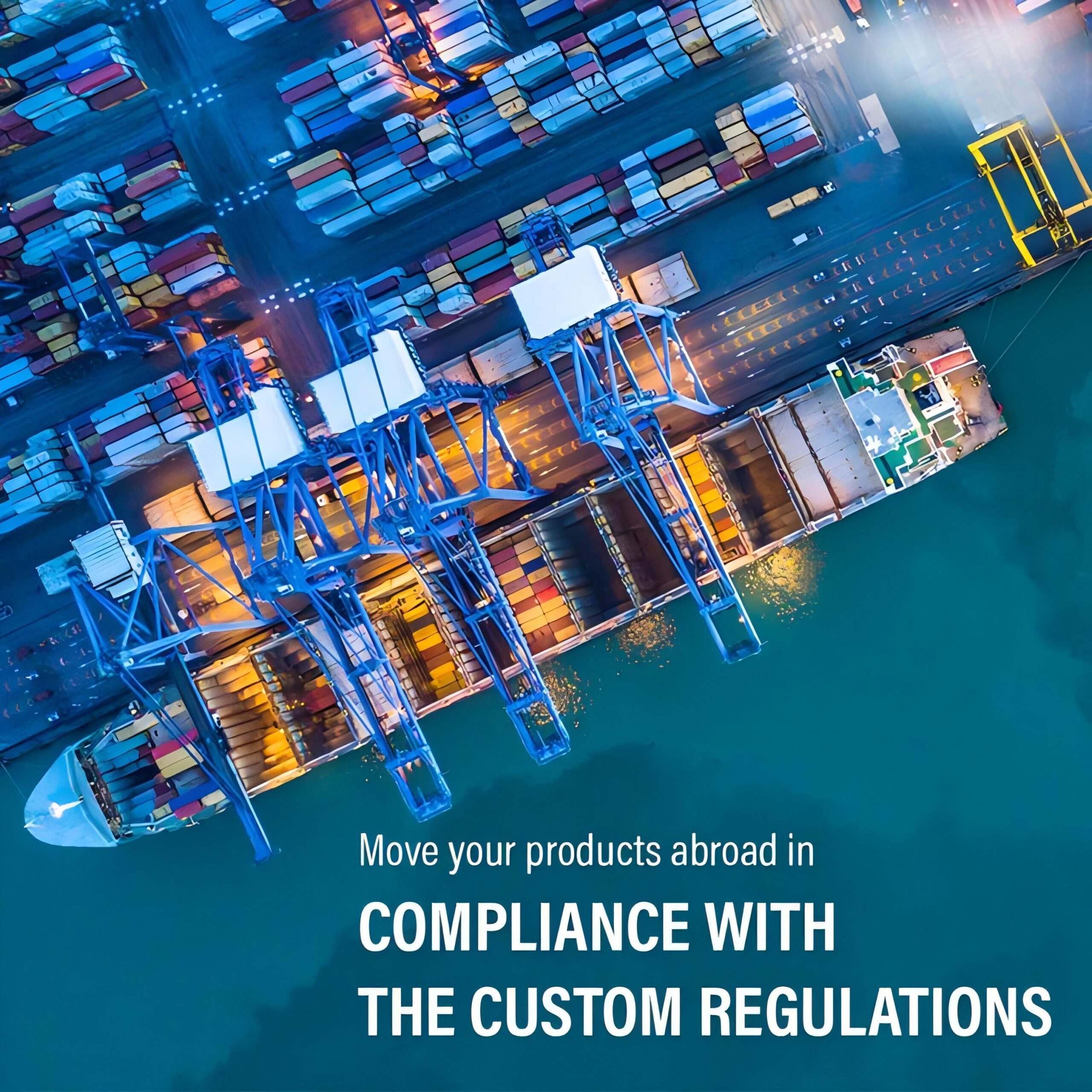
Major Port Routes and Delivery Schedules
The port of loading in China significantly influences the total Reefer FCL transit time for auto parts from China to Denmark. For example, departures from Shanghai or Ningbo usually offer more frequent sailings compared to inland river ports. These major hubs have the infrastructure to handle large volumes of reefer equipment efficiently.
In Denmark, the primary destination is often the Port of Aarhus or Copenhagen. Most carriers utilize transshipment hubs like Hamburg or Rotterdam before the final leg to Denmark. Consequently, the efficiency of these European hubs plays a critical role in the final delivery date.
Market data suggests that direct services are rare for this specific route. Instead, most shipments involve a feeder vessel for the final connection to Danish ports. This transshipment process usually adds about 3 to 5 days to the total ocean transit time.
| Origin Port | Destination Port | Average Transit | Frequency |
|---|---|---|---|
| Shanghai | Aarhus | 34 Days | Daily |
| Shenzhen | Copenhagen | 32 Days | 3x Weekly |
| Ningbo | Aarhus | 36 Days | Weekly |
| Qingdao | Copenhagen | 40 Days | Weekly |
Detailed Cost Breakdown for China to Denmark Logistics
Understanding the total landed cost is vital for maintaining healthy profit margins in the automotive industry. Beyond the base ocean freight, shippers must account for bunker adjustment factors and currency fluctuations. Specifically, reefer containers incur additional costs due to the electricity consumption required to maintain temperature.
Origin charges in China include terminal handling, export documentation, and trucking from the factory. Meanwhile, destination charges in Denmark involve port fees, customs clearance, and final delivery to the warehouse. These costs can vary based on the complexity of the customs entry for automotive parts.
As of early 2025, freight rates for a 40HQ reefer container from China to Denmark range between $4,000 and $6,000. These rates are subject to seasonal demand, with prices typically rising before the Chinese New Year and during the Q4 peak season. Therefore, early booking is recommended to secure capacity.
Which Option Should You Choose? Decision Framework
Deciding on the best shipping strategy requires evaluating your specific business needs and cargo requirements. If your priority is cost-efficiency for high-volume parts, Reefer FCL is undoubtedly the superior choice. It provides the lowest cost per unit while ensuring maximum protection against environmental damage.
However, if you are facing a production line shutdown due to a missing component, speed must take precedence. In such cases, air freight is the only viable solution despite the increased expense. For consistent, mid-speed requirements, rail freight offers a balanced alternative for the China-Europe corridor.
Consider the volume thresholds when switching between methods. For shipments exceeding 15 cubic meters, a full container is usually more economical than LCL. Without a doubt, consulting with a logistics expert can help you identify the most efficient route for your specific timeline.
Real World Case Studies: China to Denmark Automotive Shipments
Case Study 1: Precision Sensor Delivery. Route: Shanghai, China to Aarhus, Denmark. Cargo: Automotive sensors, 22 CBM, 4,500 kg. Container: 40HQ Reefer. Shipping Details: Major carrier via Rotterdam transshipment. Cost Breakdown: Ocean Freight $4,200, Origin Charges $450, Destination Charges $600, Customs $300. Total Landed Cost: $5,550. Timeline: Booking to Loading 4 days, Sea Transit 35 days, Customs 2 days. Total Door-to-Door: 41 days. Key Insight: Early booking during the Q3 peak season saved the client 15 percent on freight costs.
Case Study 2: Bulk Adhesive Shipment. Route: Ningbo, China to Copenhagen, Denmark. Cargo: Industrial adhesives for assembly, 18 CBM, 8,000 kg. Container: 20GP Reefer. Shipping Details: Direct route to Hamburg, then feeder to Copenhagen. Cost Breakdown: Ocean Freight $3,100, Origin Charges $400, Destination Charges $550, Customs $250. Total Landed Cost: $4,300. Timeline: Booking to Loading 3 days, Sea Transit 38 days, Customs 3 days. Total Door-to-Door: 44 days. Key Insight: Maintaining a constant 15 degrees Celsius was critical for product stability during the long transit.
Essential Documentation for Importing Auto Parts to Denmark
Navigating the legal requirements is a critical step in ensuring a smooth Reefer FCL transit time for auto parts from China to Denmark. You must provide a commercial invoice, a detailed packing list, and a bill of lading. Additionally, a Certificate of Origin may be required to determine the applicable duty rates under EU trade rules.
Specifically, automotive parts often require compliance certificates to prove they meet European safety standards. Failure to provide these documents can lead to lengthy delays at the port of Aarhus or Copenhagen. Consequently, it is wise to verify all paperwork with your customs broker before the ship departs China.
Moreover, reefer cargo requires a temperature record or a ‘reefer manifest’ to confirm the climate settings. This document is essential for insurance purposes and quality control verification upon arrival. Indeed, staying organized with your documentation is the best way to avoid unexpected storage fees at the terminal.
Mastering Your Automotive Logistics from China to Denmark
Successfully managing the Reefer FCL transit time for auto parts from China to Denmark involves careful planning and a deep understanding of maritime trends. By choosing the right container type and port of origin, you can ensure your components arrive safely and on schedule. Transitioning to a more structured logistics approach will ultimately reduce costs and improve your market competitiveness.
Remember that while sea freight offers the best value, staying flexible with alternative methods like rail or air can protect your supply chain during disruptions. Always stay informed about current freight rates and customs regulations to avoid unnecessary hurdles. With the right strategy, your China to Denmark shipping operations will become a cornerstone of your business success.
Ready to streamline your logistics?
Optimizing your Reefer FCL transit time for auto parts from China to Denmark requires a partner with local expertise and global reach. Contact our team today to receive a customized quote and streamline your automotive supply chain. Visit our inquiry page to get started with your next shipment.
Request Quote