

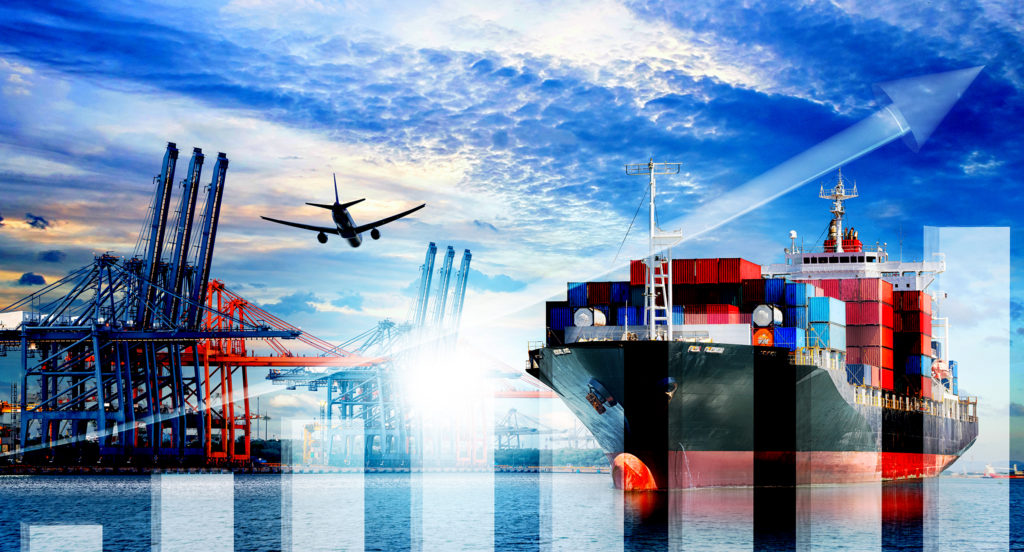
Reefer FCL transit time for machinery from China to Norway: 2025 Logistics Guide
Shipping high-precision industrial equipment requires a stable environment to prevent moisture damage and thermal expansion. Understanding the Reefer FCL transit time for machinery from China to Norway is the first step in building a reliable international supply chain. You can find comprehensive logistics solutions and competitive rates at Top China Freight to ensure your cargo arrives in perfect condition.
What is the typical Reefer FCL transit time for machinery from China to Norway?
Shipping machinery via refrigerated containers generally takes between 35 and 48 days depending on the specific port of origin and final destination in Norway. Most vessels depart from major hubs like Shanghai or Shenzhen and travel through the Suez Canal before reaching Northern European transshipment points.
Consequently, transit times are influenced by seasonal weather patterns and port congestion levels at both ends of the journey. Direct services are limited, so most shipments involve a stop at a major European hub like Rotterdam or Hamburg before the final leg to Oslo or Bergen.
Choosing sea freight for your machinery allows for a cost-effective solution while maintaining the strict temperature and humidity levels required for sensitive electronics or calibrated tools. Recent market data from early 2025 suggests that schedules have stabilized, though buffer times are still recommended for customs clearance.
| Origin Port | Destination Port | Average Days | Service Type |
|---|---|---|---|
| Shanghai | Oslo | 38-42 | Transshipment |
| Shenzhen | Bergen | 35-40 | Direct/Transship |
| Ningbo | Drammen | 40-45 | Transshipment |
| Qingdao | Stavanger | 42-48 | Transshipment |
Why is Reefer FCL necessary for specific machinery types?
Precision machinery often contains delicate electronic components that are highly susceptible to corrosion caused by high humidity during long ocean voyages. Furthermore, extreme temperature fluctuations in standard containers can cause metal components to expand and contract, potentially throwing sensitive calibrations out of alignment.
Reefer containers provide a controlled atmosphere that mitigates these risks by maintaining a constant temperature and managing moisture levels throughout the transit. This specialized equipment is essential for medical devices, semiconductor manufacturing tools, and high-end laboratory equipment being shipped to Europe.
Additionally, the insulation in reefer units provides an extra layer of protection against external environmental factors. While the cost is higher than standard dry containers, the reduction in potential damage and insurance claims often justifies the investment for high-value industrial assets.
How Does Reefer FCL Compare to Other Shipping Options?
Evaluating different transport modes is crucial for optimizing your logistics budget and meeting project deadlines. While sea freight offers the highest volume capacity, other methods like air or rail might be more suitable for urgent spare parts or smaller components.
Specifically, air freight provides the fastest delivery but comes at a significantly higher price point, making it feasible only for high-priority machinery. On the other hand, rail freight offers a middle ground in terms of speed and cost, though reefer rail options are more limited and subject to specific infrastructure availability.
Moreover, the choice between FCL and LCL depends largely on your total cargo volume. For machinery, FCL is almost always preferred to ensure the equipment is not handled multiple times or exposed to other cargo that could cause contamination or damage.
| Method | Cost Range (USD) | Transit Time | Best For |
|---|---|---|---|
| Reefer FCL | 3,500 – 5,500 | 35-45 Days | Sensitive Machinery |
| Air Freight | 12,000 – 20,000 | 5-10 Days | Urgent Spare Parts |
| Rail Freight | 6,000 – 8,500 | 22-28 Days | Standard Equipment |
| Standard FCL | 2,200 – 3,800 | 35-45 Days | Durable Goods |
Which Option Should You Choose for Your Machinery?
Budget priority dictates that sea freight remains the primary choice for large-scale industrial projects. If your project timeline allows for a 45-day lead time, the cost savings of Reefer FCL compared to air freight are substantial and can improve your overall profit margins.
Speed priority necessitates a shift toward air or express services, especially when a production line is down and requires immediate replacement parts. In these scenarios, the high cost of air transport is offset by the reduction in downtime costs for the Norwegian facility.
Cargo type considerations are the final deciding factor. If your machinery is robust and not sensitive to humidity, a standard container will suffice; however, for high-precision tools, the climate control of a reefer unit is a non-negotiable requirement for quality assurance.
Factors affecting shipping costs and transit times in 2025
Fuel surcharges and carrier capacity fluctuations remain the most significant variables in ocean freight pricing this year. Furthermore, geopolitical events affecting the Red Sea route can force vessels to take longer paths around the Cape of Good Hope, adding up to 12 days to the total transit time.
Seasonal demand spikes during the third quarter often lead to equipment shortages and increased rates for refrigerated units. Therefore, booking your shipment at least 3-4 weeks in advance is highly recommended to secure space and avoid premium peak-season surcharges.
Utilizing a door to door service can simplify the process by consolidating trucking, ocean freight, and final delivery into a single managed contract. This approach often reduces administrative overhead and minimizes the risk of communication gaps between different logistics providers.
Customs documentation and import regulations for Norway
Navigating the Norwegian customs environment requires meticulous documentation to avoid delays at the port of entry. Norway is not an EU member but is part of the EEA, meaning it follows many EU standards while maintaining its own specific VAT and duty regulations.
Essential documents include the commercial invoice, packing list, bill of lading, and specific technical certificates for the machinery being imported. Engaging a professional customs brokerage service ensures that all HS codes are correctly classified and that you benefit from any applicable trade agreements.
Note: Freight rates are subject to change based on fuel costs, carrier capacity, and seasonal demand. Contact us for a current quote tailored to your specific shipment.
Real-world Case Studies for Machinery Shipping
Case Study 1: Precision CNC Equipment. Route: Shanghai, China to Oslo, Norway. Cargo: CNC Milling Machine, 12 CBM, 4,500 kg. Container: 40ft Reefer. Shipping Details: Major carrier via Rotterdam. Cost Breakdown: Ocean Freight $4,800, Origin Charges $450, Destination Charges $600, Total Landed Cost $5,850. Timeline: Booking 5 days, Sea Transit 39 days, Customs 2 days, Total 46 days. Key Insight: Constant temperature control prevented condensation damage to the internal electronics during the winter transit.
Case Study 2: Industrial Cooling Systems. Route: Shenzhen, China to Bergen, Norway. Cargo: Cooling Units, 8 CBM, 3,200 kg. Container: 20ft Reefer. Shipping Details: Direct service to Hamburg then feeder vessel. Cost Breakdown: Ocean Freight $3,200, Origin Charges $350, Destination Charges $500, Total Landed Cost $4,050. Timeline: Booking 4 days, Sea Transit 36 days, Customs 3 days, Total 43 days. Key Insight: Early booking allowed the client to avoid a 15% peak season surcharge during the Q3 rush.
Final Thoughts on Shipping Machinery to Norway
Managing the Reefer FCL transit time for machinery from China to Norway effectively requires a balance of speed, cost, and safety. By selecting the right container type and understanding the nuances of the maritime route, businesses can protect their high-value assets and maintain consistent production schedules.
Reliable logistics partners play a vital role in navigating the complexities of international trade and customs regulations. Ultimately, investing in refrigerated transport for sensitive machinery is a proactive step toward ensuring long-term operational success in the Norwegian market.
Ready to streamline your logistics?
Planning your next machinery shipment from China to Norway requires expert coordination and reliable equipment. Contact our team today to receive a customized quote for your Reefer FCL transit time for machinery from China to Norway and ensure your cargo is handled with the highest professional standards. Visit our inquiry page to get started: Send Inquiry
Request Quote