

Reliable Customs Clearance from China to USA: A Complete 2025 Guide
Navigating the complexities of international trade requires a strategic approach and expert knowledge of global logistics. Top China Freight (https://Top China Freight.com/) provides comprehensive support for businesses looking to streamline their supply chain operations. Achieving reliable customs clearance from China to USA is essential for any importer who wants to avoid costly delays and unexpected fees at the border.
What Does Reliable Customs Clearance from China to USA Involve?
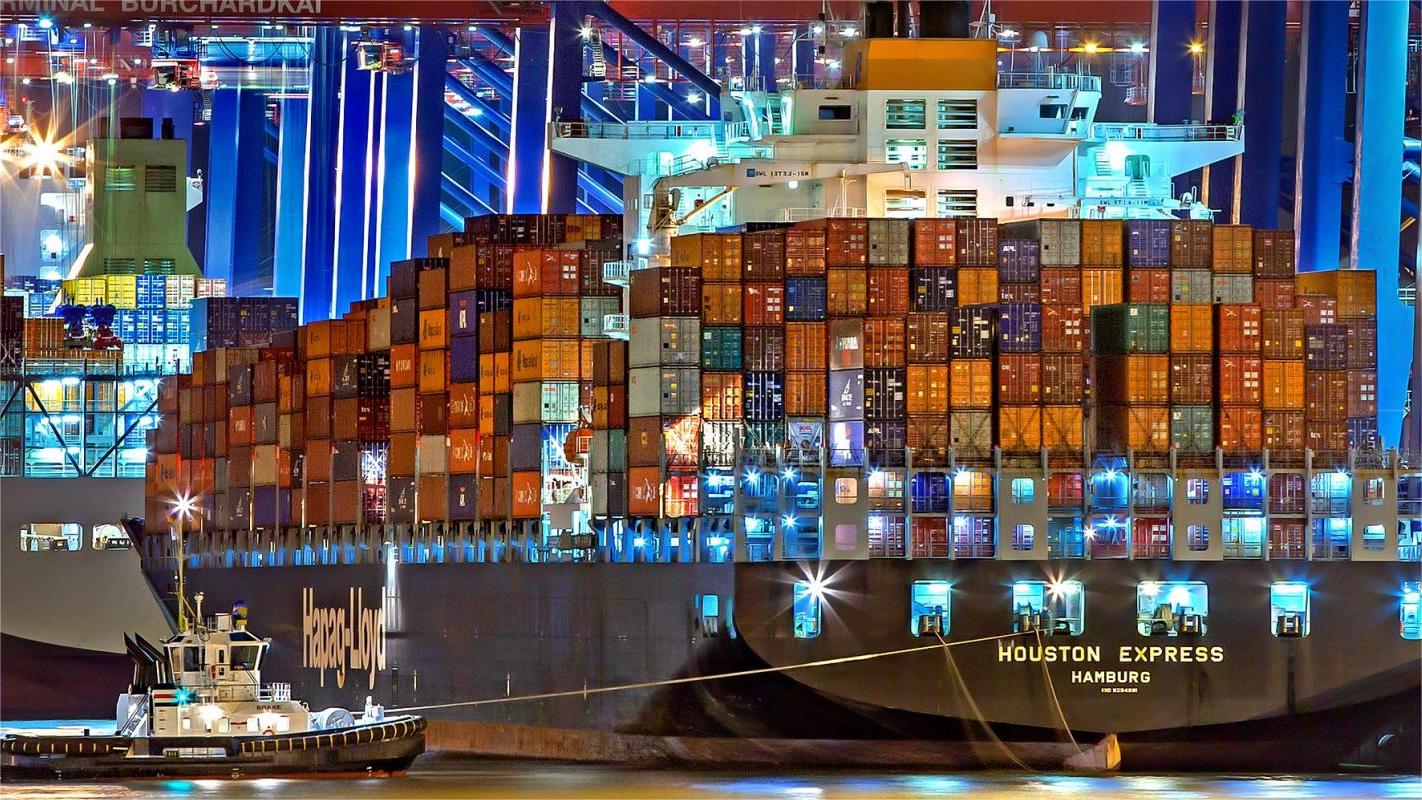
Reliable customs clearance from China to USA is a multi-step process that ensures your goods comply with all federal regulations. This procedure involves submitting specific documentation, paying necessary duties, and passing inspections by U.S. Customs and Border Protection. Furthermore, a successful clearance process prevents your cargo from being held at the port of entry for extended periods.

Importers must understand that every product has a specific classification known as an HS Code. Consequently, choosing the correct code is vital because it determines the duty rate you will pay. Inaccurate classification can lead to heavy fines or even the seizure of your products by authorities. Therefore, working with an experienced partner is the best way to maintain compliance.
Documentation acts as the foundation of the entire import process. For instance, the Commercial Invoice and Packing List must match exactly to avoid red flags during the review. Additionally, the Importer Security Filing or ISF must be submitted at least 24 hours before the ship leaves the Chinese port. Missing this deadline often results in a 5000 dollar penalty from US customs.
Why Should You Prioritize Reliable Customs Clearance Services?
Managing your logistics without professional help can lead to significant bottlenecks in your supply chain. Utilizing a professional customs brokerage service ensures that all paperwork is handled with precision. Moreover, experts stay updated on changing trade policies and tariff updates that might affect your bottom line.
Speed is another critical factor when importing goods for a competitive market. When you have a reliable system in place, your cargo moves through the port without unnecessary human intervention or manual audits. On the other hand, simple errors in a Bill of Lading can stop a shipment for weeks. This leads to demurrage and detention charges that quickly erode your profit margins.
Consistency in your shipping schedule helps build trust with your final customers. If your goods are consistently delayed at customs, your retail partners may seek alternative suppliers. Indeed, reliability in the clearance stage is just as important as the manufacturing quality of the goods themselves. High-quality logistics planning protects your brand reputation over the long term.
Essential Documentation for US Customs Entry
Preparing the right documents is the most effective way to ensure a smooth transition from the factory to the warehouse. Every shipment requires a standard set of papers that describe the origin, value, and nature of the goods. For example, the Bill of Lading serves as a contract between the shipper and the carrier.
Specific products might require additional permits from other government agencies. If you are importing electronics, you may need FCC forms, while food products require FDA prior notice. Without a doubt, verifying these requirements before the cargo departs China is a mandatory step for successful importers.
| Document Name | Purpose | Who Provides It | Required For |
|---|---|---|---|
| Commercial Invoice | Details value and cargo | Supplier | All Shipments |
| Packing List | Itemizes contents | Supplier | All Shipments |
| ISF (10+2) | Security screening | Importer/Broker | Sea Freight Only |
| Bill of Lading | Title to goods | Carrier | All Shipments |
How Does Sea Freight Compare to Other Shipping Options?
Choosing between different transport modes depends heavily on your budget and required delivery speed. While sea freight is the most economical choice for large volumes, it requires the most lead time. Most sea shipments take between 15 to 40 days depending on whether they arrive at the West Coast or East Coast.
Alternatively, air freight offers the fastest transit times but at a much higher cost. This method is ideal for high-value items or urgent inventory restocks. Meanwhile, express services provide a door-to-door solution that simplifies the customs process for smaller parcels. Each method has specific trade-offs regarding reliability and total landed cost.
| Shipping Method | Cost Range | Transit Time | Best For |
|---|---|---|---|
| Sea Freight (FCL) | Low ($2500 – $5000) | 18 – 40 Days | Bulk Inventory |
| Air Freight | High ($5 – $12/kg) | 3 – 7 Days | Urgent Goods |
| Express | Premium | 2 – 5 Days | Small Samples |
| LCL (Sea) | Moderate | 25 – 45 Days | Small Pallets |
Which Option Should You Choose for Your Business?
Selecting the right shipping strategy requires a clear understanding of your volume thresholds. If your shipment is larger than 15 cubic meters, a Full Container Load is usually the most cost-effective path. However, for smaller loads, Less than Container Load allows you to share space and reduce expenses. This decision framework helps you balance speed against your logistics budget.
Budget-conscious importers should prioritize sea freight to the West Coast and then use rail or truck for inland transport. This strategy often saves thousands of dollars compared to shipping directly to East Coast ports via the Panama Canal. Nevertheless, if your product has a short shelf life, the speed of air transport justifies the higher price point. Always calculate the total landed cost before making a final commitment.
Customs complexity also varies by method. Sea freight involves the ISF filing, which adds an extra layer of administrative work. In contrast, air freight clearance is often handled more rapidly due to the nature of the cargo. Regardless of the method, shipping to North America requires meticulous attention to US federal regulations.
Real-World Case Studies in Transpacific Logistics
Case Study 1: Electronics from Shenzhen to Los Angeles. Route: Shenzhen Port to Port of Los Angeles. Cargo: 500 units of consumer electronics, 28 CBM. Container: 40GP. Shipping Details: Carrier COSCO, Port of Loading Shenzhen, Port of Discharge Los Angeles. Route Type: Direct. Ocean Freight: 3400 USD. Origin Charges: 450 USD. Destination Charges: 600 USD. Customs and Duties: 1200 USD. Total Landed Cost: 5650 USD. Timeline: Booking to Loading 4 days, Sea Transit 16 days, Customs Clearance 2 days. Total Door-to-Door: 22 days. Key Insight: Early ISF filing prevented any port hold, allowing for immediate drayage upon arrival.
Case Study 2: Textiles from Ningbo to New York. Route: Ningbo Port to Port of New York. Cargo: 1200 kg of organic cotton apparel. Shipping Method: Air Freight. Carrier: Major Airline. Port of Loading: Ningbo. Port of Discharge: JFK International. Route Type: Direct. Air Freight Cost: 7800 USD. Origin Charges: 200 USD. Destination Charges: 350 USD. Customs and Duties: 2100 USD. Total Landed Cost: 10450 USD. Timeline: Booking to Loading 1 day, Air Transit 1 day, Customs Clearance 1 day. Total Door-to-Door: 4 days. Key Insight: Using air freight allowed the client to meet a seasonal launch deadline despite manufacturing delays.
Note: Freight rates are subject to change based on fuel costs, carrier capacity, and seasonal demand. Contact us for a current quote tailored to your specific shipment.
Common Pitfalls to Avoid During the Import Process
Missing the ISF filing deadline is one of the most common mistakes new importers make. This simple oversight can lead to a 5000 dollar fine per shipment. Furthermore, failing to secure a Customs Bond before your goods arrive will stop the clearance process entirely. You should choose between a single entry bond or a continuous bond based on your annual shipping frequency.
Under-valuing goods on the Commercial Invoice is another dangerous practice. US Customs uses sophisticated software to flag invoices that seem significantly lower than market value. If they suspect fraud, they will perform an intensive exam which you must pay for. Consequently, honesty and accuracy are the best policies for maintaining a reliable customs clearance from China to USA.
Improper labeling can also cause significant headaches at the border. Every item must clearly state the Country of Origin, such as Made in China. If the marking is missing or obscured, customs may require you to relabel the entire shipment at a bonded warehouse. This process is both expensive and time-consuming, leading to further delivery delays.
Strategies for Reducing Your Total Shipping Costs
Consolidating your shipments is a highly effective way to lower your per-unit transport cost. Instead of sending five small LCL shipments, try to combine them into one FCL container. Additionally, negotiating Incoterms like FOB with your supplier can give you more control over the shipping process. This allows you to choose your own forwarder and avoid hidden markups from the factory.
Choosing a door to door service often provides the best value for small to medium businesses. This all-inclusive model covers everything from the factory pickup to the final delivery at your warehouse. Because the forwarder manages every link in the chain, they can often find efficiencies that a fragmented approach would miss. It also simplifies your accounting by providing a single invoice for the entire journey.
Monitoring seasonal trends is another smart move for savvy importers. Shipping rates typically spike in the months leading up to the Lunar New Year and the Q4 holiday season. By planning your inventory cycles to avoid these peak periods, you can save up to 30 percent on ocean freight. Therefore, a proactive approach to scheduling is essential for maintaining a healthy profit margin.
Final Thoughts on US-China Logistics
Establishing a reliable customs clearance from China to USA is the cornerstone of a successful import business. By understanding documentation requirements, choosing the right shipping method, and avoiding common pitfalls, you can protect your supply chain. Remember that consistency and compliance are more valuable than the lowest possible price in the long run. Partnering with professionals allows you to focus on growing your brand while the experts handle the complex world of international regulations.
Ready to streamline your logistics?
Ensure your business stays ahead of the competition with reliable customs clearance from China to USA. Contact Top China Freight today to receive a customized quote and expert logistics advice. Send Inquiry:
Request Quote