

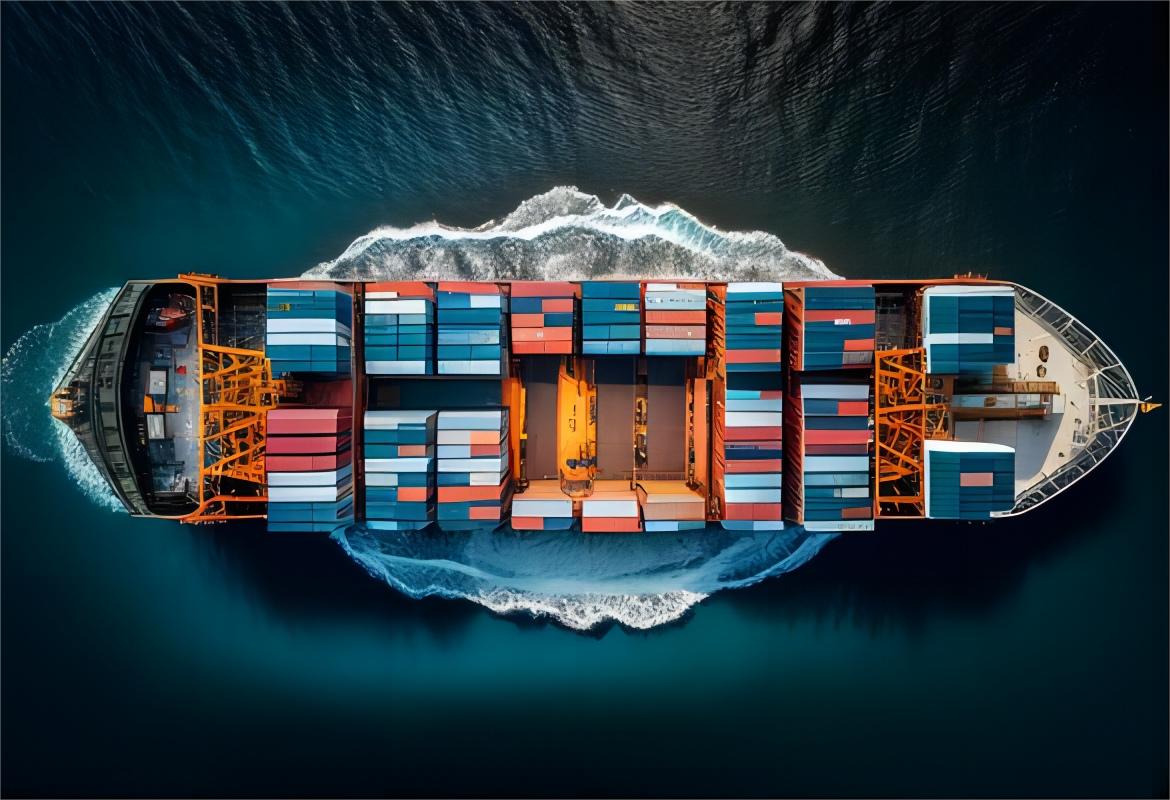
Reliable LCL Shipping from China to UK: 2025 Logistics Guide
Managing reliable LCL shipping from China to UK requires a precise balance of logistics expertise and strategic planning. Top China Freight provides comprehensive solutions that simplify the complexities of international trade for small and medium enterprises. This guide explores how you can optimize your supply chain while maintaining cost-efficiency through professional consolidated shipping services.
What is Reliable LCL Shipping from China to UK?
LCL stands for Less than Container Load, which is a shipping method where multiple shipments share space within a single container. This approach allows businesses to transport smaller volumes without paying for an entire 20-foot or 40-foot container. Consequently, it has become the preferred choice for importers who do not have enough goods to fill a full container.

Reliability in this context refers to the consistency of schedules, the safety of cargo handling, and the transparency of pricing. Furthermore, a dependable freight forwarder ensures that your goods are consolidated efficiently at the port of origin. This minimizes delays and reduces the risk of damage during the transit process to the United Kingdom.
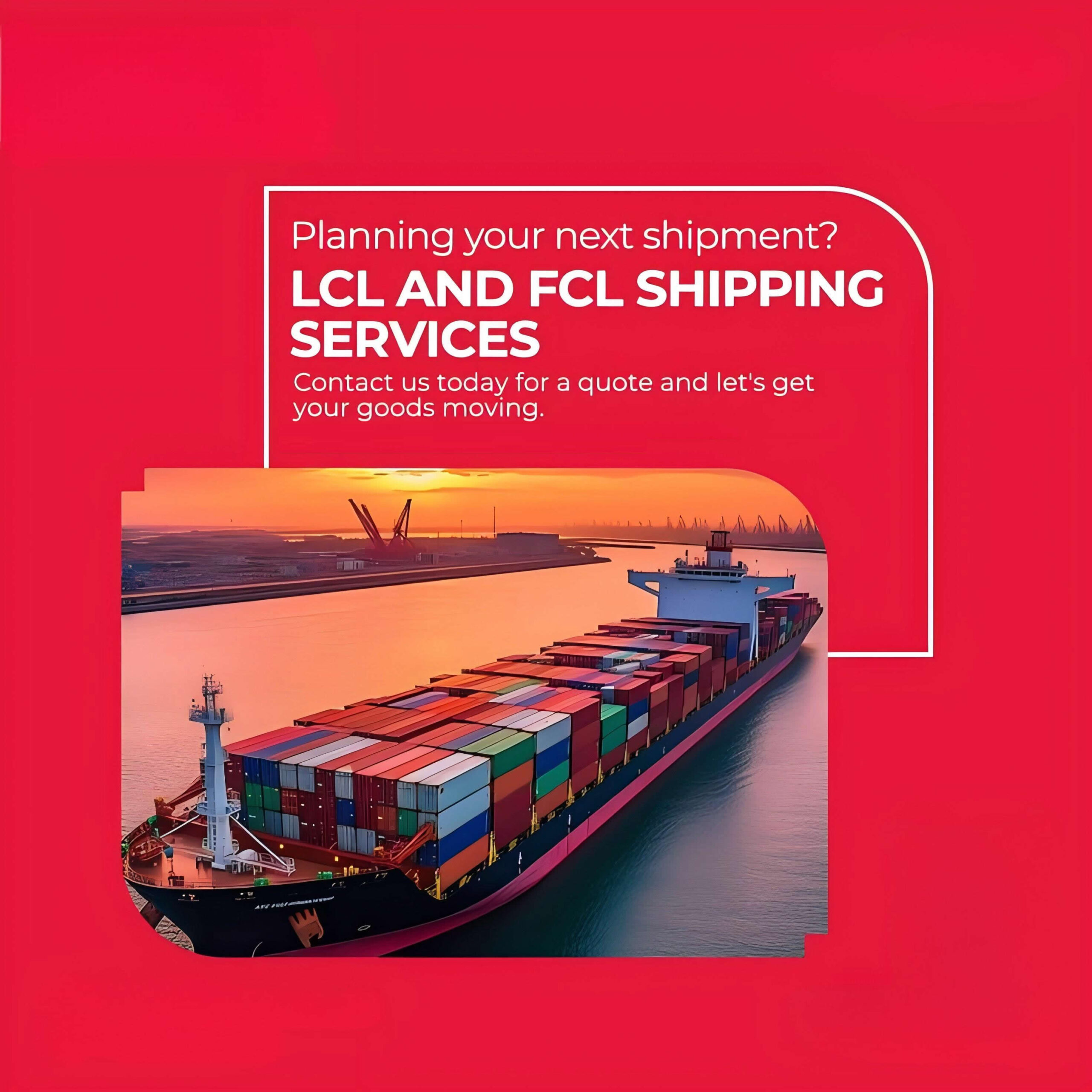
Choosing this method is particularly beneficial for startups and growing businesses looking to manage inventory levels without high upfront costs. Moreover, it provides the flexibility to scale shipments based on market demand rather than container capacity. By utilizing professional sea freight services, you can access global markets with minimal capital investment.
How Does LCL Compare to Other Shipping Options?
Comparing different transport modes is essential for determining the most cost-effective strategy for your business. While LCL is excellent for small volumes, other methods like FCL, air, or rail might be more suitable depending on your specific needs. Therefore, understanding the trade-offs between speed, cost, and volume is the first step in logistics planning.
Air freight offers the fastest transit times but comes at a significantly higher price point compared to ocean transport. On the other hand, rail freight serves as a middle ground, offering faster speeds than sea freight with lower costs than air. However, for most bulk commodities and retail goods, ocean-based LCL remains the most economical solution for Europe bound cargo.
| Shipping Method | Cost Range | Transit Time | Best For |
|---|---|---|---|
| LCL Sea Freight | $50 – $120 per CBM | 30 – 45 Days | Small/Medium volumes |
| FCL Sea Freight | $2,000 – $4,500 per box | 28 – 38 Days | Large bulk shipments |
| Rail Freight | $150 – $300 per CBM | 18 – 25 Days | Urgent heavy cargo |
| Air Freight | $4.50 – $9.00 per KG | 5 – 10 Days | High-value/Urgent |
Why Choose LCL for Your UK Imports?
Cost savings represent the most significant advantage of choosing LCL for your UK-bound shipments. Since you only pay for the space your cargo occupies, your logistics expenses remain proportional to your inventory size. Additionally, this allows for more frequent shipping cycles, which improves cash flow and reduces warehousing costs in the UK.
Inventory management becomes much simpler when you are not forced to wait until you have enough goods for a full container. Instead, you can ship products as soon as they are manufactured, ensuring a steady supply for your customers. Indeed, this agility is a competitive advantage in the fast-paced UK retail and e-commerce sectors.
Professional consolidation centers in China handle your goods with extreme care to prevent any transit damage. Meanwhile, advanced tracking systems allow you to monitor your shipment from the warehouse in Shenzhen to the final destination in London or Manchester. This level of visibility ensures that your reliable LCL shipping from China to UK remains stress-free.
Key Factors Influencing LCL Freight Rates in 2025
Freight rates are influenced by a variety of market factors, including fuel surcharges and seasonal demand fluctuations. During peak seasons, such as the months leading up to Christmas, prices often increase due to high container demand. Consequently, booking your space at least 3-4 weeks in advance is highly recommended to secure better rates.
Port congestion and global events also play a role in determining the final cost of your shipment. For example, disruptions in major shipping lanes can lead to surcharges that affect the entire supply chain. Nevertheless, working with an experienced forwarder can help you navigate these challenges through alternative routing strategies.
Weight and volume ratios are critical because LCL is priced based on whichever is higher. Specifically, the industry standard uses a 1:1000 ratio where 1 CBM is equivalent to 1000 kg. Understanding this calculation helps you package your goods more efficiently to avoid unnecessary charges. Always request a detailed breakdown of origin and destination fees before confirming your booking.
Understanding Transit Times for China to UK Routes
Transit times for LCL shipments are generally longer than FCL because of the consolidation and deconsolidation processes. Goods must be gathered at a warehouse in China, loaded into a container, and then unloaded at a UK port like Felixstowe or Southampton. As a result, you should factor in an additional 5 to 7 days on top of the actual sea transit time.
Direct routes from major Chinese ports like Shanghai or Ningbo typically offer the most reliable schedules. In contrast, shipments involving transshipment through hubs like Singapore may take longer but can sometimes be more cost-effective. Ultimately, the choice depends on whether your priority is speed or budget.
Customs clearance procedures in the UK can also impact the total door-to-door delivery time. If your documentation is incomplete, your goods may be held at the port, leading to storage fees and delivery delays. Therefore, utilizing a professional customs brokerage service is essential for a smooth import process.
| Origin Port | UK Destination | Transit (Days) | Frequency |
|---|---|---|---|
| Shenzhen | Felixstowe | 30 – 35 | Weekly |
| Shanghai | Southampton | 32 – 38 | Bi-weekly |
| Ningbo | London Gateway | 33 – 40 | Weekly |
| Qingdao | Liverpool | 38 – 45 | Weekly |
Essential Customs Documents for UK Imports
Proper documentation is the backbone of reliable LCL shipping from China to UK. Without the correct paperwork, your cargo cannot legally enter the country, which can result in heavy fines or seizure. Specifically, you will need a Commercial Invoice, a Packing List, and a Bill of Lading provided by your carrier.
Economic Operator Registration and Identification (EORI) numbers are mandatory for any business importing into the UK. Furthermore, you must ensure that your goods are classified correctly using the appropriate HS Codes. This classification determines the amount of VAT and customs duty you are required to pay upon arrival.
Certificates of Origin may be required for certain types of products to benefit from trade agreements or to comply with safety regulations. Additionally, specialized items like electronics or chemicals might need additional permits or safety data sheets. To avoid complications, consult with your logistics provider early in the planning stage.
Which Option Should You Choose? Decision Framework
Choosing the right shipping method depends on your specific business priorities and the nature of your products. If your primary goal is to minimize costs and you have a flexible timeline, LCL sea freight is almost always the best choice. However, if you are dealing with perishable goods or high-value electronics, the speed of air freight might justify the higher expense.
Volume thresholds are also a major factor in the decision-making process. Generally, if your shipment exceeds 15 CBM, it may be more economical to book a full 20-foot container (FCL) even if it is not completely full. This is because FCL avoids the consolidation fees associated with LCL and often moves faster through the ports.
Hybrid solutions like rail freight offer an excellent alternative for those who need a balance between speed and cost. This method is particularly popular for heavy industrial parts or seasonal consumer goods that cannot wait for a ship but do not require the urgency of a plane. Evaluate your margins carefully before selecting your transport mode.
Case Study 1: Electronics from Shenzhen to London
Route: Shenzhen, China to London, UK
Cargo: Consumer Electronics, 3 CBM, 450 kg
Method: LCL Sea Freight
Shipping Details:
– Carrier: Major Ocean Carrier
– Port of Loading: Shenzhen (Yantian)
– Port of Discharge: Felixstowe
– Route Type: Direct
Cost Breakdown (Estimated Q1 2025):
– Ocean Freight: $320
– Origin Charges: $150
– Destination Charges: $280
– Customs and Duties: $1,200
– Total Landed Cost: $1,950
Timeline:
– Booking to Loading: 4 days
– Sea Transit: 32 days
– Customs Clearance: 2 days
– Total Door-to-Door: 42 days
Key Insight: The client saved over $2,500 compared to air freight by planning their inventory 6 weeks in advance.
Case Study 2: Furniture from Ningbo to Southampton
Route: Ningbo, China to Southampton, UK
Cargo: Flat-pack Furniture, 8 CBM, 1,200 kg
Method: LCL Sea Freight
Shipping Details:
– Carrier: COSCO
– Port of Loading: Ningbo-Zhoushan
– Port of Discharge: Southampton
– Route Type: Direct
Cost Breakdown (Estimated Q1 2025):
– Ocean Freight: $720
– Origin Charges: $210
– Destination Charges: $350
– Customs and Duties: $600
– Total Landed Cost: $1,880
Timeline:
– Booking to Loading: 5 days
– Sea Transit: 35 days
– Customs Clearance: 3 days
– Total Door-to-Door: 48 days
Key Insight: Utilizing door to door service simplified the final mile delivery to the client’s warehouse in the Midlands.
How to Calculate LCL Shipping Costs Correctly
Calculating the cost of LCL involves more than just the ocean freight rate per CBM. You must also account for local charges at both the origin and destination, which can sometimes exceed the freight cost itself. For instance, terminal handling charges (THC) and documentation fees are standard requirements for every shipment.
Destination charges in the UK often include port dues, unloading fees, and warehouse handling costs. Additionally, delivery from the port to your final address is a separate expense that depends on the distance and the type of vehicle required. Consequently, always ask for an ‘all-in’ quote to avoid hidden surprises when your goods arrive.
VAT and Customs Duty are calculated based on the Value for Tax (VFT), which usually includes the cost of the goods, insurance, and freight (CIF). Therefore, accurately declaring the value of your shipment is vital for legal compliance and financial planning. Using an Amazon FBA specialist can help if you are shipping directly to fulfillment centers.
Mastering Your UK Import Strategy
Achieving reliable LCL shipping from China to UK is a matter of choosing the right partners and understanding the logistics landscape. By focusing on detailed documentation, realistic timelines, and cost-effective consolidation, you can significantly improve your business’s bottom line.
Furthermore, staying informed about market trends and seasonal shifts allows you to adapt your strategy proactively. Whether you are shipping small parcels or large industrial components, the flexibility of LCL provides a sustainable path for growth in the competitive UK market.
Ultimately, the key to success lies in transparency and communication with your freight forwarder. Start optimizing your routes today to ensure your goods arrive safely, on time, and within budget.
Ready to streamline your logistics?
Ready to streamline your supply chain with reliable LCL shipping from China to UK? Contact our expert team today for a personalized quote and professional guidance on your next shipment. Visit https://Top China Freight.com/ to start your logistics journey with a partner you can trust.
Request Quote