

Reliable Sea Freight from China to Canada: The Ultimate Shipping Guide
Finding Top China Freight for your logistics needs ensures a smooth transition of goods across the Pacific Ocean. Securing reliable sea freight from China to Canada is the most cost-effective way to transport large volumes of inventory for your business. This comprehensive guide explores everything you need to know about ocean logistics, including transit times, cost-saving strategies, and customs requirements for the Canadian market.
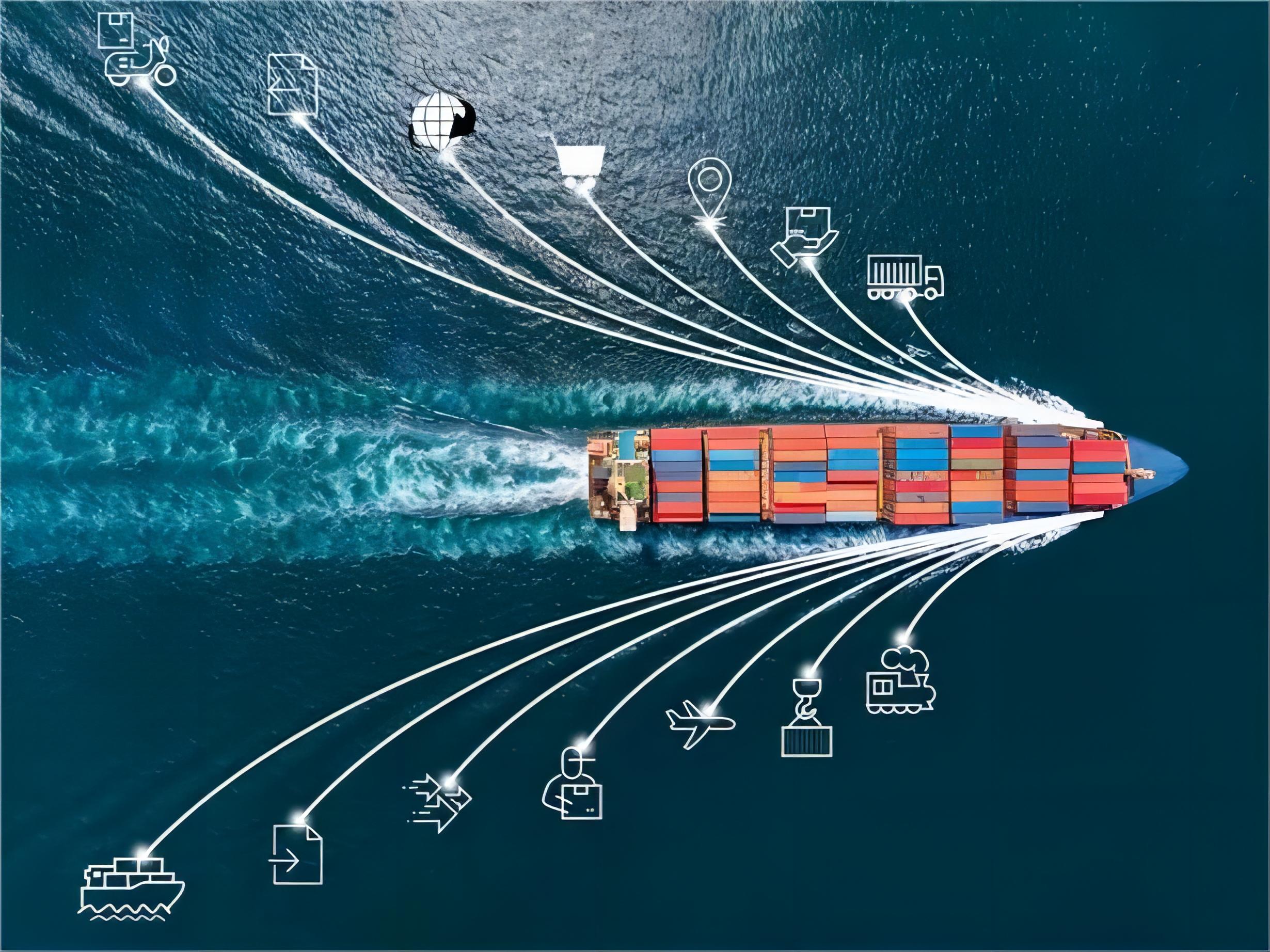
Why Choose Reliable Sea Freight from China to Canada?
Choosing ocean transport remains the primary method for businesses moving heavy or bulky items internationally. Moreover, the environmental impact of sea freight is significantly lower than air transport alternatives. Therefore, companies looking to scale their operations often prioritize this method to manage their bottom line effectively.

Reliability in shipping stems from choosing established carriers and experienced freight forwarders. Consequently, you can avoid common pitfalls like rolled cargo or unexpected port delays. Professional sea freight services provide the stability needed for consistent supply chain management.

Additionally, the infrastructure between major Chinese ports and Canadian gateways is highly developed. This connectivity allows for a variety of service levels depending on your specific budget and timeline requirements. Indeed, the route from Shanghai to Vancouver is one of the busiest and most efficient trade lanes globally.
How Does Sea Freight Compare to Other Shipping Options?
Understanding the differences between shipping methods is crucial for optimizing your logistics budget. While sea freight offers the lowest cost per unit, it requires longer lead times than air or express options. However, for shipments exceeding 500 kilograms, the price difference becomes too significant to ignore.
Air freight is ideal for high-value electronics or urgent fashion items that need to arrive within a week. In contrast, sea freight serves as the backbone for industrial equipment, furniture, and consumer goods. Shipping to North America involves navigating different transit times depending on the specific coast you are targeting.
Meanwhile, express services are best suited for documents or very small samples. For most commercial imports, ocean transport provides the best balance of capacity and cost. Below is a detailed comparison of the available shipping methods for the China to Canada route.
| Shipping Method | Cost Range | Transit Time | Best For |
|---|---|---|---|
| Sea Freight | Low ($2,000-$5,000 per container) | 15-35 Days | Bulk Goods/Inventory |
| Air Freight | High ($5-$10 per kg) | 3-7 Days | Urgent/High-Value |
| Express Service | Very High ($8-$15 per kg) | 2-5 Days | Small Parcels |
| Sea-Air Hybrid | Moderate | 10-15 Days | Balanced Priority |
Understanding FCL vs LCL for Your Cargo
Full Container Load (FCL) allows you to rent an entire 20-foot or 40-foot container for your exclusive use. This option is generally faster because the container does not need to be opened until it reaches its final destination. Furthermore, FCL reduces the risk of damage since your goods are not handled alongside other shippers’ cargo.
Less than Container Load (LCL) is the perfect solution for smaller shipments that do not fill a whole container. In this scenario, your goods share space with other shipments, and you only pay for the volume you occupy. Consequently, LCL is highly economical for startups or businesses testing new product lines.
Nevertheless, LCL involves more handling at consolidation warehouses, which can slightly increase transit times. You should calculate the total volume in cubic meters to determine which method offers the best value. Typically, if your shipment exceeds 15 cubic meters, switching to FCL becomes more cost-effective.
Shipping Costs and Transit Times for Canada Routes
Ocean freight rates fluctuate based on seasonal demand, fuel surcharges, and carrier capacity. Specifically, the peak season from August to October often sees prices rise by 20% or more. Therefore, booking your shipment at least three to four weeks in advance is highly recommended.
Transit times vary significantly between the West Coast and East Coast of Canada. For example, a direct vessel from Shenzhen to Vancouver might take only 16 days. Conversely, shipping to Toronto or Montreal usually involves an intermodal rail journey from the West Coast, adding another 7 to 10 days to the schedule.
Note: Freight rates are subject to change based on fuel costs, carrier capacity, and seasonal demand. Contact us for a current quote tailored to your specific shipment. Market data suggests that rates have stabilized in early 2025 compared to the volatility of previous years.
| Port of Loading | Port of Discharge | Avg. Transit Time | Route Type |
|---|---|---|---|
| Shanghai | Vancouver | 14-18 Days | Direct |
| Shenzhen | Prince Rupert | 15-19 Days | Direct |
| Ningbo | Toronto | 28-33 Days | Intermodal |
| Qingdao | Montreal | 30-35 Days | Intermodal |
Essential Documents for Canadian Customs Clearance
Navigating the legal requirements for importing goods into Canada requires precision and attention to detail. Every shipment must be accompanied by a Commercial Invoice, a Packing List, and a Bill of Lading. Additionally, certain products may require specific certificates of origin or health permits depending on their nature.
Working with a professional customs brokerage service can prevent costly delays and fines at the border. They ensure that your goods are classified under the correct Harmonized System (HS) codes. Accordingly, you will pay the accurate amount of duties and taxes required by the Canada Border Services Agency (CBSA).
Furthermore, you must ensure that your wood packaging materials comply with ISPM 15 standards to avoid rejection. Without a doubt, proper documentation is the most critical factor in maintaining a reliable sea freight from China to Canada schedule. Always double-check that the descriptions on your invoice match the actual contents of your containers.
Which Shipping Option Should You Choose?
Deciding on the best logistics strategy depends on your specific business priorities. If your primary goal is to minimize costs, standard sea freight is the clear winner for large volumes. On the other hand, if you are shipping time-sensitive seasonal inventory, a hybrid sea-air solution might be better.
Consider the volume thresholds when making your choice. For shipments under 1 CBM, express shipping might actually be cheaper than LCL due to minimum billable amounts in ocean freight. However, once you move into the 2-10 CBM range, LCL becomes the standard recommendation for most importers.
If you are an e-commerce seller, using Amazon FBA shipping services can streamline your distribution within Canada. This allows you to ship directly from Chinese factories to Canadian fulfillment centers. Ultimately, the right choice balances speed, safety, and total landed cost.
Real-World Case Studies: Shipping to Canada
Case Study 1: Solar Panels to Vancouver. Route: Shanghai, China to Vancouver, Canada. Cargo: Solar Panels, 28 CBM, 12,000 kg. Container: 20GP. Shipping Details: Carrier: COSCO, Port of Loading: Shanghai, Port of Discharge: Vancouver, Route Type: Direct. Cost Breakdown: Ocean Freight: $2,100, Origin Charges: $350, Destination Charges: $420, Customs and Duties: $1,200, Total Landed Cost: $4,070. Timeline: Booking to Loading: 4 days, Sea Transit: 15 days, Customs Clearance: 2 days, Total Door-to-Door: 21 days. Key Insight: Direct routing saved five days compared to transshipment options.
Case Study 2: Apparel to Toronto via LCL. Route: Ningbo, China to Toronto, Canada. Cargo: Clothing, 8 CBM, 2,400 kg. Container: LCL. Shipping Details: Carrier: Major carrier, Port of Loading: Ningbo, Port of Discharge: Vancouver (Rail to Toronto), Route Type: Intermodal. Cost Breakdown: Ocean Freight: $640, Origin Charges: $280, Destination Charges: $550, Customs and Duties: $900, Total Landed Cost: $2,370. Timeline: Booking to Loading: 6 days, Sea Transit: 18 days, Rail Transit: 7 days, Customs Clearance: 3 days, Total Door-to-Door: 34 days. Key Insight: Using LCL allowed the client to maintain inventory without paying for a full container.
These scenarios illustrate how different cargo types and destinations affect the overall logistics plan. By analyzing these examples, you can better estimate your own expenses for reliable sea freight from China to Canada. Always remember that intermodal transport to inland cities like Calgary or Toronto will always take longer than port-to-port deliveries.
Strategies to Reduce Your Shipping Expenses
Reducing your total landed cost is essential for maintaining a competitive edge in the Canadian market. One effective strategy is to consolidate multiple small orders from different suppliers into a single FCL shipment. This approach minimizes per-unit handling fees and simplifies the customs entry process.
Another way to save money is to choose door to door services that include all local charges. This prevents hidden fees from surprising you when the cargo arrives at the destination port. Additionally, try to avoid shipping during the two weeks preceding Chinese New Year when rates spike dramatically.
Moreover, optimizing your packaging can lead to significant savings in LCL shipping. By reducing the dimensions of your crates or pallets, you lower the billable volume. Indeed, even a small reduction in package size can save hundreds of dollars over a large production run.
Final Thoughts on Canadian Ocean Logistics
In summary, achieving reliable sea freight from China to Canada requires a combination of strategic planning and expert execution. By understanding the nuances of FCL and LCL, you can make informed decisions that protect your profit margins. Remember to account for both transit times and customs requirements when building your delivery schedule.
Partnering with a dedicated freight forwarder simplifies the complexities of international trade. As market conditions evolve in 2025, staying informed about industry trends will help you navigate potential disruptions. Reliable sea freight from China to Canada remains the most powerful tool for businesses looking to import goods efficiently.
Ready to streamline your logistics?
Streamline your supply chain today with reliable sea freight from China to Canada. Our expert team is ready to provide you with a competitive quote and personalized logistics support. Visit our website to get started and ensure your goods arrive safely and on time. Send Inquiry:
Request Quote