

Fast Sea Freight from China to Canada: The Ultimate 2025 Guide
Expanding your business across international borders requires a logistics partner that understands the delicate balance between speed and cost. Top China Freight provides specialized solutions for businesses looking for fast sea freight from China to Canada. Consequently, many importers are shifting toward accelerated ocean services to maintain lean inventories while avoiding the high costs of air transport. This guide explores how you can optimize your supply chain using the most efficient maritime routes available today.
What is Fast Sea Freight from China to Canada?
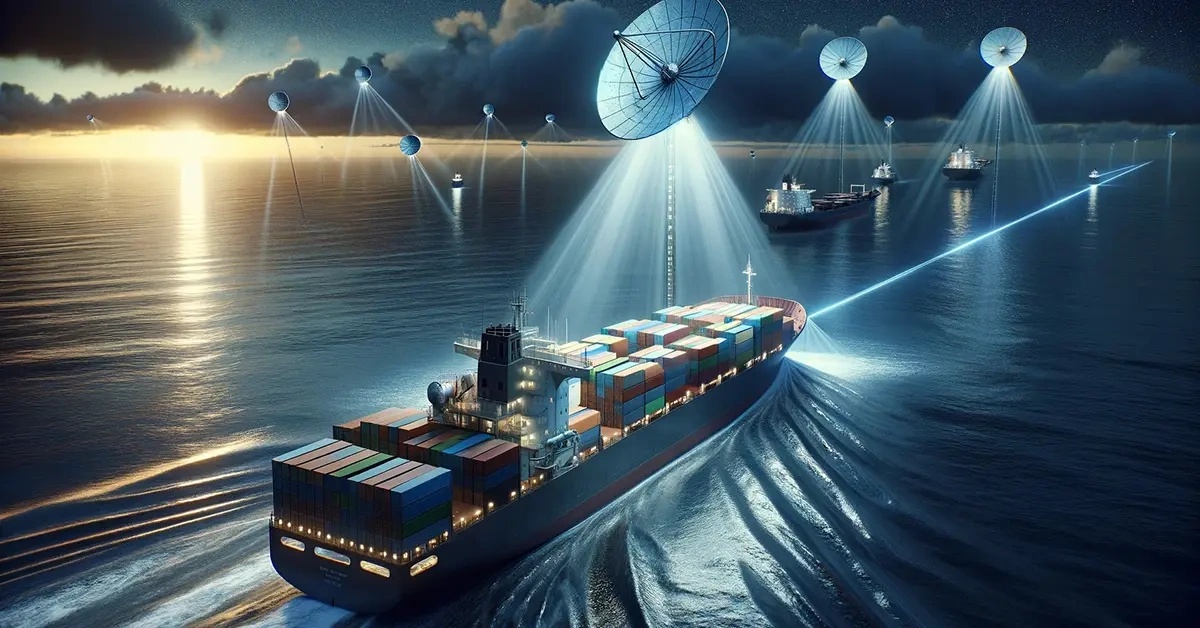
Fast sea freight refers to premium ocean shipping services that prioritize speed through direct routes and expedited terminal handling. Unlike standard economical shipping, these services utilize faster vessels and guarantee space during peak seasons. Therefore, businesses can receive their goods significantly sooner than with traditional slow-steaming options.
Moreover, this method is ideal for high-value commodities or seasonal products that require a quicker turnaround. Most carriers offering sea freight have introduced these ‘Matson-style’ or express loops to satisfy the growing demand for reliability. By choosing these routes, you reduce the risk of port congestion and lengthy transshipments.
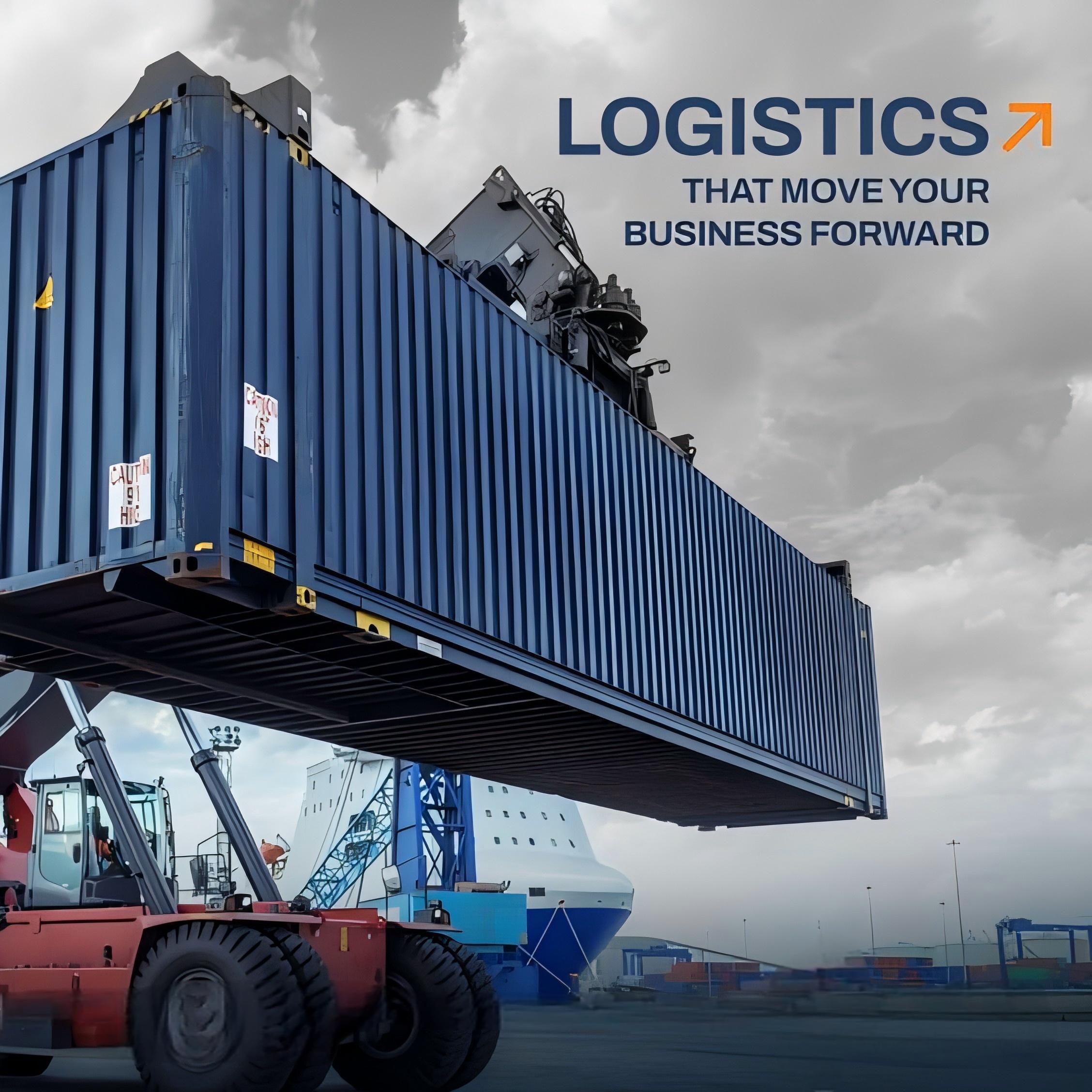
Choosing an express maritime service allows you to plan your inventory with greater precision. As a result, you can minimize warehouse storage costs in Canada while ensuring your products are always in stock. Indeed, the predictability of fast sea freight from China to Canada has made it a favorite among modern e-commerce sellers.

How Does Fast Sea Freight Compare to Other Shipping Options?
Comparing different transport modes is essential for determining the most cost-effective strategy for your cargo. While air transport offers the fastest delivery, the price per kilogram is often prohibitive for bulky items. On the other hand, standard sea freight might take too long for time-sensitive launches.
Additionally, businesses must consider the volume and weight of their shipments before making a final decision. For instance, Air Freight is typically reserved for electronics or medical supplies, whereas ocean transport handles furniture and machinery. Understanding these trade-offs helps in selecting the right service level for each specific SKU.
Meanwhile, express courier services provide the fastest door-to-door transit but at the highest possible price point. In contrast, fast sea freight offers a middle ground that provides significant savings over air while remaining much faster than traditional sea shipping. This hybrid approach is becoming the standard for competitive importing.
| Fast Sea Freight | $2,200 – $4,500 | 15 – 22 Days | Bulk E-commerce |
| Standard Sea | $1,500 – $3,000 | 30 – 45 Days | Low-value goods |
| Air Freight | $8,000 – $15,000 | 3 – 7 Days | Urgent samples |
| Express Courier | Highest Cost | 2 – 5 Days | Small parcels |
Which Option Should You Choose for Your Shipments?
Deciding on the best shipping route requires a clear understanding of your budget and deadline priorities. If your primary goal is cost reduction and you have a flexible timeline, standard LCL or FCL shipping is sufficient. However, if you are facing a stock-out or a promotional deadline, fast sea freight from China to Canada is the logical choice.
Cargo volume thresholds also play a major role in this decision-making process. For shipments exceeding 15 cubic meters, a Full Container Load (FCL) usually provides the best value and security. Conversely, smaller shipments are better suited for Less than Container Load (LCL) services, which allow you to share space and costs with other importers.
Specific cargo types may also dictate the necessary shipping method due to safety regulations or handling requirements. Hazardous materials or oversized machinery require specialized equipment that might not be available on every fast-transit vessel. Consequently, you should consult with your freight forwarder early in the planning stage.
Key Factors Affecting Shipping Costs and Transit Times
Several variables influence the final price you pay for importing goods from Chinese ports to Canadian destinations. Fuel surcharges, known as Bunker Adjustment Factors, fluctuate based on global oil prices and can change monthly. Furthermore, peak season surcharges typically apply from August to October as retailers prepare for the holiday rush.
Port congestion at major hubs like Vancouver or Prince Rupert can also add unexpected days to your delivery schedule. Although fast sea freight services often have priority berthing, extreme weather or labor strikes can still cause minor delays. Therefore, including a buffer of 3-5 days in your planning is always a wise strategy.
Note: Freight rates are subject to change based on fuel costs, carrier capacity, and seasonal demand. Contact us for a current quote tailored to your specific shipment.
| Shenzhen | Vancouver | 14-16 Days | 22-28 Days |
| Shanghai | Vancouver | 15-18 Days | 25-30 Days |
| Ningbo | Toronto (via Rail) | 22-26 Days | 35-45 Days |
| Qingdao | Montreal | 25-30 Days | 40-50 Days |
Understanding the Customs Brokerage Process in Canada
Navigating the legal requirements of the Canada Border Services Agency (CBSA) is one of the most complex parts of importing. Every shipment must be accompanied by accurate documentation, including a commercial invoice, packing list, and bill of lading. Without these, your fast sea freight from China to Canada could be held at the port for weeks.
Professional Customs Brokerage services ensure that your goods are classified correctly under the Harmonized System (HS) codes. This classification determines the rate of duty you must pay and ensures compliance with Canadian trade laws. Indeed, an experienced broker can often identify duty relief programs that save you thousands of dollars.
Additionally, the CARM (CBSA Assessment and Revenue Management) portal is now a mandatory requirement for all Canadian importers. Registering your business on this platform is essential for managing your import bonds and paying duties directly to the government. Consequently, failing to set up your CARM account can result in significant delays at the border.
Door to Door Services: Convenience and Efficiency
Managing multiple vendors for trucking, shipping, and customs can be an overwhelming task for many business owners. Choosing a Door to Door service simplifies the entire process by providing a single point of contact. This comprehensive solution covers everything from the factory pickup in China to final delivery at your Canadian warehouse.
Furthermore, this service model reduces the risk of communication errors between different logistics providers. Because one company manages the entire journey, they can proactively solve issues before they become major bottlenecks. For example, if a vessel is delayed, the trucking team is immediately notified to reschedule the final delivery.
Most importantly, door-to-door shipping provides a transparent, all-inclusive price that helps you calculate your landed cost accurately. Without a doubt, this is the most efficient way to manage fast sea freight from China to Canada for small and medium-sized enterprises. It allows you to focus on sales and marketing while the logistics experts handle the heavy lifting.
Streamlining Your Supply Chain with Amazon FBA
E-commerce sellers frequently rely on specialized logistics to meet the strict requirements of Amazon’s fulfillment centers. Using a dedicated Amazon FBA shipping service ensures that your products are labeled, palletized, and delivered according to Amazon’s exact specifications. This prevents costly rejections and storage fees at the fulfillment center.
Moreover, fast sea freight is the preferred method for FBA sellers who need to replenish stock quickly without the high cost of air shipping. By using expedited ocean lanes, you can keep your ‘In-Stock’ rate high and maintain your search rankings on the platform. As a result, your business stays competitive in the crowded Canadian marketplace.
Transitioning from air to sea for your FBA shipments can dramatically improve your profit margins over time. While the transit time is longer, the per-unit shipping cost is significantly lower, allowing for more aggressive pricing strategies. Indeed, many successful sellers use a mix of air for new launches and fast sea freight for established products.
Case Studies: Real-World Shipping Scenarios
Analyzing real-world examples provides valuable insight into the costs and timelines associated with Canadian imports. These scenarios reflect actual market conditions as of early 2025 and demonstrate how different strategies impact the final outcome. Specifically, they highlight the importance of choosing the right port and service level.
Case Study 1: Electronics from Shenzhen to Vancouver. A Canadian retailer needed 500 units of smart home devices for a spring promotion. They chose a 20GP container via fast sea freight to ensure the products arrived before the marketing campaign started. The shipment arrived at the Vancouver terminal in just 16 days.
Case Study 2: Home Decor from Ningbo to Toronto. A boutique owner imported 8 CBM of handmade furniture using LCL shipping. By choosing an expedited ocean service combined with rail transport to Toronto, they saved 15 days compared to standard shipping. This allowed them to stock their shelves well ahead of the peak shopping season.
Case Study 1: Shenzhen to Vancouver FCL
Route: Shenzhen, China to Vancouver, Canada. Cargo: Consumer Electronics, 28 CBM, 4500 kg. Container: 20GP Full Container Load.
Shipping Details: Carrier: Major Express Carrier. Port of Loading: Yantian (Shenzhen). Port of Discharge: Vancouver. Route Type: Direct.
Cost Breakdown: Ocean Freight: $2,450. Origin Charges: $450. Destination Charges: $600. Customs and Duties: $1,200. Total Landed Cost: $4,700.
Timeline: Booking to Loading: 3 days. Sea Transit: 15 days. Customs Clearance: 2 days. Total Door-to-Door: 20 days. Key Insight: Direct sailing from Yantian to Vancouver is the fastest maritime route to Canada.
Case Study 2: Ningbo to Toronto LCL
Route: Ningbo, China to Toronto, Canada. Cargo: Textiles and Home Decor, 5 CBM, 1200 kg. Container: LCL (Less than Container Load).
Shipping Details: Service: Consolidated Fast Sea Freight. Port of Loading: Ningbo. Port of Discharge: Vancouver (Transit to Toronto via Rail).
Cost Breakdown: Ocean Freight: $650. Origin Charges: $200. Destination Charges: $450. Customs and Duties: $800. Total Landed Cost: $2,100.
Timeline: Booking to Loading: 5 days. Sea Transit: 18 days. Rail Transit to Toronto: 7 days. Customs Clearance: 3 days. Total Door-to-Door: 33 days. Key Insight: Using rail from Vancouver to Toronto is faster than all-water routes via the Panama Canal.
Cost-Saving Strategies for Importing from China
Reducing your logistics expenses requires a proactive approach to planning and negotiation. One effective strategy is to consolidate shipments from multiple suppliers into a single container. This reduces the per-unit cost of documentation and terminal handling fees at the destination. Additionally, it simplifies the customs clearance process.
Another way to save money is to book your shipments at least 2-3 weeks in advance. Last-minute bookings often incur premium ‘spot’ rates which are significantly higher than planned contract rates. Furthermore, shipping during the ‘slack’ season (typically February to April) can result in savings of up to 30% compared to peak periods.
Finally, optimizing your packaging can lead to substantial savings on LCL shipments. Since LCL is billed based on volume, reducing the size of your boxes or using pallets more efficiently directly lowers your freight bill. Consequently, you should work closely with your manufacturer to ensure products are packed as densely as possible without risking damage.
Market Trends and Future Outlook for 2025
The shipping industry is undergoing rapid changes driven by technology and environmental regulations. As of Q1 2025, freight rates from China to North America have stabilized, but new carbon emission taxes are starting to affect pricing. Carriers are investing in greener vessels, which may lead to slight increases in base rates over the next few years.
Digitalization is also transforming how importers track their fast sea freight from China to Canada. Real-time GPS tracking and automated customs filings are becoming standard features of modern logistics platforms. Therefore, businesses can now enjoy unprecedented visibility into their supply chains, reducing the uncertainty of international trade.
Meanwhile, the shift toward ‘near-shoring’ and diversified sourcing continues to influence global trade lanes. While China remains the primary manufacturing hub, many companies are using Canadian ports as strategic gateways for North American distribution. Indeed, the infrastructure improvements at the Port of Prince Rupert are making it an increasingly attractive alternative to the busier Port of Vancouver.
Final Thoughts on Fast Sea Freight
Navigating the complexities of international shipping requires a strategic approach and a reliable partner. Fast sea freight from China to Canada offers an ideal solution for businesses that need to balance speed with cost-effectiveness. By utilizing expedited routes, professional customs brokerage, and door-to-door services, you can ensure your products reach the Canadian market efficiently.
To summarize, the key to successful importing lies in careful planning, understanding market trends, and choosing the right service level for your needs. Whether you are shipping FCL or LCL, the advantages of fast sea freight are clear in today’s fast-paced e-commerce environment. Start optimizing your cargo movements today to stay ahead of the competition and grow your business in Canada.
Ready to streamline your logistics?
Ready to accelerate your supply chain with fast sea freight from China to Canada? Contact our expert team at Top China Freight today to receive a customized quote and streamline your logistics process. Visit our website to learn more about our comprehensive shipping solutions.
Request Quote