


Sea Freight China to Middle East: 2025 Cost and Route Guide
Navigating the complexities of sea freight china to middle east requires a strategic approach to ensure your cargo arrives safely and on time. As global trade volumes continue to rise between these regions, businesses must partner with a reliable freight forwarder like Top China Freight to optimize their supply chain efficiency. This comprehensive guide explores the essential aspects of ocean shipping, providing the insights you need to manage costs and streamline your international logistics operations effectively.

What is Sea Freight China to Middle East?
Sea freight remains the most popular method for transporting large volumes of goods from Chinese manufacturing hubs to the growing markets of the Middle East. Choosing sea freight allows companies to move massive quantities of products, such as electronics, machinery, and textiles, at a fraction of the cost of air transport.
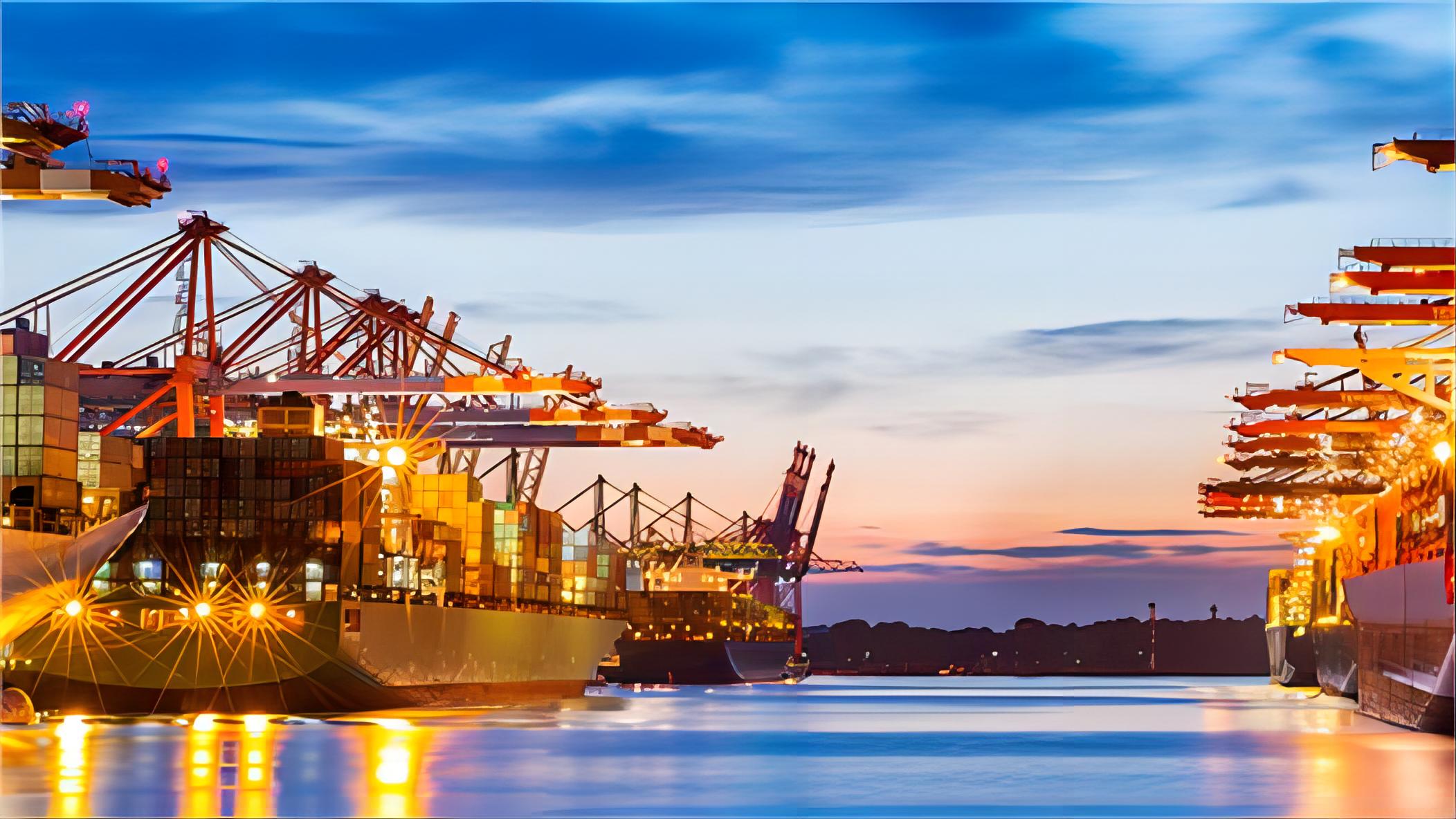
Moreover, the maritime route through the South China Sea and the Indian Ocean connects major Chinese ports like Shanghai and Shenzhen to strategic hubs like Jebel Ali in Dubai. Consequently, this mode of transport serves as the backbone of the trade relationship between China and the Gulf Cooperation Council (GCC) nations.
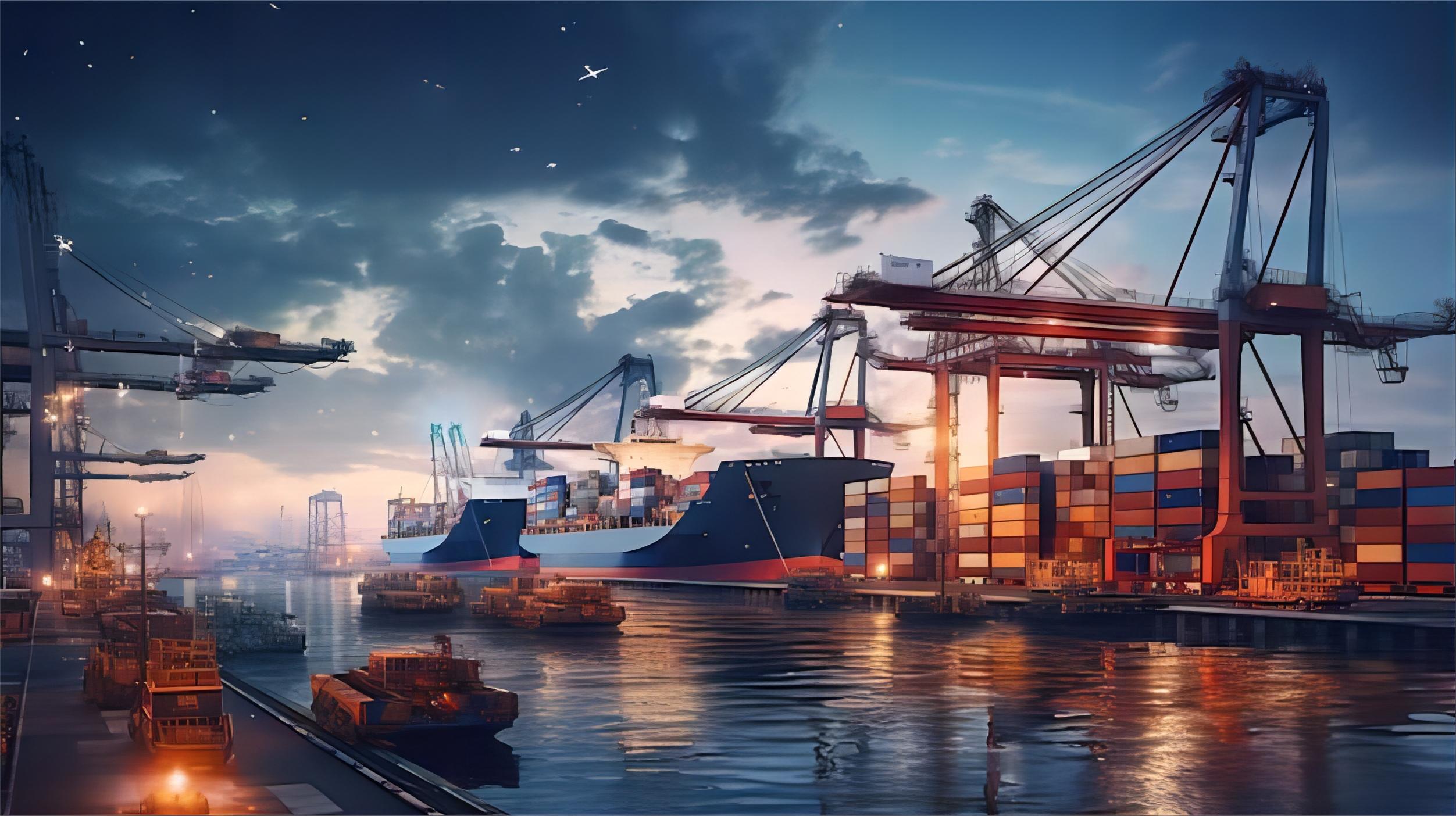
Furthermore, businesses benefit from the versatility of ocean transport, which can handle everything from heavy industrial equipment to delicate consumer goods. Therefore, understanding the nuances of this route is vital for any importer looking to maintain a competitive edge in today’s global marketplace.

FCL vs LCL: Choosing the Right Container Option
Deciding between Full Container Load (FCL) and Less than Container Load (LCL) is a critical step in managing your sea freight china to middle east shipments. FCL involves renting an entire 20ft or 40ft container for your exclusive use, which often results in faster transit times because the container does not need to be consolidated with other cargo.
In contrast, LCL allows multiple shippers to share space within a single container, making it a cost-effective choice for smaller shipments that do not fill a whole unit. Many businesses utilize door to door services to simplify the logistics of LCL, as the forwarder handles the consolidation and deconsolidation processes.
Additionally, FCL provides a higher level of security since the container is sealed at the origin and remains closed until it reaches the destination. Nevertheless, LCL remains an indispensable tool for startups and companies testing new products in the Middle Eastern market without committing to high inventory volumes.
| Feature | FCL (Full Container) | LCL (Shared Container) | Best For |
|---|---|---|---|
| Volume | Above 15 CBM | Under 15 CBM | FCL for large orders |
| Cost | Flat rate per container | Price per CBM | LCL for small loads |
| Security | High (Sealed) | Moderate (Handled) | FCL for fragile goods |
| Speed | Faster (Direct) | Slower (Consolidated) | FCL for urgent sea |
Major Ports in China and the Middle East
China boasts some of the world’s busiest and most efficient ports, which serve as the primary departure points for goods heading to the Middle East. Shanghai, Ningbo-Zhoushan, and Shenzhen are top choices for shippers due to their advanced infrastructure and frequent sailing schedules.
Meanwhile, the Middle East offers world-class destination ports that act as gateways to the entire region. Jebel Ali Port in the UAE is the largest man-made harbor and handles the majority of transshipments for the Gulf region.
Similarly, Saudi Arabia’s Jeddah Islamic Port and King Abdullah Port are vital for reaching the western and central parts of the Kingdom. Consequently, selecting the right port pair can significantly impact your total transit time and inland transportation costs.
How Long Does Sea Freight China to Middle East Take?
Transit times for sea freight china to middle east vary depending on the specific port of loading and the final destination. On average, a direct shipment from Shenzhen to Dubai takes approximately 18 to 22 days, while routes to more distant ports like Aqaba in Jordan may take up to 35 days.
Furthermore, factors such as weather conditions, port congestion, and seasonal demand can influence the actual delivery schedule. During peak seasons, such as the weeks leading up to the Chinese New Year, shippers should expect potential delays due to high cargo volumes and limited vessel space.
Indeed, planning your shipments well in advance is the best way to mitigate the risks of late arrivals. Therefore, working closely with your logistics provider to secure bookings early can help ensure your supply chain remains uninterrupted throughout the year.
| Origin Port | Destination Port | Transit Time (Days) | Frequency |
|---|---|---|---|
| Shenzhen | Jebel Ali (UAE) | 18-22 Days | Daily |
| Shanghai | Jeddah (KSA) | 25-30 Days | Weekly |
| Ningbo | Dammam (KSA) | 22-26 Days | Bi-weekly |
| Guangzhou | Hamad (Qatar) | 20-25 Days | Weekly |
Estimating Shipping Costs for China to Middle East Routes
Understanding ocean freight rates is essential for budgeting your international trade operations. Shipping costs are influenced by several factors, including fuel surcharges (BAF), currency adjustment factors (CAF), and the type of equipment required for your cargo.
As of early 2025, freight rates have stabilized following previous global disruptions, but they remain sensitive to geopolitical events in the Red Sea region. For instance, a 40HQ container from China to the Middle East currently ranges between $3,000 and $4,500 depending on the carrier and specific route.
Moreover, shippers must account for local charges at both the origin and destination, such as terminal handling charges and documentation fees. Consequently, requesting a detailed quote that breaks down all potential costs is the only way to avoid unexpected expenses during the shipping process.
Note: Freight rates are subject to change based on fuel costs, carrier capacity, and seasonal demand. Contact us for a current quote tailored to your specific shipment.
Essential Customs Documentation for Middle East Imports
Navigating the customs requirements of Middle Eastern countries is a complex task that requires precise documentation. Most nations in the region, such as Saudi Arabia and the UAE, require a commercial invoice, a packing list, and a certificate of origin to clear goods.
Additionally, utilizing a professional customs brokerage service can prevent costly delays and fines. For example, Saudi Arabia requires the SABER platform for product certification, which must be completed before the cargo arrives at the port.
Furthermore, some specialized goods may require additional permits from health or telecommunications authorities. Therefore, ensuring all paperwork is accurate and compliant with local regulations is paramount for a smooth customs clearance process.
How Does Sea Freight Compare to Other Shipping Options?
While sea freight china to middle east is the most common choice, it is important to consider alternative methods for urgent or high-value shipments. For instance, air freight offers significantly faster delivery times, often reaching the destination in just 3 to 7 days.
However, air transport is considerably more expensive, making it unsuitable for bulky or low-margin products. In contrast, sea freight provides the capacity needed for large-scale industrial projects and retail inventory replenishment.
Moreover, some shippers opt for hybrid solutions like sea-air freight, which combines the cost-effectiveness of ocean transport with the speed of air delivery. Consequently, businesses must weigh the trade-offs between speed and cost when selecting their preferred shipping method.
| Shipping Method | Cost Range | Transit Time | Best For |
|---|---|---|---|
| Sea Freight | $1,500 – $4,500 | 20-40 Days | Bulk/Large Cargo |
| Air Freight | $5,000 – $18,000 | 3-7 Days | Urgent/High-Value |
| Sea-Air | $3,000 – $8,000 | 12-18 Days | Balanced Priority |
| Express | $200 – $1,000+ | 2-5 Days | Documents/Samples |
Which Option Should You Choose?
Selecting the right shipping strategy depends on your specific business priorities and the nature of your products. If your primary goal is to minimize costs and you have a flexible timeline, sea freight is undoubtedly the most logical choice for your operations.
On the other hand, if you are dealing with perishable goods or urgent contract deadlines, the higher cost of air freight may be justified by the time saved. For shipments that fall between these categories, a sea-air hybrid approach can offer a middle ground that satisfies both budget and speed requirements.
Furthermore, volume thresholds play a significant role in the decision-making process. For shipments under 1 CBM, express services are often more economical, while shipments over 15 CBM almost always benefit from FCL sea freight rates.
Real-World Case Studies: Sea Freight China to Middle East
Case Study 1: Electronics Distribution to Dubai. Route: Shenzhen to Jebel Ali. Cargo: Consumer Electronics, 68 CBM, 12,000 kg. Container: 1 x 40HQ. Shipping Details: Direct route via major carrier. Ocean Freight: $3,450. Origin Charges: $450. Destination Charges: $600. Total Landed Cost: $4,500. Timeline: 21 days door-to-door. Key Insight: Choosing a direct route saved 5 days compared to transshipment options.
Case Study 2: Furniture Import for Saudi Retailer. Route: Ningbo to Jeddah. Cargo: Home Furniture, 8 CBM, 2,500 kg. Container: LCL. Shipping Details: Transshipment via Singapore. Ocean Freight: $720 ($90/CBM). Origin Charges: $200. Destination Charges: $350. Total Landed Cost: $1,270. Timeline: 34 days. Key Insight: LCL was 40 percent cheaper than a 20GP container for this volume.
Many sellers also utilize Amazon FBA services to manage their inventory in the Middle East. These case studies demonstrate that with proper planning and the right shipping method, businesses can achieve significant savings while maintaining a reliable supply chain.
Strategies to Reduce Your Sea Freight Costs
Reducing your sea freight china to middle east expenses requires a combination of smart planning and effective negotiation. One of the most effective ways to lower costs is to optimize your packaging to ensure you are not paying for empty space within your containers.
Additionally, consolidating multiple small orders into a single FCL shipment can lead to substantial savings compared to multiple LCL bookings. Furthermore, choosing off-peak shipping times can help you avoid the premium rates charged during the busiest times of the year.
Finally, establishing a long-term partnership with an experienced freight forwarder can provide access to better rates and priority space on vessels. Consequently, these strategies not only reduce costs but also improve the overall reliability of your international logistics.
Mastering Your Middle East Logistics
In summary, managing sea freight china to middle east effectively involves understanding the balance between cost, speed, and reliability. By selecting the right container options, optimizing your documentation, and choosing strategic ports, you can significantly improve your bottom line.
As market conditions evolve in 2025, staying informed about freight trends and customs regulations will remain essential for success. Trusting your cargo to experts ensures that your business can continue to grow in the vibrant markets of the Middle East without logistical hurdles.
Ready to streamline your logistics?
Ready to streamline your logistics? Contact Top China Freight today for a customized quote on sea freight china to middle east and experience professional shipping solutions tailored to your business needs. Send Inquiry: info@Top China Freight.com
Request Quote