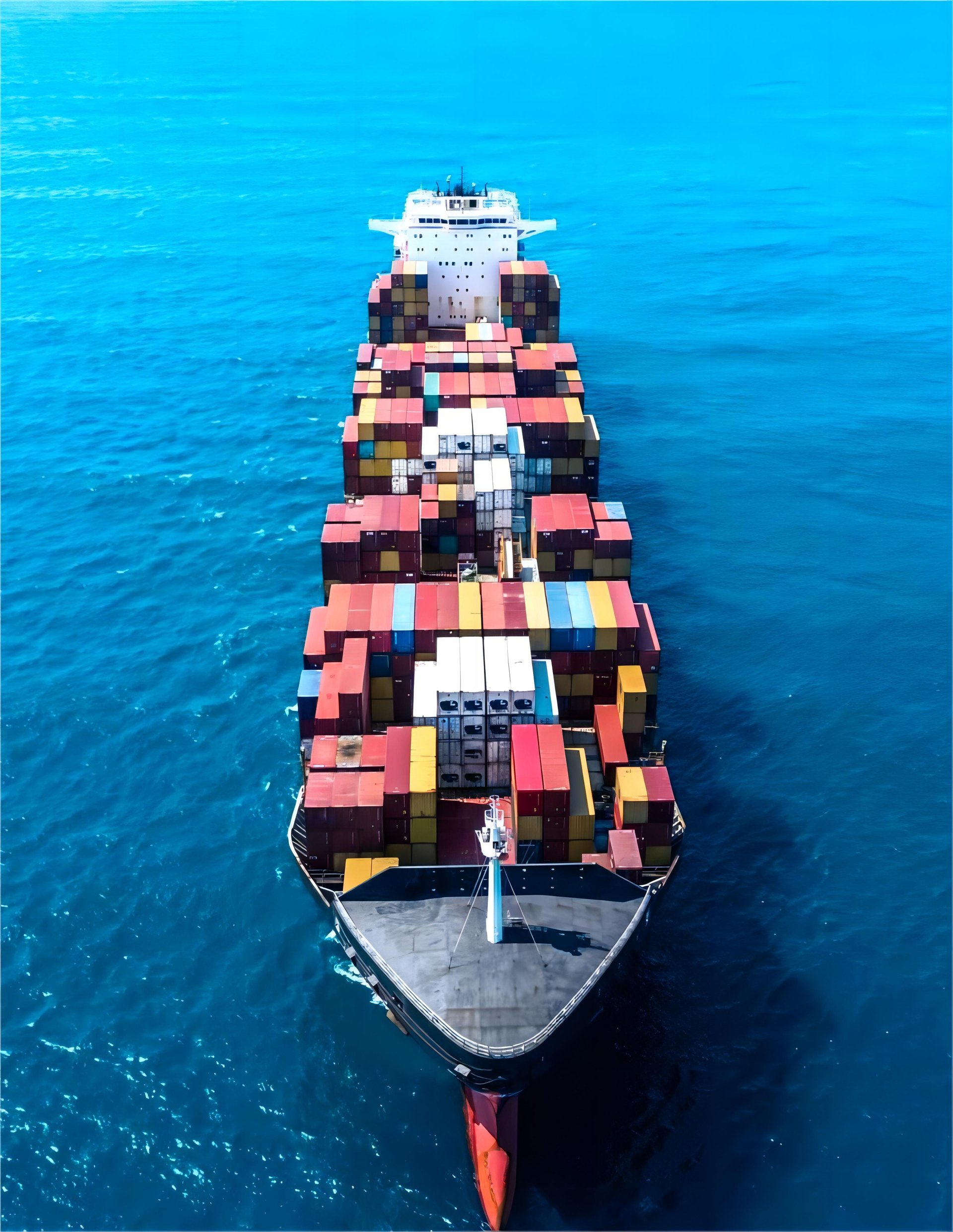
Sea Freight from China to Brazil: 2026 Shipping Rates and Transit Guide
Navigating the complexities of sea freight from China to Brazil requires a reliable partner like Top China Freight to ensure your cargo arrives safely and on schedule. As global trade routes stabilize in 2026, businesses must adapt to new logistics trends and fluctuating maritime costs to maintain a competitive edge. This comprehensive guide provides the essential data you need to optimize your supply chain and minimize international shipping expenses.
Why Choose Sea Freight from China to Brazil for Large Cargo?
Shipping large volumes of goods across the Atlantic and Pacific oceans remains the most cost-effective solution for modern enterprises. Because sea freight offers significantly lower rates per unit compared to other methods, it is the primary choice for industrial machinery, electronics, and bulk commodities. Consequently, companies can allocate more resources to product development rather than logistics overhead.
Moreover, the capacity provided by sea freight services allows for the transport of oversized items that would be impossible to move by air. Shippers benefit from the stability of ocean vessels, which reduces the risk of damage for heavy industrial equipment. Therefore, choosing maritime transport is not just a matter of cost but also a strategic decision for cargo safety.
Additionally, the environmental impact of ocean transport is considerably lower than air transport per ton of cargo. Many Brazilian importers now prioritize sustainable logistics as part of their corporate social responsibility initiatives in 2026. Indeed, utilizing large container ships helps reduce the overall carbon footprint of your international supply chain.
How Does Sea Freight Compare to Other Shipping Options?
Evaluating the best transport method involves balancing speed, cost, and reliability for your specific shipment type. While sea freight is the dominant mode for China-Brazil trade, certain scenarios may require faster alternatives like air freight to meet tight deadlines. However, the price difference between these modes can be substantial, often exceeding five times the cost of ocean transport.
Specifically, air freight is reserved for high-value electronics or urgent spare parts that need to arrive within a week. In contrast, sea freight usually takes between 35 and 50 days to reach major Brazilian ports from Chinese hubs like Shanghai or Shenzhen. Shippers must decide if the time saved justifies the significant increase in landed costs.
Furthermore, hybrid solutions such as sea-air combinations have gained popularity in early 2026 to bridge the gap between cost and speed. These routes often involve shipping by sea to a transshipment hub followed by air transport to the final destination in Brazil. This approach offers a middle ground for businesses that cannot wait for a full sea voyage but want to avoid the peak prices of direct air shipping.
| Shipping Method | Cost Range (USD) | Transit Time | Best For |
|---|---|---|---|
| Sea Freight (FCL) | $2,800 – $4,500 | 35-50 Days | Bulk / Heavy Goods |
| Sea Freight (LCL) | $150 – $250/CBM | 40-55 Days | Small Shipments |
| Air Freight | $8,000 – $15,000 | 5-10 Days | Urgent / High Value |
| Sea-Air Hybrid | $5,000 – $7,500 | 20-25 Days | Medium Urgency |
FCL vs. LCL: Choosing the Right Container Strategy
Selecting between Full Container Load (FCL) and Less than Container Load (LCL) depends largely on your total cargo volume and budget. For shipments exceeding 15 cubic meters, FCL is generally the more economical and secure option because you have exclusive use of the container. This exclusivity minimizes handling and reduces the potential for damage during the consolidation process.
On the other hand, LCL is ideal for smaller businesses or trial shipments where the volume does not justify a full 20ft or 40ft container. Although LCL rates per cubic meter are higher, the total cost remains lower for small quantities. Nevertheless, shippers should account for the extra 5-7 days required for consolidation at the origin and deconsolidation at the destination port.
Professional customs brokerage services are essential regardless of the container type you choose. Brazilian customs regulations are notoriously complex, and errors in documentation can lead to significant delays or fines. Accordingly, working with an experienced logistics provider ensures that your FCL or LCL shipment complies with all local import laws.
Key Ports and Transit Times for Brazil Shipments
Understanding the geography of the route is vital for accurate delivery scheduling and cost estimation. Most shipments depart from major Chinese ports such as Shanghai, Ningbo, Shenzhen, and Qingdao, which offer the most frequent departures. Consequently, choosing a port with high vessel frequency can reduce the time your cargo spends waiting at the terminal.
Major Brazilian ports like Santos, Paranagua, and Rio de Janeiro serve as the primary gateways for international trade in South America. Santos is the largest port in the region and handles the majority of containerized traffic from Asia. Shippers should expect a transit time of approximately 35 to 40 days for direct routes, while transshipment routes may take up to 50 days.
Typical transit times are also influenced by seasonal weather patterns and port congestion levels in 2026. For instance, during the peak season from August to October, increased volume can lead to longer wait times for berthing. Shippers are advised to book their space at least three to four weeks in advance to secure the best rates and schedules.
| China Port | Santos | Paranagua | Rio de Janeiro |
|---|---|---|---|
| Shanghai | 35-38 | 37-40 | 38-42 |
| Shenzhen | 33-36 | 35-38 | 36-40 |
| Ningbo | 36-40 | 38-42 | 39-43 |
| Qingdao | 40-45 | 42-47 | 43-48 |
Which Option Should You Choose?
Budget priority dictates that sea freight is the only viable solution for large-scale imports due to its superior economies of scale. If your business can manage a 45-day lead time, the savings realized from maritime transport will significantly improve your profit margins. For instance, shipping a 40HQ container costs a fraction of the equivalent volume sent via air.
Speed priority requires a shift toward air or hybrid services, especially for perishable goods or seasonal product launches. When time is the most critical factor, the high cost of air transport becomes a necessary investment to prevent stockouts. Shippers must carefully analyze their inventory turnover rates to determine if the speed is worth the premium price.
Cargo type considerations also play a major role in the decision-making process for Brazil logistics. Heavy machinery and raw materials are best suited for FCL sea freight, while small batches of consumer goods may benefit from LCL. Ultimately, a balanced approach using door to door services can simplify the entire process by handling both the ocean voyage and local trucking.
Real-World Case Studies for China-Brazil Routes
Case Study 1: Industrial Machinery from Shanghai to Santos. A manufacturing firm needed to transport heavy equipment for a new factory in Sao Paulo. They chose a 40HQ container via FCL to ensure maximum protection and cost efficiency. By booking early in 2026, they avoided seasonal surcharges and completed the door-to-door delivery in 42 days at a total landed cost of $5,100.
Case Study 2: Electronics Components from Shenzhen to Rio de Janeiro. A retail tech company used LCL shipping for a 5 CBM shipment of high-demand components. Although the transit time was 48 days, the LCL method allowed them to maintain low inventory levels without paying for a full container. The total shipping cost was $1,250, including origin and destination charges.
Case Study 3: E-commerce Goods via Amazon FBA. A seller utilized Amazon FBA logistics to move 8 CBM of consumer products from Ningbo to a Brazilian fulfillment center. This strategy involved consolidated sea freight and specialized labeling services. As a result, the seller successfully entered the Brazilian market with minimal logistics friction and a total shipping time of 52 days.
Customs Clearance and Documentation Checklist
Navigating the Brazilian customs environment is often cited as the most challenging aspect of international shipping. The ‘Receita Federal’ requires precise documentation, and any discrepancy between the invoice and the physical cargo can lead to lengthy seizures. Therefore, ensuring that all paperwork is translated and categorized correctly under the Mercosur Common Nomenclature (NCM) is vital.
Moreover, importers must possess a RADAR license to perform any commercial import activities in Brazil. Without this authorization, your sea freight from China to Brazil will be stuck at the port indefinitely. It is highly recommended to verify your license status and tax compliance before the vessel departs from the Chinese port.
Standard documentation includes the Bill of Lading, Commercial Invoice, Packing List, and Certificate of Origin. Additionally, certain products like medical devices or chemicals may require specific import permits from agencies like ANVISA. Keeping a digital backup of all documents ensures that you can respond quickly to any customs inquiries during the clearance process.
| Document Name | Purpose | Required By | Timing |
|---|---|---|---|
| Bill of Lading | Title of Goods | Carrier/Customs | At Departure |
| Commercial Invoice | Valuation/Taxation | Customs | At Departure |
| Packing List | Cargo Verification | Warehouse/Customs | At Loading |
| Import Declaration | Legal Clearance | Brazilian Gov | At Arrival |
Optimizing Your Sea Freight Strategy in 2026
To summarize, successful sea freight from China to Brazil depends on proactive planning, accurate documentation, and choosing the right container strategy. By understanding the differences between FCL and LCL, you can make informed decisions that protect your bottom line. Furthermore, working with an experienced freight forwarder helps mitigate the risks associated with Brazilian customs and port congestion.
As we move through 2026, staying informed about market trends and freight rate fluctuations will remain essential for global traders. Whether you are shipping industrial machinery or consumer electronics, the maritime route offers the most sustainable and scalable solution for your business growth. Implement these strategies today to ensure your cargo reaches the South American market efficiently and affordably.
Note: Freight rates are subject to change based on fuel costs, carrier capacity, and seasonal demand. Contact us for a current quote tailored to your specific shipment.
Get Your Shipping Quote Today
Ready to streamline your supply chain and reduce costs? Contact Top China Freight today for a customized quote on sea freight from China to Brazil. Visit our website to speak with an expert and secure your 2026 shipping schedule. Visit: https://Top China Freight.com/contact-us/
Request Quote