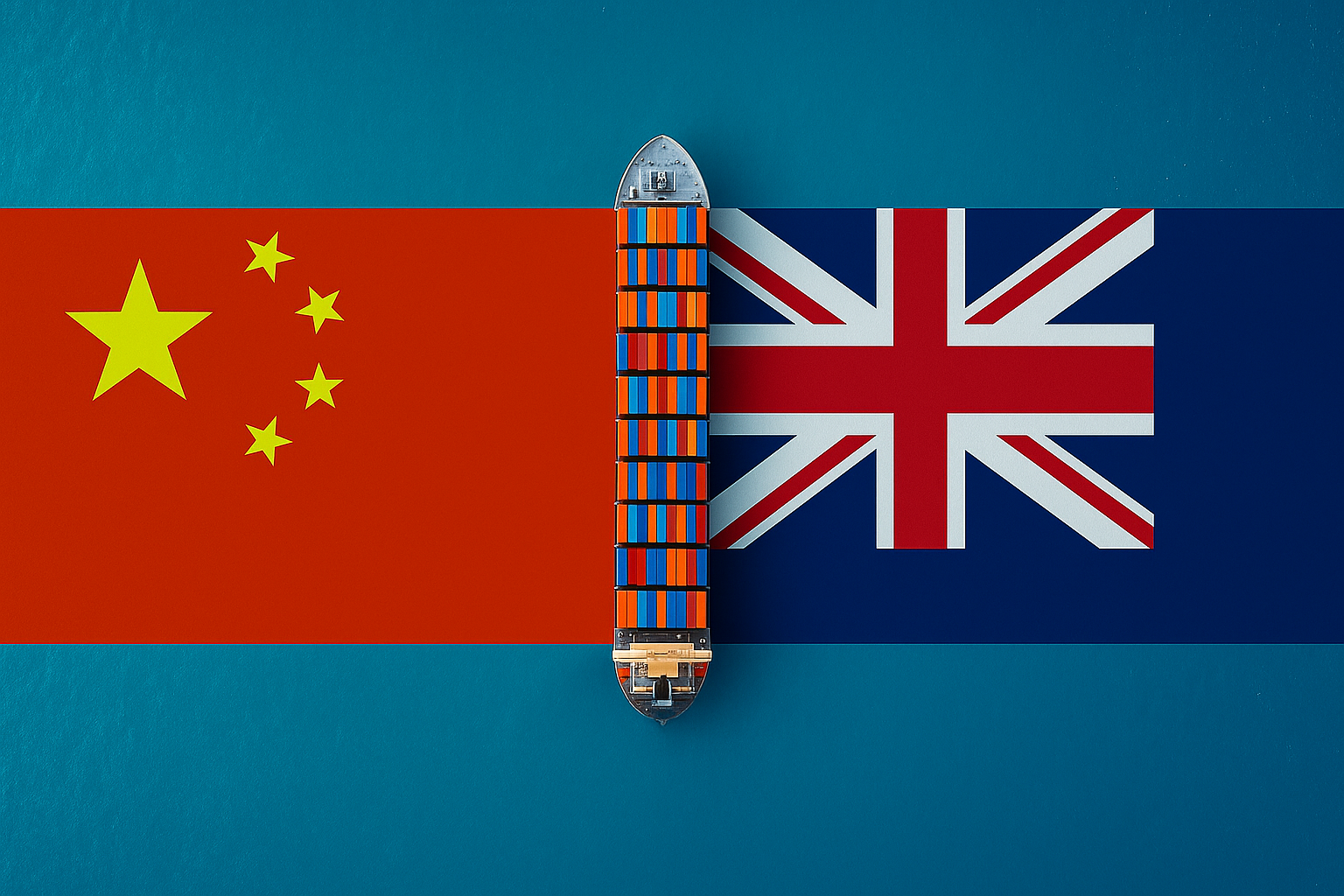
Sea freight from China to UK is one of the busiest shipping routes, serving importers across industries. Although it offers cost efficiency, businesses must carefully plan around transit times, customs requirements, and peak season delays. With the right strategy and professional freight support, importers can save money and ensure reliable delivery schedules.
What Is the Average Sea Freight Time from China to UK?
The average transit time ranges from 30 to 40 days, depending on the origin port, shipping line, and final UK port.
Route
Average Transit Time
Shenzhen → Felixstowe
32–36 days
Ningbo → Southampton
34–38 days
Shanghai → London Gateway
30–35 days
Qingdao → Liverpool
35–40 days
Additionally, inland trucking or rail delivery within the UK may add extra time after container discharge.
How Much Does Sea Freight from China to UK Cost?
Sea freight costs fluctuate based on container size, destination, and demand.
Container Type
Shenzhen → UK (USD)
Shanghai → UK (USD)
20GP
$1,200 – $1,800
$1,300 – $1,900
40GP
$2,200 – $2,800
$2,300 – $2,900
40HQ
$2,400 – $3,000
$2,500 – $3,100
Moreover, peak seasons like Christmas or Chinese New Year can increase rates by 15–20%.
Accordingly, sea freight remains the best solution for large shipments where cost efficiency is critical.
How Do Customs Duties and VAT Work in the UK?
Import duties vary by product category and HS code, ranging from 0% to 25%. Additionally, importers must pay VAT at 20% on most goods. Goods under £135 may qualify for simplified VAT collection. Moreover, every importer must hold a valid EORI number for customs processing.
Should You Choose FOB, CIF, or DDP for Sea Freight?
Incoterms define buyer and seller responsibilities.
Term
Seller Responsibility
Buyer Responsibility
Best For
FOB
Delivery to port in China
Freight + UK customs
Experienced importers
CIF
Freight & insurance to UK port
Customs clearance
Balanced approach
DDP
Full delivery to UK address
Minimal obligations
New importers
For first-time importers, DDP is often preferred despite higher costs, since the seller handles most responsibilities.
How Can Importers Reduce Sea Freight Costs from China to UK?
Consolidate shipments to maximize container space.
Book early to avoid seasonal surcharges.
Compare carrier rates from COSCO, CMA, or MSC.
Use FCL instead of LCL when volume is sufficient.
Optimize packaging to reduce volumetric space.
As a result, businesses can reduce annual logistics costs by up to 20%.
What Factors Can Delay Sea Freight Transit Times?
Several variables affect transit schedules:
Port congestion at Felixstowe or Southampton.
Customs inspections for high-risk shipments.
Seasonal demand spikes during holidays.
Global events such as strikes or extreme weather.
Therefore, importers should build safety buffers into delivery planning.
Is Sea Freight the Best Option for UK Imports?
Although air freight is faster, sea freight remains the most practical method for bulk shipments.
Mode
Transit Time
Cost Range
Ideal For
Sea Freight
30–40 days
$2,200–$3,000/40HQ
Large cargo, low cost
Air Freight
5–8 days
$6–$10/kg
Urgent, high-value goods
Rail Freight
18–25 days
$7,500–$9,500/40HQ
Mid-cost, medium cargo
On the other hand, air or rail freight may be justified when deadlines are strict.
Conclusion
Sea freight from China to UK is a cost-effective and reliable shipping solution, with transit times averaging 30–40 days. Importers must account for customs duties, VAT, and Incoterms when planning. Moreover, professional freight forwarders provide crucial support, helping businesses reduce costs and avoid delays. Ultimately, choosing the right container size, shipping method, and logistics partner ensures smooth trade operations and timely delivery in one of the world’s busiest shipping lanes.
Consult TJ China Freight Forwarding for the lowest quote. They will provide you with reliable, cost-effective service.