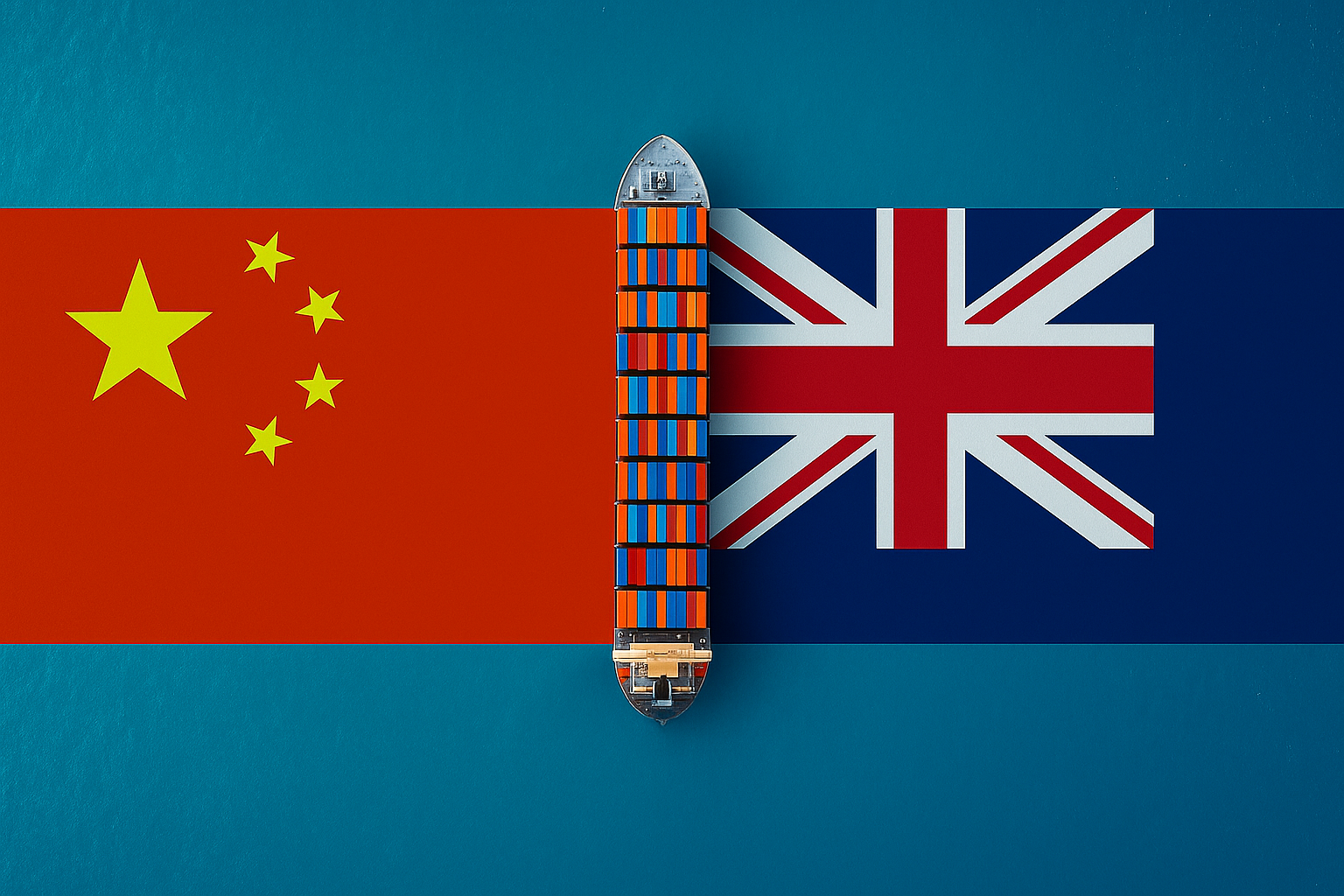
Sea freight rates from China to UK are crucial for importers balancing costs, delivery schedules, and supply chain efficiency. Understanding prices, shipping methods, and transit times helps businesses make smarter decisions when importing goods.
What Factors Affect Sea Freight Rates from China to UK?
Several variables impact sea freight rates from China to UK, including:
Distance & Route: East coast vs west coast of China affects transit days.
Fuel Surcharges: Bunker Adjustment Factors (BAF) often fluctuate.
Seasonal Demand: Peak season (August–October) raises costs.
Port Congestion: Southampton and Felixstowe may delay clearance.
Container Type: 20GP, 40GP, or 40HQ influence base rates.
Additionally, global events such as strikes, geopolitical shifts, or capacity shortages can influence rates dramatically.
How Much Does Sea Freight from China to UK Cost?
Rates depend on container size, shipping line, and timing. Below is a typical breakdown:
Container Type
Average Rate (USD)
Suitable For
20GP
$850 – $1,200
Small to medium shipments
40GP
$1,450 – $1,900
Medium to large shipments
40HQ
$1,500 – $2,100
High-volume shipments
Note:Prices vary weekly due to fuel costs and demand.
Can Sea Freight Rates from China to UK Be Reduced?
Yes. Strategies include:
Booking Early: Avoid peak-season surcharges.
Consolidation: Use LCL for smaller shipments.
Choosing Alternate Ports: Southampton vs London Gateway.
Partnering with Forwarders: Trusted partners like Top China Freight negotiate better carrier contracts.
How Do Port Charges and Customs Affect Costs?
Besides freight, importers pay THC (Terminal Handling Charges), customs duty, and VAT. For example:
Cost Component
Average Charge (USD)
THC
$150 – $250 per container
UK Customs Duty
2–12% (based on HS Code)
VAT
20% of declared value
Without proper planning, these can add 25–30% to total landed cost.
What Are the Pros and Cons of Using UK’s Major Ports?
Port
Pros
Cons
Felixstowe
Largest port, fast customs
Frequent congestion
Southampton
Strong connection to Europe
Higher port fees
London Gateway
Modern infrastructure
Fewer shipping lines
Conclusion
Sea freight rates from China to UK depend on container size, route, customs, and seasonal demand. Importers should compare FCL vs LCL, evaluate port choices, and prepare documents carefully to avoid delays. Partnering with reliable freight forwarders ensures lower costs and faster delivery. Ultimately, understanding sea freight rates from China to UK helps businesses maintain competitive supply chains and optimize import strategies.
Consult TJ China Freight Forwarding for the lowest quote. They will provide you with reliable, cost-effective service.