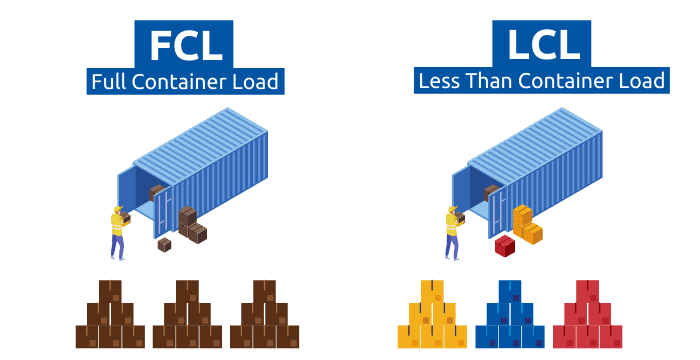
Businesses importing from China face many challenges when planning shipping China to Australia. Although demand for cross-border trade is high, importers must navigate freight options, customs rules, costs, and delivery schedules. This guide explains available methods, required documents, pricing, and case studies to simplify logistics planning.
What Are the Main Shipping Methods from China to Australia?
What Are the Customs Duties and Taxes for Australia?
Australia imposes:
Import Duty: based on HS codes (generally 5%).
GST: 10% of the CIF (cost, insurance, freight) value.
Additional Fees: biosecurity inspections for certain goods.
Therefore, importers must calculate landed costs before placing orders.
How Much Does Shipping from China to Australia Cost?
Cargo Type
Avg. Cost (USD)
Notes
20GP Container
1,500–2,000
Low-volume shipments
40GP Container
2,500–3,000
Most common
40HQ Container
2,800–3,500
For bulky goods
LCL (per CBM)
150–250
Flexible option
Air Freight
5–8/kg
Time-sensitive cargo
Courier
8–12/kg
Small urgent orders
Consequently, importers must balance urgency with cost efficiency.
What Are the Pros and Cons of Air vs Sea Freight to Australia?
Mode
Pros
Cons
Sea Freight
Cheapest per unit, large volume capacity
Slow, subject to port delays
Air Freight
Fast, reliable, secure
High cost for bulky shipments
Courier
Simple, quick
Unsustainable for bulk
Rail + Sea
Hybrid option, cost-friendly
Limited, slower than air
As a result, many businesses use sea freight for large orders and air freight for urgent replenishment.
How Do Seasonal Trends Affect Shipping China to Australia?
Peak Q4 (Sept–Dec): rates surge due to Christmas and holiday shopping demand.
Chinese New Year: factories shut down, leading to delays.
Back-to-School Seasons: higher volumes of apparel and electronics impact air cargo capacity.
Thus, advance booking is critical during seasonal peaks.
Should Businesses Work with Freight Forwarders for Australia Shipments?
Yes, freight forwarders provide:
Consolidation services for small shipments.
Customs clearance support with ABF compliance.
Negotiated rates with carriers.
Real-time tracking for sea and air shipments.
In addition, forwarders reduce risks of costly mistakes with customs and Amazon FBA warehouses in Australia.
Conclusion
In summary, shipping China to Australia involves choosing between sea, air, or courier freight, depending on cost and urgency. Real cases show how Shenzhen–Sydney, Ningbo–Melbourne, and Shanghai–Brisbane shipments balance transit time and expenses.
Without a doubt, freight forwarders simplify logistics by handling customs, documentation, and delivery schedules. Businesses should evaluate options carefully, book early during peak seasons, and request detailed quotes to ensure cost-effective, reliable shipping solutions.
Consult TJ China Freight Forwarding for the lowest quote. They will provide you with reliable, cost-effective service.