Global trade relies heavily on the use of a China container logistics, as most cargo moves across seas in standardized steel boxes. However, importers often face questions about pricing, container sizes, transit times, and customs rules. This article explains everything clearly, including costs, shipping methods, and real case studies.
What Is a Shipping Container from China?
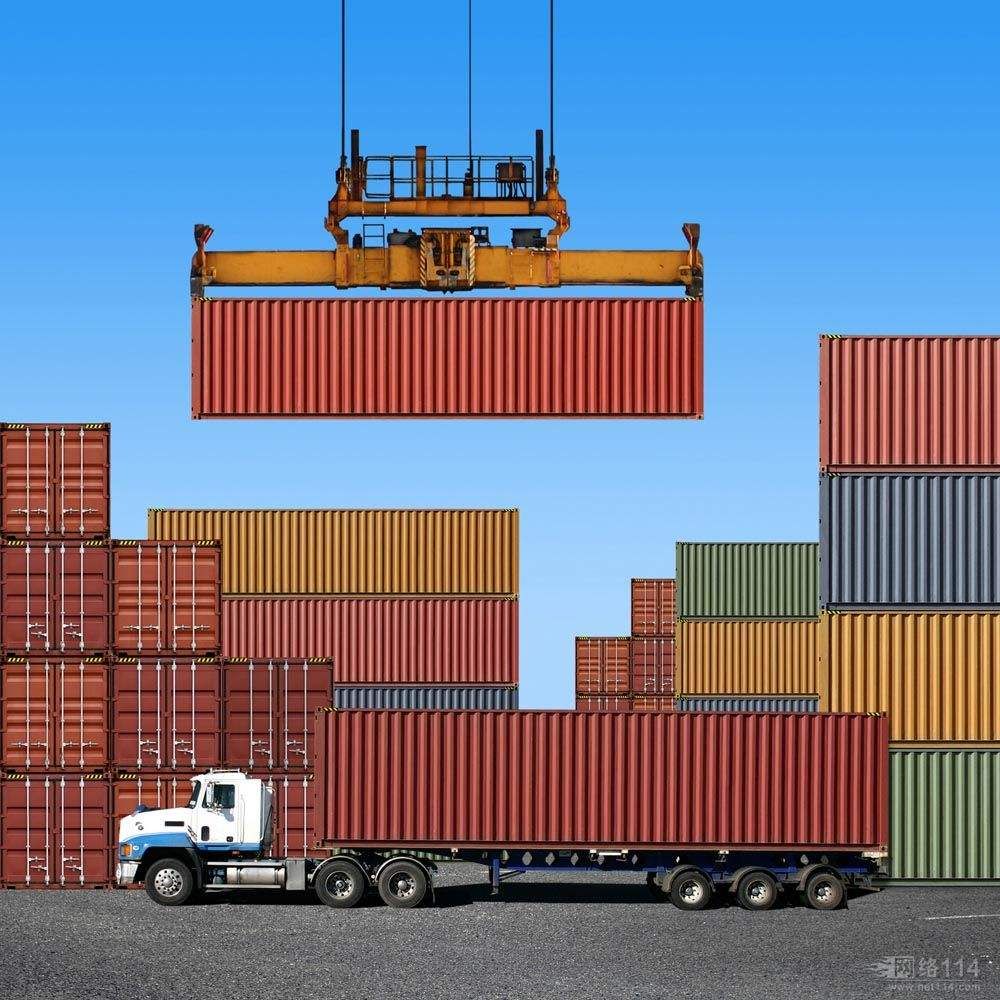
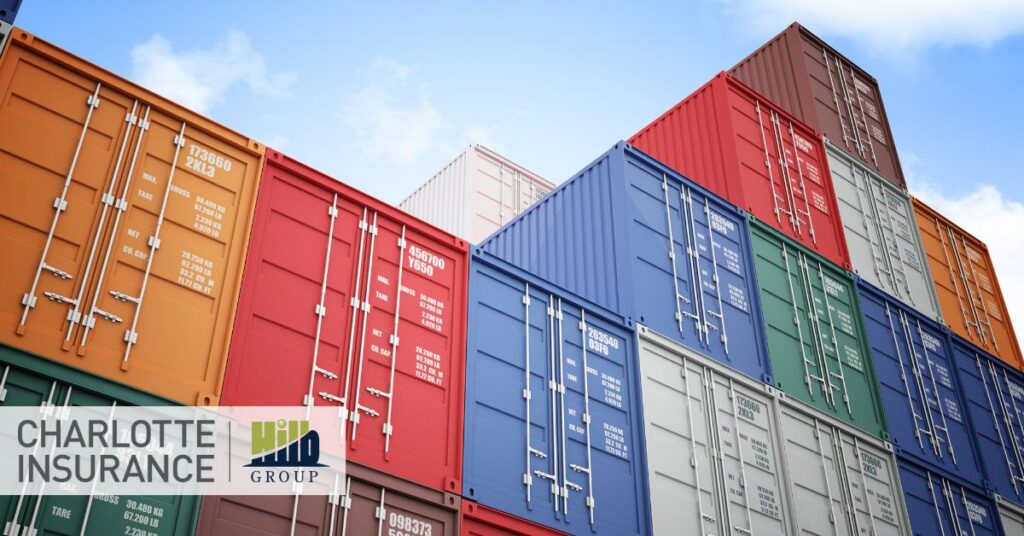
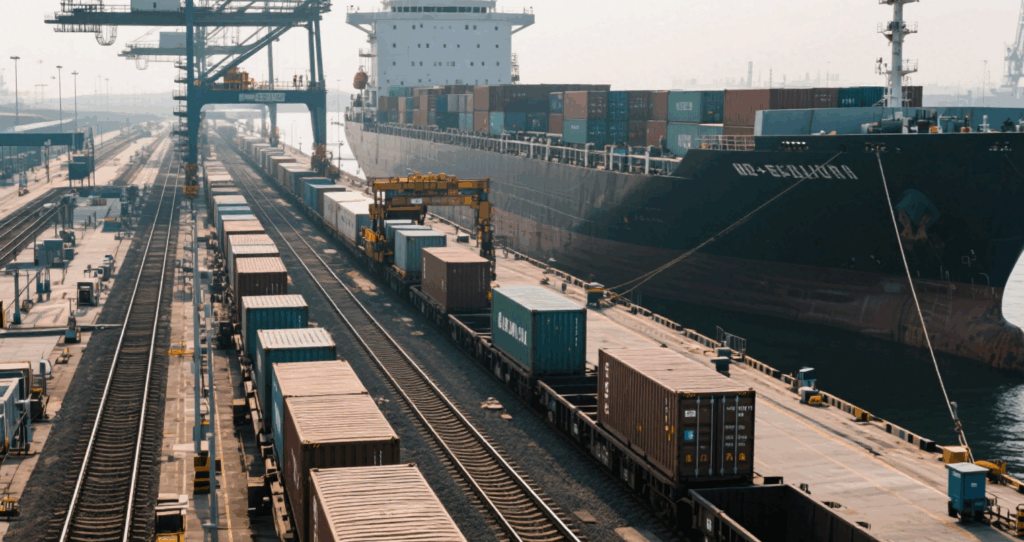
A shipping container China is a standardized box made of durable steel, designed to move goods safely by sea, rail, or truck. It comes in multiple sizes, the most common being 20GP, 40GP, and 40HQ. These units simplify logistics, reduce handling, and minimize the risk of cargo damage.
How Do Incoterms Affect China container logistics?
FOB (Free on Board): Seller delivers to port, buyer controls shipping.
CIF (Cost, Insurance & Freight): Seller pays freight and insurance, buyer pays duties.
DDP (Delivered Duty Paid): Seller covers all costs, less common for containers.
Choosing the right Incoterm determines cost responsibilities and risk allocation during transit.
Can SMEs Benefit from Using China container logistics?
Absolutely. SMEs reduce costs with LCL shipping, share containers with other importers, and still access global supply chains efficiently. Additionally, freight forwarders help small businesses optimize consolidation and minimize customs risks.
Conclusion
To summarize, a shipping container China provides an efficient way to transport goods globally, balancing cost, speed, and reliability. Sea freight offers the lowest per-unit costs, rail balances price and time, and air provides speed for urgent cargo. Moreover, SMEs can benefit from LCL options, while larger firms save more with FCL. Choosing the right Incoterm and freight partner ensures smooth customs and reduced risk. Ultimately, shipping containers from China remain the backbone of international logistics.
Consult TJ China Freight Forwarding for the lowest quote. They will provide you with reliable, cost-effective service.