

Shipping Cost China to Canada: 2026 Complete Pricing Guide
Navigating the complexities of international logistics requires a clear understanding of the current shipping cost China to Canada to maintain a profitable supply chain. Consequently, businesses must evaluate various transportation modes and seasonal fluctuations to secure the most competitive rates in 2026. Top China Freight provides comprehensive logistics solutions designed to streamline your imports and reduce overall expenditures. This guide explores every factor influencing freight expenses, ensuring you make informed decisions for your Canadian operations.

SEO Optimization Options for Strategy Planning
Specifically, we have developed five H1 title options to assist your marketing team with A/B testing for 2026 campaigns. Option one focuses on a complete pricing guide, while option two highlights how much shipping cost China to Canada fluctuates. Option three analyzes air versus sea freight, option four focuses on the lowest cost strategies, and option five provides a detailed rate breakdown.
Furthermore, three meta description options are available to enhance your search engine visibility. The first option highlights supply chain optimization, the second focuses on budgeting for FCL and LCL, and the third emphasizes cost-saving tips from expert logistics providers. Utilizing these variations can significantly improve your click-through rates and organic performance.

What Primary Factors Influence the Shipping Cost China to Canada?
Determining the total shipping cost China to Canada involves analyzing several variables that change based on market demand and fuel prices. Market data suggests that fuel surcharges remain a significant component of the overall price, especially during peak seasons. Additionally, the choice between different ports in China, such as Shenzhen or Ningbo, can impact the local handling fees and inland transportation expenses.
Moreover, the weight and volume of your cargo dictate whether you should choose volume-based or weight-based pricing models. Importers often find that dimensional weight calculations for air cargo can lead to unexpected costs if the packaging is not optimized. Therefore, proper cargo handling and efficient packing are essential to minimizing unnecessary expenditures in the 2026 logistics landscape.
How Does Sea Freight Compare to Other Shipping Options?
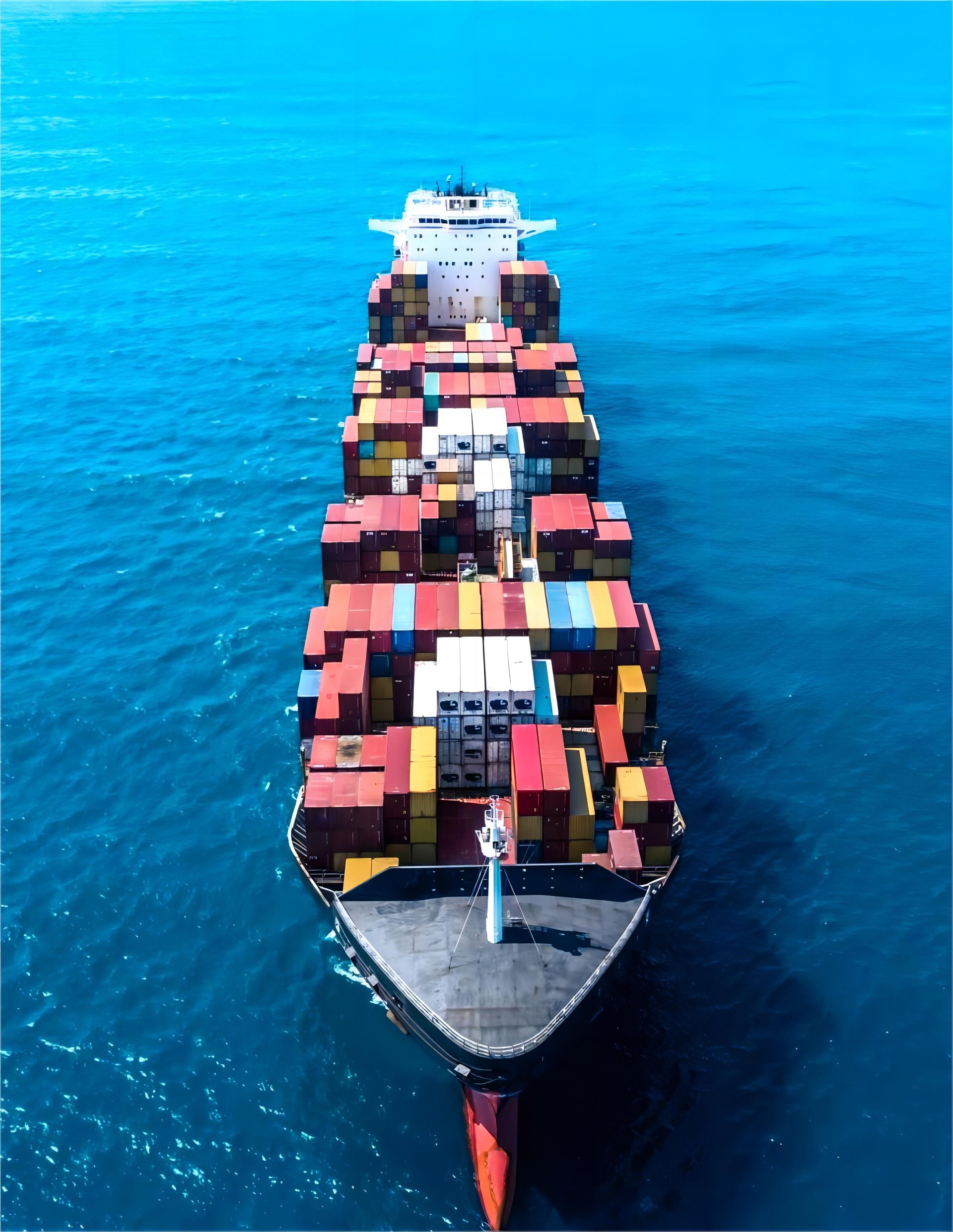
Utilizing sea freight remains the most economical choice for large-scale shipments and heavy industrial goods. While transit times are longer than air transport, the cost per cubic meter is significantly lower for bulk commodities. Consequently, most businesses moving furniture, machinery, or large retail inventories prefer ocean transport for its high capacity.
In contrast, air freight offers speed but comes at a premium price point that may not suit all budgets. For shipments under 100 kilograms, express services often provide better value due to their all-inclusive nature. Meanwhile, hybrid solutions like sea-air combinations are gaining popularity in 2026 as a middle ground between cost and speed.
| Sea Freight (FCL) | $1,800 – $4,200 | 18 – 35 Days | Bulk Goods / Containers |
| Air Freight | $5.50 – $12.00/kg | 5 – 9 Days | Electronics / Urgent |
| Express Service | $8.00 – $15.00/kg | 3 – 5 Days | Small Parcels / Samples |
| Sea-Air Hybrid | $3.50 – $6.00/kg | 12 – 18 Days | Balanced Budget/Speed |

Understanding Air Freight Rates China to Canada 2026
Choosing air freight is ideal for high-value items or time-sensitive inventory that must reach the Canadian market quickly. As of Q1 2026, air cargo prices have stabilized, though they remain sensitive to jet fuel price adjustments. Indeed, the speed of delivery allows businesses to maintain lower inventory levels and respond rapidly to consumer trends.
Typically, air freight rates are calculated based on the greater of actual weight or volumetric weight. This means that lightweight but bulky items might cost more than small, heavy items of the same weight. Consequently, working with an experienced freight forwarder can help you optimize your packaging to avoid high dimensional weight surcharges.
The Role of Customs and Duties in Your Total Landed Cost
Professional customs brokerage is vital for ensuring that your shipping cost China to Canada does not escalate due to unexpected fines or delays. Every imported product must be correctly classified under the Harmonized System (HS) codes to determine the applicable duty rates. Furthermore, Canadian customs regulations require specific documentation, including commercial invoices, packing lists, and certificates of origin.
As a result, failing to provide accurate paperwork can lead to cargo being held at the port of discharge, incurring storage fees. These additional costs can quickly erase the savings achieved through low freight rates. Therefore, integrating customs expertise into your supply chain strategy is a necessary step for any serious importer in 2026.
Door to Door Shipping Cost China to Canada Explained
Selecting a door to door service simplifies the entire logistics process by consolidating all charges into a single quote. This method covers everything from the initial pickup at the Chinese factory to the final delivery at your warehouse in Canada. Additionally, it often includes customs clearance, which provides peace of mind for businesses without dedicated logistics departments.
While the upfront quote for door-to-door service might appear higher than port-to-port rates, it eliminates hidden fees and administrative burdens. Many small and medium enterprises in North America prefer this model for its transparency and ease of management. Indeed, knowing the final landed cost before the goods even leave China is a significant advantage for financial planning.
Alternative Strategies and Cost-Saving Logistics Trends
Implementing an express service for your most urgent shipments can prevent costly stockouts during peak shopping seasons. However, for non-urgent inventory, consolidated LCL (Less than Container Load) shipping remains a powerful tool for reducing expenses. By sharing container space with other importers, you only pay for the volume you actually use, which is ideal for smaller shipments.
Another emerging trend in 2026 is the use of data analytics to predict shipping lane congestion and choose alternative ports of entry. For example, routing goods through Vancouver instead of Prince Rupert might save time depending on current rail terminal fluidities. Historically, shippers who remain flexible with their routes and timing achieve 10-15% lower annual costs than those who stick to rigid schedules.
| Under 100kg | Express Courier | Air Freight Consolidation | 15% – 20% |
| 100kg to 500kg | Air Freight | LCL Sea Freight | 60% – 70% |
| Over 15 CBM | FCL (20GP) | LCL (Multiple) | 10% – 15% |
| Urgent Bulk | Direct Air | Sea-Air via Dubai | 25% – 30% |
Realistic Case Studies of China to Canada Shipments
Examining real-world examples helps illustrate how the shipping cost China to Canada is applied in practical scenarios. These cases reflect market rates and operational conditions observed in early 2026. Note: Freight rates are subject to change based on fuel costs, carrier capacity, and seasonal demand. Contact us for a current quote tailored to your specific shipment.
+———————————————————+ | Case Study 1: Electronics from Shenzhen to Toronto | +———————————————————+ | Route: Shenzhen, China to Toronto, Canada | | Cargo: Electronic Components, 5 CBM, 1200 kg | | Container: LCL 5 CBM | | | | Shipping Details: | | – Carrier/Service: Major Air Carrier | | – Port of Loading: Shenzhen SZX | | – Port of Discharge: Toronto YYZ | | – Route Type: Direct | | | | Cost Breakdown: | | – Air Freight: $6,200 | | – Origin Charges: $250 | | – Destination Charges: $350 | | – Customs and Duties: $1,100 | | – Total Landed Cost: $7,900 | | | | Timeline: | | – Booking to Loading: 2 days | | – Air Transit: 2 days | | – Customs Clearance: 2 days | | – Total Door-to-Door: 7 days | | | | Key Insight: Air freight saved a production line. | +———————————————————+
+———————————————————+ | Case Study 2: Furniture from Ningbo to Vancouver | +———————————————————+ | Route: Ningbo, China to Vancouver, Canada | | Cargo: Household Furniture, 28 CBM, 4500 kg | | Container: 20GP Full Container | | | | Shipping Details: | | – Carrier/Service: COSCO | | – Port of Loading: Ningbo | | – Port of Discharge: Vancouver | | – Route Type: Direct | | | | Cost Breakdown: | | – Ocean Freight: $2,100 | | – Origin Charges: $400 | | – Destination Charges: $550 | | – Customs and Duties: $800 | | – Total Landed Cost: $3,850 | | | | Timeline: | | – Booking to Loading: 5 days | | – Sea Transit: 16 days | | – Customs Clearance: 3 days | | – Total Door-to-Door: 24 days | | | | Key Insight: FCL was cheaper than LCL for this volume. | +———————————————————+
Which Option Should You Choose? A Decision Framework
Selecting the right shipping method depends entirely on your specific business priorities, whether you value speed or cost-efficiency. If your primary goal is budget priority, we recommend choosing LCL or FCL sea freight at least 6-8 weeks in advance. Conversely, if speed is the priority for high-margin goods, air freight is the only viable solution to meet tight deadlines.
Consider cargo type as well; hazardous materials or fragile items may require specialized handling that influences the total price. Volume thresholds also play a role, as shipments exceeding 15 cubic meters usually become more cost-effective when moved via a 20GP container rather than LCL. By evaluating these criteria, you can develop a robust logistics strategy that supports your growth in the Canadian market.
Strategic Management of Your Shipping Cost China to Canada
Summarizing the key takeaways, managing your shipping cost China to Canada requires a proactive approach to carrier selection and documentation. By understanding the differences between sea and air freight, you can allocate your budget more effectively while ensuring timely deliveries. Additionally, partnering with a reliable freight forwarder mitigates the risks of customs delays and hidden fees.
Ultimately, staying informed about 2026 market trends and utilizing the right shipping modes will give your business a competitive edge. Whether you are shipping small parcels or full containers, the right strategy makes all the difference in your bottom line. We encourage you to use this guide as a foundation for your international logistics planning throughout the coming year.
Get Your Shipping Quote Today
Ready to optimize your supply chain and secure the best shipping cost China to Canada? Our team at Top China Freight is standing by to provide you with a customized quote and expert logistics advice. Contact us today to start saving on your 2026 imports.
Request Quote