

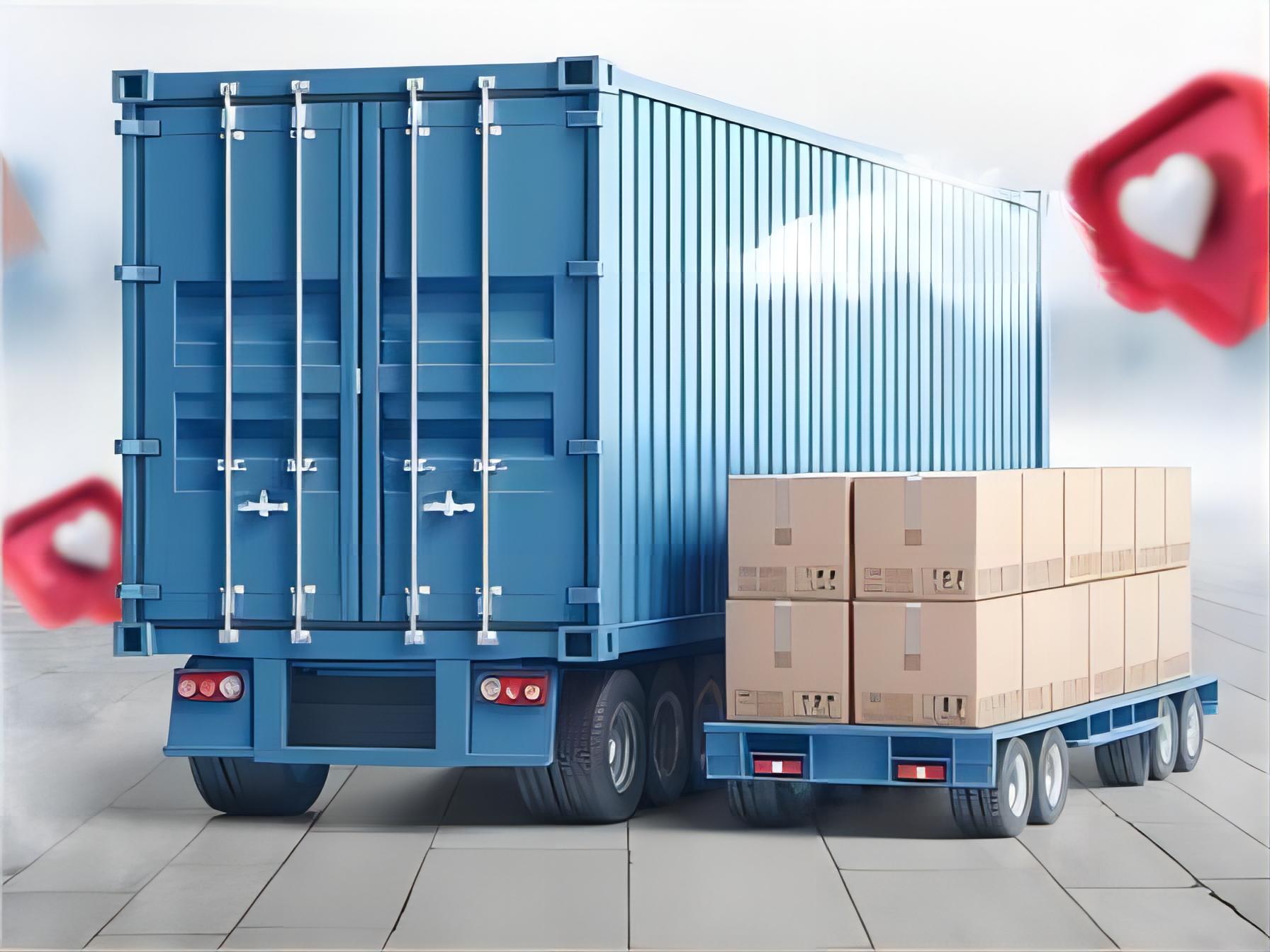
Shipping Cost from China to Germany: 2026 Freight Rates Guide
Navigating the complexities of international trade requires a clear understanding of the logistics landscape. Businesses often struggle to calculate the exact shipping cost from China to Germany due to fluctuating market conditions and varying service levels. By partnering with a reliable freight forwarder like Top China Freight, importers can streamline their supply chain and secure competitive pricing in the 2026 market.

What Factors Influence the Shipping Cost from China to Germany?
Several critical variables determine the final price you pay for transporting goods across these two economic powerhouses. Primarily, the choice of transport mode serves as the most significant cost driver in your logistics strategy.
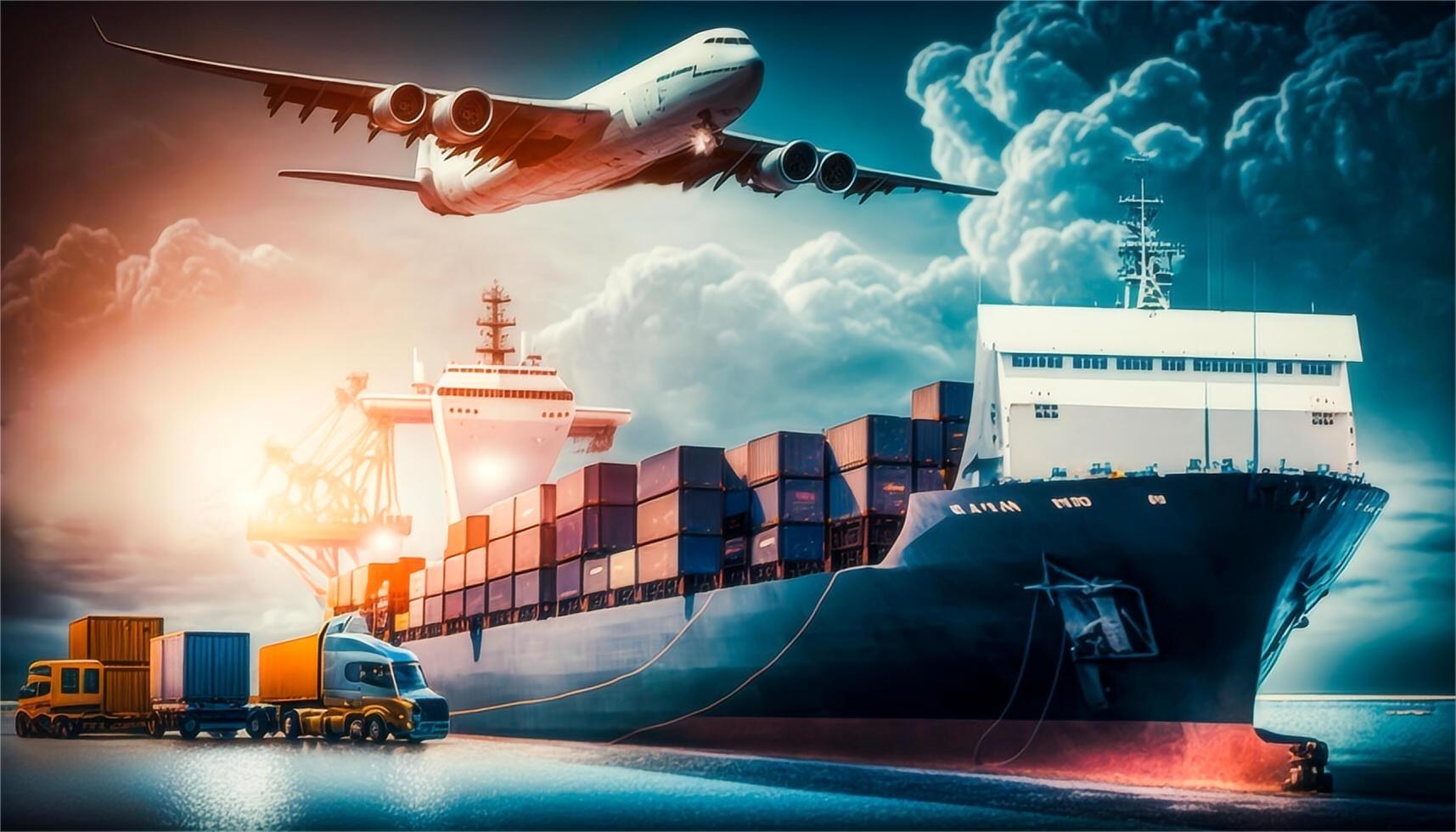
Fuel surcharges and seasonal demand fluctuations significantly impact the market rates during peak periods like the Golden Week or the pre-Christmas rush. Additionally, the physical dimensions and weight of your cargo dictate whether you pay based on volumetric weight or actual mass.
Customs duties and administrative fees also contribute to the total landed cost of your products in the European market. Consequently, understanding these elements allows businesses to forecast their expenses more accurately and avoid unexpected charges during transit.
How Does Sea Freight Compare to Other Shipping Options?
Ocean transport remains the backbone of global trade, especially for high-volume shipments that are not time-sensitive. While sea freight offers the lowest cost per unit, it requires the longest lead times in the industry.
Compared to air transport, maritime shipping can save companies up to 80 percent on logistics expenses for bulky items. However, the trade-off involves a transit period that typically spans 30 to 45 days depending on the specific port of loading.
In contrast, rail options provide a middle ground that balances speed and expense more effectively than traditional ocean routes. Therefore, many importers choose sea freight for stock replenishment while reserving other methods for urgent orders.
| Shipping Method | Cost Range | Transit Time | Best For |
|---|---|---|---|
| Sea Freight (FCL) | $3,000 – $4,500 | 30-40 Days | Bulk Goods |
| Air Freight | $5.50 – $9.00/kg | 5-8 Days | High Value |
| Rail Freight | $2,000 – $3,200 | 18-22 Days | Medium Volume |
| Express | $9.00 – $15.00/kg | 3-5 Days | Urgent Samples |
Understanding Ocean Freight: FCL vs LCL Costs
Full Container Load (FCL) shipping provides a dedicated space for your cargo, which often results in faster handling and lower risk of damage. This method becomes highly economical once your shipment volume exceeds 15 cubic meters.
Less than Container Load (LCL) allows multiple shippers to share space within a single container, making it ideal for smaller batches. Nevertheless, LCL involves higher handling fees at both origin and destination ports due to the consolidation process.
Market data suggests that FCL rates for a 40HQ container from Shanghai to Hamburg currently hover between $3,200 and $4,200 in early 2026. Meanwhile, LCL rates are calculated per cubic meter, typically ranging from $50 to $90 depending on the carrier.
Why Choose Air Freight for Your Shipments?
Urgent shipments often necessitate the speed and reliability of air freight services. Although this is the most expensive option, it minimizes the risk of inventory stockouts and reduces warehouse holding costs.
Electronics and high-fashion items frequently move via air to ensure they reach the German market while demand remains at its peak. Furthermore, the enhanced security measures at airports significantly lower the probability of theft or transit damage.
Rates for air transport are highly sensitive to jet fuel prices and available belly capacity on passenger flights. As of early 2026, shippers should budget for higher premiums during the Q4 peak season when demand for air space spikes.
Is Rail Freight a Viable Alternative for Germany?
The Iron Silk Road has revolutionized logistics by offering rail freight as a competitive alternative to traditional modes. It connects major Chinese hubs like Chengdu and Xi’an directly to German terminals in Duisburg and Hamburg.
Transit times for rail are approximately half those of sea freight, while costs remain significantly lower than air transport. Consequently, this method has become a favorite for automotive parts and industrial machinery manufacturers.
Rail infrastructure improvements in 2025 and 2026 have increased the reliability of these overland routes. Indeed, many businesses now use rail as their primary strategy to maintain a lean supply chain without the high costs of flying cargo.
Managing Customs and Documentation in Germany
Successful importation requires meticulous attention to German customs regulations and the necessary paperwork. Engaging a professional customs brokerage service can prevent costly delays and fines at the border.
Importers must provide accurate commercial invoices, packing lists, and certificates of origin to facilitate smooth clearance. Additionally, the EORI number is a mandatory requirement for any business entity importing goods into the European Union.
Valuation of goods must strictly follow EU standards to ensure correct calculation of Value Added Tax and import duties. Therefore, verifying your Harmonized System codes before shipping is essential for accurate cost estimation.
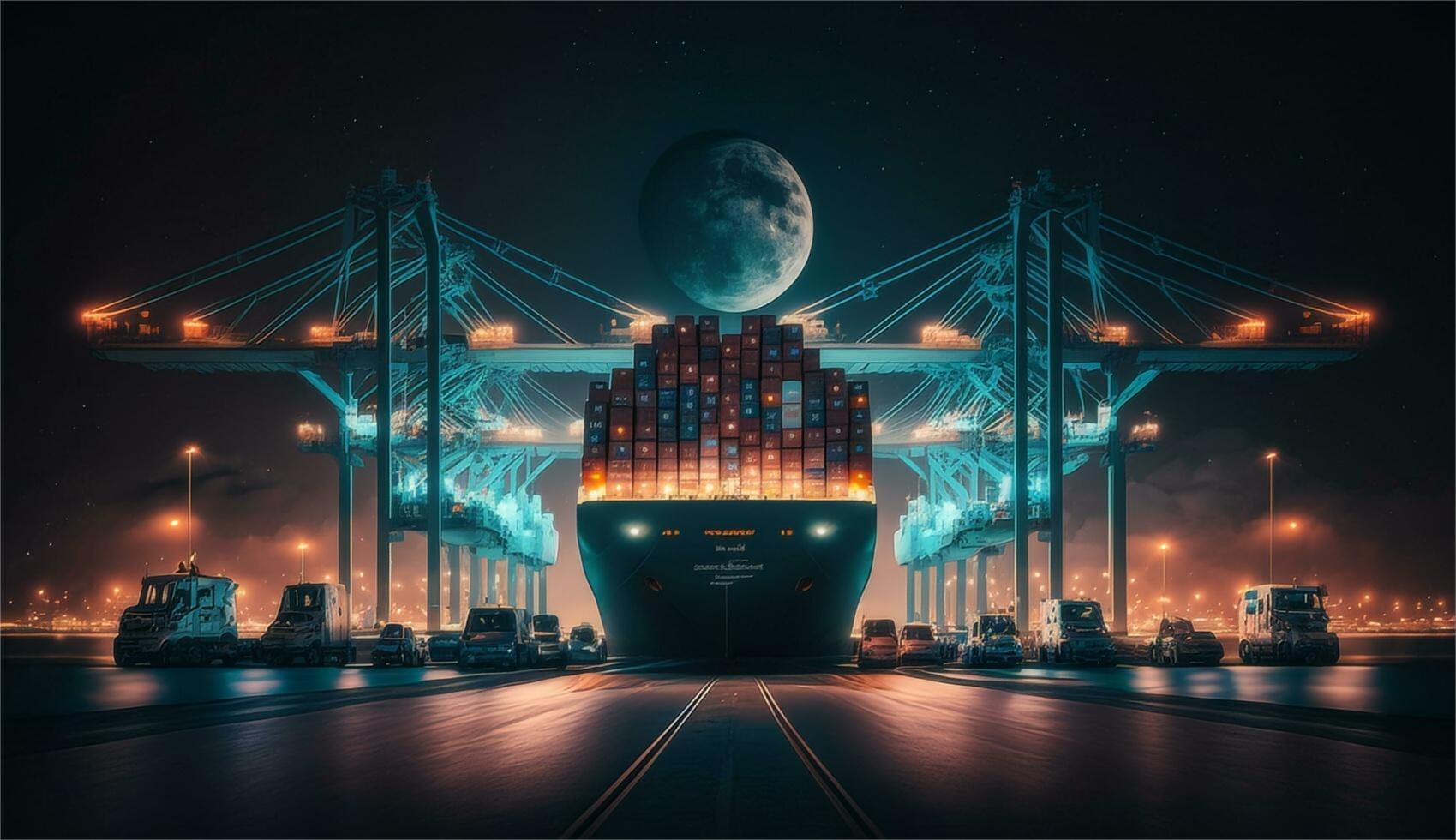
Which Option Should You Choose? Decision Framework
Selecting the right shipping method depends on your specific business priorities and the nature of your products. If your primary goal is cost minimization for non-perishable goods, sea freight is the undisputed winner.
Speed priority dictates the use of air or express services, especially for product launches or emergency replacements. On the other hand, if you seek a balance between speed and budget, rail freight offers a compelling hybrid solution.
Volume thresholds also play a role; shipments under 100kg are best handled by express, while those over 15 CBM should utilize FCL. Always consider the total landed cost rather than just the freight rate to make an informed decision.
| Priority | Recommended Method | Volume Threshold | Cost Impact |
|---|---|---|---|
| Budget First | Sea Freight (FCL) | > 15 CBM | Lowest |
| Speed First | Air Freight | Any | Highest |
| Balanced | Rail Freight | > 2 CBM | Moderate |
| Small/Urgent | Express Service | < 100 kg | High |
Case Studies: Real-World Shipping Scenarios
Case Study 1: Large Furniture Shipment. Origin: Foshan, China. Destination: Berlin, Germany. Cargo: 68 CBM Furniture. Method: Sea Freight 40HQ. Ocean Freight: $3,850. Origin Charges: $450. Destination Charges: $600. Total Landed Cost: $4,900. Sea Transit: 34 days. Key Insight: FCL provided the safest and most economical route for high-volume fragile goods.
Case Study 2: Urgent Tech Components. Origin: Shenzhen, China. Destination: Munich, Germany. Cargo: 250kg Electronics. Method: Air Freight. Freight Cost: $1,875. Customs Clearance: $150. Total Landed Cost: $2,025. Total Door-to-Door: 6 days. Key Insight: Air freight prevented a production line shutdown despite the higher initial shipping cost from China to Germany.
Case Study 3: Industrial Machinery. Origin: Wuhan, China. Destination: Duisburg, Germany. Cargo: 12 CBM Parts. Method: Rail Freight (LCL). Freight Cost: $1,440. Handling Fees: $300. Total Landed Cost: $1,740. Total Transit: 20 days. Key Insight: Rail saved 15 days compared to sea freight at a fraction of the air freight price.
Strategies to Reduce Your Shipping Cost from China to Germany
Optimizing your packaging can lead to significant savings by reducing the volumetric weight of your cargo. Furthermore, consolidating multiple small orders into a single LCL or FCL shipment lowers the per-unit handling costs.
Booking your shipments at least two to three weeks in advance allows you to secure better rates and guaranteed space on vessels. Additionally, choosing door to door services can often be cheaper than managing multiple local logistics providers separately.
Negotiating long-term contracts with freight forwarders provides price stability in a volatile market. Indeed, staying informed about global logistics trends helps you pivot your strategy before rate hikes take effect.
Final Thoughts on Shipping from China to Germany
Managing the shipping cost from China to Germany requires a strategic approach that balances time, budget, and cargo safety. By understanding the nuances of sea, air, and rail freight, you can make decisions that enhance your competitive edge in the European market.
Remember that the cheapest option is not always the most cost-effective when considering the impact of delays on your supply chain. Partnering with experienced professionals ensures that your cargo arrives safely and on schedule while keeping your expenses under control.
Note: Freight rates are subject to change based on fuel costs, carrier capacity, and seasonal demand. Contact us for a current quote tailored to your specific shipment.

Need a tailored shipping solution?
Ready to optimize your logistics budget for 2026? Contact our experts today to receive a personalized quote and discover the most efficient shipping cost from China to Germany for your business needs. Send Inquiry to Top China Freight.