Every importer asks the same question: what are the shipping freight rates from China? Prices depend on mode of transport, destination, and seasonal demand. Moreover, customs clearance and Incoterms influence the final amount paid. This guide explores freight costs, delivery times, required documents, and real case studies to help businesses plan efficiently.
What Factors Influence Shipping Freight Rates from China?
Several elements determine costs:
Mode of transportation: sea, air, rail, courier
Cargo size, weight, and volume
Destination distance and port charges
Seasonal demand and peak surcharges
Customs duties, VAT, and tariffs
Although rates vary, careful planning and forwarder negotiations reduce surprises.
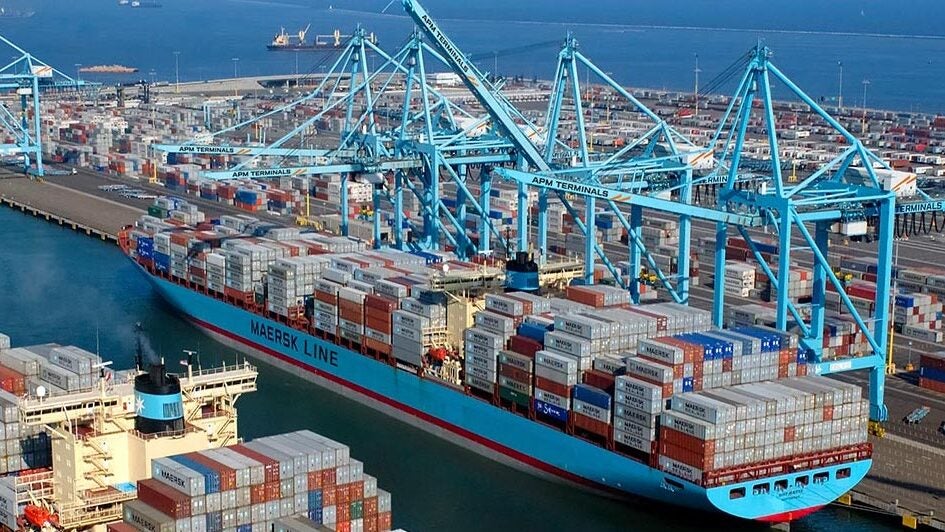
How Much Do Sea Freight Rates from China Cost?
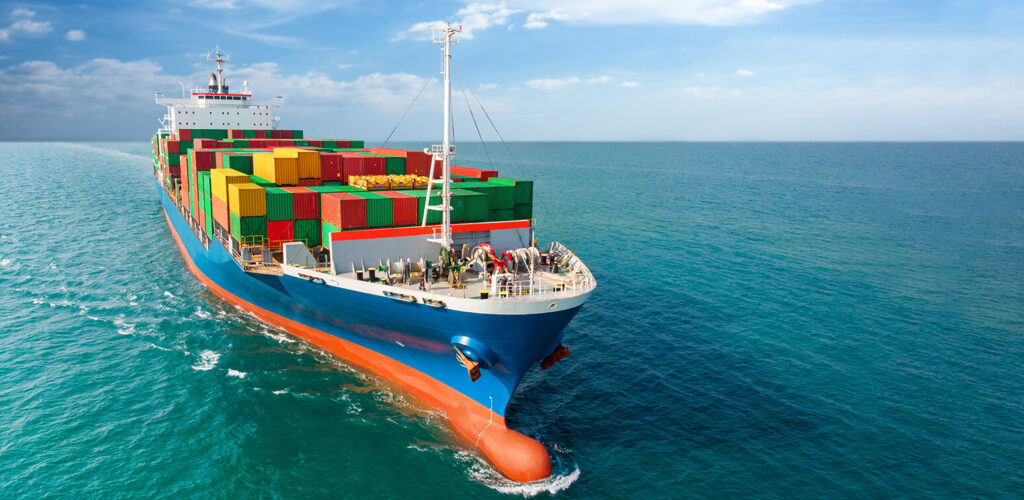
Sea freight remains the most economical choice for bulk shipments.
Container Size
China → USA (USD)
China → Europe (USD)
China → Africa (USD)
20GP
$2,600–$3,000
$2,800–$3,200
$3,100–$3,600
40GP
$5,100–$5,700
$5,400–$6,000
$5,700–$6,200
40HQ
$5,400–$6,000
$5,700–$6,300
$6,000–$6,500
📌Sea freight offers the lowest unit cost but has longer transit times, making it ideal for high-volume cargo.
Should You Choose FCL or LCL for Sea Freight from China?
Criteria
FCL (Full Container Load)
LCL (Less than Container Load)
Best for
Large volume shipments
Small shipments
Cost
Lower per unit
Higher per unit
Handling
Less handling, safer
More handling, higher risk
Transit Time
Faster, direct shipping
Slower, requires consolidation
How Do Incoterms Affect Shipping Freight Rates from China?
Lorem ipsum dolor sit amet, consectetur adipiscing elit. Ut elit tellus, luctus nec ullamcorper mattis, pulvinar dapibus leo.
Add Your Heading Text Here
FOB: Seller delivers goods to port, buyer pays freight and insurance.
CIF: Seller pays freight and insurance, buyer pays duties.
DDP: Seller covers all costs up to delivery, higher total but stress-free for buyer.
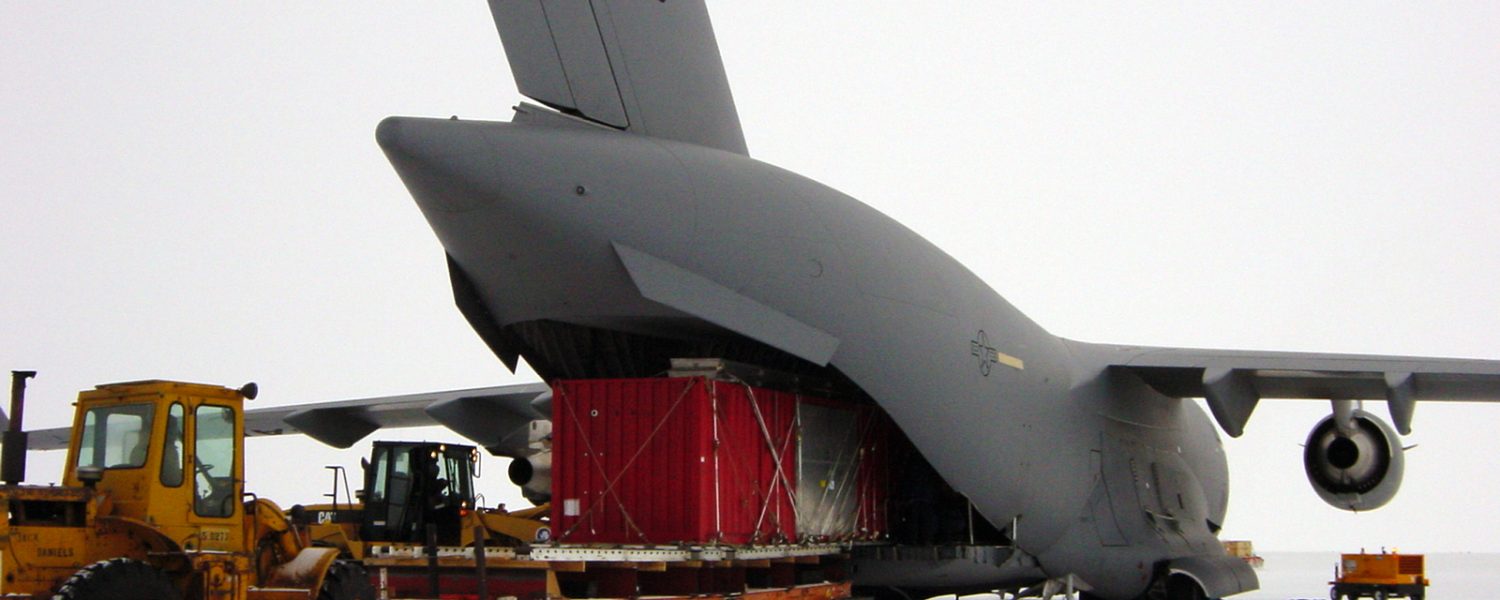
What Are the Pros and Cons of Freight Modes from China?
Mode
Pros
Cons
Sea Freight
Cheapest, high capacity
Slow delivery times
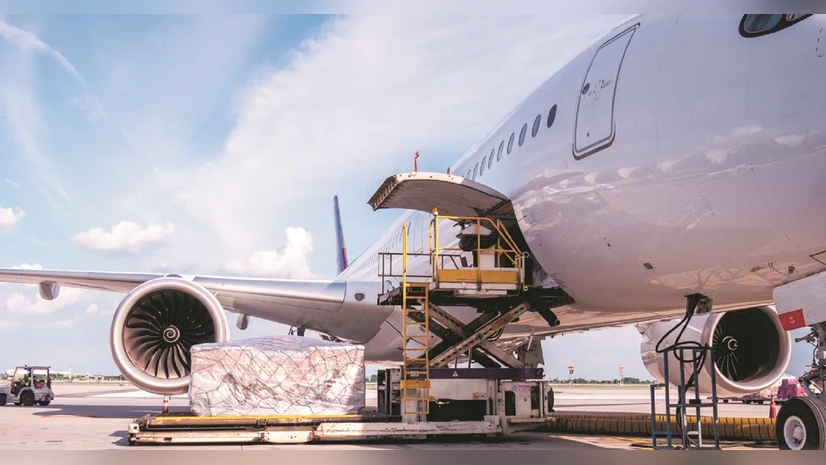
Air Freight
Fast, secure, reliable
High cost, limited volume
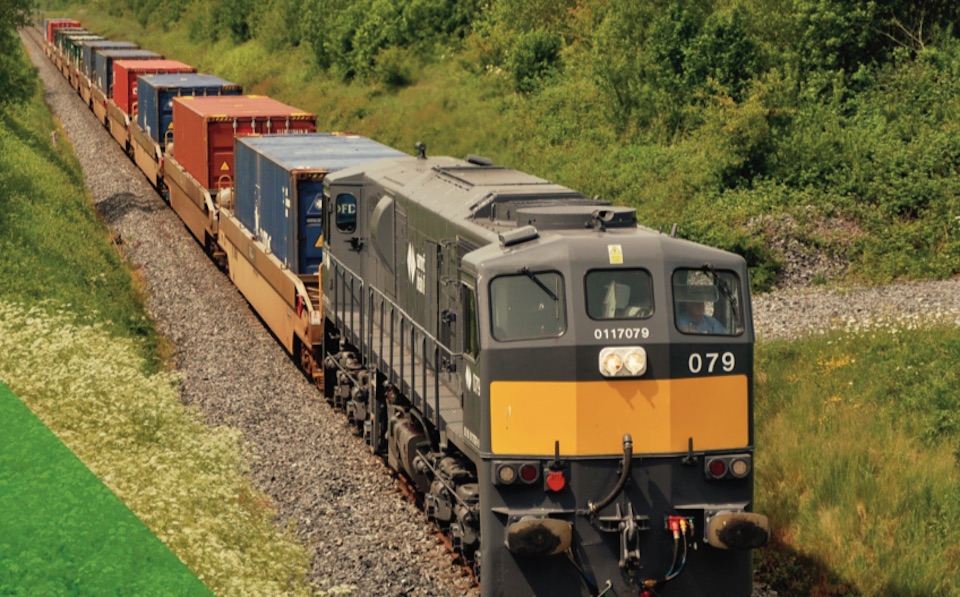
Rail Freight
Balanced time and cost, eco-friendly
Limited to Europe routes
Courier
Door-to-door, simple for parcels
Not suitable for bulk cargo
Conclusion
To summarize, shipping freight rates from China depend on cargo size, mode, and destination. Sea freight is cheapest for bulk, air is fastest, and rail balances cost and speed. Moreover, choosing suitable Incoterms, consolidating shipments, and working with reliable freight forwarders ensure transparency and savings. Ultimately, planning ahead and comparing options helps importers secure predictable and competitive freight rates from China.
Consult TJ China Freight Forwarding for the lowest quote. They will provide you with reliable, cost-effective service.