Shipping from China to Australia: 2026 Complete Logistics Guide
Navigating the complexities of shipping from China to Australia requires a strategic approach to balance speed and budget for your supply chain. At Top China Freight, we specialize in streamlining international logistics through innovative solutions tailored for the Australian market. This comprehensive guide provides the latest 2026 data on freight methods, costs, and regulatory requirements to ensure your cargo arrives safely and efficiently.
What are the best methods for shipping from China to Australia?
Selecting the right transport mode depends heavily on your specific cargo volume, budget constraints, and required delivery speed. Most importers utilize sea freight for bulk shipments because it offers the most economical rates for large scale inventory. However, smaller parcels or high value goods often require the speed of air freight to meet tight market deadlines. For urgent documents or sample testing, an express service provides the fastest door to door solution available in the current market.
Moreover, the choice between these methods significantly impacts your overall landed cost and inventory turnover rates. Businesses must evaluate whether the lower cost of ocean transport justifies the longer lead times associated with maritime routes. Consequently, many successful companies in 2026 are adopting hybrid logistics strategies to maintain a consistent flow of goods while managing expenses. Understanding these core options is the first step toward optimizing your international trade operations between these two major economic partners.
How Does Sea Freight Compare to Other Shipping Options?
Ocean transport remains the backbone of trade, yet it is essential to compare it against faster alternatives to determine the best fit. While sea freight is cost effective, it involves longer transit periods and higher risk of port congestion during peak seasons. In contrast, air cargo provides a rapid solution but comes with a premium price tag that may not suit low margin products. Therefore, analyzing the trade offs between these modes is crucial for maintaining a competitive edge in the Australian marketplace.
Additionally, businesses should consider the environmental impact and reliability of each method when planning their annual logistics budget. Sea freight typically has a lower carbon footprint per ton of cargo compared to air transport, which is increasingly important for corporate sustainability goals. Nevertheless, the volatility of ocean schedules often necessitates a backup plan involving air or express services for critical stock replenishments. The following table provides a clear comparison of the primary shipping methods used in 2026.
| Shipping Method | Cost Range | Transit Time | Best For |
|---|---|---|---|
| Sea Freight (FCL) | Low ($800 – $2,000) | 12 – 22 Days | Large volumes and bulk cargo |
| Sea Freight (LCL) | Medium ($50 – $150/CBM) | 18 – 28 Days | Smaller shipments under 15 CBM |
| Air Freight | High ($4.50 – $9.00/kg) | 3 – 7 Days | High value or urgent goods |
| Express Shipping | Very High ($8+ /kg) | 2 – 5 Days | E-commerce and small parcels |
Understanding shipping from China to Australia costs in 2026
Logistics expenses are influenced by several factors including fuel surcharges, seasonal demand, and available carrier capacity. As of early 2026, freight rates have stabilized following the global disruptions of previous years, yet fluctuations remain common during the Lunar New Year and Q4 peak seasons. Importers should also account for local charges, such as terminal handling fees and trucking costs, which can add up significantly. Furthermore, choosing the right container size is essential for maximizing space and reducing the cost per unit of your imported goods.
Calculating the total landed cost involves more than just the base freight rate provided by your forwarder. You must include insurance, customs duties, and potential quarantine inspection fees required by Australian authorities. For instance, shipping a full container might seem expensive upfront, but it often proves cheaper than multiple small shipments over time. Accordingly, strategic planning and bulk ordering can lead to substantial savings in your annual shipping from China to Australia budget.
| Route Type | 20GP Container | 40GP Container | 40HQ Container |
|---|---|---|---|
| Main China Port to Sydney | $850 – $1,150 | $1,300 – $1,750 | $1,500 – $1,950 |
| Main China Port to Melbourne | $900 – $1,200 | $1,400 – $1,850 | $1,600 – $2,050 |
| Main China Port to Brisbane | $950 – $1,250 | $1,450 – $1,900 | $1,650 – $2,100 |
How long does shipping from China to Australia take?
Transit times vary based on the departure port in China and the specific destination port in Australia. Direct routes from southern China ports like Shenzhen or Guangzhou to Sydney are generally the fastest, often taking less than two weeks. However, shipments from northern ports such as Tianjin or Qingdao may require additional days due to the longer geographical distance. Additionally, transshipment via major hubs like Singapore or Port Klang can extend the timeline but sometimes offers more competitive pricing for budget conscious shippers.
Timelines are also affected by non maritime factors such as customs processing and local delivery schedules. Indeed, while the sea transit might only take 14 days, the total door to door time could reach 25 days after accounting for loading and clearance. To ensure a smooth delivery schedule, businesses should always build a buffer into their supply chain planning. The table below outlines the typical transit times for major port pairings as of 2026.
| Origin City | Destination City | Sea Transit | Air Transit |
|---|---|---|---|
| Shenzhen | Sydney | 12 – 15 Days | 3 – 5 Days |
| Shanghai | Melbourne | 15 – 18 Days | 4 – 6 Days |
| Ningbo | Brisbane | 16 – 20 Days | 4 – 6 Days |
| Qingdao | Fremantle | 20 – 25 Days | 5 – 7 Days |
What documents are required for customs clearance in Australia?
Navigating Australian customs requires meticulous attention to detail and accurate documentation to avoid costly delays. Every shipment must be accompanied by a commercial invoice, a packing list, and a bill of lading or airway bill. Furthermore, specific goods may require additional permits or certificates of origin to qualify for preferential duty rates under the China Australia Free Trade Agreement (ChAFTA). Utilizing a professional customs brokerage service is highly recommended to manage these complex requirements effectively.
Australian authorities are particularly strict regarding biosecurity and quarantine regulations for imported items. Consequently, wooden packaging materials must be treated and marked according to ISPM 15 standards to prevent the introduction of pests. If your documentation is incomplete or inaccurate, your cargo may be held for inspection, resulting in significant storage fees at the terminal. Therefore, ensuring all paperwork is verified before the ship leaves China is a critical step in the logistics process.
Choosing between FCL and LCL for your Australian shipment
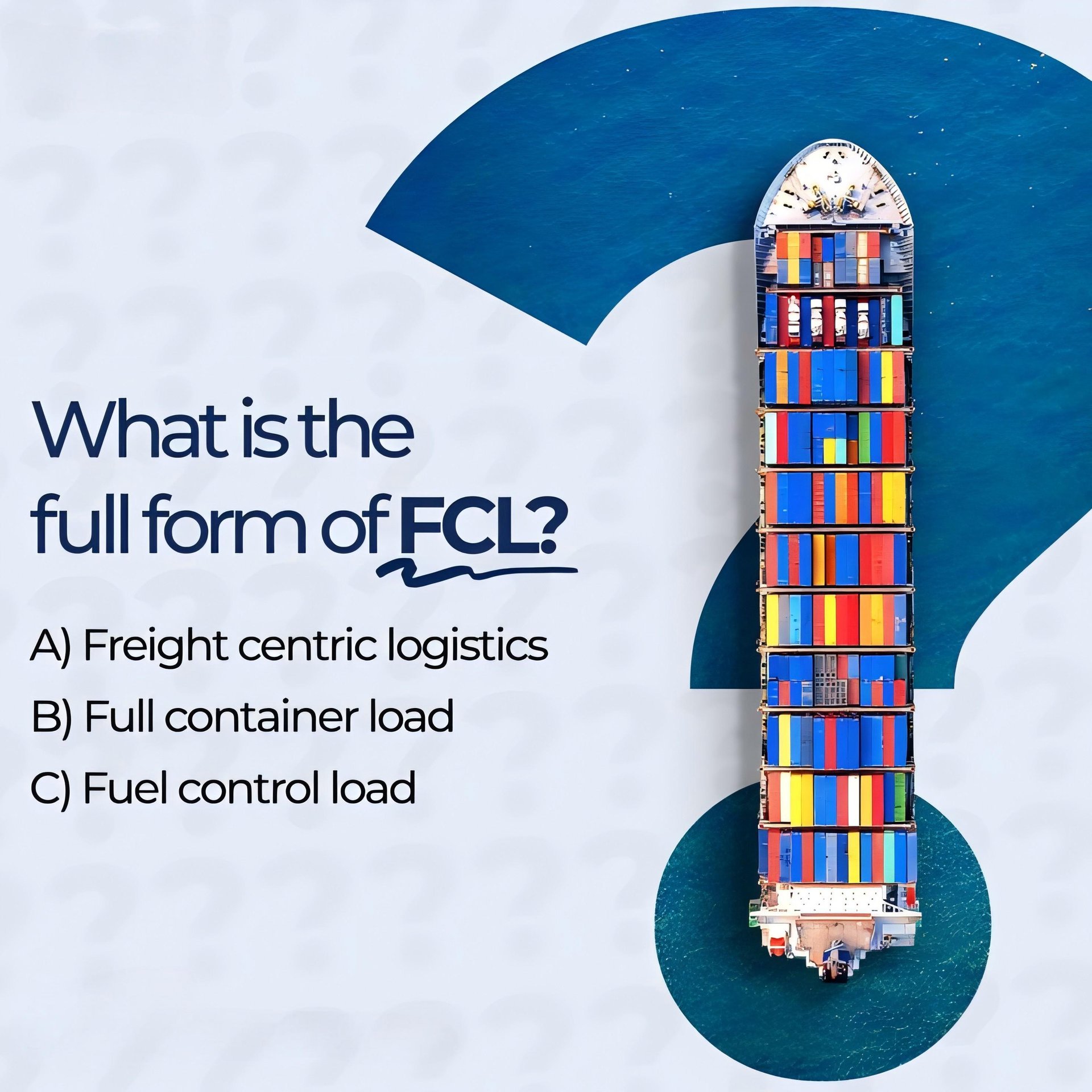
Deciding between Full Container Load (FCL) and Less than Container Load (LCL) is a common dilemma for many importers. FCL is ideal for those who have enough cargo to fill a 20ft or 40ft container, offering better security and faster handling. On the other hand, LCL allows you to share container space with other shippers, which is perfect for smaller volumes that do not justify the cost of a full unit. Meanwhile, LCL shipments often involve more handling and a higher risk of minor damage, making proper packaging essential.
Cost structures also differ significantly between these two sea freight options. FCL usually involves a flat rate per container, while LCL is priced per cubic meter (CBM) or weight. As a result, once your volume exceeds approximately 15 CBM, switching to an FCL 20GP container often becomes the more economical choice. Without a doubt, evaluating your monthly shipping volumes can help you determine which method will maximize your profit margins in 2026.
Managing the logistics of door to door shipping services
Many modern businesses prefer a seamless experience by utilizing door to door solutions. This comprehensive service covers the entire journey from the supplier’s warehouse in China to the final destination in Australia. By consolidating all logistics steps under one provider, you reduce the risk of communication gaps and simplify your billing process. Additionally, this approach allows you to focus on your core business operations while experts handle the complexities of international transport.
Typically, a door to door service includes pickup, export clearance, international freight, customs entry, and final mile delivery. Although the upfront quote might appear higher than port to port rates, it often saves money by eliminating hidden third party fees. Furthermore, having a single point of contact provides greater visibility and control over your shipment’s progress. Consequently, this model has become the preferred choice for Australian e-commerce retailers and small to medium enterprises in 2026.
Realistic Case Studies for Australian Imports
Case Study 1: Electronics Distribution to Melbourne. A tech company imported 2000kg of consumer electronics from Shenzhen to Melbourne using air freight. The shipment was handled as a priority to meet a product launch date. By using a direct flight, they achieved a door to door timeline of just 5 days. The total cost, including duties and local delivery, was approximately $12,500, ensuring the client met their retail commitments without delay.
Case Study 2: Furniture Retailer in Sydney. A boutique furniture store ordered a 40HQ container of custom sofas from Foshan. They chose FCL sea freight to minimize handling and prevent damage to the high value upholstery. The container arrived at Port Botany in 16 days, with a total landed cost of $4,200 excluding GST. This successful shipment allowed the retailer to maintain a 40 percent profit margin after accounting for all logistics expenses.
Case Study 3: Industrial Parts to Brisbane. A construction firm required 8 CBM of specialized steel components from Ningbo. They opted for LCL sea freight to save costs as the items were not time sensitive. The cargo was consolidated in Shanghai and reached Brisbane in 24 days. Despite a minor delay at customs for a random inspection, the total cost remained under $1,800, demonstrating the efficiency of LCL for heavy, non urgent industrial goods.
Final Thoughts on Australian Shipping Strategy
To summarize, successful shipping from China to Australia in 2026 depends on selecting the right partner and the most appropriate transport mode. Whether you prioritize the speed of air cargo or the cost efficiency of sea freight, understanding the nuances of the route is essential. By staying informed about market trends and customs regulations, you can ensure your business remains competitive and your cargo arrives on time.
Indeed, the logistics landscape continues to evolve, but the core principles of planning and documentation remain the same. We encourage you to leverage the expertise of professional freight forwarders to navigate these challenges effectively. With the right strategy, your international trade operations will serve as a powerful engine for growth in the Australian market.
Need a tailored shipping solution?
Ready to optimize your supply chain and reduce costs? Contact Top China Freight today for a personalized quote on shipping from China to Australia and experience world class logistics support. Send Inquiry