Managing shipping from China to Hong Kong is often underestimated due to geographic proximity. However, differences in customs, transit options, and freight costs still require careful planning. This guide breaks down shipping methods, costs, customs documents, and real case examples to help importers and exporters optimize logistics.
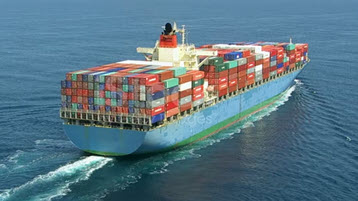
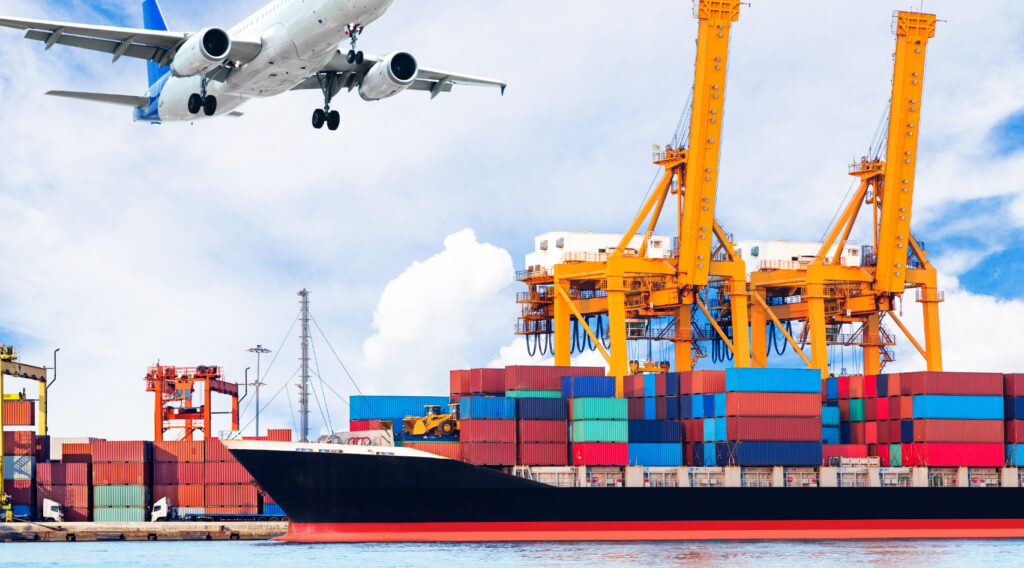
What Are the Main Shipping Methods from China to Hong Kong?
What Are the Pros and Cons of Each Shipping Method?
Mode
Pros
Cons
Sea
Cheapest, bulk-friendly
Slower than truck
Air
Fastest, reliable
High cost
Truck
Flexible, fast
Border traffic delays
Courier
Easy for SMEs
Expensive for bulk
How Do Incoterms Affect China–Hong Kong Shipping?
FOB: Seller delivers to port, buyer arranges freight.
CIF: Seller covers freight and insurance.
DDP: Seller handles all until buyer’s doorstep.
Correct Incoterm selection avoids hidden charges.
Can Small Businesses Benefit from Freight Forwarders?
Yes. SMEs gain:
Simplified customs clearance.
Affordable consolidation through LCL shipments.
Tracking and reporting tools.
Reduced risk of compliance issues.
What Are Common Challenges in China–Hong Kong Shipping?
Customs delays due to incomplete documents.
Border congestion on busy days.
Seasonal surcharges before holidays.
Misclassification of HS Codes leading to penalties.
Conclusion
Efficient shipping from China to Hong Kong relies on the right transport mode, accurate documentation, and reliable freight forwarders. Sea freight dominates for bulk cargo, while air and courier serve urgent or small shipments. To summarize, choosing the right Incoterm, preparing documents early, and partnering with experienced forwarders ensures smooth cross-border trade. Contact us today to optimize your China–Hong Kong logistics.
Consult TJ China Freight Forwarding for the lowest quote. They will provide you with reliable, cost-effective service.