

Shipping from China to Italy: The Ultimate 2026 Logistics Guide
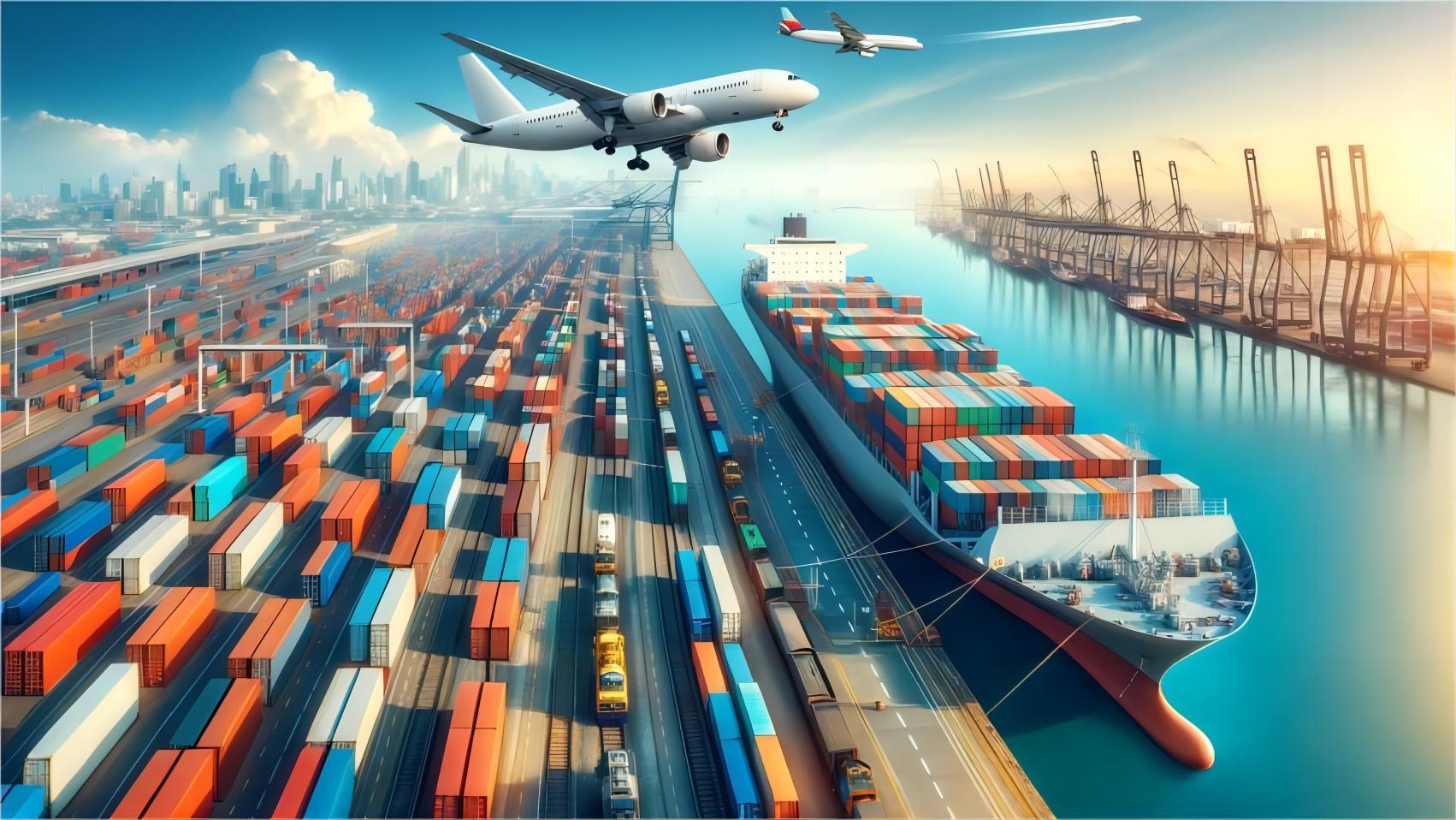
Developing a robust supply chain when shipping from China to Italy requires a precise balance of timing, cost management, and regulatory compliance. As global trade dynamics shift in 2026, businesses must utilize sophisticated logistics strategies to maintain their competitive edge in the European market. Top China Freight provides expert guidance and comprehensive shipping solutions designed to streamline your international trade operations from start to finish. This guide explores the most efficient methods for transporting your goods while navigating the specific challenges of the China-Italy trade route.
What are the Primary Methods for Shipping from China to Italy?
Selecting the appropriate transport mode is the most critical decision in your logistics planning process. Currently, businesses can choose between ocean transport, air transport, and the increasingly popular rail freight connections. Furthermore, each method offers distinct advantages regarding budget constraints and delivery deadlines.
Sea freight remains the most common choice for large-volume shipments due to its unmatched cost-efficiency. Additionally, air freight serves as the premier option for high-value or time-sensitive goods that require rapid delivery to Italian hubs. Rail freight has emerged as a reliable middle ground, offering faster transit than ships and lower costs than planes.

Consequently, your choice will depend on the specific nature of your cargo and your inventory management needs. For example, seasonal products often require the speed of air transport, whereas bulk raw materials are best suited for sea containers. Understanding these nuances ensures you optimize your shipping from China to Italy effectively.
How Does Sea Freight Compare to Other Shipping Options?
Ocean transport provides the most scalable solution for businesses importing large quantities of goods into Southern Europe. Specifically, sea freight allows for the transport of massive volumes at a fraction of the cost of other methods. However, the longer transit times require careful inventory forecasting to prevent stockouts.
Moreover, you must choose between Full Container Load (FCL) and Less than Container Load (LCL) based on your total volume. FCL is generally faster and more secure as the container remains sealed from the origin to the destination. In contrast, LCL involves sharing space with other shippers, which is more economical for smaller batches under 15 cubic meters.
Transit times for sea routes typically range from 30 to 40 days depending on the specific Chinese port and the Italian destination. Major Italian ports like Genoa, Trieste, and La Spezia handle the majority of these arrivals. Therefore, planning for a 45-day window from door to door is a prudent strategy in the 2026 market.
| Shipping Method | Cost Range | Transit Time | Best For |
|---|---|---|---|
| Sea Freight (FCL) | $2,200 – $4,500 | 30-40 Days | Bulk Goods |
| Air Freight | $4.50 – $9.00/kg | 3-7 Days | High Value |
| Rail Freight | $1,800 – $3,200 | 18-25 Days | Mid-size Cargo |
| Express Service | $7.00 – $12.00/kg | 2-5 Days | Small Samples |
Is Air Freight the Right Choice for Your Italian Shipments?
When speed is the absolute priority, air freight stands out as the most reliable logistics solution. This method significantly reduces the time your capital is tied up in transit, which improves overall cash flow. Additionally, the enhanced security at airports minimizes the risk of theft or damage for sensitive electronics and luxury items.
Standard air freight services usually deliver goods within 5 to 8 business days, including customs processing. Meanwhile, express service options can cut this time down to a mere 48 to 72 hours for urgent documents or samples. Consequently, many high-tech firms prefer this method to meet tight production schedules in Milan and Turin.
However, the environmental impact and higher carbon footprint of air transport are becoming significant considerations for Italian importers in 2026. Many companies now use air freight only for urgent replenishment while relying on slower modes for their primary stock. Nevertheless, it remains an indispensable tool for managing supply chain disruptions.
Can Rail Freight Benefit Your China to Italy Supply Chain?
The China-Europe Railway Express has revolutionized the logistics landscape by offering a viable alternative to sea and air. rail freight connects major Chinese industrial hubs like Chongqing and Xi’an directly to European terminals. From these hubs, cargo is frequently trucked to northern Italian cities such as Milan and Verona.
Notably, rail transport is approximately 50% faster than sea freight while being significantly cheaper than air transport. This makes it an ideal choice for automotive parts, machinery, and consumer electronics that require a balanced delivery schedule. Furthermore, rail freight is less affected by the weather conditions that often delay sea vessels.
As of early 2026, the rail routes have become more stabilized following previous geopolitical shifts, offering consistent weekly departures. Shippers should consider this method for shipments that are too heavy for planes but too urgent for ships. Indeed, the environmental benefits of rail over air also align with modern corporate sustainability goals.
What are the Customs Clearance Requirements in Italy?
Navigating the Italian customs landscape requires meticulous attention to detail and accurate documentation. Every shipment must be accompanied by a commercial invoice, a detailed packing list, and a bill of lading or airway bill. Additionally, an Economic Operator Registration and Identification (EORI) number is mandatory for all businesses importing into Italy.
Using a professional customs brokerage service can prevent costly delays and potential fines. These experts ensure that your goods are correctly classified under the Harmonized System (HS) codes, which determines the applicable duty rates. Furthermore, they manage the payment of Value Added Tax (VAT), which is typically 22% in Italy.
Specifically, certain products like textiles or electronics may require additional certifications or CE marking to enter the European market. Failure to provide these documents can result in cargo being held at the port of entry for weeks. Therefore, verifying all compliance requirements before the cargo leaves China is essential for a smooth delivery.
How to Minimize Shipping Costs from China to Italy?
Reducing your logistics expenses requires a proactive approach to shipment consolidation and carrier negotiation. For instance, consolidating multiple small orders into a single LCL shipment can significantly lower your per-unit transport cost. Additionally, booking your shipments at least two to three weeks in advance often secures lower freight rates.
Avoiding peak seasons is another effective strategy for saving money on your shipping from China to Italy. Rates typically spike during the weeks leading up to the Chinese New Year and the Golden Week holiday in October. Consequently, planning your inventory cycles around these periods can save your business thousands of dollars annually.
Moreover, optimizing your packaging to reduce volume can lead to substantial savings, especially in air and rail freight. Using lighter, more durable materials ensures you are not paying to ship unnecessary air or weight. Finally, always request multiple quotes to ensure you are receiving competitive market rates for your specific route.
Which Option Should You Choose? Decision Framework
Determining the best shipping method involves evaluating your budget, the nature of your goods, and your required arrival date. If your primary goal is cost reduction and you have flexible timelines, sea freight is undoubtedly the best choice. On the other hand, if you are launching a new product and need it in Italian stores immediately, air freight is necessary.
For mid-range shipments where you need a balance of speed and cost, rail freight offers the most logical solution. Specifically, for cargo between 2 and 10 cubic meters, rail often provides the best value proposition in 2026. Furthermore, door to door services can be applied to any of these methods to simplify your logistics management.
Consider the total landed cost rather than just the freight rate when making your decision. This includes duties, taxes, insurance, and local trucking fees from the Italian port to your warehouse. By analyzing these factors holistically, you can select the shipping strategy that best supports your business objectives.
Real-World Case Studies: Shipping from China to Italy
Case Study 1: Industrial Machinery from Ningbo to Genoa. Route: Ningbo Port to Port of Genoa. Cargo: Manufacturing equipment, 28 CBM, 12,500 kg. Container: 1x40GP. Shipping Details: Direct sea service via major carrier. Ocean Freight: $3,400. Origin/Destination Charges: $950. Customs and Duties: $4,200. Total Door-to-Door Time: 38 days. Key Insight: Early booking during the Q1 2026 lull saved the client 15% on freight costs compared to peak season rates.
Case Study 2: Consumer Electronics from Shenzhen to Milan. Route: Shenzhen Airport to Milan Malpensa. Cargo: High-end tablets, 1.5 CBM, 450 kg. Shipping Method: Standard Air Freight. Air Freight Cost: $2,800. Customs Clearance: 2 days. Total Door-to-Door Time: 6 days. Key Insight: Using air freight allowed the retailer to meet a specific promotional launch date that sea freight would have missed by three weeks.
Case Study 3: Furniture Components from Xi’an to Verona. Route: Xi’an Rail Terminal to Verona via Milan. Cargo: Wooden components, 12 CBM, 3,200 kg. Shipping Method: Rail Freight LCL. Total Cost: $2,100. Transit Time: 22 days. Key Insight: Rail provided a 16-day time saving over sea freight at only 30% of the cost of air transport, making it the perfect middle-ground solution for this mid-value cargo.
Final Thoughts on Shipping from China to Italy
Successfully shipping from China to Italy in 2026 depends on choosing the right transport mode and maintaining strict compliance with customs regulations. Whether you prioritize the cost-effectiveness of sea freight or the rapid delivery of air cargo, understanding the nuances of each method is vital. Furthermore, the emergence of rail freight provides an excellent alternative for businesses seeking a balance between speed and budget.
By implementing the strategies discussed in this guide, you can reduce your shipping costs and improve your delivery reliability. Remember to account for seasonal fluctuations and always prepare your documentation well in advance of departure. With the right logistics partner and a clear plan, your imports from China will consistently arrive safely and efficiently at their Italian destinations.

Ready to streamline your logistics?
Optimize your international trade today by partnering with a logistics expert who understands the Italian market. Contact Top China Freight for a personalized quote on shipping from China to Italy and let us streamline your supply chain for 2026. Send Inquiry to get started.
Request Quote