

Shipping Quote China to Denmark: 2026 Freight Rates Guide
Securing an accurate shipping quote china to denmark is essential for businesses looking to maintain competitive margins in the 2026 global market. Top China Freight offers tailored logistics solutions that simplify the complexities of international trade between these two economic hubs. This comprehensive guide provides the latest data on pricing, transit times, and strategic shipping methods to help you optimize your supply chain.

How Much Does a Shipping Quote China to Denmark Cost in 2026?
Determining the exact cost of your shipment requires an understanding of several fluctuating market variables. For instance, fuel surcharges and seasonal demand significantly influence the final figures you receive from freight forwarders.
Moreover, the choice between different transport modes like sea or air will be the primary driver of your total landed cost. Indeed, market data from early 2026 suggests that while rates have stabilized, geopolitical factors still play a role in weekly price adjustments.
Consequently, businesses should always request a real-time quote to account for the most recent shifts in the logistics landscape. Therefore, comparing multiple options is the most effective way to ensure you are getting the best value for your specific cargo type.
What are the Benefits of Sea Freight for Denmark Imports?
Choosing sea freight remains the most economical strategy for transporting large volumes of goods from Chinese manufacturing hubs. Furthermore, this method is ideal for heavy machinery, furniture, or bulk commodities that do not require immediate delivery.
Additionally, you can choose between Full Container Load (FCL) and Less than Container Load (LCL) depending on your inventory size. In contrast to air transport, ocean shipping offers a much lower carbon footprint per ton of cargo moved.
Nevertheless, the longer transit times mean you must plan your inventory cycles well in advance to avoid stockouts. To summarize, sea freight is the backbone of China-Denmark trade for cost-conscious importers.
| Container Type | Capacity | Estimated Cost (USD) | Best For |
|---|---|---|---|
| 20GP Container | 28-30 CBM | $1,900 – $2,600 | Heavy compact goods |
| 40GP Container | 56-58 CBM | $2,900 – $3,900 | General merchandise |
| 40HQ Container | 68-70 CBM | $3,200 – $4,300 | Voluminous cargo |
| LCL (per CBM) | 1-15 CBM | $60 – $95 | Small shipments |

Is Air Freight the Right Choice for Your Shipping Quote China to Denmark?
When speed is the absolute priority, air freight provides the fastest connection between major Chinese cities and Copenhagen. For example, high-value electronics or urgent fashion samples often travel via air to meet tight market deadlines.
However, this speed comes at a premium price point compared to maritime or rail alternatives. Accordingly, businesses must weigh the cost of the freight against the potential lost revenue of a delayed shipment.
In addition, air cargo offers enhanced security and a lower risk of damage for fragile items. Without a doubt, it is the preferred method for perishable goods or high-tech components that require rapid turnover.
Can Rail Freight Save You Money on the China to Denmark Route?
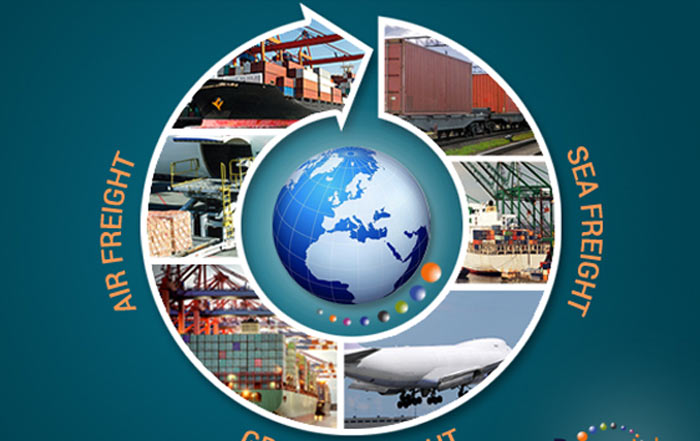
Utilizing rail freight offers a unique middle ground that balances cost and transit speed. Specifically, the China-Europe Railway Express connects various Chinese industrial zones to European rail terminals, with final delivery to Denmark via truck or feeder ship.
Meanwhile, rail transit is typically twice as fast as sea freight while costing significantly less than air transport. Therefore, it has become a popular alternative for automotive parts and industrial equipment manufacturers.
As a result of improved infrastructure in 2026, rail schedules have become more reliable and frequent. Consequently, many importers are shifting their mid-tier cargo to rail to optimize their logistics budgets.
How Does Sea Freight Compare to Other Shipping Options?
Analyzing the differences between transport modes is crucial for making an informed logistics decision. While sea freight is the cheapest, it requires the longest lead times, often exceeding 35 days for a door-to-door delivery.
On the other hand, air freight can deliver goods in under a week but may cost five to ten times more than ocean shipping. Meanwhile, rail freight occupies the sweet spot for many businesses, offering a 20-day transit at a moderate price.
Indeed, the best choice depends entirely on your budget, cargo volume, and how quickly you need the products to reach the Danish market.
| Shipping Method | Cost Range | Transit Time | Best For |
|---|---|---|---|
| Sea Freight | Low ($) | 30-45 Days | Bulk & Non-urgent |
| Air Freight | High ($$$) | 3-7 Days | High-value & Urgent |
| Rail Freight | Medium ($$) | 18-25 Days | Mid-sized & Balanced |
| Express | Very High ($$$$) | 2-5 Days | Documents & Small Parcels |
What Customs Documents Are Required for Denmark Imports?
Navigating the Danish customs environment requires precise documentation to avoid costly delays at the port of entry. Professional customs brokerage services can ensure all paperwork complies with EU regulations.
For instance, you will definitely need a Commercial Invoice, a Packing List, and a Bill of Lading or Air Waybill. Furthermore, an EORI number is mandatory for any business importing goods into Denmark from outside the European Union.
Moreover, specific products like chemicals or food items may require additional certificates of origin or health permits. Consequently, preparing these documents in advance is the best way to ensure a smooth clearance process.
| Document Name | Purpose | Issued By | Requirement |
|---|---|---|---|
| Commercial Invoice | Value declaration | Seller/Exporter | Mandatory |
| Packing List | Cargo details | Seller/Exporter | Mandatory |
| Bill of Lading | Title to goods | Carrier | Mandatory |
| Certificate of Origin | Prove source | Chamber of Commerce | Optional/Product specific |
Real-World Case Studies: Shipping from China to Denmark
Reviewing actual shipping scenarios can provide valuable insights into the practicalities of international logistics. Below are two examples based on typical shipments handled in early 2026.
Case Study 1: High-End Electronics from Shenzhen to Copenhagen Route: Shenzhen -> Copenhagen Airport Cargo: Smart Home Devices, 2.5 CBM, 450 kg Shipping Method: Air Freight (Standard) Cost Breakdown: Air Freight: $2,150; Origin Charges: $150; Destination Fees: $200; Total Landed Cost: $2,500 Timeline: 6 days door-to-door Key Insight: Using air freight allowed the client to meet a product launch deadline despite manufacturing delays.
Case Study 2: Home Furniture from Ningbo to Aarhus Route: Ningbo -> Port of Aarhus Cargo: Wooden Furniture, 1x40HQ Container Shipping Method: Sea Freight (FCL) Cost Breakdown: Ocean Freight: $3,850; Origin Fees: $300; Destination Charges: $450; Total Landed Cost: $4,600 Timeline: 38 days port-to-port Key Insight: FCL was the most cost-effective solution for this high-volume, low-urgency shipment.
Which Option Should You Choose for Your Danish Shipment?
Selecting the right method involves a clear assessment of your business priorities. If your primary goal is budget optimization, sea freight is the undisputed winner for almost all large shipments.
However, if you are dealing with seasonal trends or fragile components, the speed and security of air freight might justify the higher expense. Additionally, rail freight serves as an excellent contingency plan when sea routes are congested.
For shipments under 100 kilograms, express courier services often provide the most convenience despite the higher per-kilogram rate. Ultimately, a balanced approach using multiple modes can often provide the best results for complex supply chains.
How to Reduce Your Shipping Quote China to Denmark?
Implementing cost-saving strategies can significantly lower your overall logistics expenditure over time. For example, consolidating multiple small orders into a single LCL shipment can reduce handling fees.
Moreover, optimizing your packaging to reduce volumetric weight is a simple yet effective way to lower air freight costs. Furthermore, booking your shipments at least two to three weeks in advance helps you secure better rates before peak season price hikes.
Indeed, working with a reliable freight forwarder who understands the nuances of the Europe trade lanes is the most effective strategy. As a result, you can leverage their carrier relationships to find more competitive pricing.
Final Thoughts on Shipping from China to Denmark
Navigating the path from Chinese factories to Danish warehouses requires a strategic approach to logistics. By understanding the trade-offs between sea, air, and rail, you can choose the method that best aligns with your business objectives. Remember that a professional shipping quote china to denmark is more than just a price; it is a commitment to reliability and efficiency. As 2026 continues to bring new opportunities, staying informed about market trends will remain your greatest competitive advantage.
Get Your Shipping Quote Today
Ready to optimize your logistics? Contact our expert team today for a personalized shipping quote china to denmark and discover how we can streamline your imports. Visit our website to send an inquiry: Visit https://Top China Freight.com/
Request Quote