Shipping Rates from China to Germany: 2026 Guide (Options: How to Lower Shipping Rates from China to Germany; 2026 Shipp
“Understanding the current shipping rates from China to Germany is essential for businesses looking to maintain a competitive edge in the 2026 global market. Many importers face challenges with fluctuating fuel prices and evolving trade regulations that impact their bottom line. By working with a reliable partner like Top China Freight, you can navigate these complexities and secure the most cost-effective logistics solutions for your cargo. This guide provides a comprehensive breakdown of costs, transit times, and strategic alternatives to help you optimize your international trade operations.”
What Factors Influence Shipping Rates from China to Germany in 2026?
❖Several variables determine the final price you pay for transporting goods across the continents. Firstly, fuel surcharges remain a significant component of the overall cost, reflecting the volatility of global energy markets. Consequently, carriers adjust their rates frequently to account for these shifts.
Secondly, seasonal demand plays a crucial role in price fluctuations. For instance, the period leading up to the Golden Week in October and the Lunar New Year often sees a spike in demand, leading to higher rates and limited space. Businesses must plan their shipments well in advance to avoid these peak season premiums.
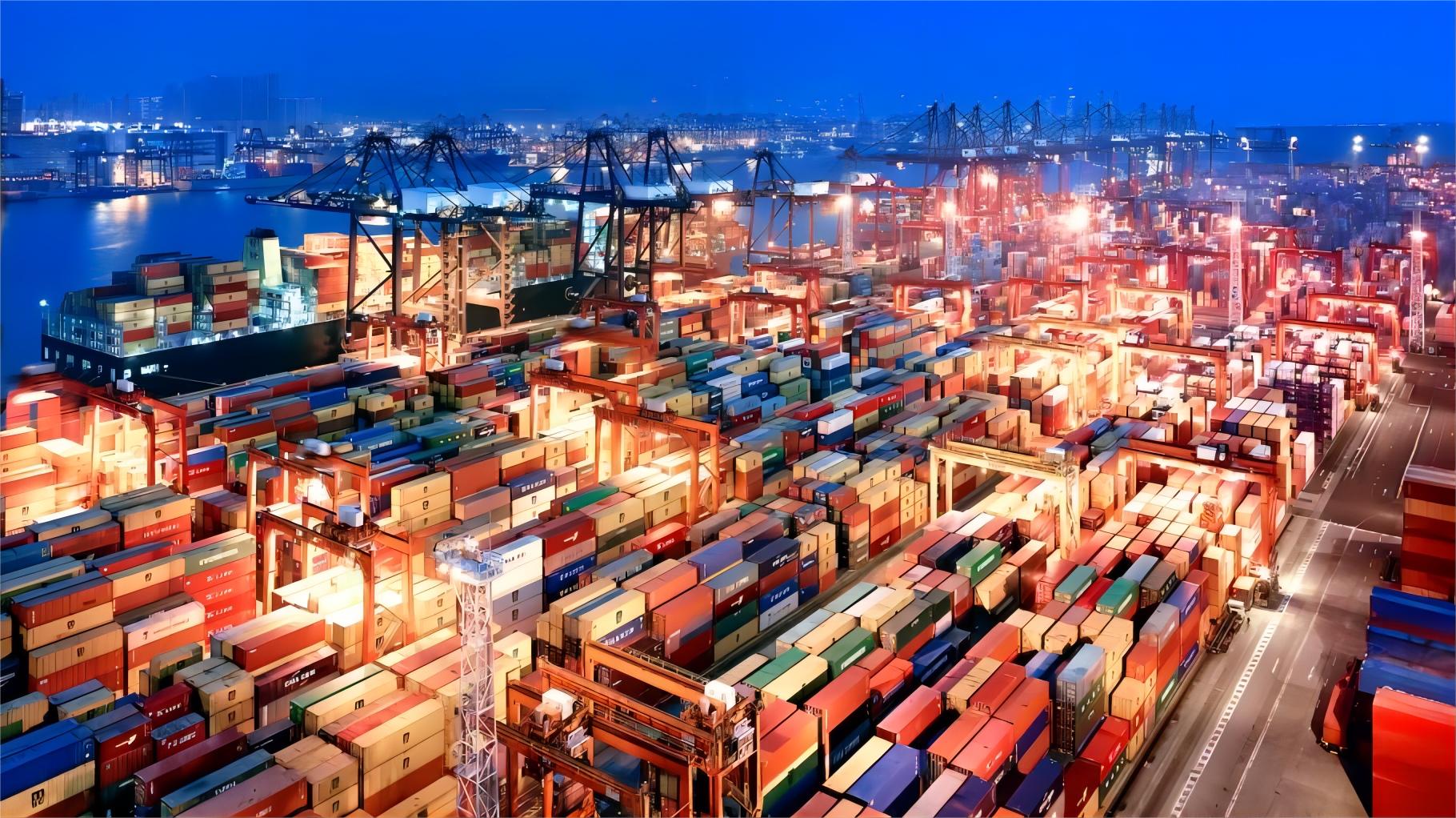
Furthermore, port congestion and infrastructure efficiency in major hubs like Hamburg or Wilhelmshaven can lead to unexpected delays and additional fees. Meanwhile, the choice of shipping equipment, such as standard containers versus refrigerated units, also impacts the total expenditure. Understanding these factors allows for better budget forecasting and supply chain resilience.
How Does Sea Freight Compare to Other Shipping Options?
❖When evaluating shipping rates from China to Germany, sea freight is often the most economical choice for high-volume shipments. However, it is important to weigh the lower cost against the longer transit times compared to air or rail alternatives. For shipments exceeding 15 cubic meters, sea freight usually offers the best value for money.
Moreover, businesses can choose between Full Container Load (FCL) and Less than Container Load (LCL) depending on their cargo volume. While FCL provides more security and faster handling, LCL allows smaller businesses to share container space and reduce costs. Choosing the right method depends on your specific balance of speed, safety, and budget.
The following table provides an objective analysis of the primary shipping methods available for the China-Germany route in early 2026.
| Sea Freight (FCL) | $3,000 – $4,500 per 40HQ | 30 – 40 Days | Large volumes, bulky goods |
| Air Freight | $4.50 – $8.50 per kg | 3 – 7 Days | Urgent, high-value items |
| Rail Freight | $120 – $190 per CBM | 15 – 22 Days | Mid-range budget and speed |
| Express Service | $9.00 – $15.00 per kg | 2 – 5 Days | Small parcels, samples |
Is Sea Freight the Best Choice for Your Business?
❖For many importers, sea freight remains the backbone of their logistics strategy due to its capacity and cost-efficiency. It is particularly suitable for heavy machinery, textiles, and consumer electronics that do not require immediate delivery. Additionally, the environmental impact per ton of cargo is significantly lower than air transport.
Nevertheless, the long duration at sea means your capital is tied up in inventory for several weeks. To mitigate this, some companies utilize a hybrid sea-air approach, which offers a middle ground in terms of both cost and speed. This strategy is effective during times of high demand or when sea routes experience significant delays.
Typical ocean freight rates as of early 2026 show a stabilization in the market. For example, a 20GP container from Shanghai to Hamburg currently ranges between $1,900 and $2,600, depending on the carrier and specific service terms.
When Should You Choose Air Freight for Germany?
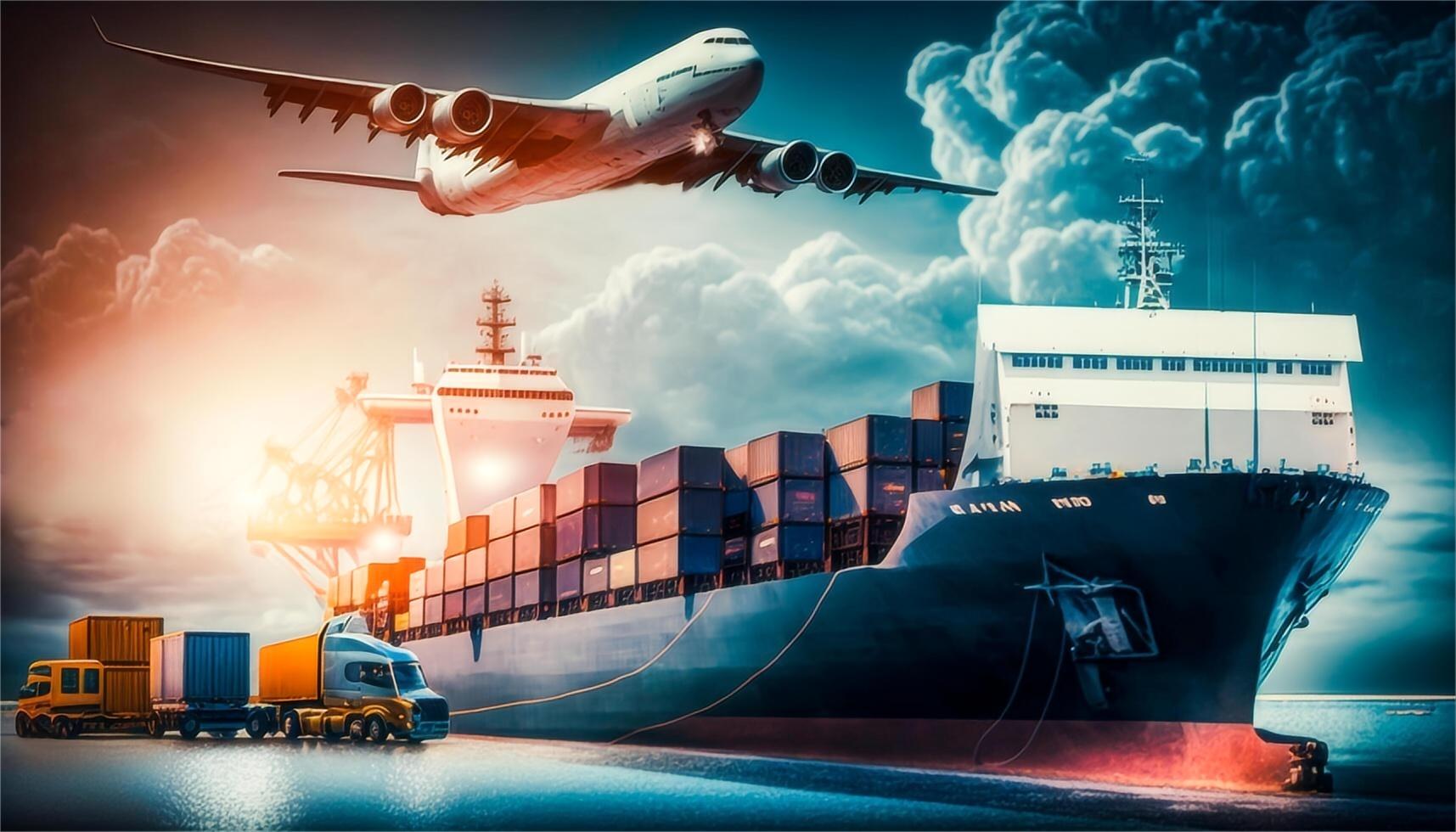
❖If speed is your primary concern, air freight is the most reliable method for reaching the German market quickly. This method is ideal for perishable goods, fashion items with short lifecycles, or urgent replacement parts for industrial machinery. Consequently, the higher shipping rates from China to Germany for air cargo are justified by the rapid turnaround.
Furthermore, air transport offers enhanced security and a lower risk of damage compared to other modes. Because the transit time is short, the insurance premiums for air cargo are often lower than those for sea freight. This can offset some of the higher initial shipping costs.
However, air freight is subject to strict weight and volume restrictions. For instance, shipping a large piece of furniture via air would be prohibitively expensive compared to using a container. Therefore, air freight is best reserved for high-value, low-volume commodities.
The Rise of Rail Freight on the Iron Silk Road
❖In recent years, rail freight has emerged as a powerful alternative for shipments between China and Germany. It offers a transit time that is roughly half that of sea freight while costing significantly less than air freight. This makes it an excellent choice for automotive parts and electronics manufacturers.
Additionally, the rail network connects major Chinese industrial hubs directly to German cities like Duisburg and Hamburg. This direct connection reduces the need for multiple handling stages, which can lower the risk of cargo damage. As a result, many businesses are shifting their mid-priority shipments to rail to optimize their supply chain flow.
Market data suggests that rail rates have remained competitive throughout 2025 and into 2026. Typically, you can expect to pay around $6,000 to $7,500 for a full 40-foot container on the rail route, providing a balanced solution for modern logistics needs.

Optimizing Shipping for Amazon FBA Germany
❖Selling on the German marketplace requires strict adherence to delivery windows and labeling requirements. Utilizing a specialized Amazon FBA shipping service ensures that your goods meet all of Amazon’s stringent criteria. This reduces the risk of shipments being rejected at the fulfillment center.
Moreover, professional freight forwarders can provide door-to-door solutions that include customs clearance and final mile delivery. This comprehensive service allows sellers to focus on marketing and sales while the logistics experts handle the movement of goods. Without a doubt, this is the most efficient way to manage a cross-border e-commerce business.
Note: Freight rates are subject to change based on fuel costs, carrier capacity, and seasonal demand. Contact us for a current quote tailored to your specific shipment.
Navigating Customs and Documentation for German Imports
❖Importing into Germany requires a thorough understanding of EU customs regulations and tax requirements. Working with an experienced customs brokerage is vital to ensure that all paperwork, such as the Commercial Invoice and Bill of Lading, is accurate. Errors in documentation can lead to costly delays and potential fines.
Furthermore, importers must be aware of the Value Added Tax (VAT) and any applicable anti-dumping duties on specific product categories. Indeed, early preparation of the EORI number and other necessary registrations can significantly speed up the clearance process. A professional broker will guide you through these requirements to ensure a smooth entry into the German market.
The following checklist outlines the essential documents required for a successful import process from China to Germany.
| Commercial Invoice | Value declaration | Customs | At departure |
| Packing List | Content verification | Carrier/Customs | At departure |
| Bill of Lading | Title of goods | Carrier | At departure |
| Certificate of Origin | Duty determination | Customs | Before arrival |
Real-World Case Studies: China to Germany Shipping
❖Analyzing real-world scenarios helps importers understand the practical application of different shipping methods. These cases reflect actual market conditions and pricing as of early 2026, providing a realistic benchmark for your own logistics planning.
Case Study 1: Electronics from Shenzhen to Hamburg. Route: Shenzhen, China to Hamburg, Germany. Cargo: Consumer Electronics, 12 CBM, 2,500 kg. Container: LCL. Shipping Details: Major carrier, Port of Loading: Shenzhen, Port of Discharge: Hamburg, Route Type: Direct. Cost Breakdown: Ocean Freight: $1,450; Origin Charges: $350; Destination Charges: $450; Customs and Duties: $1,200; Total Landed Cost: $3,450. Timeline: Booking to Loading: 4 days; Sea Transit: 33 days; Customs Clearance: 2 days; Total Door-to-Door: 45 days. Key Insight: Consolidating cargo via LCL saved the client over $1,000 compared to a half-empty FCL container.
Case Study 2: Machinery from Ningbo to Munich. Route: Ningbo, China to Munich, Germany. Cargo: Industrial Machinery, 28 CBM, 8,000 kg. Container: 40GP. Shipping Details: Rail Service, Port of Loading: Ningbo (via Xi’an), Port of Discharge: Duisburg (then truck to Munich), Route Type: Rail. Cost Breakdown: Rail Freight: $6,800; Origin Charges: $500; Destination Charges: $600; Customs and Duties: $2,500; Total Landed Cost: $10,400. Timeline: Booking to Loading: 6 days; Rail Transit: 19 days; Customs Clearance: 3 days; Total Door-to-Door: 32 days. Key Insight: Rail freight provided the perfect balance of speed and cost for this time-sensitive industrial project.
Which Shipping Option Should You Choose?
❖Selecting the right shipping method depends largely on your specific business priorities and the nature of your cargo. If your primary goal is to minimize costs and your timeline is flexible, sea freight is the clear winner. This is especially true for large, non-perishable shipments that can withstand a month-long journey.
On the other hand, if you are facing a stock-out or launching a new product, air freight offers the speed necessary to meet market demand. For those seeking a middle ground, rail freight provides a compelling alternative that balances transit time and expense. Consequently, many successful importers use a mix of these methods to maintain a flexible and responsive supply chain.
Consider the following criteria when making your decision: Budget priority leads to sea freight; Speed priority leads to air freight; Volume thresholds for switching from LCL to FCL usually occur around 15 CBM. Always consult with a freight expert to determine the most efficient route for your specific needs.
Mastering Your Logistics Strategy
Navigating the various shipping rates from China to Germany requires a strategic approach that considers cost, speed, and reliability. By understanding the nuances of sea, air, and rail freight, you can make informed decisions that support your business growth. Furthermore, staying updated on market trends and customs regulations is essential for long-term success.
In conclusion, whether you are a small e-commerce seller or a large industrial manufacturer, the right logistics partner can make all the difference. We encourage you to evaluate your current shipping methods and explore the alternatives discussed in this guide. With the right strategy, you can achieve a more efficient and cost-effective supply chain in 2026.
Ready to streamline your logistics?
Ready to optimize your supply chain with competitive shipping rates from China to Germany? Contact our expert team today to receive a customized quote and streamline your international logistics. Visit our website to Send Inquiry and start your journey toward hassle-free shipping.
Request Quote