

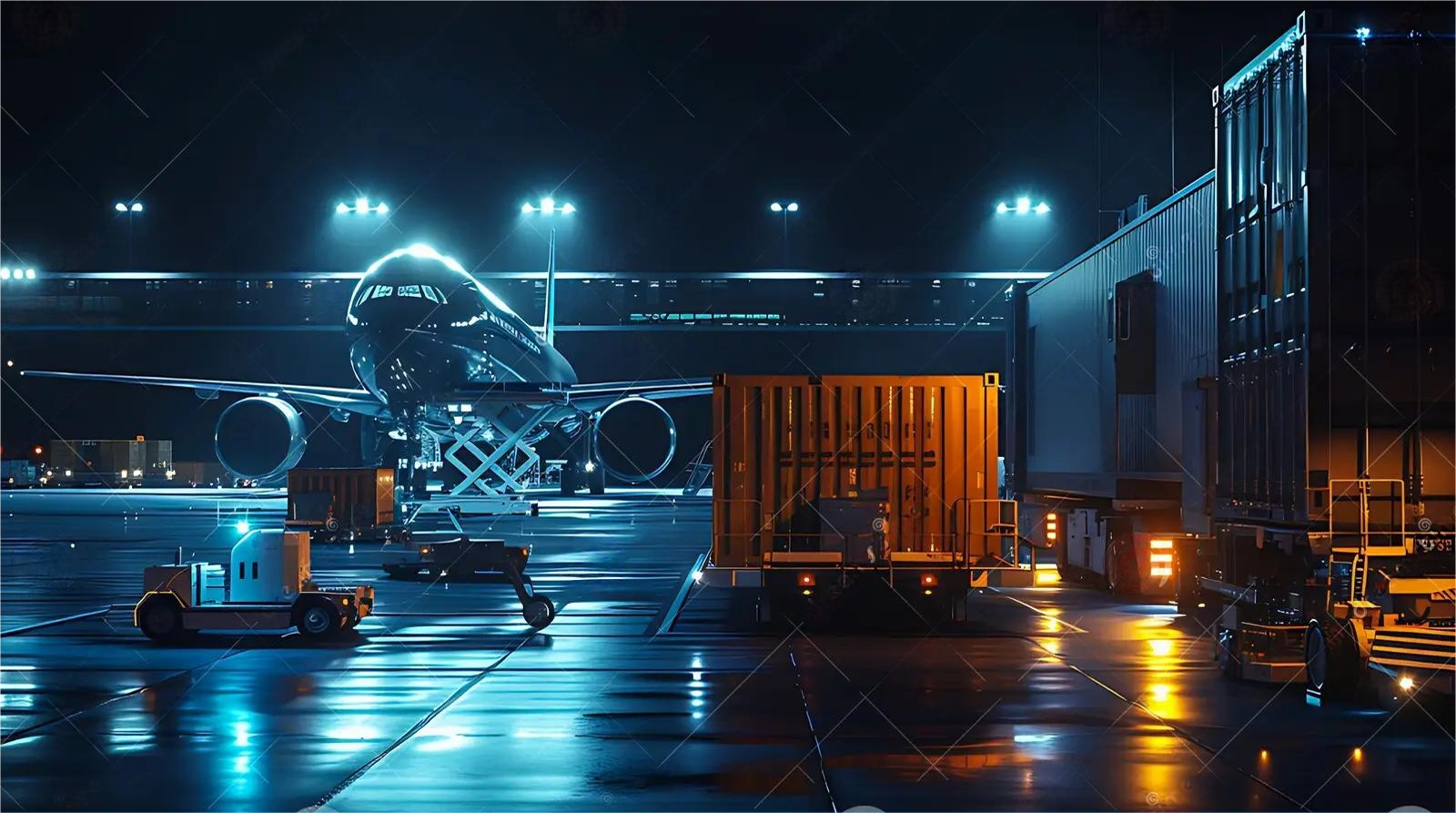
Space Availability for FCL Shipping from China to Ireland: 2025 Guide
Navigating the complexities of international trade requires a deep understanding of space availability for FCL shipping from China to Ireland. Consequently, businesses must plan their logistics months in advance to avoid costly delays and supply chain disruptions. Top China Freight offers comprehensive solutions to manage your container needs effectively in the current market.

What Is the Current Status of Space Availability for FCL Shipping from China to Ireland?
Global logistics markets in early 2025 remain dynamic due to shifting trade patterns and maritime challenges. Specifically, space availability for FCL shipping from China to Ireland fluctuates based on equipment availability at major Chinese hubs like Shanghai and Ningbo. Furthermore, the ongoing adjustments in carrier schedules often lead to temporary shortages during peak manufacturing cycles.
Importers frequently encounter difficulties when trying to book containers during the pre-Lunar New Year rush. Therefore, securing a slot requires early engagement with a reliable freight forwarder who has strong carrier relationships. Additionally, the demand for 40HQ containers often outstrips the supply, making it essential to remain flexible with your equipment choices.
Ireland represents a specialized market within the broader European logistics network. Because most cargo transships through major hubs like Rotterdam or Antwerp, the secondary leg of the journey can also impact overall space availability. Resultantly, monitoring the entire route rather than just the initial departure is crucial for successful delivery.
Factors Influencing Container Space and Freight Rates
Several variables determine how easily you can secure a container and what price you will pay. Primarily, fuel costs and seasonal demand spikes serve as the most significant drivers of maritime shipping costs. Moreover, port congestion in either China or Europe can lead to blank sailings, which immediately reduces the available capacity for Irish importers.
Logistics trends suggest that carrier alliances are managing capacity more strictly to maintain rate stability. Consequently, if a vessel is overbooked, lower-priority cargo might face rolling, which delays the arrival of your goods. Indeed, understanding these market mechanics helps you negotiate better terms and more reliable schedules.
Labor availability at ports also plays a vital role in the movement of full container loads. For instance, any industrial action at European transshipment hubs can create a backlog that ripples back to Chinese loading ports. Meanwhile, the availability of empty containers in inland China cities can vary, affecting the total lead time for your shipment.
How Does FCL Compare to Other Shipping Options?
Choosing the right mode of transport depends on your specific cargo volume and budget constraints. While sea freight remains the most popular choice for bulk goods, other methods offer speed or flexibility. Specifically, FCL provides the benefit of a dedicated container, which reduces handling risks compared to LCL shipments.
Air freight serves as a critical alternative for high-value or time-sensitive electronics and medical supplies. However, the cost per kilogram is significantly higher than ocean transport, making it less viable for heavy machinery or furniture. In contrast, rail freight offers a middle ground in terms of both cost and speed for certain European destinations, though direct rail to Ireland involves additional sea crossings.
Business owners should evaluate their inventory needs against the transit times of each method. For example, if your production is delayed, switching to air might be the only way to meet a retail deadline. Nevertheless, for the majority of standard consumer goods, FCL remains the most cost-effective solution for large volumes.
| Shipping Method | Cost Range | Transit Time | Best For |
|---|---|---|---|
| FCL Sea Freight | $2,200 – $4,500 | 30 – 40 Days | Large volumes, heavy cargo |
| LCL Sea Freight | $80 – $150/CBM | 35 – 45 Days | Small shipments, samples |
| Air Freight | $4.50 – $8.00/kg | 5 – 8 Days | Urgent, high-value goods |
| Rail Freight | $150 – $250/CBM | 20 – 25 Days | Mid-range speed and cost |

Selecting the Right Container: 20GP, 40GP, and 40HQ
Optimizing your cargo volume is essential to maximizing the value of your FCL booking. Usually, a 20GP container is suitable for heavy goods like tiles or machinery, whereas a 40HQ is better for voluminous items like furniture. Notably, Amazon FBA sellers often prefer 40HQ containers to maximize the number of cartons per shipment.
Weight restrictions also dictate which container type you should select for your Irish imports. Irish road weight limits are strict, so an overstuffed 20ft container might face issues during the final delivery leg from Dublin Port. Furthermore, the price difference between a 40GP and a 40HQ is often minimal, making the HQ version a more efficient choice for most light-weight consumer products.
Carriers often have better availability for specific container types depending on the port of loading. Therefore, if you cannot find a 40HQ in Ningbo, you might consider using two 20GP containers if the urgency is high. Always consult with your logistics partner to determine the most available and cost-effective equipment for your specific route.
Port of Loading and Discharge Options for Irish Imports
China boasts several world-class ports that facilitate shipping from China to Europe with high efficiency. Shanghai and Shenzhen are the primary hubs for electronics and general merchandise heading to Ireland. Additionally, Ningbo and Qingdao offer excellent facilities for industrial goods and raw materials.
Dublin Port handles the majority of container traffic entering the Republic of Ireland. However, for businesses located in the south, Cork Port provides an excellent alternative that can sometimes reduce inland haulage costs. Choosing the right discharge port can significantly impact the final delivery schedule and overall logistics efficiency.
Transshipment usually occurs in major European ports like Rotterdam, Le Havre, or Felixstowe. Consequently, the space availability on the feeder vessels that connect these hubs to Ireland is a critical factor in your planning. Understanding these connections allows you to better predict potential delays during peak shipping seasons.
| Origin Port | Destination Port | Average Transit | Route Type |
|---|---|---|---|
| Shanghai | Dublin | 32 Days | Transshipment via Rotterdam |
| Shenzhen | Dublin | 30 Days | Direct to EU Hub |
| Ningbo | Cork | 35 Days | Transshipment via Le Havre |
| Qingdao | Dublin | 38 Days | Transshipment via Antwerp |
Case Studies: Real-World FCL Shipments to Ireland
Case Study 1: Electronics Distribution. Route: Shenzhen to Dublin. Cargo: Consumer electronics, 65 CBM, 12,000 kg. Container: 40HQ. Shipping Details: Carrier: MSC. Port of Loading: Shenzhen. Port of Discharge: Dublin via Rotterdam. Ocean Freight: $3,950. Origin Charges: $420. Destination Charges: $550. Customs and Duties: $1,200. Total Landed Cost: $6,120. Timeline: Booking to Loading: 5 days. Sea Transit: 31 days. Customs Clearance: 2 days. Total Door-to-Door: 42 days. Key Insight: Early booking during Q3 avoided the October peak season surcharges.
Case Study 2: Furniture Import. Route: Ningbo to Cork. Cargo: Wooden furniture, 28 CBM, 8,500 kg. Container: 20GP. Shipping Details: Carrier: COSCO. Port of Loading: Ningbo. Port of Discharge: Cork via Antwerp. Ocean Freight: $2,100. Origin Charges: $380. Destination Charges: $490. Customs and Duties: $850. Total Landed Cost: $3,820. Timeline: Booking to Loading: 7 days. Sea Transit: 36 days. Customs Clearance: 3 days. Total Door-to-Door: 50 days. Key Insight: Utilizing Cork port saved the client 15% on local trucking costs to their warehouse in Munster.
Note: Freight rates are subject to change based on fuel costs, carrier capacity, and seasonal demand. Contact us for a current quote tailored to your specific shipment.

Impact of Seasonal Peak Times on Space Availability
Seasonal fluctuations are the most predictable challenges in the international shipping calendar. For example, the weeks leading up to the Chinese New Year see a massive surge in demand as factories rush to clear orders. Consequently, space availability for FCL shipping from China to Ireland becomes extremely tight, often resulting in premium pricing.
Golden Week in October is another period where capacity drops significantly due to factory closures. Furthermore, the Christmas peak season usually begins in August for sea freight, as Irish retailers stock up for the holiday rush. Planning your shipments around these dates is essential to maintaining a steady flow of inventory.
Weather conditions during the monsoon season or winter storms in the North Atlantic can also disrupt schedules. Although these are less predictable than holidays, they frequently cause port closures and vessel delays. Therefore, adding a buffer of 7 to 10 days to your delivery schedule during these months is a wise strategy.
Navigating Customs and Documentation for FCL Cargo
Efficient customs brokerage is vital to ensuring your FCL container moves through Dublin or Cork without delay. Specifically, you must provide an accurate Bill of Lading, Commercial Invoice, and Packing List to the Irish Revenue Commissioners. Any discrepancies in these documents can lead to inspections and additional storage fees at the port.
Importers must also be aware of the specific HS codes for their products to calculate duties and VAT correctly. Moreover, certain goods might require additional certificates, such as phytosanitary documents for wooden items or CE marking for electronics. Indeed, having all paperwork ready before the vessel arrives in Europe can save days of processing time.
Post-Brexit changes have also influenced how cargo is handled in the region, even for direct shipments from China. Consequently, ensuring your EORI number is active and correctly linked to your shipments is a fundamental step for any Irish business. Collaborating with an experienced logistics partner ensures that these administrative hurdles are managed professionally.
Strategies to Guarantee Your Container Space
Securing space in a crowded market requires a proactive approach rather than a reactive one. First, aim to book your container at least 3 to 4 weeks before the cargo ready date. This lead time gives your freight forwarder the best chance to negotiate with carriers and secure a spot on a preferred vessel.
Flexibility regarding your departure port can also open up more options when space is limited. For instance, if Shanghai is congested, shipping from a nearby port like Ningbo might offer better availability. Additionally, consider using air freight for a small portion of your order to keep sales going while the bulk of your goods travels by sea.
Establishing a long-term relationship with a logistics provider often results in better treatment during space shortages. Carriers are more likely to honor bookings from established partners with a history of consistent volume. Ultimately, clear communication about your shipment volume and timelines is the best tool for ensuring your cargo moves as planned.
Which Shipping Option Should You Choose?
Deciding on the best method involves balancing your budget, speed requirements, and cargo characteristics. If your primary goal is cost reduction and you have a large volume of goods, FCL sea freight is the undisputed winner. However, if you are shipping smaller quantities or have an urgent deadline, LCL or air freight might be more suitable.
Budget-conscious importers should prioritize FCL for shipments over 15 cubic meters to benefit from lower per-unit costs. On the other hand, if speed is your absolute priority, air freight can deliver goods in under a week, albeit at a much higher price point. Hybrid solutions, such as sea-air, can also be explored for a balance of both worlds.
Cargo type considerations also play a role; hazardous materials or oversized items often have limited options and require specialized handling. Therefore, evaluate your specific needs against the current market availability to make an informed decision. Always seek a professional quote to compare the most recent rates and transit times for your route.

Summary of FCL Shipping Success
Managing space availability for FCL shipping from China to Ireland requires a combination of early planning, market intelligence, and flexible strategies. By understanding the factors that influence carrier capacity and freight rates, Irish businesses can better navigate the complexities of international trade.
Reliability in your logistics chain is achieved through strong partnerships and a proactive approach to documentation and port selection. Whether you are importing electronics to Dublin or furniture to Cork, staying informed about 2025 trends will ensure your cargo arrives on time and within budget.
Ready to streamline your logistics?
Ensure your supply chain remains resilient by securing your container space today. Contact our expert team for a personalized quote on space availability for FCL shipping from China to Ireland. Visit our website to Send Inquiry and get started with a reliable logistics partner.
Request Quote