


Textiles Shipping China to Europe: The Ultimate 2025 Logistics Guide
Textiles shipping China to Europe represents a critical link in the global fashion and home decor supply chain. Many businesses face significant hurdles when navigating complex international logistics and fluctuating freight rates. By utilizing the expertise of Top China Freight, importers can streamline their operations and ensure that high-quality fabrics and garments reach European markets efficiently. This guide provides a comprehensive overview of the best practices for moving textile goods across these major trade routes.

What are the main methods for textiles shipping China to Europe?
Choosing the right transportation mode is essential for maintaining a healthy profit margin in the textile industry. Consequently, importers must weigh the benefits of speed against the necessity of cost control. Most textile shipments utilize sea, rail, or air transport depending on the urgency of the inventory.

Furthermore, the volume of the cargo often dictates the most economical choice for your business. Large rolls of fabric typically travel via ocean containers to minimize expenses. Meanwhile, high-value finished garments might require faster transit to meet seasonal fashion deadlines.
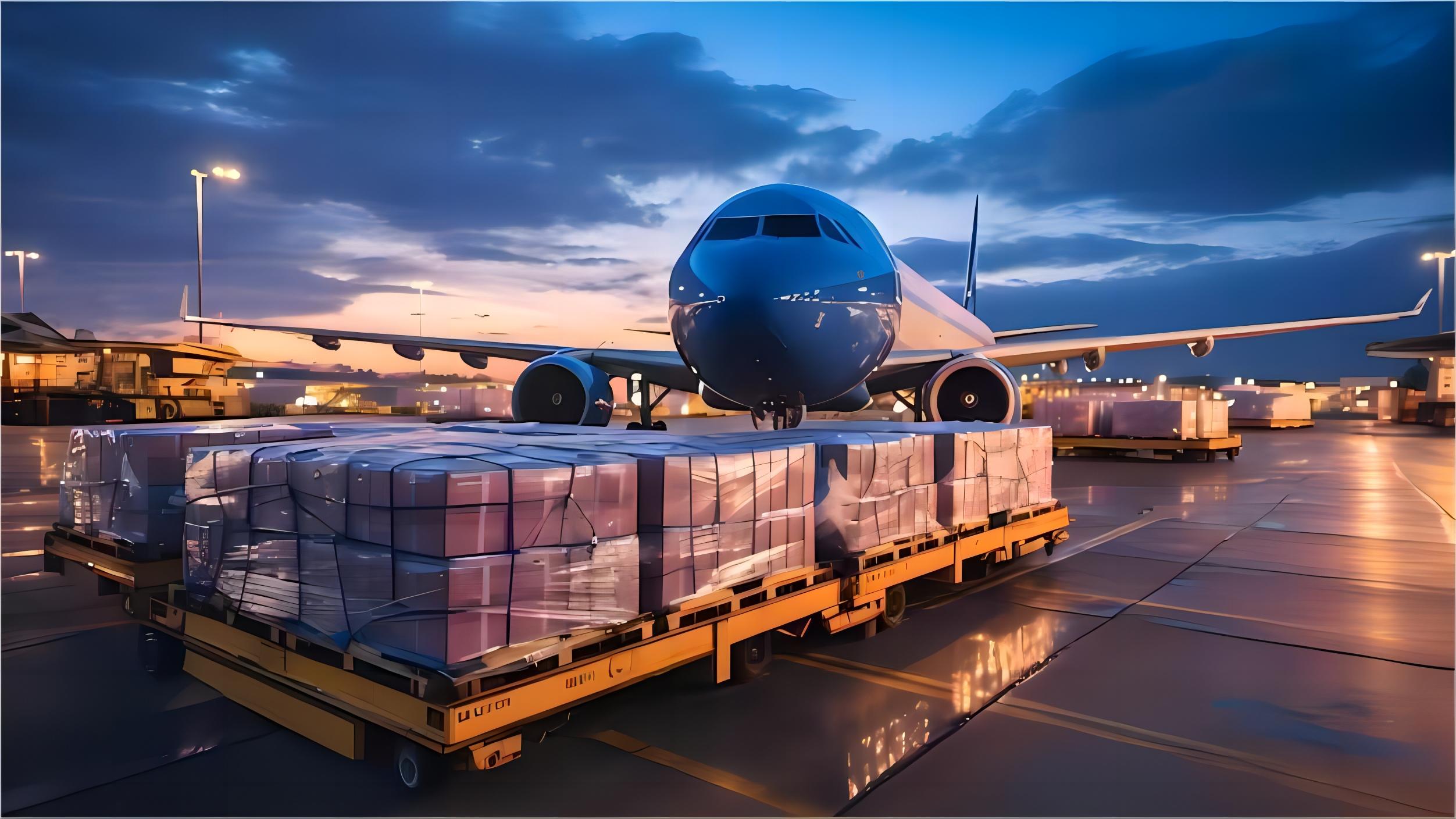
Additionally, the geographic location of your supplier in China and your warehouse in Europe influences the logistics strategy. Coastal factories in Zhejiang or Guangdong often favor maritime routes. In contrast, inland production hubs may find rail connections more accessible and cost-effective.

Therefore, understanding the nuances of each method allows you to build a more resilient supply chain. You should evaluate your specific needs for every shipment to ensure optimal performance. This strategic approach helps mitigate risks associated with port congestion or equipment shortages.
How does sea freight compare to other shipping options for textiles shipping China to Europe?
Specifically, sea freight remains the most popular choice for bulk textile orders due to its unparalleled capacity. Although it offers the longest transit times, the cost per unit is significantly lower than any other method. This makes it ideal for staple items like cotton sheets or basic apparel.
However, the maritime industry has faced volatility in recent years, affecting both rates and schedules. As of Q1 2025, freight rates from China to Europe have stabilized after the 2024 Red Sea disruptions. Nevertheless, businesses should still plan for a 30 to 45-day window for door-to-door delivery.
Moreover, sea freight allows for different container types to suit your specific textile needs. You can choose between Full Container Load (FCL) for large volumes or Less than Container Load (LCL) for smaller fabric samples. This flexibility ensures that businesses of all sizes can participate in international trade.
In addition to cost benefits, ocean transport is generally considered more environmentally friendly per ton-mile compared to air freight. As sustainability becomes a priority for European consumers, choosing sea routes can enhance your brand’s green credentials. You should always compare current market data before booking your space.
| Shipping Method | Cost Range | Transit Time | Best For |
|---|---|---|---|
| Sea Freight (FCL) | $3,000 – $4,500 | 30 – 40 Days | Bulk fabric and staple garments |
| Rail Freight | $4,500 – $6,500 | 18 – 22 Days | Mid-season replenishments |
| Air Freight | $5 – $9 per kg | 5 – 8 Days | High-end fashion and samples |
| Sea-Air Hybrid | $3 – $5 per kg | 15 – 20 Days | Balancing cost and speed |
Why is rail freight a strategic alternative for textile logistics?
In contrast to traditional ocean routes, rail freight offers a compelling middle ground for European importers. This method effectively bridges the gap between the slowness of the sea and the high cost of the air. It is particularly useful for the textile industry where seasonal trends change rapidly.
Consequently, many brands use the China-Europe Railway Express to move mid-season collections that cannot wait for a ship. The rail journey typically takes about half the time of sea freight. This speed allows retailers to react faster to consumer demand without breaking their logistics budget.
Furthermore, rail transport provides a more stable environment for sensitive textiles that might be affected by humidity on long sea voyages. The containers are subject to less movement and temperature fluctuation during the overland trip. This ensures that delicate fabrics arrive in pristine condition.
Indeed, the infrastructure for rail logistics has improved significantly across the Eurasian land bridge. Major hubs like Chengdu and Xi’an offer direct connections to European cities like Warsaw, Hamburg, and Lyon. You can often achieve a total transit time of under three weeks for your textile cargo.
Can air freight benefit your textile business in 2025?
When speed is the absolute priority, air freight is the only viable solution for textiles shipping China to Europe. This method is frequently used for high-fashion items, luxury textiles, or urgent production samples. It ensures that your products reach the retail floor in a matter of days.
Moreover, air transport significantly reduces the need for large inventory holdings. By moving smaller batches quickly, you can maintain a leaner supply chain and reduce warehousing costs. This approach is highly effective for e-commerce businesses that require rapid replenishment of popular styles.
However, the high cost of air shipping means it should be used strategically rather than for every shipment. Most companies reserve air space for items with high profit margins or critical deadlines. For instance, launching a new collection across multiple European cities simultaneously often requires air support.
Additionally, the security levels at air cargo terminals are much higher than at seaports. This reduces the risk of theft or damage for expensive textile goods. While the price is steep, the reliability and safety of air transport provide peace of mind for premium brand owners.
Understanding customs and documentation for European textile imports
Navigating the regulatory landscape is a vital part of textiles shipping China to Europe. Every shipment must comply with European Union customs regulations to avoid costly delays or fines. Utilizing a professional customs brokerage service can simplify this complex process.
Specifically, you must provide accurate documentation, including the commercial invoice, packing list, and bill of lading. For textiles, a Certificate of Origin is often required to determine the applicable duty rates. Furthermore, you must ensure that your products meet EU safety and environmental standards, such as REACH compliance.
Consequently, incorrect classification of textile goods under the Harmonized System (HS) codes can lead to significant issues. Different fabrics and garment types carry varying duty percentages. Therefore, double-checking your HS codes before the cargo leaves China is a critical step for every importer.
In addition, you should be aware of any trade agreements or quotas that might affect your shipment. Some textile products may qualify for preferential tariff treatments depending on their origin. Staying informed about these regulations helps you calculate the total landed cost of your goods accurately.
Which option should you choose for textiles shipping China to Europe?
Deciding on the best shipping method depends on several factors, including your budget, timeline, and cargo volume. If your primary goal is cost reduction and you have a long lead time, sea freight is the logical choice. It remains the backbone of the global textile trade for a reason.
On the other hand, if you are shipping time-sensitive fashion items, you should consider rail or air freight. Rail is excellent for balancing speed and cost, while air is reserved for the most urgent deliveries. Many successful importers use a combination of these methods to optimize their inventory flow.
Additionally, consider the final destination of your goods within Europe. For shipments to inland countries like Austria or the Czech Republic, rail freight might offer a more direct door to door service. This reduces the need for multiple transshipment points and lowers the risk of damage.
To summarize, there is no one-size-fits-all solution for textile logistics. You must analyze each shipment based on its unique requirements and the current market conditions. Consulting with a logistics expert can help you navigate these choices and find the most efficient path for your cargo.
Real-World Case Studies for Textile Shipping
Case Study 1: Large Scale Fabric Distribution. Route: Ningbo, China to Rotterdam, Netherlands. Cargo: Cotton Fabric, 68 CBM, 18,000 kg. Container: 40HQ. Shipping Details: Carrier: COSCO, Port of Loading: Ningbo, Port of Discharge: Rotterdam, Route Type: Direct. Cost Breakdown: Ocean Freight: $3,200, Origin Charges: $450, Destination Charges: $550, Customs: $300. Total Landed Cost: $4,500. Timeline: Booking to Loading: 5 days, Sea Transit: 32 days, Customs: 3 days. Total Door-to-Door: 40 days. Key Insight: Planning 6 weeks in advance allowed the client to secure a lower contract rate during the shoulder season.
Case Study 2: Express Garment Replenishment. Route: Shenzhen, China to Hamburg, Germany. Cargo: Finished Apparel, 12 CBM, 3,200 kg. Container: LCL. Shipping Details: Method: Rail Freight, Port of Loading: Shenzhen (via Xi’an), Port of Discharge: Hamburg. Cost Breakdown: Rail Freight: $2,800, Origin Charges: $350, Destination Charges: $400, Customs: $250. Total Landed Cost: $3,800. Timeline: Booking to Loading: 3 days, Rail Transit: 19 days, Customs: 2 days. Total Door-to-Door: 24 days. Key Insight: Rail freight saved the client 15 days compared to sea freight, allowing them to restock a popular winter line before the peak shopping period.
Note: Freight rates are subject to change based on fuel costs, carrier capacity, and seasonal demand. Contact us for a current quote tailored to your specific shipment.
Cost-saving strategies for textile logistics
Reducing expenses in textiles shipping China to Europe requires a proactive approach to supply chain management. One effective strategy is to consolidate shipments from multiple suppliers into a single container. This reduces the per-unit cost of transportation and simplifies the customs clearance process.
Furthermore, optimizing your packaging can lead to significant savings, especially for air and rail freight. By reducing the volume of your cargo without compromising safety, you can fit more goods into each shipment. Vacuum-packing certain types of garments is a common technique used to maximize space.
Additionally, you should keep a close eye on seasonal rate fluctuations. Shipping your goods during off-peak periods can save you hundreds of dollars per container. For instance, avoiding the rush before the Chinese New Year or the autumn peak season is a wise financial move.
Therefore, building a long-term relationship with a reliable freight forwarder can provide access to better rates and priority space. They can offer valuable advice on route optimization and help you navigate unforeseen disruptions. Consistent communication is key to maintaining an efficient and cost-effective logistics operation.
Final Thoughts on Textile Shipping Success
To summarize, successfully managing textiles shipping China to Europe requires a balance of strategic planning, market knowledge, and reliable partnerships. By understanding the various shipping methods and their respective costs, you can make informed decisions that support your business goals. Sea freight remains the most economical for bulk, while rail and air provide necessary speed for the fast-paced fashion industry.
Moreover, staying compliant with customs regulations and utilizing cost-saving strategies will protect your bottom line. As the logistics landscape continues to evolve in 2025, flexibility and proactive management will be your greatest assets. Partnering with experts ensures that your textile cargo arrives safely, on time, and within budget, allowing you to focus on growing your brand in the European market.
Ready to streamline your logistics?
Ensure your textile business stays ahead of the competition with reliable and cost-effective logistics solutions. Whether you need bulk sea freight or urgent air delivery, our team is ready to optimize your supply chain. Contact Top China Freight today for a customized quote on textiles shipping China to Europe and experience seamless international trade. Visit our website to learn more or send an inquiry to get started.
Request Quote