

Trusted Customs Clearance from China to France: 2025 Guide
Navigating the complexities of international trade requires a partner who understands the nuances of European regulations. Partnering with Top China Freight ensures your cargo moves smoothly across borders without unnecessary delays. Obtaining trusted customs clearance from China to France is essential for maintaining a reliable supply chain and avoiding costly port storage fees.
Why You Need Trusted Customs Clearance from China to France
Reliable logistics operations depend heavily on the efficiency of the border crossing process. Specifically, trusted customs clearance from China to France prevents your business from facing unexpected legal hurdles or financial penalties. Moreover, the French customs authority, known as Douane, maintains strict oversight on all incoming commercial shipments. Consequently, any minor error in your declaration can lead to a complete hold on your inventory. Furthermore, professional handling of your paperwork ensures that you pay the correct amount of Value Added Tax and import duties.
Importers often underestimate the complexity of European Union trade laws, which can change rapidly. Notably, having a verified partner allows you to navigate these shifts with confidence and minimal disruption. Additionally, a smooth clearance process improves your overall transit time and customer satisfaction levels. Therefore, investing in high-quality logistics support is a strategic move for any growing enterprise. Indeed, the peace of mind provided by expert oversight is invaluable in today’s volatile global market.

Understanding the Import Process in France
Importing goods into the French market requires a systematic approach to satisfy both national and EU requirements. Initially, your shipment must be declared through the DELTA system, which is the French electronic customs clearance portal. Following this, officials will verify your Economic Operator Registration and Identification number, commonly known as an EORI number. Significantly, shipping to Europe involves adhering to strict safety and environmental standards for all consumer products.
Furthermore, you must ensure that your goods are properly classified using the correct Harmonized System codes. Incorrect codes can result in overpaying duties or, conversely, facing fines for underpayment. Meanwhile, the French government requires a standard VAT rate of 20 percent on most imported items, though some exceptions apply. Consequently, calculating these costs in advance is vital for maintaining your profit margins. Importers should also prepare for potential physical inspections, which customs officers perform to verify the contents of the cargo.
Essential Documentation for French Customs
Proper documentation serves as the backbone of any successful international shipment. Specifically, you must provide a commercial invoice that clearly states the value, origin, and description of the goods. Additionally, a detailed packing list is required to help officials identify the contents of each individual package. Moreover, utilizing a professional customs brokerage service can help you verify these documents before they reach the border. Notably, the Bill of Lading or Air Waybill acts as the contract of carriage and is a mandatory requirement.
Furthermore, certain products like chemicals, food, or electronics may require specialized certificates of conformity or health permits. Consequently, failure to produce these documents at the time of entry will result in the immediate seizure of the goods. Therefore, it is highly recommended to compile a comprehensive document folder well in advance of the shipping date. Indeed, digital copies should be shared with your freight forwarder to facilitate pre-clearance procedures. This proactive approach significantly reduces the risk of your shipment being stuck in a port warehouse.
| Document Name | Primary Purpose | Required By | Format |
|---|---|---|---|
| Commercial Invoice | Value declaration | French Customs | Digital/Paper |
| Packing List | Cargo details | Port Authority | Digital/Paper |
| Bill of Lading | Title of goods | Carrier | Original/Telex |
| EORI Number | ID for EU trade | EU Authorities | Registration |
How Does Sea Freight Compare to Other Shipping Options?
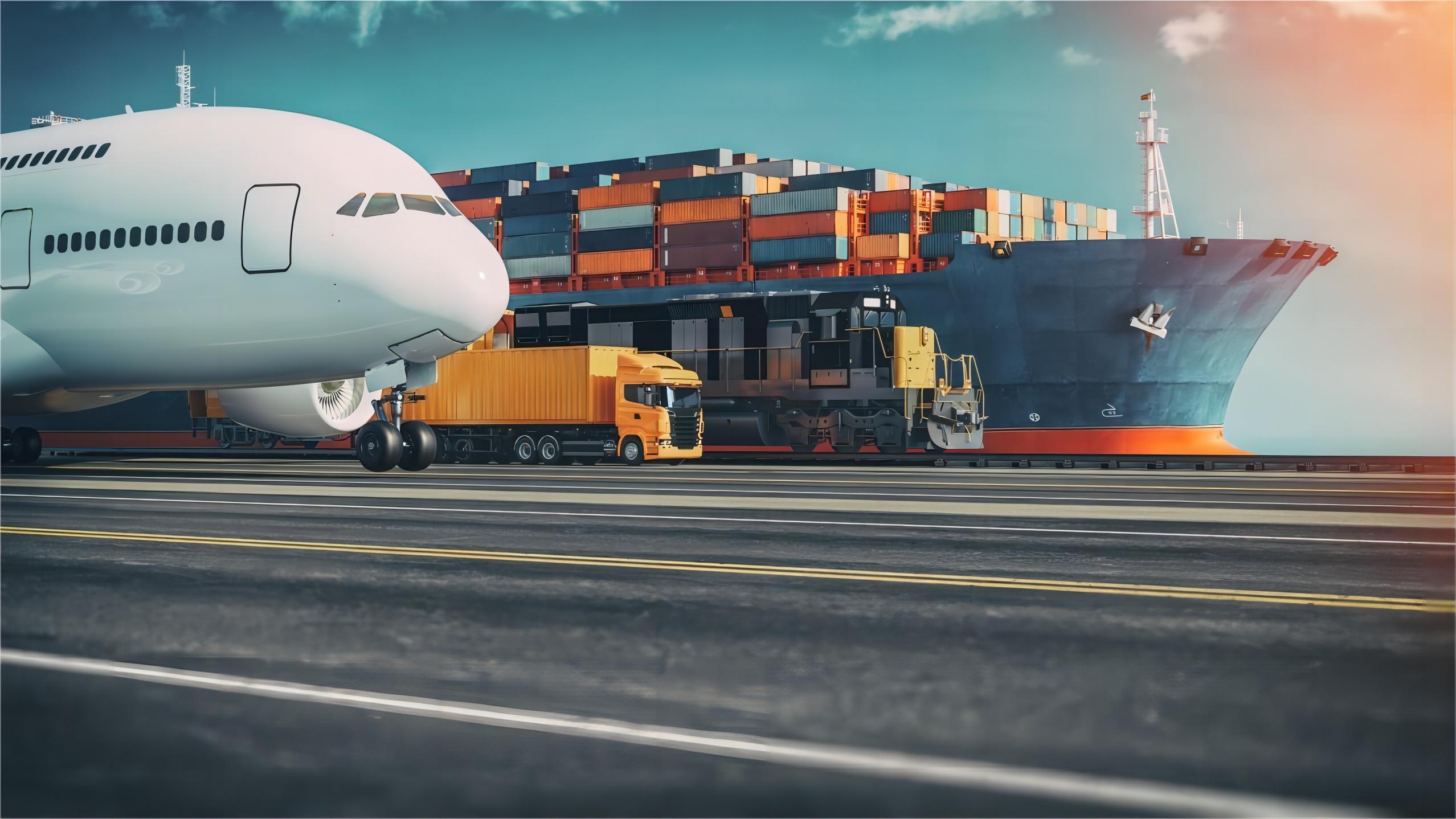
Choosing the right transport mode significantly influences your total landed cost and delivery schedule. While sea freight remains the most economical choice for large volumes, it requires the longest lead time. Conversely, air freight offers the fastest delivery for high-value or time-sensitive items. Rail freight has also emerged as a viable middle ground, offering a balance between speed and cost for transcontinental routes. Consequently, businesses must evaluate their inventory needs against the current market rates and transit times.
Moreover, as of early 2025, sea freight rates have stabilized, though they remain sensitive to fuel price fluctuations. Specifically, shipping a 40HQ container from Shanghai to Le Havre typically takes between 30 and 35 days. However, air freight can reduce this window to just 5 or 7 days, which is critical for seasonal product launches. Furthermore, rail freight provides a sustainable alternative that is faster than sea but significantly cheaper than air. Therefore, understanding these trade-offs is a core component of achieving trusted customs clearance from China to France.
| Shipping Method | Cost and Transit Time | Ideal Use Case | Key Limitations |
|---|---|---|---|
| Sea Freight | $1,800 – $4,200 / 30-40 Days | Bulk goods and large stock | Slowest transit speed |
| Air Freight | $5 – $12 per kg / 3-7 Days | Electronics and urgent cargo | Highest overall cost |
| Rail Freight | $2,500 – $5,000 / 18-25 Days | Mid-sized industrial goods | Limited inland routes |
| Express | $8 – $15 per kg / 2-5 Days | Samples and small parcels | Very high unit price |
Cost-Saving Strategies for Importing to France
Businesses can significantly reduce their logistics expenses by implementing a few strategic planning techniques. Initially, consolidating multiple small shipments into a single Full Container Load can lower your per-unit shipping cost. Additionally, choosing a Port of Discharge that is closer to your final warehouse location reduces inland haulage fees. Furthermore, negotiating long-term contracts with your freight forwarder can protect you from sudden price spikes during peak seasons. Notably, seasonal demand typically peaks between August and October, leading to a 20 percent increase in rates.
Consequently, planning your inventory arrivals during off-peak months like March or April can yield substantial savings. Importers should also focus on accurate HS code classification to avoid paying unnecessary duties or penalties. Moreover, utilizing Free Trade Zones or bonded warehouses can defer VAT payments until the goods are actually sold. Therefore, a comprehensive understanding of French tax law is just as important as the physical transport of the goods. Indeed, these small adjustments can add up to thousands of dollars in annual savings for your business.
Real-World Case Studies of Successful Shipments
Examining real-world examples provides valuable insights into the practical challenges of international logistics. These scenarios illustrate how professional management overcomes common hurdles in the shipping process. Notably, the following cases reflect typical market conditions and pricing as of late 2024 and early 2025.
+———————————————————+ | Case Study 1: Electronics from Shenzhen to Marseille | | Route: Shenzhen, China to Marseille, France | | Cargo: Consumer Electronics, 12 CBM, 2500 kg | | Method: Sea Freight LCL | | Ocean Freight: $1,450 | | Customs and Duties: $4,200 | | Total Landed Cost: $6,150 | | Transit Time: 32 Days | | Key Insight: Pre-filing documents saved 4 days at port | +———————————————————+
+———————————————————+ | Case Study 2: Textiles from Ningbo to Le Havre | | Route: Ningbo, China to Le Havre, France | | Cargo: Cotton Apparel, 40HQ Container | | Method: Sea Freight FCL | | Ocean Freight: $3,850 | | Origin and Destination Charges: $950 | | Customs and Duties: $5,400 | | Total Landed Cost: $10,200 | | Transit Time: 35 Days | | Key Insight: Direct route avoided transshipment delays | +———————————————————+
Note: Freight rates are subject to change based on fuel costs, carrier capacity, and seasonal demand. Contact us for a current quote tailored to your specific shipment.
Which Shipping Option Should You Choose?
Determining the most effective logistics strategy requires a clear assessment of your business priorities and cargo characteristics. If your primary focus is budget optimization for non-urgent inventory, sea freight is the logical choice. Conversely, if you are dealing with perishable items or high-demand tech gadgets, air freight is the only way to meet market expectations. Additionally, door to door shipping services provide a seamless experience by handling every aspect of the journey. Furthermore, rail freight serves those who need a faster turnaround than sea without the extreme expense of air.
Notably, businesses should also consider the volume of their cargo when making this decision. For shipments smaller than 15 CBM, Less than Container Load shipping is usually more cost-effective than booking a full container. However, once you exceed that threshold, a 20GP container often provides better security and lower unit costs. Consequently, your decision framework should include factors like product margin, shelf life, and customer urgency. Therefore, consulting with a logistics expert is the best way to determine which method will maximize your operational efficiency.
Mastering Your Supply Chain to France
Successfully navigating the import process requires a combination of detailed planning and expert execution. By focusing on accurate documentation and choosing the right transport mode, you can ensure trusted customs clearance from China to France every time. Moreover, staying informed about the latest regulatory changes in 2025 will help you avoid common pitfalls and delays. Consequently, your business will benefit from lower costs and a more predictable delivery schedule. Ultimately, the strength of your logistics partnership determines the success of your international trade ventures.
Ready to streamline your logistics?
Take control of your international logistics today by partnering with experts who understand the complexities of the French market. We provide comprehensive solutions to ensure your trusted customs clearance from China to France is handled with precision and care. Contact us now to receive a customized quote and streamline your international trade operations. Visit: https://Top China Freight.com/contact-us/
Request Quote