

Trusted Customs Clearance from China to UK: The Complete 2025 Guide
Navigating the complexities of international trade requires a reliable partner for your logistics needs. Top China Freight offers expert solutions for businesses seeking trusted customs clearance from China to UK. Consequently, our team ensures your goods pass through HMRC inspections without unnecessary delays or hidden costs. By choosing a professional partner, you can focus on growing your business while we manage the intricate details of your supply chain.
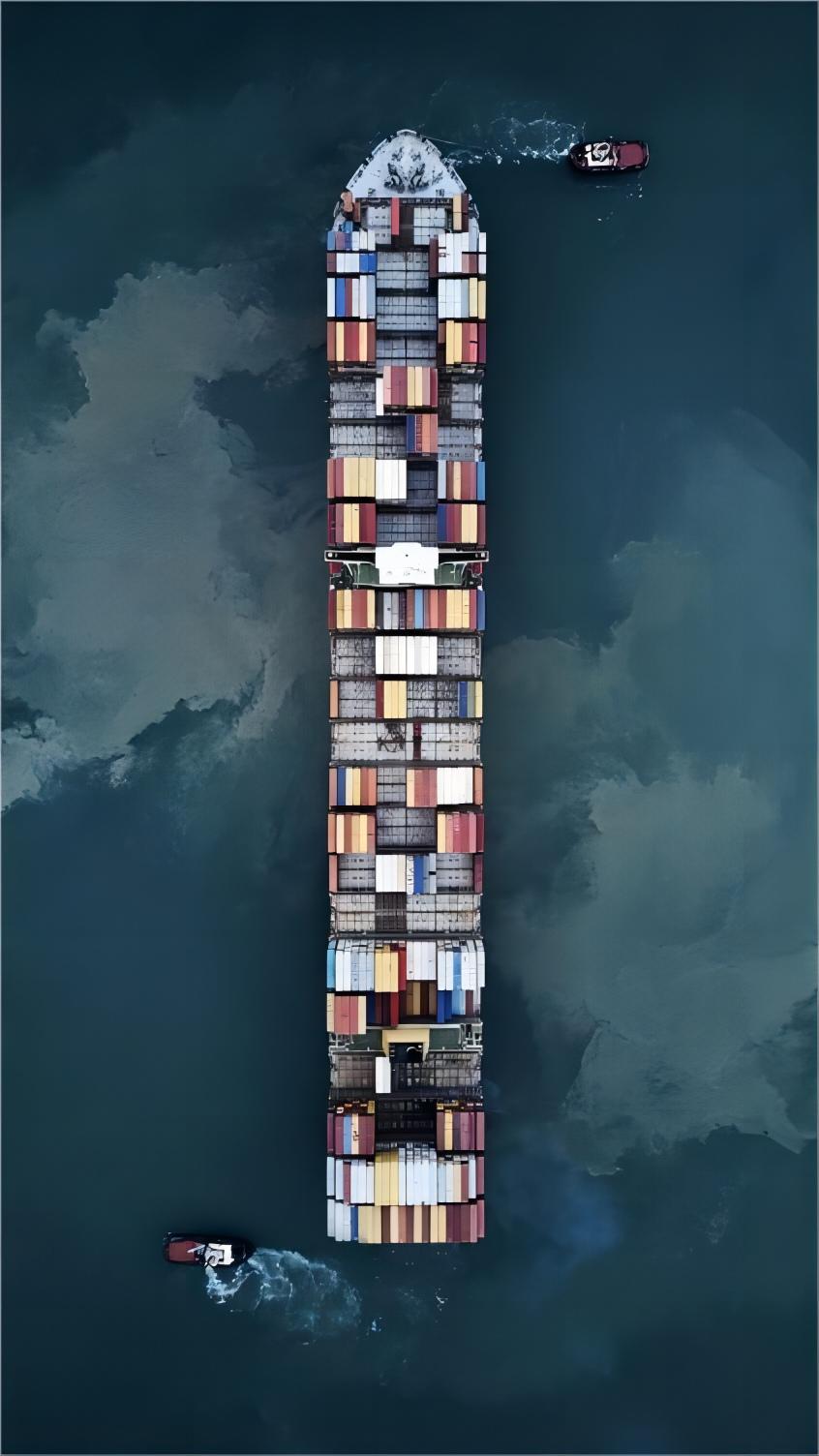
Why You Need Trusted Customs Clearance from China to UK
Securing trusted customs clearance from China to UK is essential for maintaining a healthy bottom line and avoiding legal complications. HMRC maintains strict regulations regarding the classification and valuation of imported goods. Therefore, any discrepancy in your paperwork can lead to significant fines or the seizure of your inventory.
Reliable clearance agents understand the nuances of the UK Global Tariff and how to apply the correct commodity codes. Moreover, they help you navigate the complexities of Postponed VAT Accounting, which can significantly improve your cash flow. Without expert guidance, many importers face unexpected delays at ports like Felixstowe or Southampton.

Choosing a professional service provider ensures that all documentation meets current standards. Additionally, they act as a liaison between your business and port authorities, resolving issues before they escalate. This proactive approach is the cornerstone of a successful international trade strategy.
Essential Documentation for UK Import Compliance
Successful importing begins with meticulous documentation that satisfies both Chinese export laws and UK import requirements. The commercial invoice must clearly state the value, description, and origin of the goods. Furthermore, the packing list should provide a detailed breakdown of the shipment contents to facilitate physical inspections.
Importers must also provide a Bill of Lading or an Air Waybill depending on the chosen transit method. These documents serve as a contract of carriage and a title to the goods. Consequently, ensuring their accuracy is vital for a smooth handover at the destination port.
You also need to ensure you have a valid EORI number starting with GB to trade with the UK. For this reason, checking your registration status well before the cargo arrives is a critical step in the preparation process.
| Document Name | Purpose | Required By | Typical Source |
|---|---|---|---|
| Commercial Invoice | Duty and VAT valuation | HMRC | Supplier |
| Packing List | Cargo verification | Customs Officer | Supplier |
| Bill of Lading | Proof of shipment | Carrier | Freight Forwarder |
| EORI Number | Entity identification | HMRC | Importer |
How Does Sea Freight Compare to Other Shipping Options?
When planning your logistics, you must evaluate the trade-offs between speed and cost across different transport modes. While sea freight remains the most popular choice for large volumes, it is not always the best fit for urgent stock replenishment. Conversely, air freight offers unmatched speed but comes at a premium price point.
Rail freight has emerged as a middle-ground solution, offering faster transit than the ocean and lower costs than the air. However, recent geopolitical shifts can affect rail availability and transit times through Eurasia. Therefore, businesses must remain flexible and consider multi-modal strategies to mitigate risks.
As of Q1 2025, freight rates from China to Europe have stabilized after the 2024 Red Sea disruptions. Nevertheless, seasonal peaks during the Golden Week or before Christmas can still cause price fluctuations. Market data suggests that booking at least 3-4 weeks in advance is the best way to secure competitive rates.
| Method | Cost Range | Transit Time | Best For |
|---|---|---|---|
| Sea Freight (FCL) | $3,200 – $4,500 | 30 – 40 Days | Bulk goods and large volumes |
| Air Freight | $5.00 – $9.00/kg | 5 – 8 Days | High-value or urgent cargo |
| Rail Freight | $2,500 – $3,500 | 18 – 22 Days | Reliable mid-speed transit |
| Express Service | $8.00 – $12.00/kg | 3 – 5 Days | Small parcels and samples |
Understanding UK Import Duties and VAT
Calculating the total landed cost of your goods requires a deep understanding of UK tax laws. Most goods imported from China are subject to a standard VAT rate of 20 percent. However, the specific duty rate depends entirely on the commodity code assigned to your products.
Incorrect classification can lead to overpaying or underpaying taxes, both of which present risks to your business. For instance, some electronics might have zero duty, while certain textiles may face rates exceeding 12 percent. Consequently, utilizing a customs brokerage service is often the most cost-effective way to ensure accuracy.
Note: Freight rates and duty percentages are subject to change based on fuel costs, carrier capacity, and seasonal demand. Contact us for a current quote tailored to your specific shipment. We recommend auditing your commodity codes annually to stay compliant with any legislative updates.
The Role of Professional Freight Forwarders
A professional freight forwarder does more than just move boxes from one point to another. They provide a comprehensive suite of services, including cargo insurance, warehousing, and local distribution. In addition, they offer expertise in navigating the specific requirements of shipping to Europe and the UK.
Working with a dedicated agent allows you to leverage their established relationships with major carriers like COSCO or Maersk. This often results in better space allocations during peak seasons when capacity is tight. Furthermore, they can provide real-time tracking updates so you always know the status of your inventory.
Many businesses now opt for door to door solutions to minimize the number of touchpoints in their supply chain. This model reduces the risk of damage and simplifies the billing process into a single, transparent invoice. Ultimately, this level of service provides the peace of mind needed to scale your operations.
Which Shipping Option Should You Choose?
Selecting the right method depends on your specific business priorities and the nature of your products. If your primary goal is cost reduction for high-volume goods, sea freight is the logical choice. On the other hand, if you are launching a new product and need to test the market quickly, air freight is more suitable.
Hybrid solutions, such as sea-air combinations, can also be effective for balancing costs and speed. For example, shipping by sea to a hub like Dubai and then by air to London can save time compared to a full ocean voyage. Businesses should evaluate their inventory turnover rates before committing to a specific transit mode.
Volume thresholds also play a significant role in your decision-making process. For shipments under 15 CBM, Less than Container Load (LCL) shipping is often more economical than a Full Container Load (FCL). However, once you exceed that volume, the per-unit cost of a 20GP container usually becomes more attractive.
Case Studies: Real-World Import Scenarios
Case Study 1: High-Volume Consumer Electronics. Route: Shenzhen to London. Cargo: 500 units of smart home devices, 4 CBM, 850 kg. Method: Air Freight. Shipping Cost: $5,800. Sea Transit: N/A. Customs Clearance: 1 day. Total Door-to-Door: 6 days. Key Insight: Speed was prioritized over cost to meet a specific product launch deadline in the UK market.
Case Study 2: Bulk Furniture Import. Route: Ningbo to Felixstowe. Cargo: Living room sets, 28 CBM. Container: 20GP. Shipping Method: Sea Freight via COSCO. Ocean Freight: $2,450. Origin Charges: $350. Destination Charges: $550. Customs and Duties: $1,200. Total Landed Cost: $4,550. Timeline: 35 days. Key Insight: Using FCL sea freight allowed the importer to maintain a high profit margin on bulky items.
Case Study 3: Industrial Machinery Parts. Route: Shanghai to Southampton. Cargo: Precision components, 2 CBM, 400 kg. Method: LCL Sea Freight. Total Door-to-Door: 42 days. Cost: $1,100. Key Insight: Despite a longer transit time, the low shipping cost made this the most viable option for non-urgent replenishment stock.
Mastering Your UK Import Strategy
Successfully managing your logistics requires a combination of strategic planning and expert execution. By focusing on trusted customs clearance from China to UK, you protect your business from unnecessary risks and ensure a reliable flow of goods. Whether you choose sea, air, or rail, the key is to work with a partner who understands the intricacies of the UK market.
Remember to stay informed about changing regulations and market trends to keep your supply chain resilient. With the right documentation and a professional brokerage team, you can navigate the path from Chinese factories to UK doorsteps with confidence. Start optimizing your import process today to gain a competitive edge in your industry.
Ready to streamline your logistics?
Ensure your next shipment is handled with the expertise it deserves. Contact Top China Freight today for trusted customs clearance from China to UK and receive a competitive quote tailored to your business needs. Send Inquiry: https://Top China Freight.com/contact-us/
Request Quote