

Best FCL Shipping from China to France: 2025 Logistics Guide
Securing the best FCL shipping from China to France is a cornerstone for businesses aiming to maintain a competitive edge in the European market. By partnering with Top China Freight, importers can navigate the complexities of international trade with confidence and precision. This comprehensive guide explores how to optimize your supply chain through strategic container management and route selection. We will address common pain points like fluctuating freight rates and customs delays while providing actionable solutions for your logistics needs.
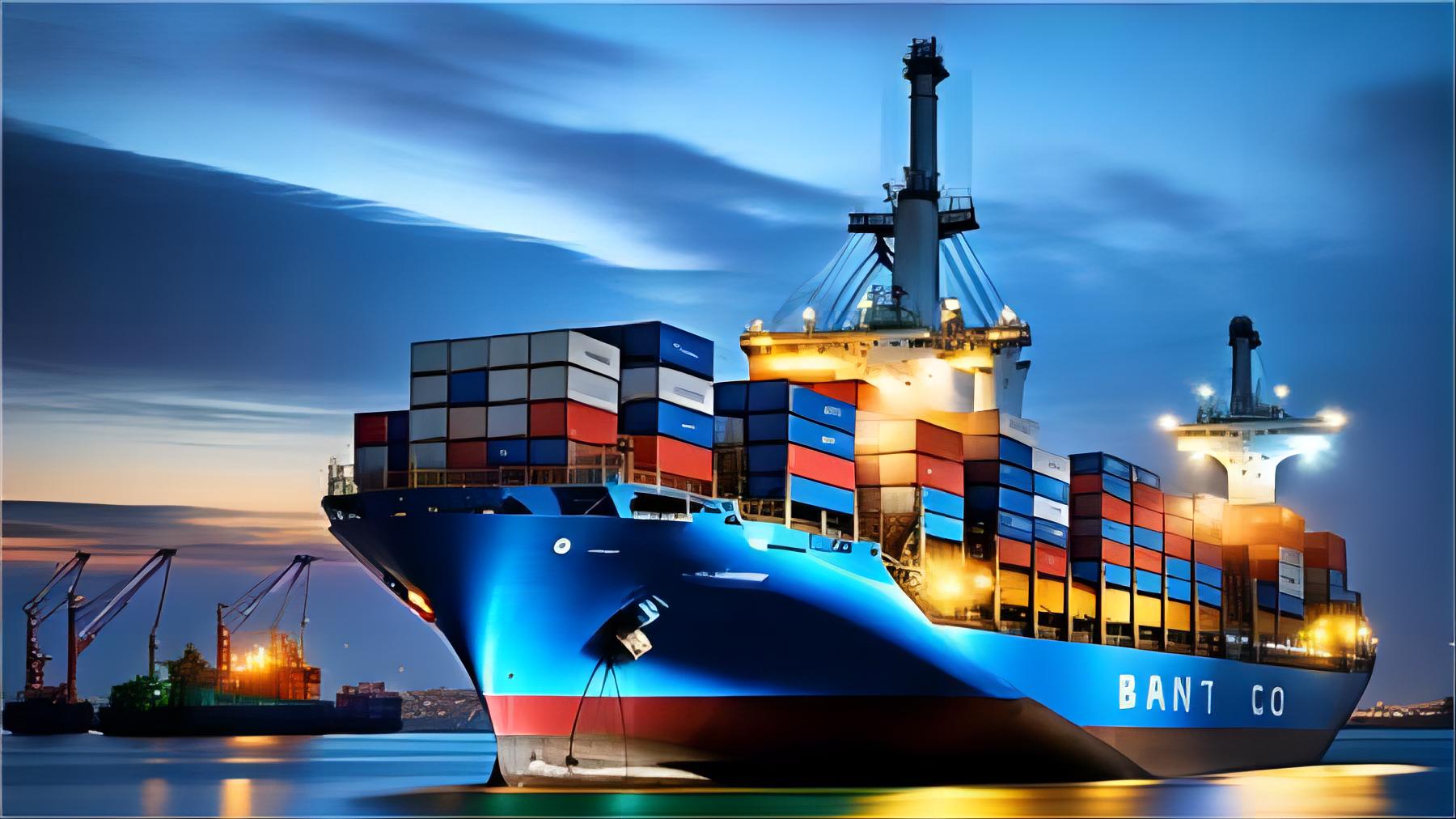
Understanding the Benefits of Best FCL Shipping from China to France
Full Container Load (FCL) shipping offers unparalleled security and efficiency for large-scale imports moving between these two major global economies. Since your cargo occupies the entire container, the risk of damage or contamination from other shippers’ goods is virtually eliminated. Consequently, FCL is often the preferred choice for high-value electronics, fragile furniture, or heavy industrial machinery.

Choosing sea freight in an FCL format typically results in faster transit times compared to Less than Container Load (LCL) options. This efficiency arises because FCL shipments do not require the time-consuming consolidation and deconsolidation processes at port warehouses. Therefore, your goods move directly from the factory to the port and then straight to your final destination in France.

Cost-effectiveness remains a significant advantage for businesses dealing with high volumes of inventory. While the total price for a full container is higher than a single pallet, the price per cubic meter is substantially lower. Indeed, once your shipment exceeds 15 cubic meters, switching to FCL becomes the most economical strategy for your business.
How Does FCL Compare to Other Shipping Options?
Evaluating the best FCL shipping from China to France requires a clear comparison with alternative transport methods. While FCL provides the best balance of cost and volume, other modes might suit specific urgent or low-volume needs. For example, smaller shipments often benefit from LCL, though they face higher risks of handling delays.
In contrast, speed-sensitive items might require different logistics approaches. Although FCL is reliable, it cannot match the rapid delivery schedules of more direct transport modes. Businesses must weigh the trade-offs between inventory carrying costs and the premium paid for faster transit.
The following table provides an objective analysis of the current market options available for the China-France trade lane in early 2025.
| Shipping Method | Cost Range (USD) | Transit Time | Best For |
|---|---|---|---|
| FCL (40HQ) | $3,000 – $4,500 | 30 – 40 Days | Bulk goods, High volume |
| LCL (per CBM) | $80 – $150 | 40 – 50 Days | Small shipments < 15CBM |
| Rail Freight | $4,000 – $6,000 | 18 – 25 Days | Mid-value, Urgent stock |
| Air Freight | $5 – $9 per kg | 5 – 8 Days | Electronics, Samples |
What are the Major Shipping Routes and Transit Times?
Shipping routes from China to France primarily involve departures from massive eastern and southern hubs like Shanghai, Ningbo, and Shenzhen. Most vessels travel through the South China Sea, across the Indian Ocean, and through the Suez Canal to reach the Mediterranean or Atlantic coasts. Specifically, the destination port in France significantly influences the final transit time and inland haulage costs.
Northern French destinations often utilize the Port of Le Havre, which serves as a primary gateway for the Paris metropolitan area. Meanwhile, southern regions are better served by the Port of Marseille-Fos, which provides a shorter sea route through the Mediterranean. Choosing the correct port can save several days in transit and hundreds of euros in local delivery fees.
Transit times have stabilized in early 2025 following previous global disruptions. However, seasonal peaks such as the lead-up to the Lunar New Year can still cause temporary congestion. Below is a breakdown of typical transit times for the most popular FCL routes.
| Origin Port | Destination Port | Transit (Days) | Frequency |
|---|---|---|---|
| Shanghai | Le Havre | 32 – 36 | Weekly |
| Shenzhen | Marseille | 28 – 32 | Bi-weekly |
| Ningbo | Le Havre | 34 – 38 | Weekly |
| Qingdao | Dunkerque | 38 – 42 | Weekly |
Can Alternative Strategies Save You Money?
Implementing alternative logistics strategies can drastically reduce your annual shipping spend without compromising service quality. For instance, many importers use a sea-air hybrid solution to balance cost and speed for mid-season inventory replenishment. Furthermore, choosing transshipment via major hubs like Singapore or Piraeus can sometimes offer lower freight rates than direct services.
If your timeline allows for more flexibility, consider rail freight as a middle-ground alternative. Rail provides a faster transit than sea freight while remaining significantly cheaper than air freight. This method is particularly effective for goods originating in inland Chinese cities like Chengdu or Xi’an.
Another cost-saving tactic involves optimizing container space to ensure you are not paying for empty air. Using 40HQ containers instead of standard 40GP containers provides roughly 12% more volume for a negligible price difference. Additionally, booking your shipments 3-4 weeks in advance allows you to secure lower ‘Early Bird’ rates from major carriers.
Real-World Case Studies for China to France Shipping
Reviewing actual shipping scenarios helps illustrate the practical application of the best FCL shipping from China to France. These examples reflect market conditions from late 2024 and early 2025. Each case demonstrates how different container types and routes impact the final landed cost.
Case studies also highlight the importance of factoring in local charges and customs requirements. By analyzing these figures, businesses can better estimate their own budgets and timelines. Note that these rates are subject to change based on fuel surcharges and carrier capacity.
Case Study 1: Solar Panel Distribution
Box Case Study 1: High-Volume Energy Equipment
Route: Shenzhen, China to Le Havre, France
Cargo: Solar Panels, 65 CBM, 18,000 kg
Container: 1 x 40HQ
Shipping Details:
– Carrier: COSCO Shipping
– Port of Loading: Yantian (Shenzhen)
– Port of Discharge: Le Havre
– Route Type: Direct via Suez Canal
Cost Breakdown:
– Ocean Freight: $3,850
– Origin Charges: $420
– Destination Charges: $550
– Customs and Duties: $1,200
– Total Landed Cost: $6,020
Timeline:
– Booking to Loading: 5 days
– Sea Transit: 33 days
– Customs Clearance: 2 days
– Total Door-to-Door: 40 days
Key Insight: Using a 40HQ allowed the client to fit the entire order into one container, avoiding the higher costs of LCL for the overflow.
Case Study 2: Home Furniture Retailer
Box Case Study 2: Seasonal Furniture Stock
Route: Ningbo, China to Marseille, France
Cargo: Wooden Furniture, 28 CBM, 8,500 kg
Container: 1 x 20GP
Shipping Details:
– Carrier: CMA CGM
– Port of Loading: Ningbo-Zhoushan
– Port of Discharge: Marseille-Fos
– Route Type: Direct Mediterranean Service
Cost Breakdown:
– Ocean Freight: $2,100
– Origin Charges: $380
– Destination Charges: $490
– Customs and Duties: $950
– Total Landed Cost: $3,920
Timeline:
– Booking to Loading: 7 days
– Sea Transit: 29 days
– Customs Clearance: 3 days
– Total Door-to-Door: 39 days
Key Insight: Selecting Marseille as the entry port reduced inland trucking costs to the client’s Lyon warehouse by 40% compared to Le Havre.
Navigating Customs and Documentation for French Imports
Successful importing requires meticulous attention to French customs regulations and European Union trade laws. Every FCL shipment must be accompanied by a commercial invoice, a detailed packing list, and the Bill of Lading. Furthermore, specific products may require certificates of origin or CE marking documentation to prove compliance with safety standards.
Engaging a professional customs brokerage service is often the best way to avoid costly delays at the border. These experts ensure that your HS codes are classified correctly, which determines the amount of VAT and import duties you must pay. Consequently, accurate documentation prevents your container from being flagged for physical inspections that can last several days.
France utilizes the DELTA system for electronic customs declarations, which streamlines the process for compliant importers. However, any discrepancy in the weight or value of the goods can lead to significant fines. Therefore, always double-check your paperwork against the physical cargo before the container is sealed in China.
Which Option Should You Choose?
Deciding on the best FCL shipping from China to France depends on your specific business priorities and cargo characteristics. If your primary goal is budget optimization, sea freight remains the undisputed leader for large volumes. On the other hand, if speed is critical to meet a product launch date, you might consider splitting your shipment between FCL and air freight.
Volume thresholds play a vital role in this decision-making process. Generally, if your goods occupy more than 15 cubic meters, FCL is more economical than LCL. Additionally, FCL is the superior choice for fragile items because the container remains sealed from the origin until it reaches your warehouse.
Consider the following criteria to make your final choice:
– Budget priority: Choose FCL Sea Freight for the lowest cost per unit.
– Speed priority: Choose Rail Freight or Sea-Air hybrids.
– Cargo safety: Choose FCL to minimize handling and potential damage.
– High volume: Choose 40HQ containers to maximize space utilization.
Why Market Trends Matter for Your Shipping Strategy
Staying informed about logistics trends allows you to anticipate price shifts and capacity crunches. As of Q1 2025, freight rates from China to Europe have stabilized after the volatility seen in previous years. Nevertheless, environmental regulations like the EU Emissions Trading System (ETS) are now adding small surcharges to traditional ocean freight costs.
Digitalization in the supply chain is another trend that benefits modern importers. Many carriers now offer real-time tracking, allowing you to monitor your FCL container’s journey across the ocean. Consequently, businesses can manage their inventory levels more precisely and provide accurate updates to their own customers in France.
Seasonal demand patterns remain a constant factor in the China-France trade lane. Rates typically increase 15-25% during the August-October peak season as retailers prepare for the holiday period. To mitigate this, savvy importers often negotiate long-term contracts or book their shipments well in advance of these peak windows.
Final Thoughts on FCL Shipping Success
Mastering the best FCL shipping from China to France involves a strategic blend of route planning, container optimization, and reliable partnerships. By understanding the nuances of French ports and staying ahead of market trends, you can significantly improve your logistics efficiency. Whether you are shipping solar panels or consumer electronics, FCL provides the security and scalability required for modern international trade.
Remember that the cheapest rate is not always the best value if it leads to delays or damaged goods. Focus on building a resilient supply chain that balances cost, speed, and reliability. With the right approach, your China-to-France shipping operations can become a powerful driver of business growth and customer satisfaction.
Ready to streamline your logistics?
Ready to streamline your supply chain and secure the best FCL shipping from China to France? Contact Top China Freight today for a customized quote and expert logistics support. Our team is standing by to help you optimize your shipping routes and reduce your landed costs. Visit our website to request your free freight analysis now.
Request Quote