

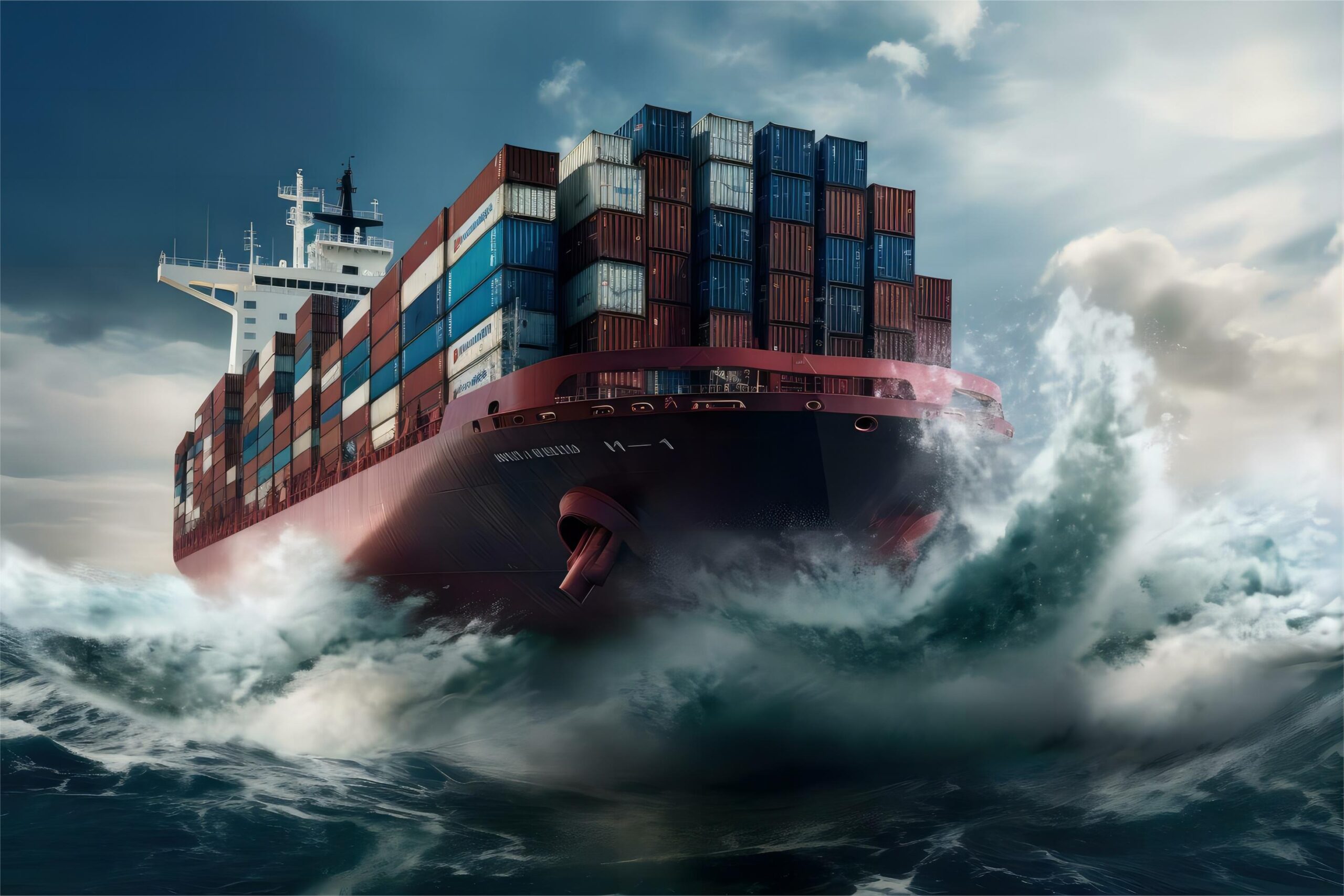
Trusted LCL Shipping from China to Australia: The Ultimate Guide
Navigating the complexities of international trade requires a reliable partner to ensure your goods arrive safely and on time. Finding trusted LCL shipping from China to Australia is essential for small to medium-sized businesses looking to optimize their supply chain and reduce overhead. Top China Freight provides comprehensive logistics solutions tailored to your specific needs, helping you overcome common shipping hurdles with ease and professional support.
Why Choose Trusted LCL Shipping from China to Australia?
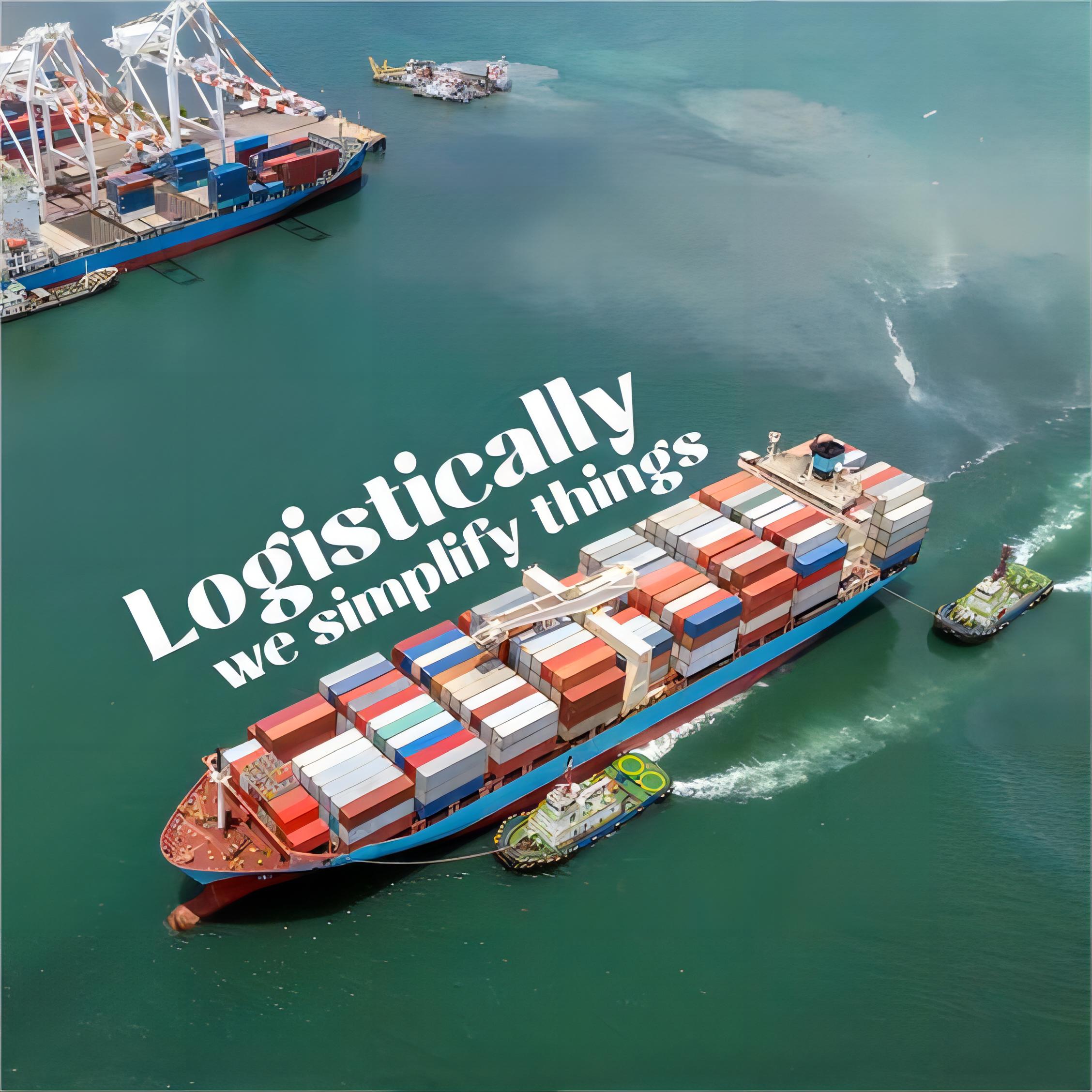
Selecting the right shipping method is a critical decision for any importer aiming to balance cost and efficiency. Specifically, trusted LCL shipping from China to Australia offers a flexible solution for those who do not have enough cargo to fill an entire 20-foot container.
Smaller shipments are consolidated with other goods into a single container, which allows you to pay only for the space you actually use. Consequently, this method significantly reduces shipping costs for startups and mid-sized enterprises compared to full container loads.
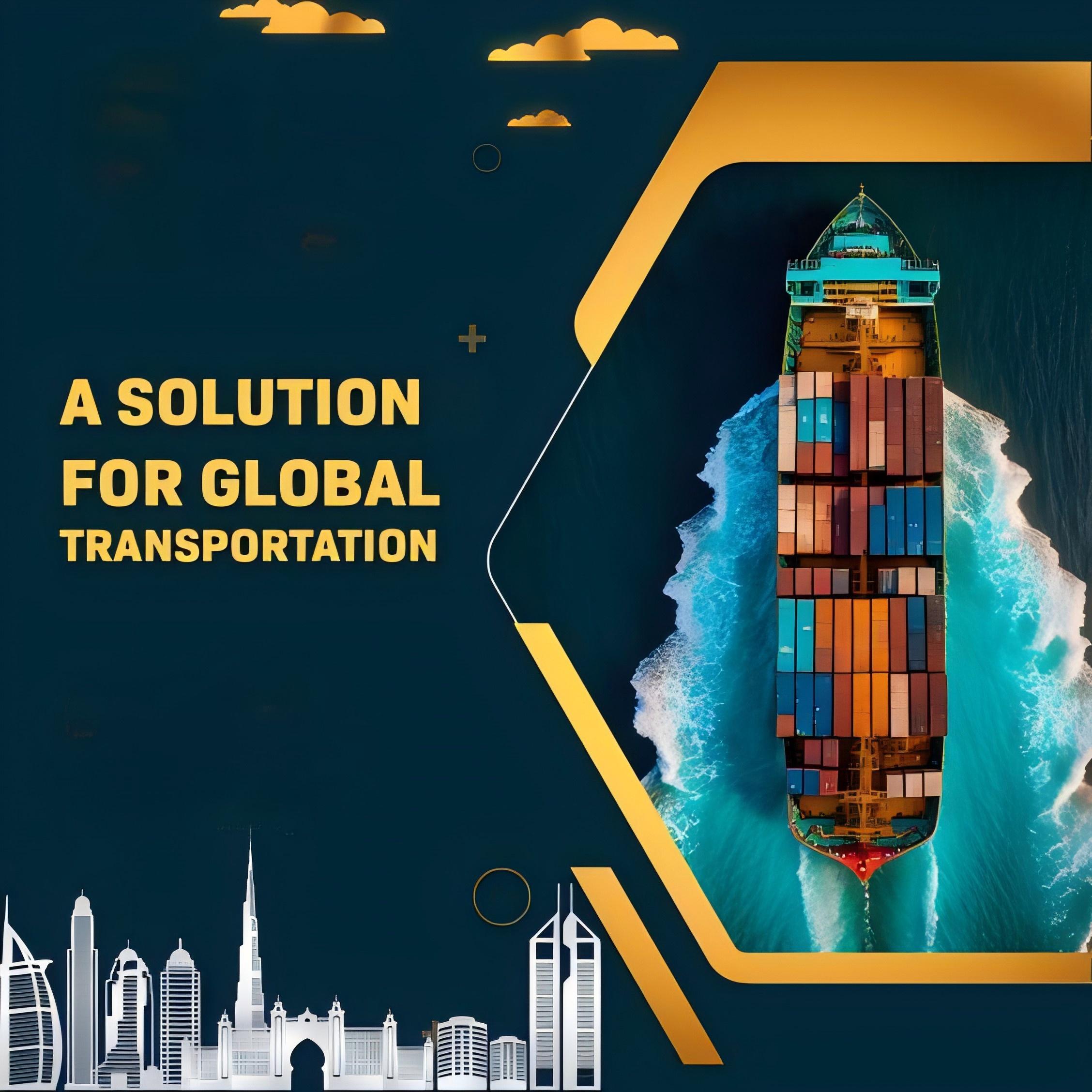
Businesses often prefer this approach because it enables more frequent shipments without waiting to accumulate massive inventory volumes. Moreover, using sea freight for smaller volumes provides a much more economical alternative to expensive air transport.
Reliability remains a top priority when handling consolidated cargo to prevent delays and damage during the handling process. Therefore, partnering with an experienced freight forwarder ensures that your goods are managed with professional care from the warehouse to the final destination.
How Does Trusted LCL Shipping Compare to Other Shipping Options?
Comparing various logistics methods helps you determine which strategy aligns best with your current business goals and budget constraints. While LCL is excellent for smaller volumes, other options like FCL or air freight might be more suitable depending on your specific requirements.
Sea freight remains the backbone of the China-Australia trade route due to its high capacity and cost-effectiveness for heavy goods. However, if your shipment is extremely urgent, Air Freight might be the only viable choice despite the significantly higher price tag.
Market data suggests that for shipments between 1 and 15 cubic meters, LCL typically provides the best value for money. On the other hand, once your volume exceeds 15 cubic meters, moving to a full 20GP container often becomes the more economical choice.
| Shipping Method | Cost Range | Transit Time | Best For |
|---|---|---|---|
| LCL Sea Freight | $80 – $150 per CBM | 15 – 25 Days | Small to Medium Cargo |
| FCL Sea Freight | $1,200 – $2,000 per 20GP | 12 – 18 Days | Large Bulk Shipments |
| Air Freight | $4.50 – $9.00 per KG | 3 – 7 Days | Urgent or High-Value |
| Express Courier | $7.00 – $12.00 per KG | 2 – 5 Days | Documents or Samples |
Understanding the Costs of LCL Shipping
Costs for shipping from China to Australia are influenced by several variables including fuel surcharges, seasonal demand, and port fees. In addition to the base freight rate, you must account for origin and destination charges that cover handling and documentation.
Typically, the price is calculated based on the volume of your cargo measured in cubic meters or weight in kilograms. Furthermore, as of Q1 2025, freight rates have stabilized, though peak seasons like the months leading up to Christmas often see a 15 to 25 percent increase.
Freight forwarders provide quotes that include various line items such as terminal handling charges and trucking fees. Consequently, it is vital to request a detailed breakdown to avoid hidden costs that might arise during the transit process.
Note: Freight rates are subject to change based on fuel costs, carrier capacity, and seasonal demand. Contact us for a current quote tailored to your specific shipment.
Transit Times for Sea Freight from China to Australia
Transit time is a major factor in supply chain planning and varies depending on the specific origin and destination ports. For instance, shipping from southern Chinese ports like Shenzhen generally takes less time than shipping from northern ports like Qingdao.
Weather conditions and port congestion can also impact the delivery schedule, leading to minor delays during peak periods. Nevertheless, direct sailing routes are frequently available, offering the fastest possible sea transit for your consolidated cargo.
Major Australian ports such as Sydney, Melbourne, and Brisbane have efficient handling facilities that expedite the discharge process. As a result, most LCL shipments arrive at the destination warehouse within three weeks of departure from China.
| Origin Port | Sydney Transit | Melbourne Transit | Brisbane Transit |
|---|---|---|---|
| Shenzhen / Guangzhou | 12 – 15 Days | 15 – 18 Days | 12 – 14 Days |
| Shanghai / Ningbo | 15 – 18 Days | 18 – 21 Days | 14 – 17 Days |
| Qingdao / Tianjin | 18 – 22 Days | 21 – 25 Days | 18 – 20 Days |
| Xiamen | 14 – 17 Days | 17 – 20 Days | 13 – 16 Days |
Essential Documentation for Australian Customs Clearance
Documentation accuracy is paramount when importing goods into Australia to avoid costly delays or fines at the border. Specifically, the customs brokerage process requires a complete set of papers including a commercial invoice and a detailed packing list.
Australian regulations also mandate a packing declaration for sea freight to verify that no prohibited packaging materials are used. Moreover, providing a Certificate of Origin may allow you to benefit from reduced tariffs under the China-Australia Free Trade Agreement.
Errors in paperwork are the most common cause of shipment holds, which can lead to expensive storage fees at the port. Therefore, working with a professional logistics provider ensures that all documents are double-checked for compliance before the cargo reaches Australian shores.
How to Optimize Your LCL Shipping Strategy
Efficiency in shipping is achieved through careful planning and utilizing modern logistics tools to track your cargo. For example, opting for door to door services can simplify the entire process by handling every step from the factory to your warehouse.
Consolidation services allow you to merge orders from multiple Chinese suppliers into a single LCL shipment. Consequently, you save on administrative fees and reduce the overall complexity of managing multiple international deliveries.
Packaging your goods securely is another vital step to prevent damage during the multiple handling stages involved in LCL shipping. Indeed, using high-quality pallets and shrink-wrap will protect your investment while it is in transit across the ocean.
Tracking technology provides real-time visibility into the status of your shipment, allowing you to keep your customers informed. Additionally, maintaining open communication with your freight forwarder helps you react quickly to any changes in the delivery schedule.
Which Option Should You Choose? Decision Framework
Choosing the best shipping method depends on your specific priorities regarding budget, speed, and cargo type. If your primary goal is cost reduction and you have a flexible timeline, trusted LCL shipping from China to Australia is likely your best option.
Budget priority: Recommend LCL for shipments under 15 CBM to keep costs low. Speed priority: Recommend air freight for urgent goods that must arrive within a week. Cargo type considerations: Recommend FCL for fragile items that should not be handled alongside other goods.
Volume thresholds are also important to monitor; if your business is growing, you should evaluate when it becomes cheaper to switch from LCL to FCL. In contrast, for very small items like samples, express courier services might be more practical than sea freight.
Real-World Case Studies for Australia Routes
Analyzing actual shipping scenarios provides valuable insights into what you can expect during the logistics process. These examples reflect typical market conditions as of early 2025 and highlight the benefits of professional cargo management.
+———————————————————+ | Case Study 1: Electronics from Shenzhen to Sydney | | Route: Shenzhen, China to Sydney, Australia | | Cargo: Smart Home Devices, 3.5 CBM, 850 kg | | Method: LCL (Less than Container Load) | | | | Shipping Details: | | – Carrier: Major carrier | | – Port of Loading: Shenzhen | | – Port of Discharge: Sydney | | – Route Type: Direct | | | | Cost Breakdown: | | – Ocean Freight: $450 | | – Origin Charges: $125 | | – Destination Charges: $215 | | – Customs and Duties: $820 | | – Total Landed Cost: $1,610 | | | | Timeline: | | – Booking to Loading: 3 days | | – Sea Transit: 14 days | | – Customs Clearance: 2 days | | – Total Door-to-Door: 19 days | | | | Key Insight: Direct sailing from Shenzhen saved 5 days. | +———————————————————+
+———————————————————+ | Case Study 2: Furniture from Ningbo to Melbourne | | Route: Ningbo, China to Melbourne, Australia | | Cargo: Office Furniture, 8.2 CBM, 1,200 kg | | Method: LCL (Less than Container Load) | | | | Shipping Details: | | – Carrier: Major carrier | | – Port of Loading: Ningbo | | – Port of Discharge: Melbourne | | – Route Type: Transshipment via Singapore | | | | Cost Breakdown: | | – Ocean Freight: $980 | | – Origin Charges: $180 | | – Destination Charges: $310 | | – Customs and Duties: $1,450 | | – Total Landed Cost: $2,920 | | | | Timeline: | | – Booking to Loading: 4 days | | – Sea Transit: 22 days | | – Customs Clearance: 3 days | | – Total Door-to-Door: 29 days | | | | Key Insight: Singapore transshipment was cost-effective.| +———————————————————+
Market conditions can vary, so these figures should be used as a general reference for your planning. To get the most accurate information for your specific route, always consult with your logistics provider for the latest updates on Australia shipping trends.
Summary of Reliable Logistics Solutions
Mastering the logistics of trusted LCL shipping from China to Australia is a powerful way to enhance your business efficiency and profitability. Throughout this guide, we have explored how consolidation offers a cost-effective alternative to full containers and expensive air freight.
Furthermore, understanding the documentation requirements and transit times allows you to plan your inventory with greater precision. By partnering with an experienced freight forwarder, you can navigate the complexities of international trade and ensure your cargo arrives safely.
Indeed, the right shipping strategy will support your long-term growth and help you maintain a competitive edge in the Australian market. We encourage you to apply these insights and choose the logistics path that best serves your unique business needs.
Ready to streamline your logistics?
Ready to streamline your imports with trusted LCL shipping from China to Australia? Contact Top China Freight today to receive a customized quote and expert guidance for your next shipment. Visit our website to learn more or send an inquiry to get started with our professional logistics team.
Request Quote