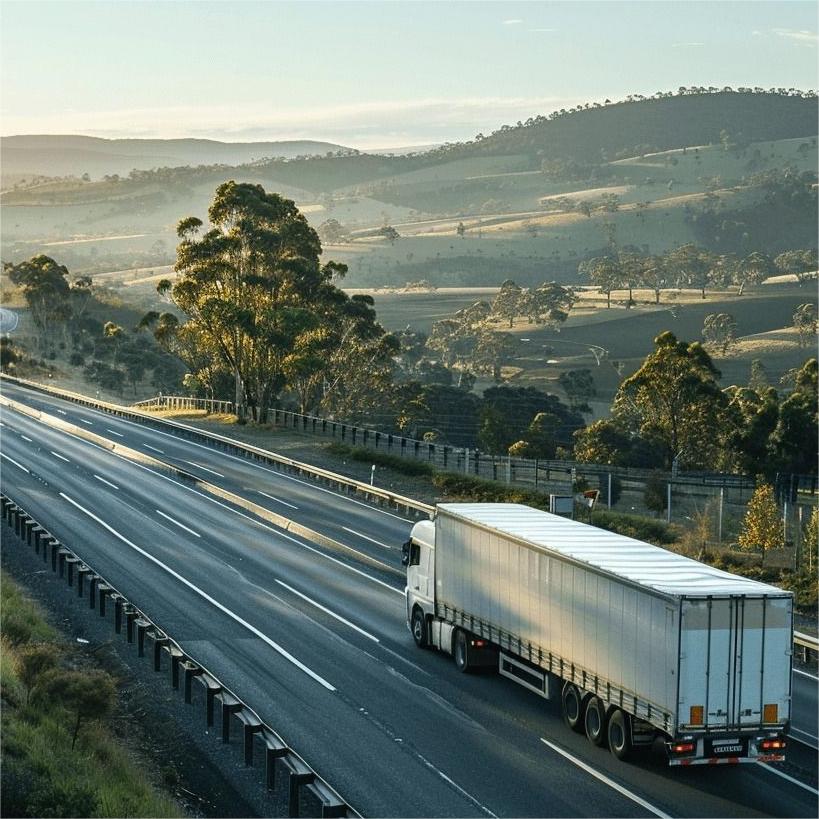
In the world of freight logistics, speed and efficiency matter. For most shipments that don’t require special handling, the general freight hauler plays a crucial role. These carriers handle everyday cargo across vast transportation networks—ensuring goods get where they need to be, safely and affordably.
1. What Is a General Freight Hauler?
A general freight hauler is a carrier that transports non-specialized cargo—such as consumer goods, boxes, and equipment—without the need for temperature control or special certifications. These carriers usually operate using dry vans, box trucks, or flatbeds.
They offer services for both full truckload (FTL) and less-than-truckload (LTL) freight, which gives businesses flexibility depending on shipment size.
2. How General Freight Services Work in Transportation
Transportation by general haulers is typically done over road networks, making them an essential part of regional and national distribution. These carriers connect manufacturers, ports, rail yards, and retail hubs through:
First-mile pickups
Middle-mile transfers
Last-mile deliveries
They are especially important in intermodal logistics, often bridging the gap between sea, air, and rail transport.
3. Key Advantages for Businesses
Here’s why many companies rely on this freight solution:
✅ Lower cost per mile than specialized carriers
✅ Flexible capacity during peak seasons
✅ Simple loading/unloading using standard equipment
✅ No extra handling requirements
It’s a popular option for shippers looking to move general goods with speed and reliability.
4. Common Equipment Used
Trailer Type
Description
Dry Van
Enclosed trailer for boxed/palletized goods
Flatbed
Ideal for large or irregular-shaped items
Box Truck
Often used for short-distance deliveries
These equipment types cover most cargo that doesn’t require special handling.
5. When to Use a General Freight Service
You should consider this option if your cargo:
Isn’t perishable or hazardous
Doesn’t exceed standard trailer size
Can be transported without refrigeration or custom equipment
Needs timely regional delivery
This makes it perfect for businesses in retail, manufacturing, e-commerce, and wholesale.
6. Connecting Modes: Road, Rail, Sea, and Air
General haulers are commonly used at key logistics hubs to transfer containers or pallets between transport modes. For example:
A container arrives by sea, is unloaded at port, then picked up by a general carrier.
Cargo from an airport is moved to a warehouse using a dry van.
Rail freight is offloaded and then distributed regionally by truck.
Their adaptability makes them indispensable for multimodal shipping.
7. Conclusion
A general freight hauler offers a practical, efficient solution for moving non-specialized cargo. With broad compatibility across industries and strong connections to major transport hubs, these carriers support fast, cost-effective logistics at every stage.
If you’re shipping standard goods and want a reliable option, this freight solution is worth considering.
Request a Quote
Need a tailored solution for your shipping from China? LetTJ China Freight Forwarder assist you with reliable, cost-effective service.