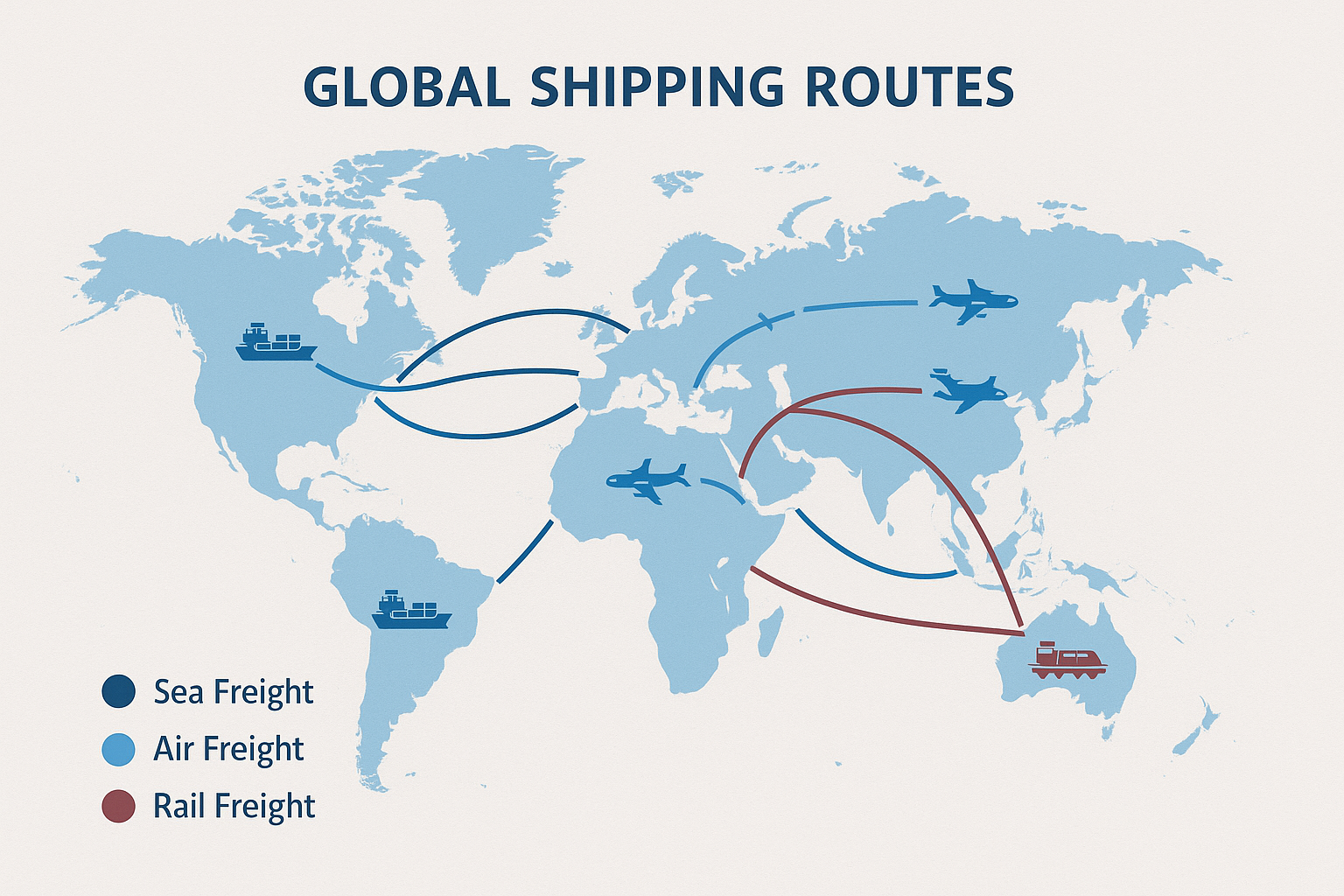
Global trade is more complex than ever. Managing warehouses, shipments, and supply chains without modern technology often results in delays, errors, and higher costs. Businesses ask: what is WMS in warehousing and how can it simplify freight forwarding across sea, air, and rail?
A Warehouse Management System (WMS) is the digital backbone of modern logistics. It helps businesses track inventory, automate processes, and reduce errors, ensuring smooth deliveries and optimized costs. Let’s break down its role and practical benefits for your business.
1. Understanding What WMS in Warehousing Means
A Warehouse Management System (WMS) is specialized software designed to manage daily warehouse operations. It covers inventory tracking, receiving, storage, picking, packing, and shipping.
Without a WMS, many companies face issues like misplaced goods, high storage costs, and inaccurate order fulfillment. Implementing WMS reduces human error, ensures real-time visibility, and increases customer satisfaction.
2. Why Manual Warehouse Tracking Costs Your Business Money
Inaccurate inventory counts lead to missed sales.
Delays in freight forwarding increase transport costs.
Overstocking or understocking affects cash flow.
WMS solves these issues by providing real-time data on stock levels and integrating with freight forwarders for faster coordination.
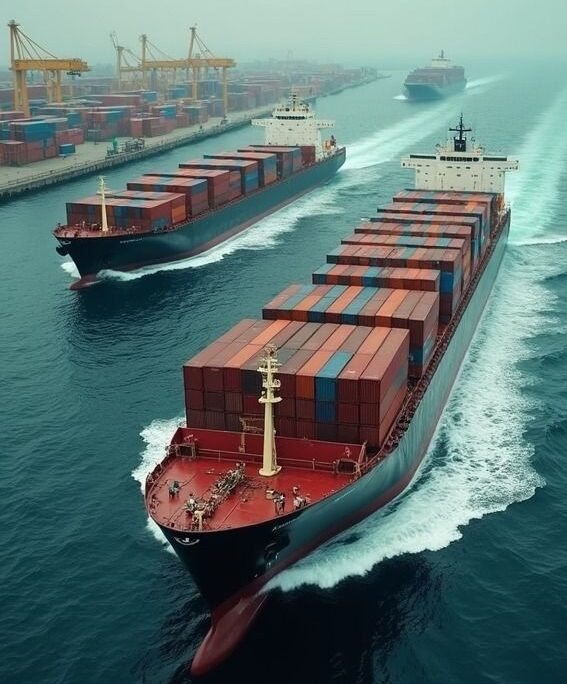
3. How WMS Improves Sea Freight Operations
Sea freight is cost-effective but time-sensitive. A WMS:
Tracks container loading and unloading.
Provides accurate customs documentation.
Prevents delays at ports by sharing real-time updates with freight forwarders.
Air freight is expensive but fast. Mistakes cost even more. WMS ensures:
Faster cargo check-in and customs clearance.
Automated compliance checks for international shipping.
Real-time tracking for high-value goods.
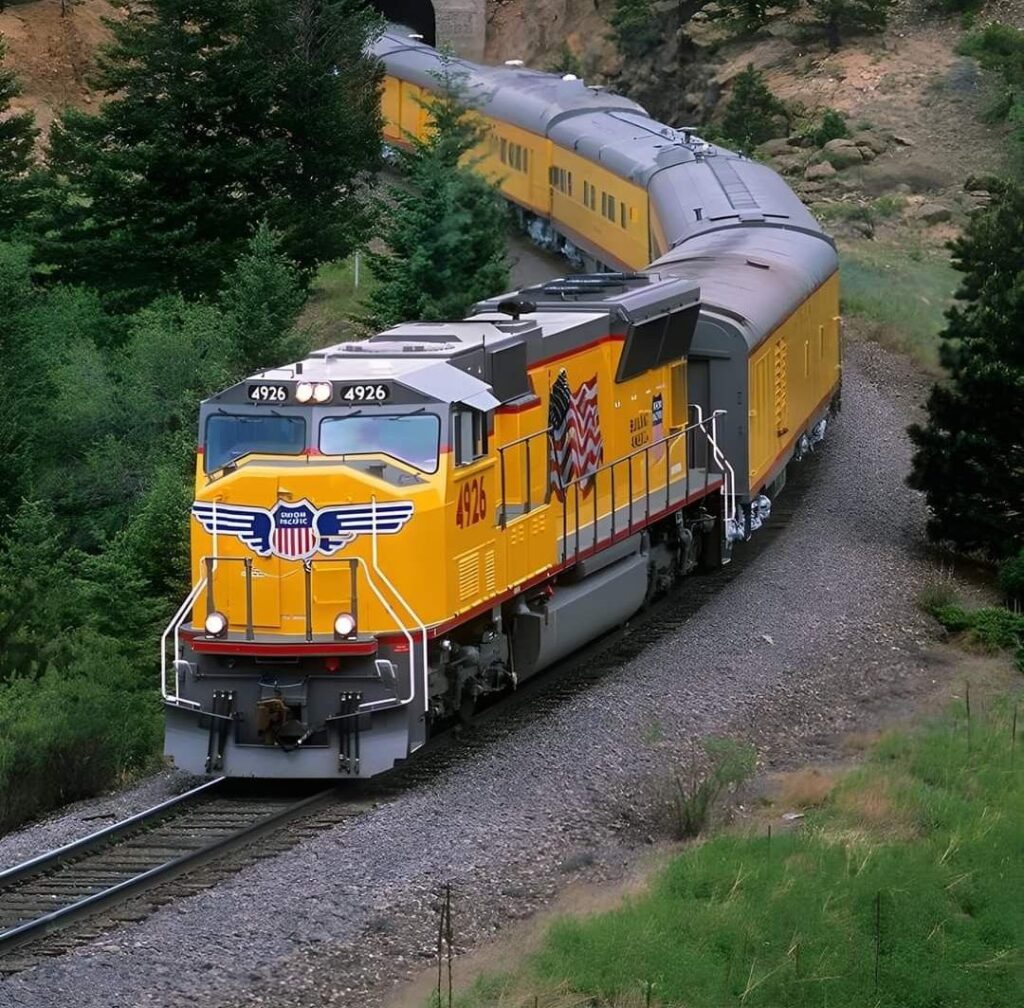
5. Rail Freight & WMS: Balancing Speed and Cost
Rail freight is often chosen for China–Europe logistics. WMS supports:
Consolidated cargo loading to maximize space.
Route optimization for cost reduction.
Electronic data exchange for faster customs.
6. Freight Forwarding Costs & Time: With vs. Without WMS
Shipping Mode
Average Cost (per 40ft container)
Average Transit Time
Savings with WMS
Sea Freight
$2,000 – $4,000
25–40 days
Up to 12%
Air Freight
$6,000 – $12,000
3–7 days
Up to 15%
Rail Freight
$4,000 – $6,500
14–20 days
Up to 10%
7. Choosing the Right WMS for Your Business
When selecting a WMS:
Ensure integration with freight forwarding platforms.
Check cloud vs. on-premise solutions based on budget.
Prioritize multi-language and multi-currency support for international trade.
8. Reducing Risks with WMS in Customs Clearance
One of the biggest challenges in global trade is customs clearance. Incorrect paperwork delays shipments. WMS helps by:
Generating automated documents.
Reducing the risk of compliance penalties.
Ensuring end-to-end visibility in customs.
9. Practical Tips to Cut Freight Costs Using WMS
Consolidate shipments across multiple orders.
Optimize packaging to reduce container space.
Use predictive analytics in WMS to forecast demand and avoid last-minute air freight.
10.Conclusion: Making WMS Work for Your Supply Chain
Understanding what is WMS in warehousing is vital for companies that want to stay competitive in international trade. Whether you ship by sea, air, or rail, WMS reduces costs, improves visibility, and enhances customer satisfaction.
Request a Quote
Need a tailored solution for your shipping from China? Let TJ China Freight Forwarder assist you with reliable, cost-effective service.