


20GP FCL Tracking for Solar Panels from China to Belgium Guide
Managing the logistics of renewable energy components requires precision and real-time visibility. Efficient 20GP FCL tracking for solar panels from China to Belgium ensures that your photovoltaic modules arrive safely and on schedule at the Port of Antwerp or Zeebrugge. By partnering with Top China Freight, importers can streamline their supply chain and mitigate risks associated with international shipping. This guide provides a comprehensive overview of tracking mechanisms, cost-saving strategies, and market trends for the China-Belgium route.
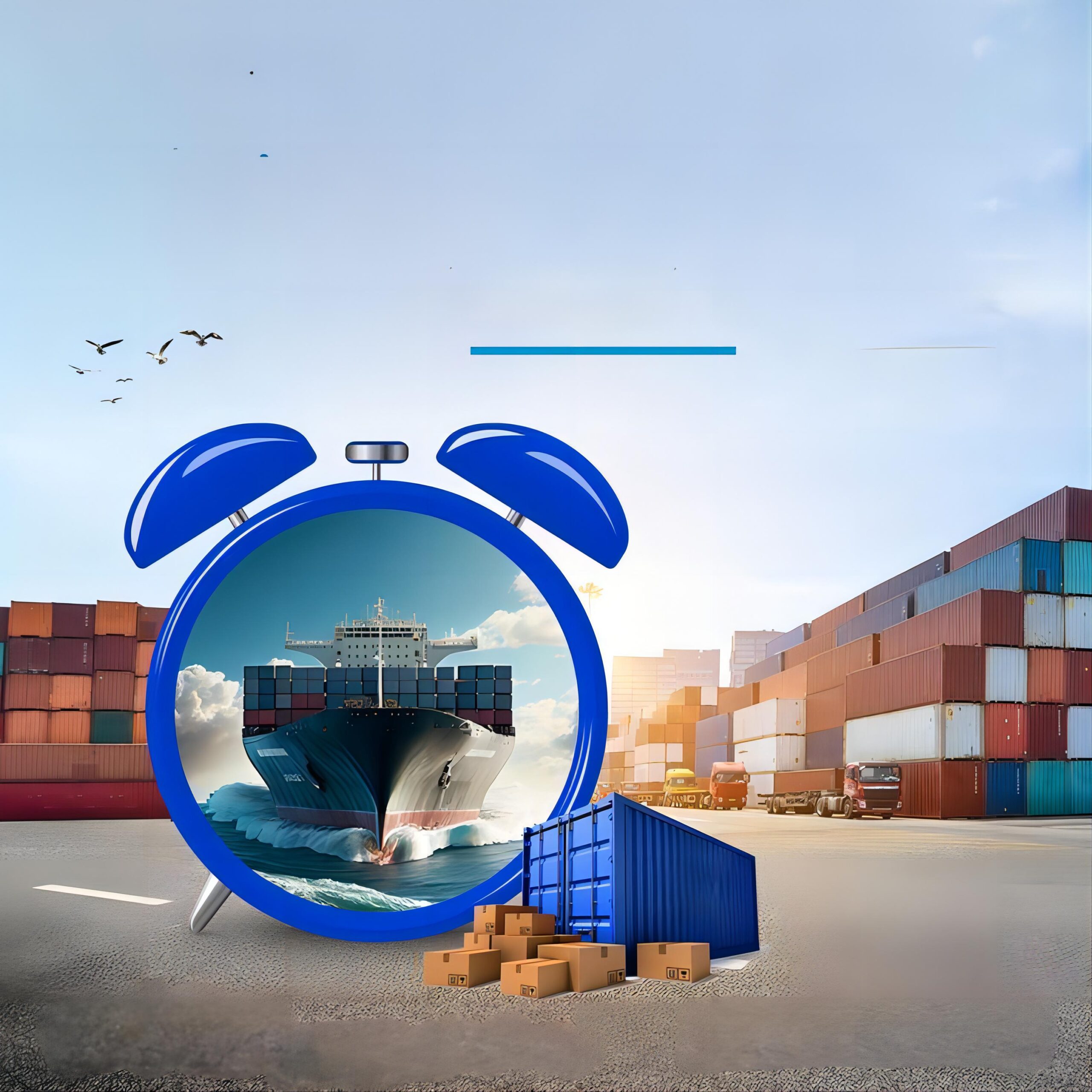
Why 20GP FCL Tracking for Solar Panels from China to Belgium Matters
Visibility remains the most critical factor in modern logistics management for high-value green energy products. Consequently, implementing robust 20GP FCL tracking for solar panels from China to Belgium allows businesses to predict inventory arrivals with high accuracy. Moreover, solar panels are sensitive electronic components that require careful handling and environmental monitoring throughout their journey.
Real-time data helps logistics managers anticipate potential delays caused by port congestion or weather disruptions. Therefore, having access to precise location updates enables proactive communication with installation teams in Belgium. Furthermore, accurate tracking information is essential for coordinating the final mile delivery from the port to the project site.
How Does 20GP FCL Compare to Other Shipping Options?
Choosing the right shipping method depends on your budget, timeline, and the total volume of solar panels. While a 20GP FCL container is ideal for smaller projects, larger utility-scale installations often utilize 40HQ containers to maximize space. In contrast, air freight is rarely used for solar panels due to the excessive weight and cost, unless urgent replacement parts are needed.
Rail freight via the Silk Road offers a middle ground between sea and air in terms of speed and price. However, sea freight remains the dominant choice for the majority of solar panel importers due to its cost-effectiveness. Specifically, sea freight provides the lowest carbon footprint per unit, aligning with the sustainability goals of the solar industry.
| Shipping Method | Cost Range | Transit Time | Best For |
|---|---|---|---|
| Sea Freight (20GP) | $1,800 – $2,500 | 28 – 35 Days | Bulk solar panel shipments |
| Rail Freight | $4,500 – $6,500 | 18 – 22 Days | Time-sensitive projects |
| Air Freight | $15,000+ | 5 – 7 Days | Emergency spare parts |
| LCL Shipping | $80 – $150 per CBM | 35 – 45 Days | Small residential batches |
Navigating Customs and Duties for Solar Imports in Belgium
Importing solar panels into the European Union involves navigating complex trade regulations and environmental standards. Additionally, Belgian customs require specific documentation to ensure compliance with EU safety and quality certifications. Utilizing a professional customs brokerage service can prevent costly delays and ensure that all duties are calculated correctly.
Importers should be aware of the current anti-dumping duties and VAT regulations affecting solar modules. For instance, the standard VAT rate in Belgium is 21 percent, though certain green energy incentives may apply to specific projects. Documentation such as the Commercial Invoice, Packing List, and Bill of Lading must be meticulously prepared to facilitate smooth clearance at the border.
| Document Name | Purpose | Required By |
|---|---|---|
| Bill of Lading | Title of goods and contract of carriage | Carrier / Customs |
| Commercial Invoice | Value declaration for duty calculation | Belgian Customs |
| Packing List | Detailed breakdown of cargo contents | Port Authorities |
| CE Certificate | Compliance with EU safety standards | Regulatory Bodies |
Essential Documentation Checklist
Accuracy in paperwork is the cornerstone of a successful import operation. Without a doubt, missing or incorrect documents can lead to container detention and demurrage fees at the port.
Specifically, you must ensure that your supplier provides a Certificate of Origin and CE certification for the solar panels. These documents prove that the products meet European safety standards and determine the applicable tariff rates.
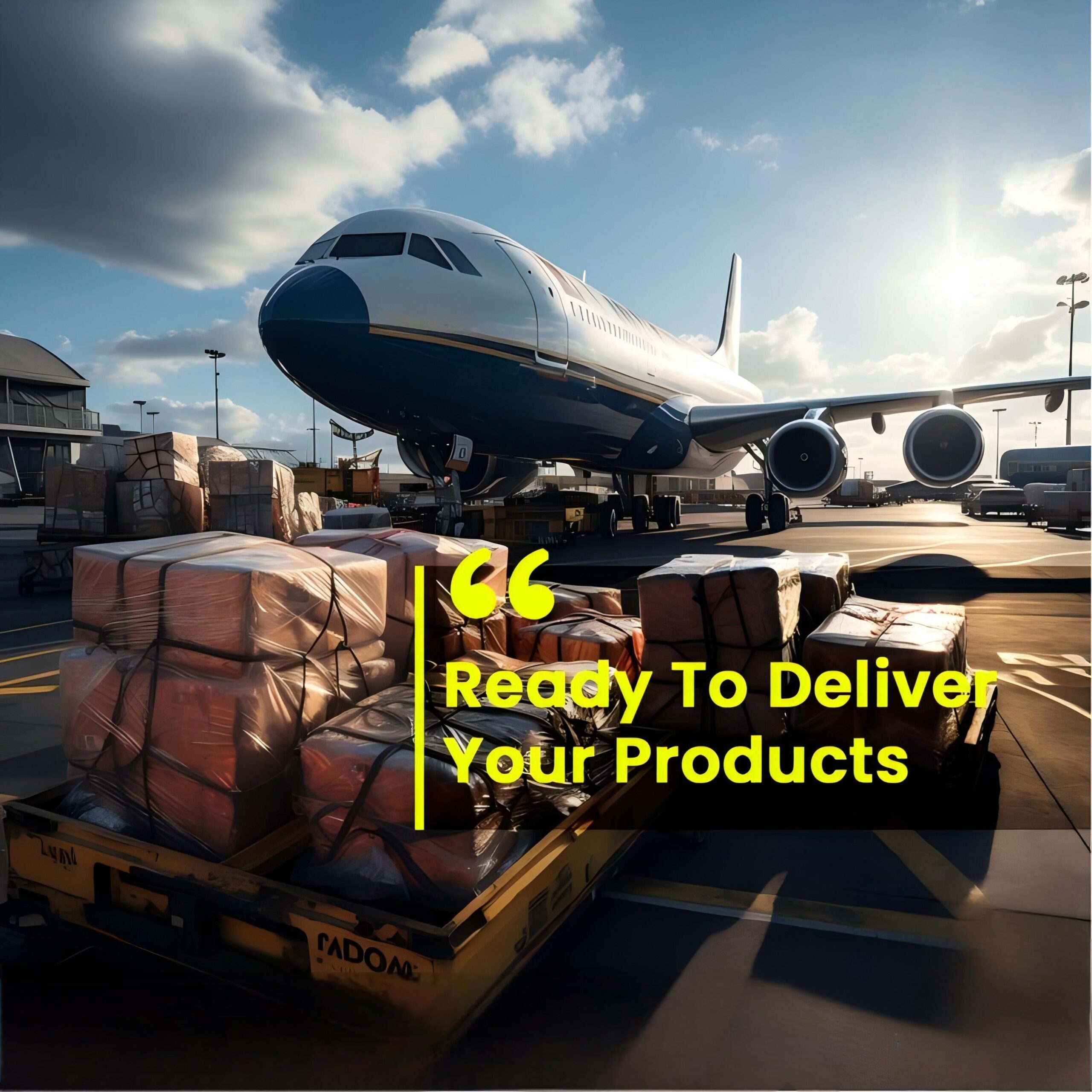
Realistic Case Studies for China to Belgium Shipping
Analyzing real-world scenarios helps importers understand the practicalities of 20GP FCL tracking for solar panels from China to Belgium. These examples reflect the actual market conditions experienced by shipping from China to Europe during the 2024-2025 period.
Case Study 1: Residential Solar Project Route: Ningbo, China to Antwerp, Belgium Cargo: 250 Solar Panels, 18 CBM, 4,500 kg Container: 20GP FCL Shipping Details: – Carrier: COSCO Shipping – Route Type: Direct Cost Breakdown: – Ocean Freight: $2,150 – Origin Charges: $450 – Destination Charges: $550 – Customs & Duties: $1,200 – Total Landed Cost: $4,350 Timeline: – Booking to Loading: 4 days – Sea Transit: 32 days – Customs Clearance: 2 days – Total Door-to-Door: 38 days Key Insight: Early booking during the off-peak season saved approximately 15 percent on freight costs.
Case Study 2: Urgent Commercial Installation Route: Shanghai, China to Zeebrugge, Belgium Cargo: Photovoltaic Modules, 22 CBM, 5,200 kg Container: 20GP FCL Shipping Details: – Carrier: Maersk – Route Type: Transshipment via Singapore Cost Breakdown: – Ocean Freight: $2,400 – Origin Charges: $500 – Destination Charges: $600 – Customs & Duties: $1,500 – Total Landed Cost: $5,000 Timeline: – Booking to Loading: 5 days – Sea Transit: 36 days – Customs Clearance: 3 days – Total Door-to-Door: 44 days Key Insight: Transshipment added 4 days to the transit time but was necessary due to direct vessel capacity shortages.
Alternative Strategies for Cost-Effective Logistics
Reducing logistics expenses requires a strategic approach to container utilization and route selection. For example, consolidating multiple small orders into a single 20GP FCL container can significantly lower the per-unit shipping cost. Furthermore, choosing a door to door service often simplifies the process and provides better price transparency for the entire journey.
Alternative strategies include utilizing sea-rail hybrid solutions for a balance of speed and cost. If your project is located in Eastern Belgium, shipping to the Port of Hamburg and then using rail to Liege might be faster than shipping directly to Antwerp. Additionally, maintaining a buffer stock in a European warehouse can help mitigate the impact of sea freight delays during peak seasons.
Market Intelligence and Logistics Trends for 2025
As of early 2025, the freight market between China and Europe has reached a state of relative stability. However, seasonal demand spikes during the third quarter continue to influence 20GP FCL tracking for solar panels from China to Belgium. Moreover, the industry is seeing an increased focus on digital tracking tools that provide IoT-based temperature and humidity monitoring for sensitive solar cells.
Market data suggests that freight rates typically increase by 15 to 25 percent during the August to October peak season. Consequently, savvy importers are moving their procurement cycles earlier to avoid these price hikes. Furthermore, the push for green shipping corridors is encouraging carriers to deploy LNG-powered vessels on the Asia-Europe trade lanes.

Which Shipping Option Should You Choose?
Decision-making should be guided by your specific project requirements and financial constraints. If your primary goal is budget optimization, sea freight remains the undisputed leader for 20GP FCL shipments. On the other hand, if you are facing a strict project deadline for a government solar tender, rail freight might be the more suitable alternative.
Volume thresholds also play a major role in choosing between FCL and LCL. Generally, if your shipment exceeds 15 CBM, booking a full 20GP container is more economical than paying for LCL space. Ultimately, the best choice involves balancing transit time, cost, and the reliability of the tracking system provided by your freight forwarder.
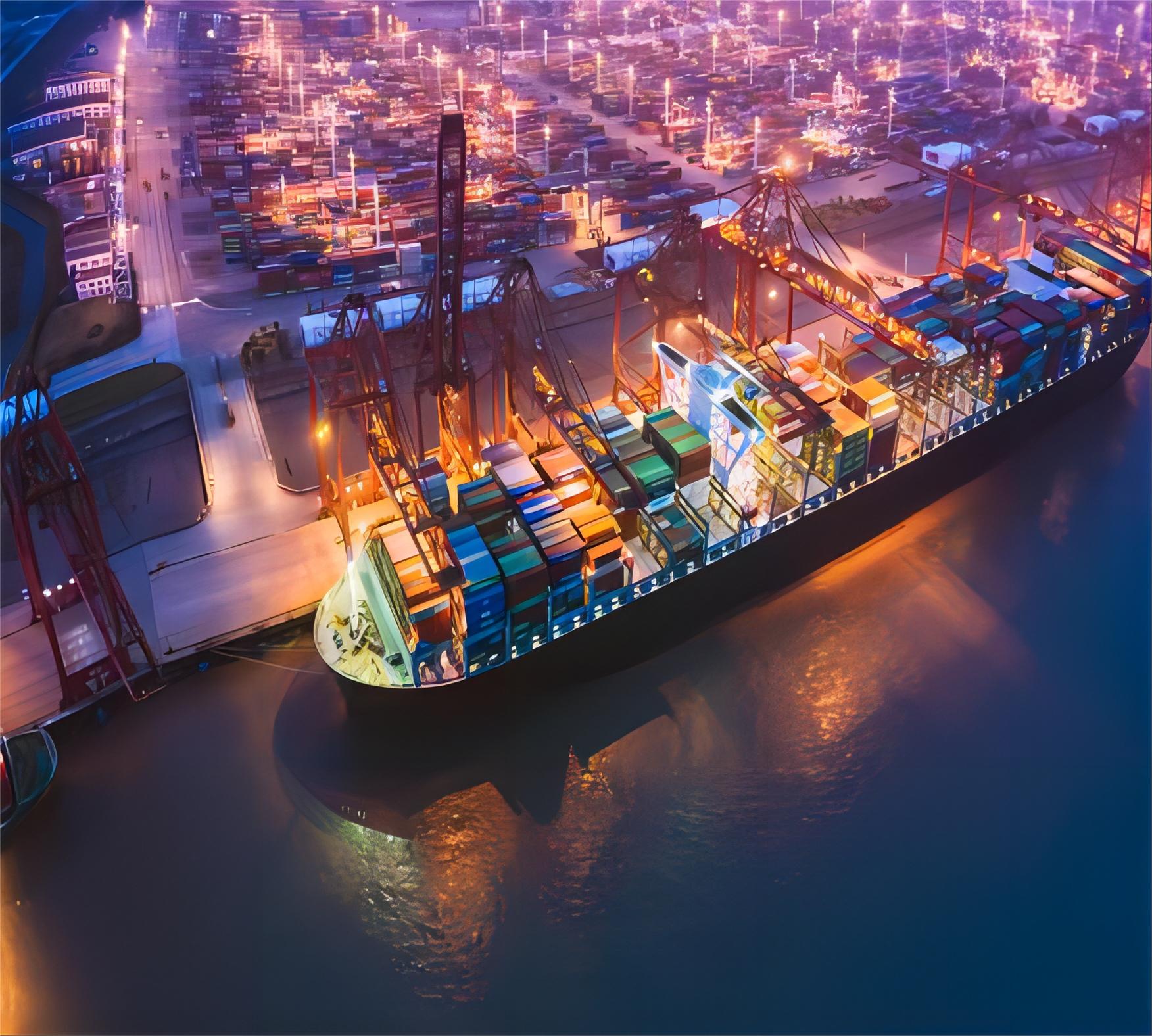
Step-by-Step Guide to Effective Container Tracking
Implementing a successful tracking strategy begins the moment your cargo leaves the factory in China. First, obtain the container number and the Bill of Lading number from your supplier or forwarder. Second, use the carrier’s official website or a third-party tracking platform to monitor the vessel’s progress across the ocean.
Additionally, set up automated alerts for key milestones such as vessel departure, transshipment arrival, and port discharge. This proactive approach ensures that you are never caught off guard by sudden changes in the delivery schedule. Indeed, consistent monitoring is the best way to manage the expectations of your Belgian customers and stakeholders.
Final Thoughts on Solar Panel Logistics
Successfully managing 20GP FCL tracking for solar panels from China to Belgium requires a combination of the right technology and professional expertise. By understanding the nuances of sea freight, customs regulations, and market trends, you can build a more resilient and cost-effective supply chain. Furthermore, leveraging the services of an experienced freight forwarder provides the peace of mind needed to focus on your core business operations.
Note: Freight rates are subject to change based on fuel costs, carrier capacity, and seasonal demand. Contact us for a current quote tailored to your specific shipment needs and transit requirements for 2025.
Ready to streamline your logistics?
Ready to optimize your renewable energy supply chain? Contact Top China Freight today for a customized quote on 20GP FCL tracking for solar panels from China to Belgium and ensure your cargo arrives on time and within budget.
Request Quote