


40HQ FCL Detention Prevention for Machinery from China to Texas: A Complete Guide
Shipping heavy equipment across the Pacific requires meticulous planning and expert coordination. Importers often face significant financial risks when cargo sits idle at the port beyond the allotted free time. This comprehensive guide explores effective 40HQ FCL detention prevention for machinery from China to Texas to help you maintain a lean supply chain. By partnering with Top China Freight, you can navigate the complexities of international logistics while protecting your bottom line from unexpected surcharges.
What is 40HQ FCL Detention and Why Does it Matter for Machinery?
Detention refers to the fees charged by carriers when a container is held outside the port terminal beyond the agreed-upon free days. Unlike demurrage, which occurs inside the port, detention starts once the container is picked up but not returned empty in time. Machinery shipments are particularly vulnerable to these costs because unloading heavy, oversized equipment often takes longer than standard retail goods.
Moreover, the physical dimensions of industrial machinery often require specialized unloading equipment or specific site preparations in Texas. If the receiving facility is not ready or if the specialized labor is delayed, the 40HQ container remains on the chassis, accruing daily penalties. Consequently, understanding the nuances of 40HQ FCL detention prevention for machinery from China to Texas is essential for any business importing high-value capital goods.
Therefore, logistics managers must distinguish between carrier free time and port free time to avoid overlapping charges. Carriers typically provide 7 to 10 days of combined free time, but this can vanish quickly if inland transport faces hurdles. Indeed, proactive communication between the shipper, the carrier, and the drayage provider is the first line of defense against these mounting expenses.

Key Causes of Detention When Shipping Machinery to Texas
Texas ports, particularly Houston and Freeport, have seen a surge in industrial imports, leading to occasional chassis shortages. When a specialized chassis is unavailable to move your 40HQ container, the clock continues to tick on your detention period. Additionally, machinery often requires permits for over-dimensional road transport, which can cause delays if not secured before the vessel berths.
Furthermore, documentation errors remain a primary driver of logistics bottlenecks for machinery imports. If the commercial invoice or packing list does not match the physical cargo, customs may hold the shipment for inspection. Meanwhile, the container sits on a trailer, consuming precious free days while the paperwork is rectified.
Finally, the distance between the Port of Houston and inland hubs like Dallas or San Antonio adds another layer of risk. Long-haul drayage requires precise scheduling to ensure the container returns to the port or a designated depot before the deadline. Without a robust strategy for 40HQ FCL detention prevention for machinery from China to Texas, these logistical gaps can cost thousands of dollars per shipment.
How Does 40HQ FCL Compare to Other Shipping Options?
Choosing the right shipping method is the foundation of a successful import strategy. While 40HQ containers offer the best volume-to-cost ratio for large machinery, they require more coordination than smaller units. For instance, sea freight remains the most economical choice for heavy equipment, but it carries the highest risk of detention compared to air or express services.
Alternatively, some importers consider LCL (Less than Container Load) for smaller components. However, LCL often involves longer handling times at the warehouse, which can indirectly affect your delivery schedule. In contrast, FCL (Full Container Load) provides a dedicated space that minimizes handling risks but places the full responsibility of container return on the importer.
Below is a comparison of the primary shipping methods available for the China-to-Texas route to help you weigh the trade-offs between speed and cost.
| Shipping Method | Cost Range (USD) | Transit Time | Best For |
|---|---|---|---|
| 40HQ FCL | $3,500 – $5,500 | 30-40 Days | Large Machinery |
| 20GP FCL | $2,500 – $3,800 | 30-40 Days | Heavy Components |
| LCL Shipping | $80 – $150/CBM | 40-50 Days | Spare Parts |
| Air Freight | $8.00 – $12.00/kg | 5-10 Days | Urgent Repairs |
Essential Strategies for 40HQ FCL Detention Prevention for Machinery from China to Texas
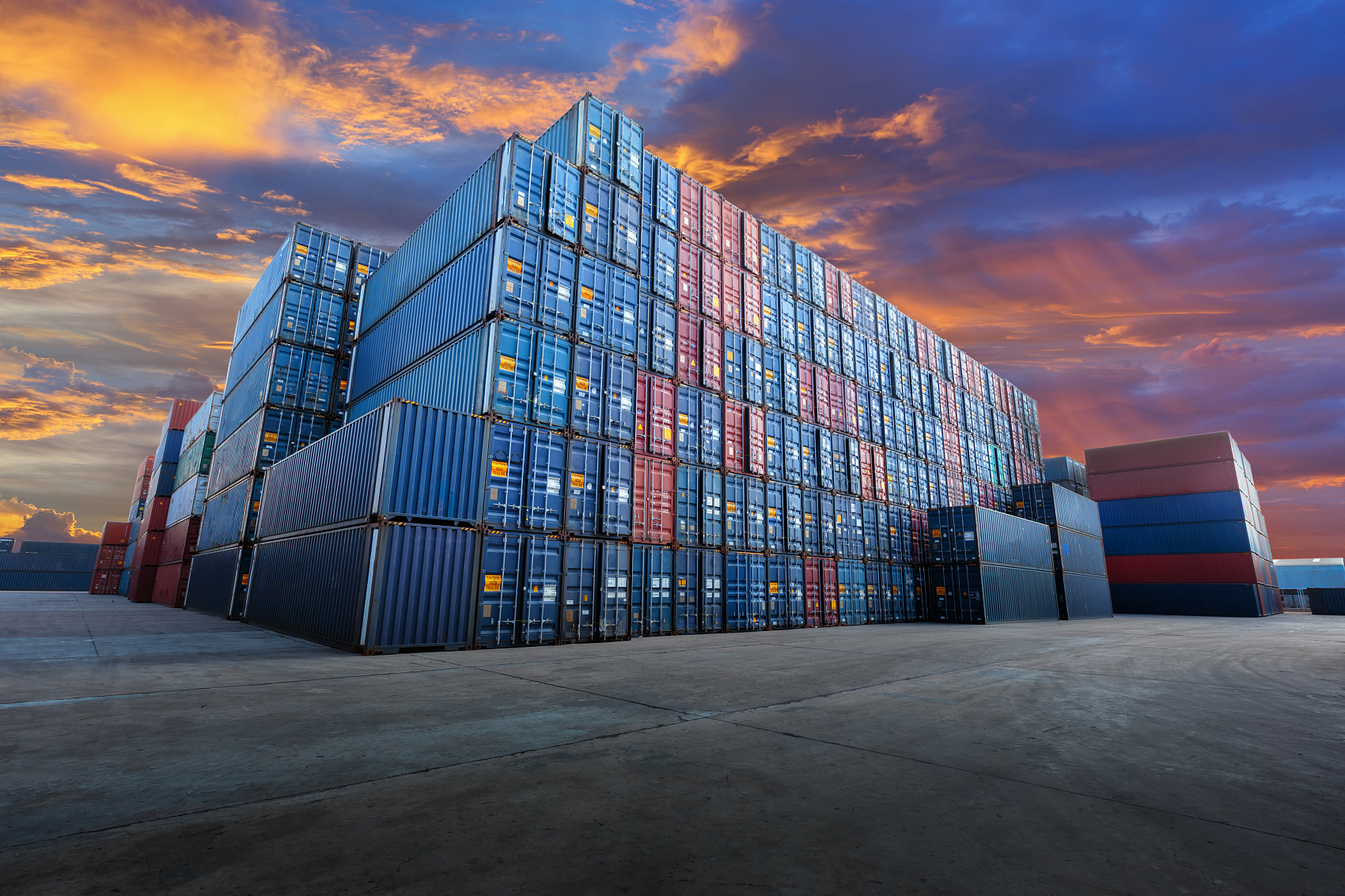
Negotiating extended free time at the point of booking is perhaps the most effective way to mitigate risk. Many carriers are willing to offer 14 or even 21 days of combined free time if requested upfront by an experienced freight forwarder. Consequently, this buffer provides the necessary flexibility to handle unexpected delays at the Texas unloading site.
Additionally, utilizing a comprehensive customs brokerage service ensures that all entry filings are completed well before the ship arrives. Early clearance allows the drayage driver to pull the container as soon as it is discharged from the vessel. Accordingly, this minimizes the time the container spends on the clock, facilitating a faster turnaround.
Moreover, implementing a ‘pre-pull’ strategy can be highly beneficial for machinery importers. In this scenario, the drayage company moves the container to a secure yard near the port to avoid port demurrage, even if the final destination is not yet ready. While this may incur a small yard fee, it is significantly cheaper than the daily detention rates charged by international steamship lines.
Which Option Should You Choose? Decision Framework
Deciding on the best logistics path depends on your specific budget, timeline, and cargo requirements. If your priority is cost savings and the machinery is not needed for immediate production, standard 40HQ FCL with extended free time is the gold standard. However, if the equipment is for a time-sensitive project in West Texas, a premium direct service to Houston might be necessary.
Consider the volume of your shipment as a primary deciding factor. For shipments exceeding 15 CBM, FCL is almost always more cost-effective than LCL. On the other hand, if you are shipping highly sensitive electronic machinery, the increased cost of air freight may be justified by the reduced risk of transit damage and zero detention exposure.
Importers should also evaluate the final delivery location within Texas. For destinations in North Texas, such as Dallas or Fort Worth, using an ‘intermodal’ bill of lading to an inland port can sometimes simplify the return of empty containers. Nevertheless, for coastal destinations, a door to door solution often provides the most seamless experience for 40HQ FCL detention prevention for machinery from China to Texas.
Navigating Customs Documentation for Texas Machinery Imports
Accurate documentation is the backbone of efficient 40HQ FCL detention prevention for machinery from China to Texas. Customs officials in the United States pay close attention to the HTS (Harmonized Tariff Schedule) codes for industrial equipment. Incorrect classification can lead to intensive examinations, which inevitably lead to detention charges as the container sits waiting for an inspector.
Furthermore, ensure that your supplier in China provides a detailed packing list that specifies the weight and dimensions of each machine component. This information is vital for the Texas drayage provider to assign the correct truck and chassis. Indeed, a mismatch in weight data can result in a container being turned away at the port scales, causing further delays.
To help you prepare, we have compiled a checklist of the essential documents required for a smooth machinery import process into the United States.
| Document Name | Required From | Purpose | Impact on Detention |
|---|---|---|---|
| Bill of Lading | Carrier | Title of Goods | High – Essential for Release |
| Commercial Invoice | Supplier | Valuation | Medium – Affects Duties |
| Packing List | Supplier | Cargo Detail | High – Used for Inspection |
| EPA/DOT Forms | Importer | Compliance | Critical for Engines |
Real Case Studies: Machinery Shipping to Texas
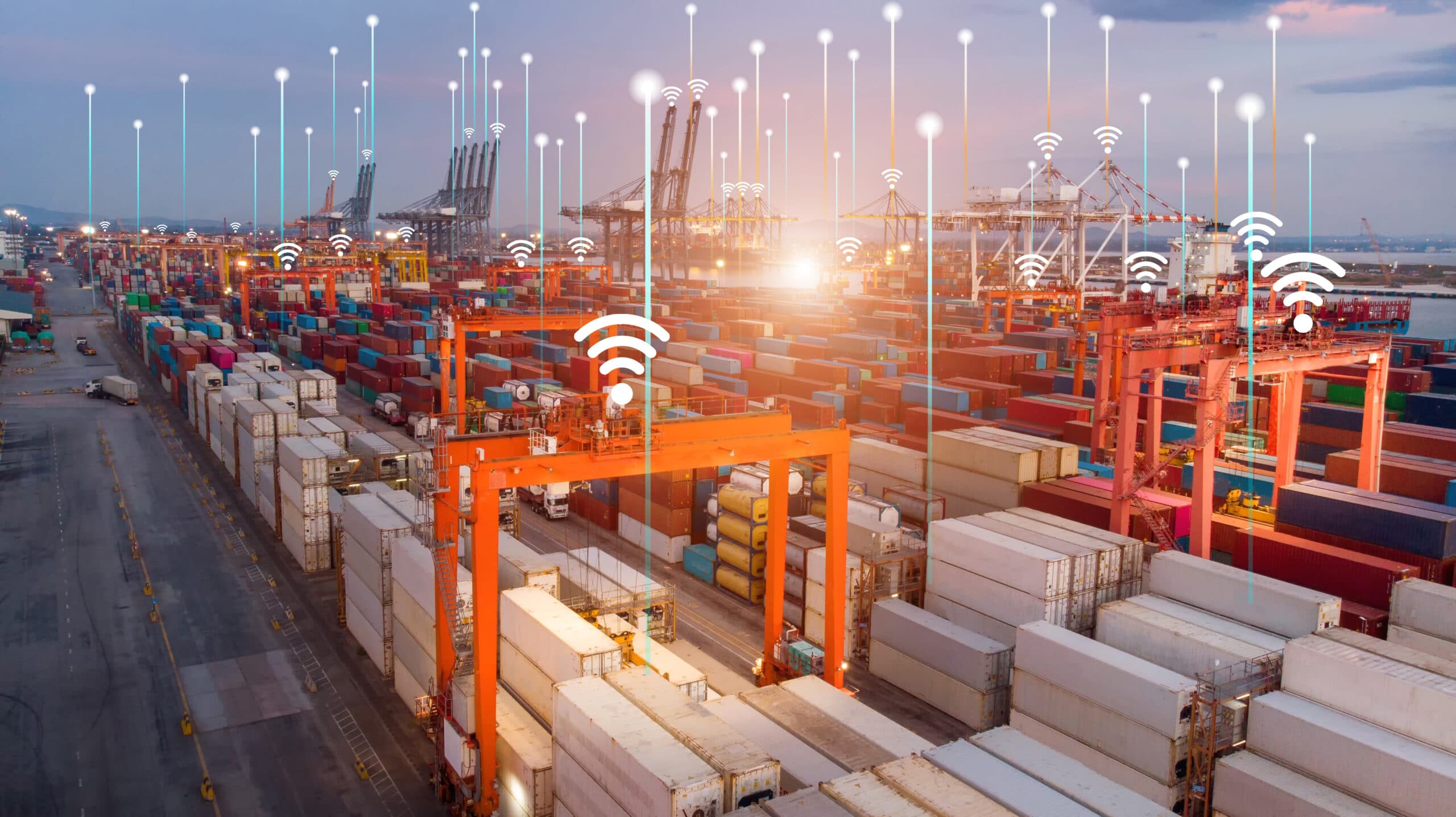
Examining real-world scenarios provides valuable insights into how logistics challenges are solved in real-time. These examples highlight the importance of planning and the financial impact of successful 40HQ FCL detention prevention for machinery from China to Texas. Note: Freight rates are subject to change based on fuel costs, carrier capacity, and seasonal demand. Contact us for a current quote tailored to your specific shipment.
Case Study 1: Precision CNC Machines from Shanghai to Houston +———————————————————+ | Route: Shanghai, China -> Houston, Texas | | Cargo: CNC Lathes, 28 CBM, 18,500 kg | | Container: 40HQ FCL | | | | Shipping Details: | | – Carrier/Service: COSCO Direct Service | | – Port of Loading: Shanghai | | – Port of Discharge: Houston | | – Route Type: Direct | | | | Cost Breakdown: | | – Ocean Freight: $4,200 | | – Origin Charges: $350 | | – Destination Charges: $600 | | – Customs & Duties: $1,200 | | – Total Landed Cost: $6,350 | | | | Timeline: | | – Booking to Loading: 5 days | | – Sea Transit: 32 days | | – Customs Clearance: 2 days | | – Total Door-to-Door: 42 days | | | | Key Insight: Pre-cleared customs and secured 14 days | | free time, resulting in zero detention fees. | +———————————————————+
Case Study 2: Construction Excavators from Ningbo to Dallas +———————————————————+ | Route: Ningbo, China -> Dallas, Texas | | Cargo: Excavator Parts, 32 CBM, 22,000 kg | | Container: 40HQ FCL | | | | Shipping Details: | | – Carrier/Service: Maersk via Houston | | – Port of Loading: Ningbo | | – Port of Discharge: Houston (Drayage to Dallas) | | – Route Type: Transshipment via Busan | | | | Cost Breakdown: | | – Ocean Freight: $4,800 | | – Origin Charges: $400 | | – Destination Charges: $850 | | – Customs & Duties: $2,100 | | – Total Landed Cost: $8,150 | | | | Timeline: | | – Booking to Loading: 7 days | | – Sea Transit: 38 days | | – Customs Clearance: 3 days | | – Total Door-to-Door: 52 days | | | | Key Insight: Used a ‘pre-pull’ to a Houston yard to | | avoid port congestion, saving $800 in potential fees. | +———————————————————+
The Role of Specialized Logistics in Texas Machinery Distribution
Texas is a vast state, and moving machinery from the coast to the interior requires specialized knowledge of the local infrastructure. Working with a provider that understands the North America logistics landscape is vital for avoiding the pitfalls of inland detention. For example, some warehouses in San Antonio may have limited docking hours, which can delay the return of your 40HQ container.
Moreover, the rise of the ‘Texas Triangle’ (Houston, Dallas, San Antonio) as an industrial powerhouse means that drayage demand is often at peak capacity. Consequently, booking your inland transport at least two weeks before the vessel arrives is a critical step in 40HQ FCL detention prevention for machinery from China to Texas. This ensures that a driver is assigned and ready to move your cargo immediately.
In addition, consider the benefits of using a bonded warehouse if your machinery is destined for a Foreign Trade Zone (FTZ) in Texas. This can provide additional time for customs processing without the container being under the carrier’s detention clock. Nevertheless, this strategy requires advanced coordination with your freight forwarder to ensure the correct filings are in place.
Mastering Your Texas Machinery Imports
Successfully managing 40HQ FCL detention prevention for machinery from China to Texas is a matter of proactive planning and local expertise. By understanding the causes of delays, such as chassis shortages and documentation errors, you can take concrete steps to minimize costs. Whether you are shipping to Houston, Dallas, or beyond, the key is to maintain constant communication with your logistics partners.
Summarizing our guide, remember that negotiating free time and utilizing pre-clearance are your most powerful tools. As the Texas industrial market continues to grow, staying ahead of logistics trends will ensure your machinery arrives on time and within budget. Choose a partner that understands the specific needs of heavy equipment transport to keep your supply chain moving smoothly.
Ready to streamline your logistics?
Protect your machinery investment by implementing a robust 40HQ FCL detention prevention for machinery from China to Texas strategy today. Contact our expert logistics team to secure extended free time and streamlined customs clearance for your next shipment. Send Inquiry link: Visit https://Top China Freight.com/ for a custom quote.
Request Quote