


20GP FCL Tracking for Solar Panels from China to California: 2025 Guide
Managing the logistics of renewable energy products requires precision and real-time visibility to ensure project timelines remain intact. Consequently, mastering 20GP FCL tracking for solar panels from China to California is essential for importers seeking to maintain a resilient supply chain. Top China Freight provides professional logistics management to help you navigate these complex international shipping routes with ease.
Why 20GP FCL Tracking for Solar Panels from China to California is Critical
Visibility into your cargo location allows for better planning of inland transportation and installation crews in California. Furthermore, precise tracking helps you anticipate potential delays at major hubs like the Port of Los Angeles or Long Beach.
Solar panels are high-value, fragile items that require careful monitoring throughout their journey across the Pacific. Therefore, using advanced tracking tools ensures that you can respond quickly to any transit disruptions or customs holds.
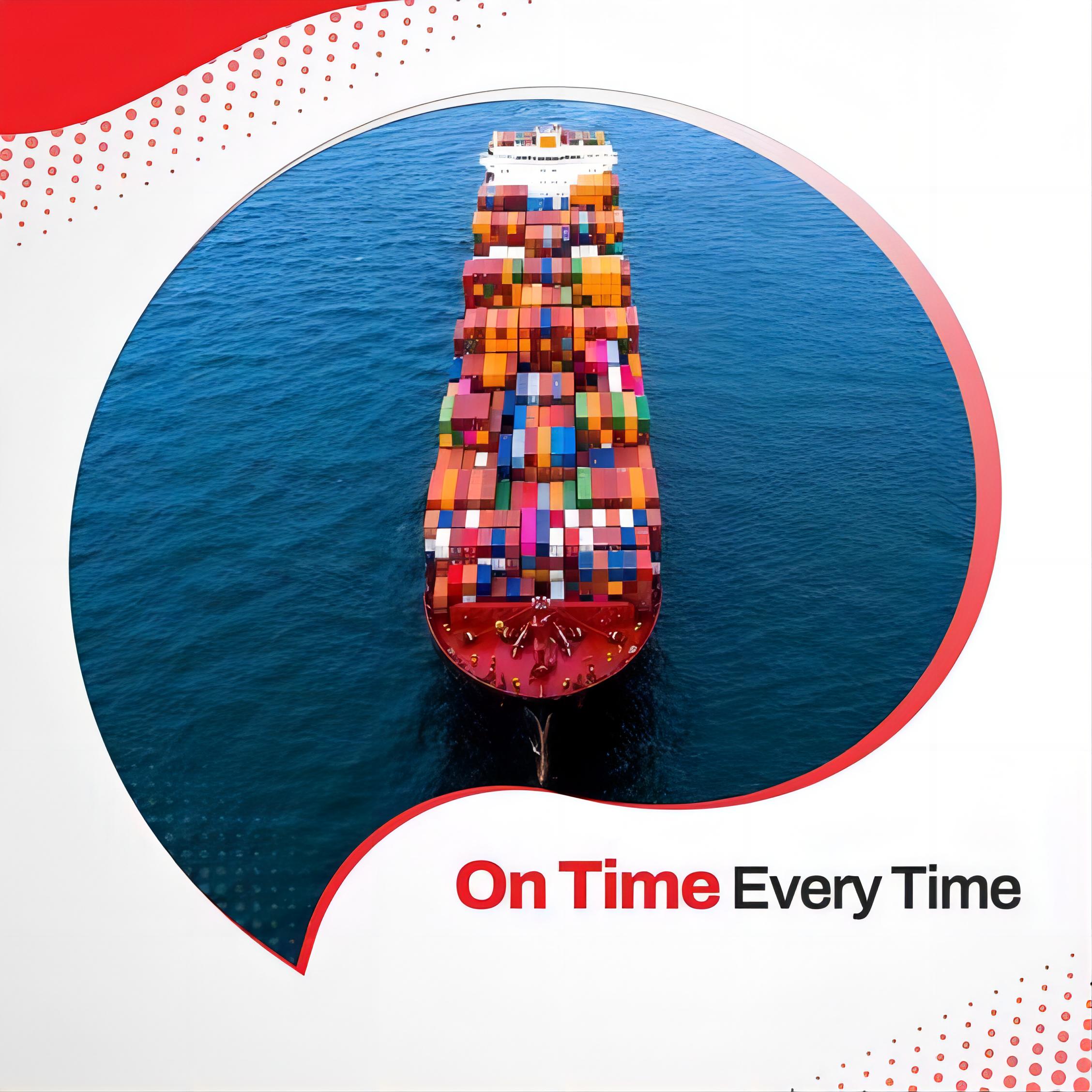
Most Tier 1 manufacturers in China prefer the Full Container Load (FCL) method to minimize handling and potential damage. Consequently, utilizing sea freight for a 20GP container provides a dedicated space that is easier to track than consolidated shipments.
How Does 20GP FCL Compare to Other Shipping Options?
Choosing the right shipping method depends on your budget, volume, and urgency. While 20GP containers are excellent for smaller commercial projects, larger utility-scale installations often utilize 40HQ containers for better economies of scale.
Alternative strategies like Less than Container Load (LCL) might seem cheaper for very small batches, but the risk of damage increases due to extra handling. In contrast, air freight offers unmatched speed but comes with prohibitive costs for heavy solar equipment.
| Shipping Method | Cost Range | Transit Time | Best For |
|---|---|---|---|
| 20GP FCL | $1,500 – $2,200 | 14 – 18 Days | Small Commercial |
| 40HQ FCL | $2,800 – $3,800 | 14 – 18 Days | Large Scale Projects |
| LCL Shipping | $150 – $300/CBM | 20 – 25 Days | Sample Orders |
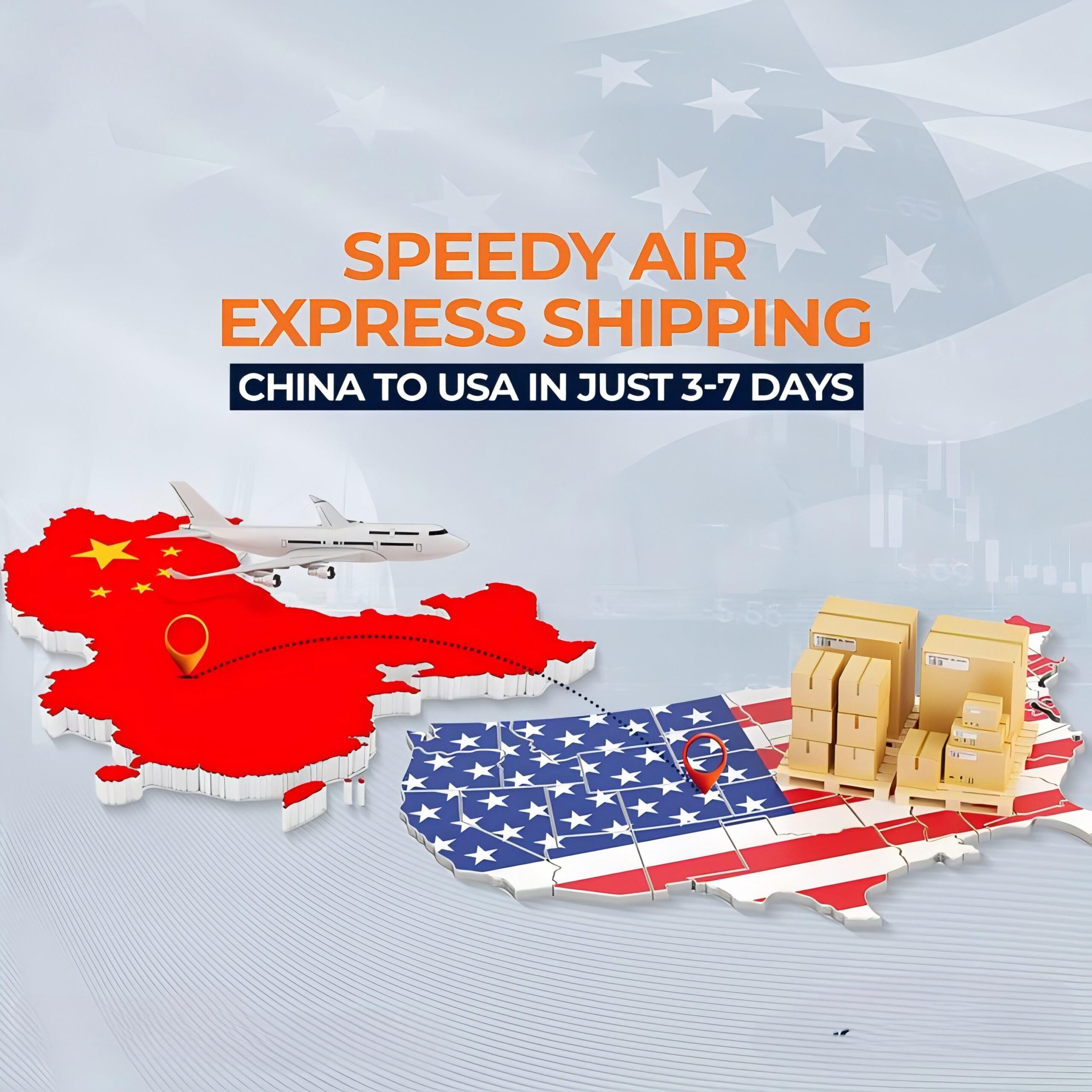
| Air Freight | $8,000 – $15,000 | 3 – 7 Days | Urgent Replacements |
Key Steps in the Tracking and Logistics Process
Effective tracking begins the moment the container is sealed at the factory in Ningbo or Shenzhen. Moreover, you should receive a Bill of Lading (BOL) which contains the unique container number and carrier code needed for digital monitoring.
Navigating the arrival process requires a reliable customs brokerage partner to handle the complex documentation required by US authorities. Consequently, this ensures that once your 20GP FCL tracking for solar panels from China to California shows the ship has docked, clearance happens without delay.
Importers must also monitor the ‘Last Mile’ delivery from the California port to the final warehouse or job site. Therefore, integrating your ocean tracking with local trucking updates provides a complete door-to-door view of your assets.
Which Option Should You Choose for Your Solar Shipment?
Budget priority often leads importers toward sea freight, specifically 20GP or 40HQ containers depending on the total pallet count. If you are shipping more than 10 standard pallets, a 20GP container is almost always more cost-effective than LCL.
Speed priority might necessitate a sea-air hybrid or express shipping for critical components like inverters or specialized mounting hardware. However, for the panels themselves, the weight usually makes sea freight the only viable long-term strategy.
Cargo type considerations are paramount when dealing with glass-based solar modules. Consequently, a dedicated door to door service is recommended to ensure the container is not opened until it reaches its final destination in California.
Real Case Studies: Shipping Solar Panels to California
Analyzing real-world scenarios helps in understanding the actual costs and timelines involved in modern logistics. Below are two examples based on early 2025 market rates for shipments to North America.
Case Study 1: Residential Project in San Diego
Route: Ningbo, China to Long Beach, California. Cargo: 300 Residential Solar Panels. Container: 20GP FCL. Ocean Freight: $1,950. Origin Charges: $350. Destination Charges: $450. Customs and Duties: $1,200. Total Landed Cost: $3,950. Transit Time: 16 days sea transit, 4 days clearance. Total Door-to-Door: 25 days. Key Insight: Early booking saved 15% on freight rates.
Case Study 2: Commercial Array in Sacramento
Route: Shenzhen, China to Oakland, California. Cargo: 500 Commercial Grade Panels. Container: 40HQ FCL. Ocean Freight: $3,200. Origin Charges: $400. Destination Charges: $550. Customs and Duties: $2,100. Total Landed Cost: $6,250. Transit Time: 18 days sea transit, 5 days clearance. Total Door-to-Door: 28 days. Key Insight: Direct routing to Oakland reduced inland trucking costs by $800 compared to LA port.

Essential Documentation and Compliance
Shipping solar panels requires specific paperwork to satisfy both Chinese export and US import regulations. For instance, you must provide a commercial invoice, packing list, and a certificate of origin to avoid penalties.
Additional requirements often include the ISF 10+2 filing, which must be submitted at least 24 hours before the vessel departs China. Consequently, failure to complete this step can result in significant fines and container holds upon arrival in California.
Using an express service for your original documents can speed up the release process at the destination port. Nevertheless, many modern carriers now accept electronic documentation to streamline the entire logistics chain.
Final Thoughts on Solar Logistics
Successfully managing 20GP FCL tracking for solar panels from China to California requires a combination of the right shipping method, accurate documentation, and reliable partners. By choosing FCL, you protect your fragile cargo while maintaining a clear view of its progress across the ocean.
Market conditions in 2025 suggest that freight rates have stabilized, making it an ideal time to secure long-term shipping contracts. Ultimately, the goal is to ensure your solar panels arrive on time and within budget to support California’s green energy goals.
Note: Freight rates are subject to change based on fuel costs, carrier capacity, and seasonal demand. Contact us for a current quote tailored to your specific shipment.
Ready to streamline your logistics?
Streamline your renewable energy supply chain today with our expert logistics solutions. Contact us now to get a competitive quote and professional 20GP FCL tracking for solar panels from China to California tailored to your specific project needs.
Request Quote