

China FCL Supply Chain Solution to Denmark: A Complete Guide
Developing a robust China FCL supply chain solution to Denmark is essential for businesses aiming to maintain a steady flow of inventory across continents. Navigating the complexities of international logistics requires precision and deep industry knowledge to ensure cargo arrives safely and on schedule. Top China Freight offers comprehensive logistics management that simplifies the entire process from the factory floor to the final warehouse. Consequently, importers can reduce their overhead costs while significantly improving the reliability of their global distribution networks.
What is a China FCL Supply Chain Solution to Denmark?
Full Container Load or FCL refers to a shipping mode where one importer occupies an entire container for their goods exclusively. This method provides the most secure and efficient China FCL supply chain solution to Denmark for high-volume shipments. Moreover, it eliminates the need for consolidation, which often leads to faster transit times and reduced handling risks. Indeed, businesses that move more than 15 cubic meters of cargo usually find this option the most cost-effective choice.
Furthermore, utilizing a dedicated container allows for better protection of fragile or high-value items throughout the journey. Because the container is sealed at the origin and only opened at the destination, the risk of theft or damage is minimized. Consequently, this reliability makes FCL the preferred choice for electronics, machinery, and furniture importers. Additionally, the streamlined nature of FCL logistics simplifies the tracking process for supply chain managers worldwide.
How Does FCL Shipping Compare to Other Shipping Options?
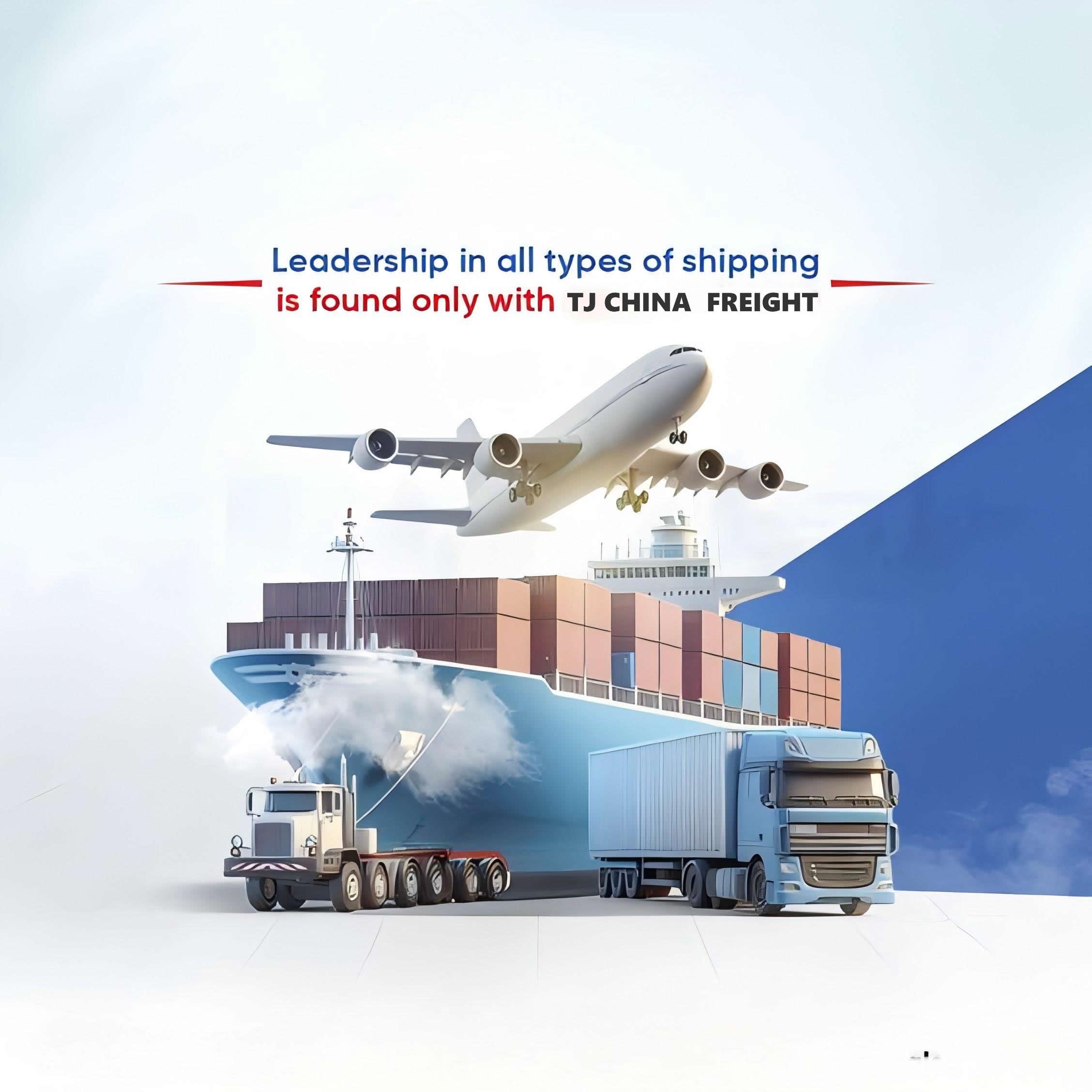
While a China FCL supply chain solution to Denmark is popular, businesses must evaluate all available transport modes to optimize their budgets. For example, sea freight remains the backbone of global trade due to its massive capacity and low cost per unit. However, companies with urgent deadlines might consider air freight despite the significantly higher price point. Meanwhile, rail freight offers a middle ground, balancing speed and cost for inland destinations.
Alternatively, for smaller shipments that do not fill a whole container, Less than Container Load or LCL is a viable alternative. Nevertheless, LCL often involves longer transit times due to the consolidation and deconsolidation processes at various ports. Therefore, FCL remains the gold standard for predictable and scalable logistics operations. In contrast, express services are best reserved for documents or very small parcels that require immediate delivery.
| Shipping Method | Cost Range | Transit Time | Best For |
|---|---|---|---|
| Sea FCL | $2,500 – $4,500 | 30-40 Days | Bulk cargo and high volume |
| Air Freight | $5.00 – $9.00/kg | 5-8 Days | Urgent or high-value items |
| Rail Freight | $3,000 – $5,500 | 18-25 Days | Balanced speed and cost |
| Sea LCL | $80 – $150/CBM | 35-45 Days | Shipments under 15 CBM |
Which Option Should You Choose?
Selecting the right strategy depends heavily on your specific business priorities and the nature of your products. If your primary goal is budget priority, then a sea-based China FCL supply chain solution to Denmark is undoubtedly the best path. On the other hand, if you are facing a stock-out situation, the speed priority of air freight justifies the extra expense. Additionally, consider the volume thresholds; once you exceed 15 CBM, the cost of FCL typically drops below LCL rates.
Moreover, cargo type considerations play a major role in the decision-making process for international shipping. For instance, heavy machinery is almost exclusively moved via rail freight or sea containers due to weight restrictions on planes. Furthermore, hybrid solutions such as sea-air combinations can offer a tactical advantage during peak seasons. Consequently, a flexible approach allows companies to adapt to changing market conditions and port congestion levels.
Transit Times and Major Port Routes
The duration of a China FCL supply chain solution to Denmark depends on the specific port of loading and the destination harbor. Generally, shipments from Southern China ports like Shenzhen take slightly longer than those from Eastern ports like Shanghai. Furthermore, direct routes are faster but often more expensive than transshipment options via Singapore or Colombo. Nevertheless, most sea transit times to the Port of Copenhagen or Aarhus fall within the 30 to 40-day range.
In addition, seasonal factors and weather conditions can impact the delivery schedule throughout the year. For example, the winter months often see slower transit due to North Sea storms or port congestion during the holiday rush. Therefore, planning at least six weeks in advance is recommended to avoid supply chain disruptions. Indeed, keeping a buffer in your inventory management system is a wise strategy for any international importer.
| Port of Loading | Port of Discharge | Transit (Days) | Service Type |
|---|---|---|---|
| Shanghai | Copenhagen | 32-35 | Direct |
| Ningbo | Aarhus | 34-38 | Transshipment |
| Shenzhen | Copenhagen | 35-40 | Direct |
| Qingdao | Aarhus | 38-42 | Transshipment |
Essential Customs Documentation for Denmark
Navigating the legal requirements is a critical component of any China FCL supply chain solution to Denmark. Without proper paperwork, your cargo could face significant delays or heavy fines at the Danish border. Consequently, hiring an expert in customs brokerage is often the most efficient way to handle these complexities. This ensures that all EORI numbers, commercial invoices, and packing lists comply with European Union regulations.
Furthermore, you must ensure that all goods are correctly classified under the Harmonized System or HS codes. This classification determines the duty rates and VAT that will be applied to your shipment upon arrival. In addition, certain products like chemicals or electronics may require specific safety certifications or import licenses. Therefore, verifying these requirements before the ship leaves China is vital for a smooth transition through customs.
Understanding the Costs of FCL Shipping
The total landed cost of your goods involves more than just the ocean freight rate quoted by the carrier. Indeed, a complete China FCL supply chain solution to Denmark includes origin charges, destination fees, and inland trucking. For instance, terminal handling charges at both ports can add several hundred dollars to your final bill. Moreover, fuel surcharges fluctuate monthly, making it essential to get a current quote before booking.
Additionally, you should factor in the cost of marine insurance to protect your investment against unforeseen events at sea. While the probability of a total loss is low, the peace of mind provided by insurance is invaluable for high-value shipments. Consequently, many businesses opt for door to door services to have a single price covering the entire journey. This approach simplifies accounting and reduces the risk of hidden fees appearing late in the process.
Note: Freight rates are subject to change based on fuel costs, carrier capacity, and seasonal demand. Contact us for a current quote tailored to your specific shipment.
Real-World Case Studies for Denmark Imports
Reviewing actual shipping scenarios helps businesses understand the practical application of a China FCL supply chain solution to Denmark. These examples illustrate how different cargo types and routes affect the overall timeline and budget. Furthermore, they highlight the importance of choosing the right container size for specific product dimensions. Consequently, these insights can help you avoid common pitfalls and optimize your own logistics strategy.
Case Study 1: Solar Panel Distribution. Route: Shenzhen to Aarhus. Cargo: 680 Solar Panels, 58 CBM. Container: 40HQ. Shipping Details: Major carrier, direct route. Ocean Freight: $3,850. Origin/Destination Charges: $850. Customs and Duties: $1,200. Total Landed Cost: $5,900. Timeline: 36 days door-to-door. Key Insight: Using a 40HQ allowed for optimal stacking, reducing the cost per panel significantly.
Case Study 2: Retail Furniture Stock. Route: Ningbo to Copenhagen. Cargo: Wooden Tables and Chairs, 26 CBM. Container: 20GP. Shipping Details: Transshipment via Hamburg. Ocean Freight: $2,100. Origin/Destination Charges: $700. Customs and Duties: $950. Total Landed Cost: $3,750. Timeline: 42 days door-to-door. Key Insight: Planning for transshipment saved $400 in freight costs compared to the direct route during peak season.
Based on early 2025 market rates, these cases reflect the stability currently seen in the shipping from China to Europe corridor.
Optimizing Your Supply Chain for 2025
As we look toward the future, logistics trends suggest that digitalization will play an even larger role in freight management. Therefore, integrating real-time tracking into your China FCL supply chain solution to Denmark is no longer optional. It allows you to respond proactively to any delays and keep your customers informed about delivery dates. Moreover, sustainable shipping options are becoming more prevalent as carriers invest in eco-friendly fuels.
Furthermore, maintaining strong relationships with your freight forwarder can lead to better space guarantees during the busy Q4 peak season. Typically, rates increase by 15-25% between August and October, so early booking is a critical cost-saving strategy. Consequently, businesses that treat logistics as a strategic asset rather than a commodity often see higher profit margins. Indeed, a well-oiled supply chain is a significant competitive advantage in the modern global marketplace.
Summary of FCL Logistics Success
In summary, implementing a professional China FCL supply chain solution to Denmark is the most effective way to manage large-scale imports. By understanding the nuances of container types, transit times, and customs requirements, you can ensure a seamless flow of goods. Moreover, choosing the right partner to manage your sea freight ensures that your cargo is handled with the highest level of care.
Additionally, staying informed about market trends and cost-saving strategies will help you maintain a competitive edge. Whether you are shipping electronics, furniture, or industrial equipment, the principles of FCL shipping remain a constant foundation for success. Consequently, investing time in planning your logistics today will yield significant benefits for your business growth in the years to come.
Ready to streamline your logistics?
Streamline your international logistics today with a customized China FCL supply chain solution to Denmark tailored to your business needs. Our team of experts is ready to provide you with a transparent quote and end-to-end support for your next shipment. Visit our website to send an inquiry and take the first step toward a more efficient global trade operation.
Request Quote