

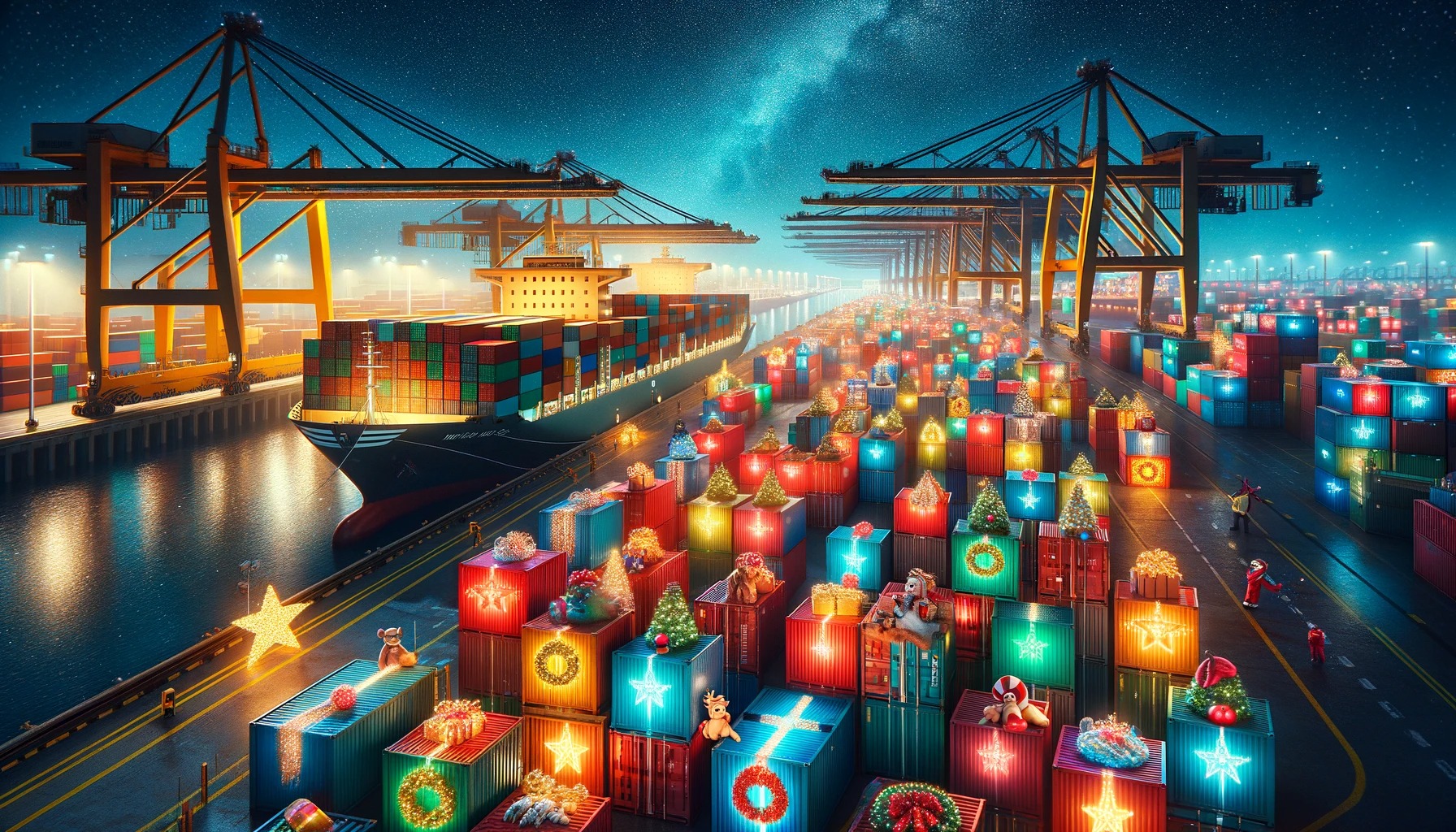
40GP FCL container shortage solution for auto parts from China to Los Angeles
Finding a reliable 40GP FCL container shortage solution for auto parts from China to Los Angeles is essential for maintaining a healthy automotive supply chain. Many importers currently face significant delays due to equipment imbalances and port congestion in Southern California. By partnering with Top China Freight, businesses can access prioritized vessel space and innovative equipment sourcing strategies. This guide explores how to navigate these challenges and ensure your vehicle components arrive on schedule.

Why the 40GP FCL Container Shortage for Auto Parts is Critical
The global automotive industry relies heavily on just-in-time manufacturing, making container availability a top priority for manufacturers. Consequently, any disruption in the supply of 40GP containers can lead to factory shutdowns and missed delivery deadlines. Most auto parts are bulky or heavy, which makes the 40GP FCL format the most cost-effective choice for transpacific routes.
Furthermore, the trade imbalance between China and the United States often leaves empty containers stranded in the wrong locations. This equipment deficit is particularly acute during peak seasons when consumer electronics and apparel compete for the same vessel space. Therefore, implementing a proactive 40GP FCL container shortage solution for auto parts from China to Los Angeles is no longer optional for serious importers.
Strategic Solutions for Equipment Procurement
One effective approach involves utilizing Shipper Owned Containers (SOC) to bypass the carrier’s equipment pool entirely. This strategy allows you to purchase or lease your own units, ensuring that your sea freight operations are not dependent on carrier availability. Additionally, many forwarders now offer ‘street turn’ programs where containers are exchanged directly between importers and exporters.
Meanwhile, diversifying your port of loading can provide immediate relief when major hubs like Shanghai or Ningbo are congested. Smaller regional ports often have better equipment availability and shorter gate-in times for heavy cargo. Consequently, adjusting your inland logistics to reach these alternative ports can significantly reduce overall shipping lead times.
How Does 40GP FCL Compare to Other Shipping Options?
While 40GP containers are the standard, other methods might serve as a temporary 40GP FCL container shortage solution for auto parts from China to Los Angeles. For instance, 40HQ containers offer more vertical space and are sometimes more readily available than standard 40GP units. However, you must verify that your loading docks and drayage equipment can handle the extra height safely.
In contrast, if your volume is lower, utilizing LCL services can keep your supply chain moving while you wait for FCL equipment. Although the cost per cubic meter is higher, the ability to ship smaller batches prevents total inventory depletion. Indeed, many companies use a hybrid model, combining FCL for bulk items and LCL for urgent components.
| Shipping Method | Cost Range | Transit Time | Best For |
|---|---|---|---|
| 40GP FCL | $2,500 – $3,800 | 14 – 18 Days | Bulk Auto Parts |
| 40HQ FCL | $2,800 – $4,200 | 14 – 18 Days | High-Volume Cargo |
| LCL Shipping | $50 – $90 per CBM | 20 – 25 Days | Small Shipments |
| Air Freight | $5 – $9 per KG | 3 – 7 Days | Urgent Repairs |
Navigating Customs and Documentation for Auto Parts
Proper documentation is vital to avoid additional delays at the Port of Los Angeles after securing a container. You should work closely with a professional customs brokerage to ensure all HTS codes for vehicle components are accurate. Moreover, incorrect filings can lead to intensive examinations, which add significant costs and time to your delivery schedule.
Additionally, ensure that all wood packaging materials comply with ISPM 15 standards to prevent quarantine issues. Specifically, auto parts often require specialized crating that must be heat-treated and stamped correctly. Therefore, double-checking your paperwork before the vessel departs China is a critical step in the logistics management process.
Case Study: Overcoming Shortages for Tier 1 Suppliers
Case Study 1: Strategic Equipment Sourcing Route: Shanghai, China to Los Angeles, USA Cargo: Aluminum Alloy Wheels, 65 CBM, 18,000 kg Container: 40GP FCL (SOC) Shipping Details: – Carrier: Major Transpacific Carrier – Port of Loading: Shanghai – Port of Discharge: Los Angeles – Route Type: Direct Cost Breakdown: – Ocean Freight: $3,100 – Origin Charges: $450 – Destination Charges: $600 – Customs and Duties: $1,200 – Total Landed Cost: $5,350 Timeline: – Booking to Loading: 5 days – Sea Transit: 15 days – Customs Clearance: 2 days – Total Door-to-Door: 22 days Key Insight: Using a Shipper Owned Container (SOC) bypassed a 3-week carrier equipment wait time.
Case Study 2: Multi-Modal Buffer Strategy Route: Ningbo, China to Los Angeles, USA Cargo: Brake Assemblies and Sensors, 40 CBM Container: 40GP FCL Shipping Details: – Carrier: Ocean Alliance – Port of Loading: Ningbo – Port of Discharge: Long Beach – Route Type: Direct Cost Breakdown: – Ocean Freight: $3,450 – Origin Charges: $400 – Destination Charges: $550 – Total Landed Cost: $4,400 Timeline: – Booking to Loading: 8 days – Sea Transit: 16 days – Customs Clearance: 3 days – Total Door-to-Door: 27 days Key Insight: Booking 21 days in advance secured equipment during the Q4 peak season surge.
Optimizing Door to Door Logistics for Automotive Cargo
Choosing a comprehensive door to door service can simplify the complex transition from factory to warehouse. This model integrates trucking, ocean freight, and final mile delivery into a single transparent price. Consequently, you gain better visibility over your cargo’s location and can react faster to any potential transit delays.
Furthermore, utilizing specialized drayage services in Los Angeles helps avoid expensive demurrage and detention fees. Because the port area is often congested, having pre-booked chassis and reliable drivers is essential. Without a doubt, a well-coordinated ground transport plan is just as important as the ocean crossing itself.
Evaluating Alternatives: When to Use Air Freight
Sometimes, even the best 40GP FCL container shortage solution for auto parts from China to Los Angeles cannot meet an immediate deadline. In these cases, switching to air freight for a small portion of the shipment is a wise tactical move. This ensures that assembly lines keep moving while the bulk of the order follows via sea.
Moreover, for high-value electronic components or critical sensors, the speed and security of air transport often justify the higher investment. However, you should always compare the total landed cost against the potential losses of a production delay. Ultimately, a flexible approach that uses different modes of transport provides the highest level of supply chain resilience.
Which Option Should You Choose?
If your primary goal is budget optimization, stick with 40GP FCL but book at least 3-4 weeks in advance. For those facing immediate factory shutdowns, air freight is the only viable alternative despite the cost. Meanwhile, if you are shipping to fulfillment centers, consider Amazon FBA specialized logistics for streamlined handling.
Cargo type also dictates your choice, as heavy engine parts require the structural integrity of a standard container. On the other hand, lighter plastic trim components might fit perfectly in a 40HQ, which often has better availability. Therefore, evaluate your specific volume and weight requirements before committing to a specific equipment type.
Securing Your 40GP FCL Container Shortage Solution for Auto Parts
In summary, overcoming equipment scarcity requires a combination of early booking, alternative port strategies, and professional logistics partnerships. While the 40GP FCL container shortage solution for auto parts from China to Los Angeles can be challenging, proactive planning mitigates most risks. By understanding the market trends and utilizing diverse shipping methods, you can maintain a competitive edge in the automotive industry.
Note: Freight rates are subject to change based on fuel costs, carrier capacity, and seasonal demand. Contact us for a current quote tailored to your specific shipment.
Ready to streamline your logistics?
Take control of your automotive logistics today by securing your equipment in advance. Contact Top China Freight for a customized 40GP FCL container shortage solution for auto parts from China to Los Angeles. Visit our website to request a competitive quote and ensure your supply chain remains uninterrupted. See: https://Top China Freight.com/ for more details.
Request Quote