

China FCL Port to Port to Illinois: Complete 2025 Logistics Guide
Shipping industrial goods or consumer products from the manufacturing hubs of Asia to the American Midwest requires a robust logistics strategy. If you are looking for a reliable way to manage high-volume cargo, Top China Freight offers specialized solutions for China FCL port to port to Illinois. This method ensures that your goods remain secure in a dedicated container from the moment they leave the factory until they reach the rail ramp or port in the Illinois region.
What is China FCL Port to Port to Illinois Shipping?
Full Container Load (FCL) shipping involves renting an entire 20-foot or 40-foot container for your exclusive use. This is the most efficient method for businesses importing large quantities of goods from China to the United States. Consequently, you do not have to share space with other shippers, which reduces the risk of damage or loss.
The port-to-port model specifically covers the journey from a Chinese departure port to a major US port or an inland intermodal terminal. For Illinois, this usually involves a combination of ocean transit to the West Coast and rail transport to Chicago. Choosing sea freight for these long-distance routes remains the most cost-effective solution for heavy or bulky items.
Moreover, Illinois serves as a massive logistics hub for the entire United States. Most shipments destined for the Midwest will pass through the Port of Chicago or nearby rail ramps. Therefore, understanding the nuances of this specific route is vital for maintaining a healthy supply chain and managing landed costs effectively.
How Does China FCL Port to Port to Illinois Compare to Other Shipping Options?
When planning your logistics, you must evaluate all available transport modes to find the best balance between speed and cost. While FCL is ideal for large volumes, smaller shipments might benefit from Less than Container Load (LCL) services. However, FCL generally offers faster transit times because there is no need for consolidation or deconsolidation at the ports.
If your cargo is time-sensitive, air freight is the fastest alternative, though it comes at a significantly higher price. For instance, shipping a full container of electronics via sea might cost a few thousand dollars, whereas the same volume via air would be prohibitive for most business models. In contrast, sea freight provides the scale needed for mass distribution.
Additionally, some shippers consider hybrid models like sea-air or transshipment through different coastal ports. While direct routes to the West Coast are common, some choose the East Coast or Gulf ports depending on current congestion levels. Nevertheless, the intermodal rail link from Los Angeles or Long Beach to Chicago remains the standard for Illinois-bound FCL cargo.
| Shipping Method | Cost Range | Transit Time | Best For |
|---|---|---|---|
| FCL (20GP/40HQ) | $3,500 – $6,500 | 25-35 Days | Bulk goods, high volume |
| LCL (Per CBM) | $150 – $300 | 35-45 Days | Small shipments |
| Air Freight | $5 – $12 per kg | 5-9 Days | Urgent, high-value |
| Rail (Intermodal) | $4,000 – $7,000 | 30-40 Days | Stable Midwest supply |
Major Ports and Routes for China FCL to Illinois
The journey for China FCL port to port to Illinois typically begins at major coastal hubs such as Shanghai, Ningbo, or Shenzhen. These ports offer the highest frequency of sailings and the most competitive rates due to their massive infrastructure. Specifically, the Port of Shanghai is often the preferred choice for goods manufactured in Central China.
Once the container arrives in the United States, it usually enters through the Port of Los Angeles or the Port of Long Beach. From there, the container is loaded onto a train for the long-haul journey to Chicago. This intermodal process is highly streamlined, allowing for efficient movement across the country. Alternatively, some shipments may go through the Port of Savannah or New York, especially if the final destination is in Southern Illinois.
Furthermore, the choice of port in China can impact your overall transit time. For example, shipments from Northern China ports like Qingdao may take slightly longer to reach California than those from Southern ports. Accordingly, you should coordinate with your freight forwarder to select the most efficient departure point based on your factory location.
Understanding Costs and Freight Rates for Illinois Routes
Freight rates for China FCL port to port to Illinois are influenced by several factors, including fuel surcharges, seasonal demand, and carrier capacity. As of early 2025, market data suggests that rates have stabilized compared to the volatility seen in previous years. However, you should still expect price increases during the peak season from August to October.
Typical costs for a 40HQ container from China to a Chicago rail ramp currently range between 4,500 and 6,000 USD. This price usually includes the ocean freight, fuel adjustment factors, and the rail transport component. In addition, you must account for origin charges such as terminal handling and documentation fees. To minimize expenses, many businesses book their shipments several weeks in advance to secure lower rates.
Without a doubt, managing these costs requires a clear understanding of the total landed cost. This includes not only the freight but also the duties and taxes applied by US Customs. Note: Freight rates are subject to change based on fuel costs, carrier capacity, and seasonal demand. Contact us for a current quote tailored to your specific shipment.
| Container Type | Port of Loading | Chicago Rail Ramp | Estimated Transit |
|---|---|---|---|
| 20GP | Shanghai | $3,800 – $4,500 | 28 Days |
| 40HQ | Ningbo | $4,800 – $5,800 | 30 Days |
| 40HQ | Shenzhen | $5,200 – $6,200 | 32 Days |
| 20GP | Qingdao | $4,000 – $4,700 | 35 Days |
Navigating Customs and Documentation for Illinois Imports
Clearing customs is a critical step in the China FCL port to port to Illinois process. You must ensure that all paperwork is accurate and submitted on time to avoid costly delays or storage fees at the port. Working with a professional customs brokerage can significantly simplify this requirement. They will handle the filing of the Entry Summary and ensure compliance with all federal regulations.
The essential documents for any FCL shipment include the Bill of Lading, Commercial Invoice, and Packing List. Additionally, you may need a Certificate of Origin if you are claiming specific trade preferences. For certain types of goods, such as electronics or food products, additional permits from agencies like the FCC or FDA may be required. Consequently, preparing these documents well in advance is highly recommended.
Furthermore, the Importer Security Filing (ISF) must be completed at least 24 hours before the vessel departs from China. Failure to file the ISF correctly can lead to heavy fines and mandatory inspections. Therefore, maintaining open communication with your shipping partner is essential for a smooth arrival in Illinois.
Which Option Should You Choose for Your Business?
Selecting the right shipping strategy depends on your specific business priorities. If your primary goal is cost reduction and you have a large volume of goods, FCL is the clear winner. On the other hand, if you are testing a new product line with smaller quantities, you might start with LCL or even door to door services to simplify the logistics chain.
For those who prioritize speed above all else, air freight remains the only viable option for transit times under 10 days. However, most industrial and retail businesses find that the 30-day window for sea freight fits well within their inventory planning. If you are shipping to remote parts of Illinois, you might also consider rail freight as part of a larger intermodal strategy.
Indeed, the best approach often involves a mix of methods. For example, you might ship the bulk of your inventory via FCL while using air freight for urgent restocks. This hybrid strategy allows you to maintain stock levels without overpaying for shipping on every unit. Ultimately, your choice should align with your budget, timeline, and the nature of your cargo.
Realistic Case Studies for China to Illinois FCL
Case Study 1: Electronics Distribution. Route: Shenzhen to Chicago. Cargo: Consumer electronics, 65 CBM, 18,000 kg. Container: 40HQ. Shipping Details: Major carrier via Los Angeles. Port of Loading: Shenzhen. Port of Discharge: Los Angeles (Rail to Chicago). Cost Breakdown: Ocean Freight: $5,200. Origin Charges: $450. Destination Charges: $600. Customs and Duties: $4,500. Total Landed Cost: $10,750. Timeline: Booking to Loading: 5 days. Sea Transit: 16 days. Rail Transit: 7 days. Customs Clearance: 3 days. Total Door-to-Door: 31 days. Key Insight: Using a 40HQ allowed the client to maximize volume and reduce the cost per unit compared to multiple LCL shipments.
Case Study 2: Industrial Machinery Parts. Route: Shanghai to Joliet, Illinois. Cargo: Steel components, 25 CBM, 12,000 kg. Container: 20GP. Shipping Details: Direct rail-bridge service. Port of Loading: Shanghai. Port of Discharge: Long Beach. Cost Breakdown: Ocean Freight: $3,900. Origin Charges: $400. Destination Charges: $550. Customs and Duties: $2,200. Total Landed Cost: $7,050. Timeline: Booking to Loading: 4 days. Sea Transit: 14 days. Rail Transit: 8 days. Customs Clearance: 2 days. Total Door-to-Door: 28 days. Key Insight: Choosing a 20GP was ideal for the heavy weight of the steel components, which would have exceeded weight limits in a larger container.
Based on Q4 2024 market rates, these examples illustrate the typical costs and timelines you can expect. While these figures provide a solid benchmark, remember that individual shipments may vary based on specific cargo requirements and market fluctuations. Always request a detailed quote to ensure accuracy for your particular logistics needs.
Summary of China FCL Port to Port to Illinois Logistics
Navigating the journey from China to Illinois requires careful planning and a deep understanding of intermodal transport. By choosing FCL shipping, you gain the benefits of security, efficiency, and lower costs for your bulk cargo. Whether you are shipping through the West Coast or utilizing direct rail links, the infrastructure is in place to support your business growth.
Furthermore, the importance of accurate documentation and professional customs handling cannot be overstated. By partnering with experts who understand the China FCL port to port to Illinois route, you can avoid common pitfalls and ensure your goods arrive on schedule. As global trade continues to evolve, staying informed about market trends and freight rates will remain a key competitive advantage for your company.
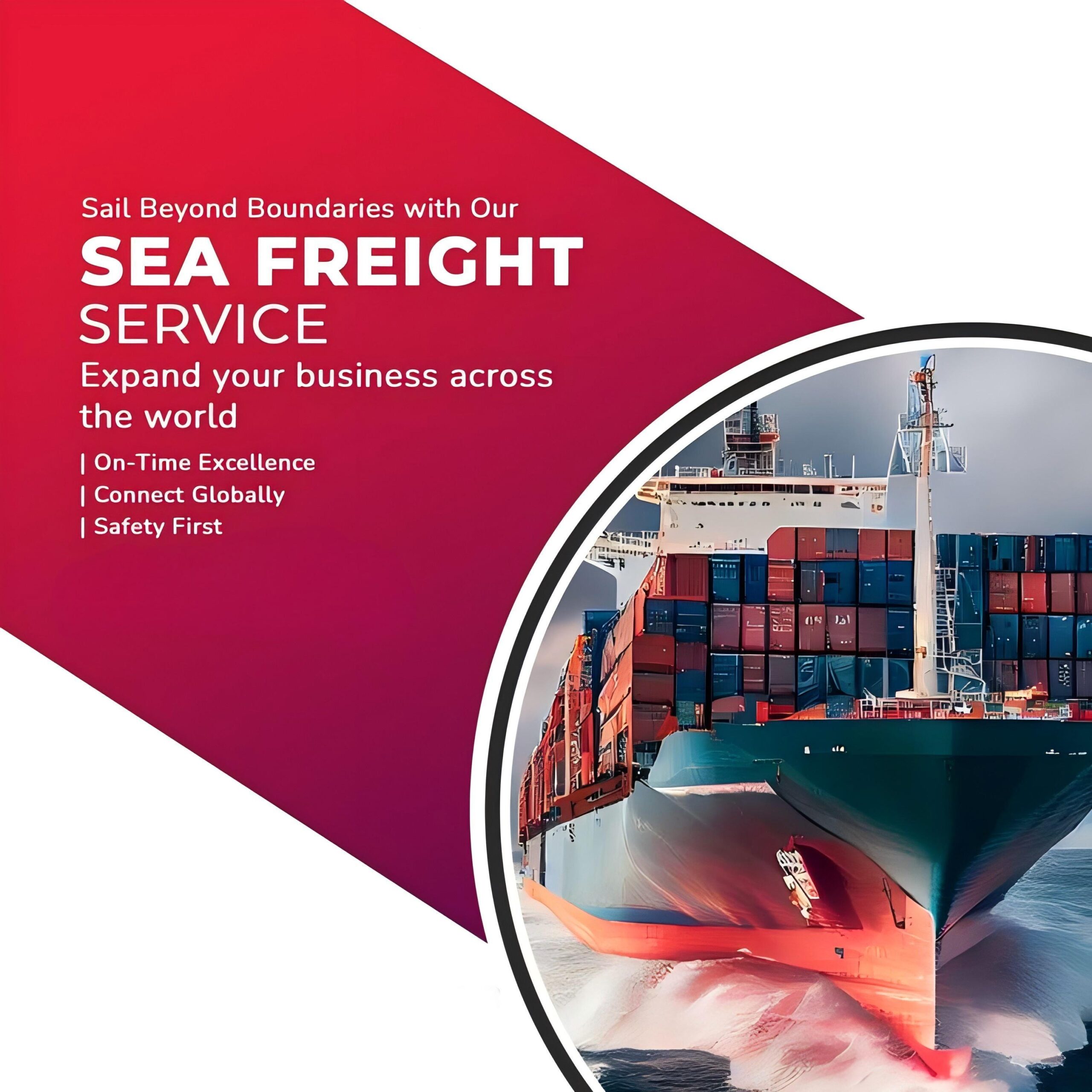
Ready to streamline your logistics?
Ready to streamline your Midwest supply chain? Contact us today to get a customized quote for your China FCL port to port to Illinois shipment and experience professional logistics support. Visit our website to learn more about our comprehensive shipping solutions.
Request Quote