

40GP FCL space availability for electronics from China to Texas: 2025 Guide
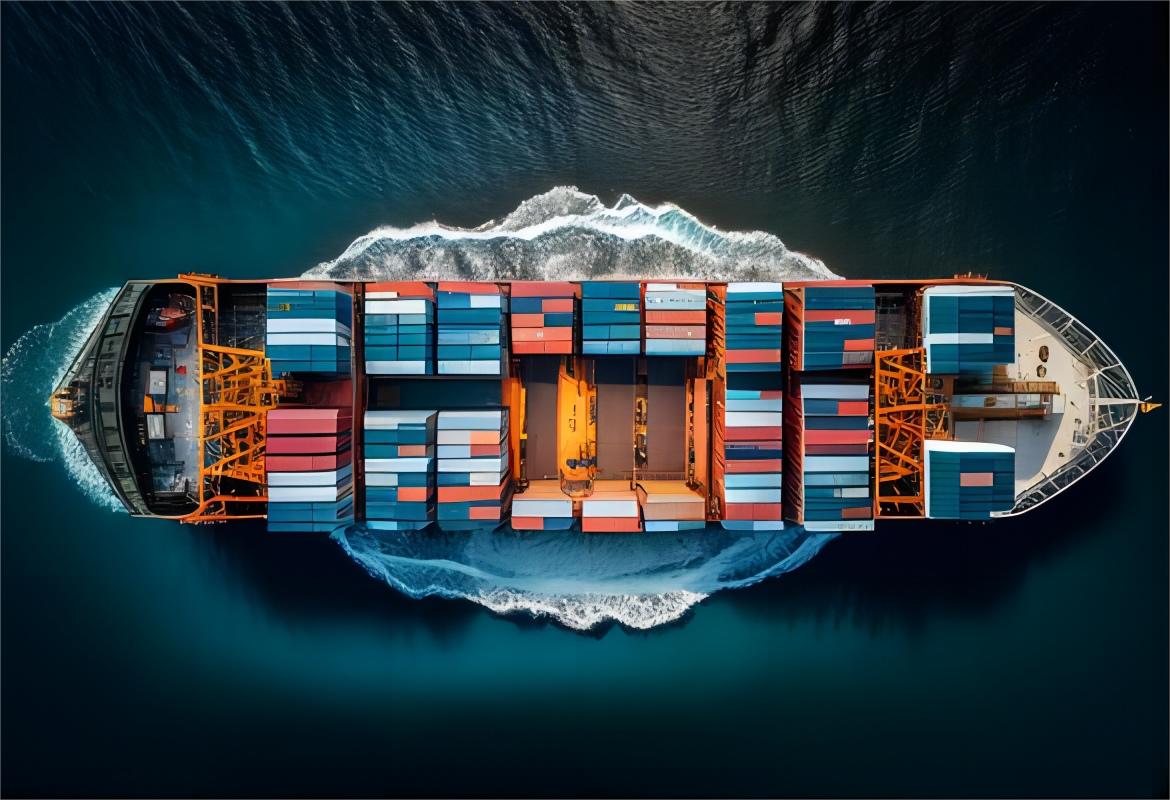
Navigating 40GP FCL space availability for electronics from China to Texas requires a strategic approach to modern logistics. Importers often face challenges with fluctuating container capacity and tight delivery schedules during peak seasons. By partnering with Top China Freight, you can secure reliable routes and competitive rates for your high-value electronics cargo. This guide explores the current market conditions and provides actionable strategies for your supply chain success.
Current Market Trends for 40GP FCL space availability for electronics from China to Texas
Securing 40GP FCL space availability for electronics from China to Texas has become increasingly complex due to shifting global trade patterns. Carriers are currently prioritizing high-demand routes, which often limits the number of available slots for standard 40GP containers. Consequently, electronics manufacturers must book their shipments at least three to four weeks in advance to ensure timely departure from major ports like Shenzhen or Ningbo.
Market data suggests that sea freight capacity remains stable but is highly sensitive to seasonal spikes. For instance, the pre-Lunar New Year rush typically sees a 20 percent reduction in available space. Therefore, staying informed about carrier schedules is essential for maintaining a consistent electronics supply chain.
How Does 40GP FCL Compare to Other Shipping Options?
Choosing the right shipping method depends on your specific budget and urgency requirements. While 40GP containers offer excellent volume for bulk electronics, air freight remains the preferred choice for high-value components or urgent product launches. Furthermore, shippers must weigh the benefits of Full Container Load (FCL) against Less than Container Load (LCL) when dealing with smaller batches.
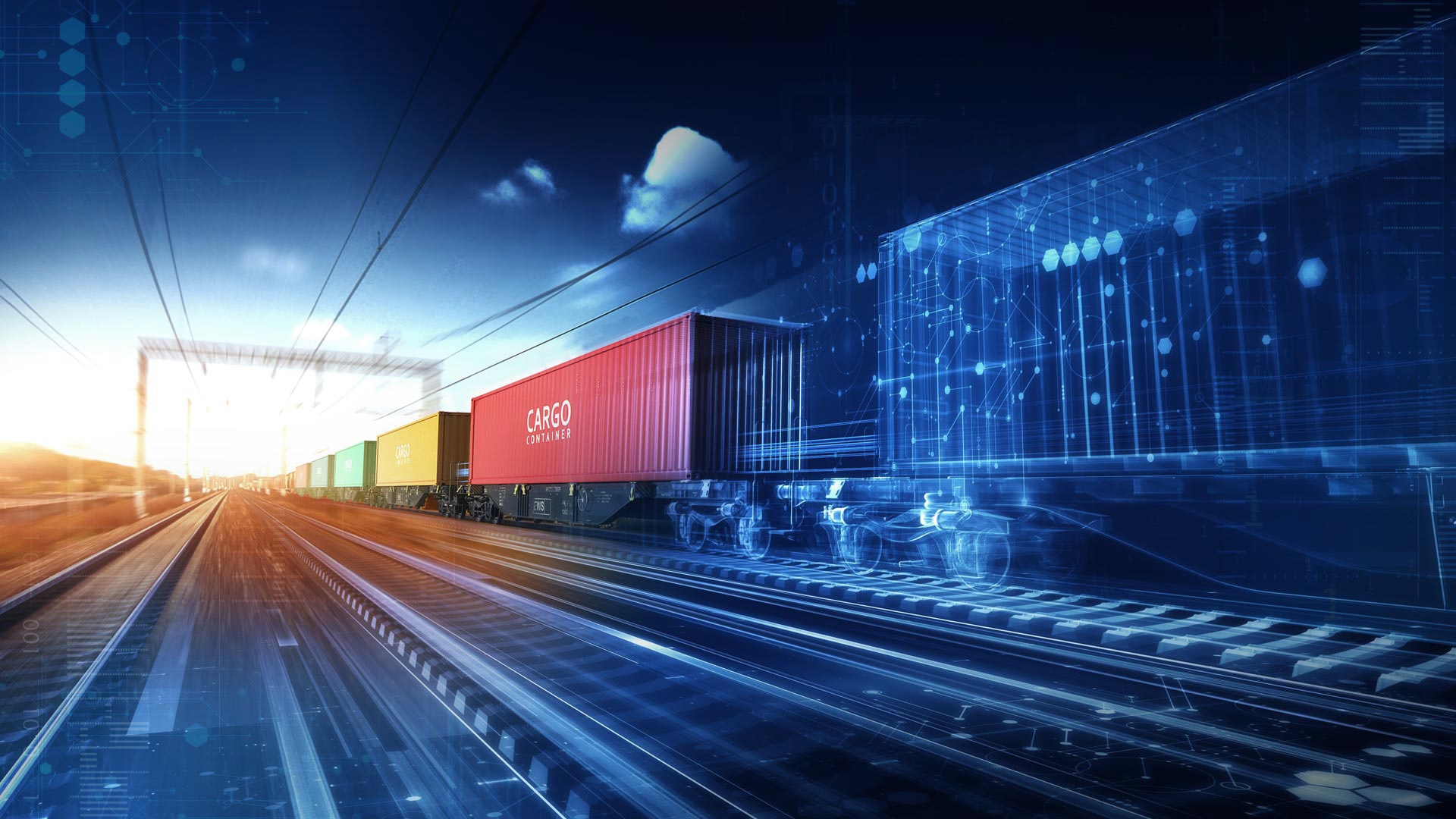
Moreover, intermodal rail solutions from West Coast ports to Texas can sometimes offer a middle ground between cost and speed. However, direct sea routes to Houston provide the most cost-effective solution for large-scale distribution. Consider the following comparison to determine the best fit for your electronics cargo.
| Shipping Method | Cost Range | Transit Time | Best For |
|---|---|---|---|
| 40GP FCL | $3,500 – $5,500 | 22 – 35 Days | Bulk Electronics |
| Air Freight | $12,000 – $25,000 | 3 – 7 Days | Urgent Components |
| LCL Shipping | $80 – $150/CBM | 25 – 40 Days | Small Inventories |
| Sea-Air Hybrid | $7,000 – $10,000 | 12 – 18 Days | Mid-range Urgency |

Key Factors Affecting Shipping Costs and Freight Rates
Several variables influence the overall freight rates for electronics moving from China to Texas. Fuel surcharges, also known as Bunker Adjustment Factors (BAF), fluctuate monthly based on global oil prices. Additionally, peak season surcharges (PSS) can significantly increase the total landed cost during the busy Q3 and Q4 months.
Port congestion in Houston or delays at the Panama Canal also play a critical role in pricing. Specifically, when demand exceeds capacity, carriers may implement General Rate Increases (GRI) to manage the volume. Shippers should monitor these logistics trends closely to avoid unexpected expenses in their import/export operations.
Navigating Customs and Documentation for Texas Imports
Successful electronics importation requires meticulous attention to detail regarding customs brokerage and paperwork. You must ensure that all products comply with FCC regulations and have the necessary safety certifications before they arrive at a Texas port. Furthermore, accurate classification of goods using the Harmonized System (HS) codes is vital to avoid costly penalties.
Documentation such as the Commercial Invoice, Packing List, and Bill of Lading must be error-free to facilitate smooth clearance. In addition, many electronics shipments require a Power of Attorney (POA) for the customs broker to act on your behalf. Consequently, early preparation of these documents can prevent lengthy delays at the border.
| Document Name | Responsibility | Required For | Priority |
|---|---|---|---|
| Bill of Lading | Carrier | Cargo Release | High |
| Commercial Invoice | Supplier | Duty Assessment | Critical |
| Packing List | Supplier | Cargo Inspection | High |
| FCC Form 740 | Importer | Radio Frequency | Critical |
Transit Time Expectations: China to Texas Ports
Estimated delivery schedules vary depending on the specific port of departure and the chosen shipping route. Direct services from Shanghai to Houston typically take between 28 and 32 days. Alternatively, shipping to the Port of Los Angeles and then using rail to reach Dallas can take approximately 20 to 25 days.
Weather conditions and port productivity also impact the total transit time for your electronics. For example, hurricane season in the Gulf of Mexico can occasionally disrupt schedules for ships arriving in Houston. Therefore, building a buffer of five to seven days into your delivery schedule is a prudent logistics strategy.

Case Study 1: High-Volume Smartphone Shipment
Case Study 1: Shenzhen to Houston Electronics Route. Origin: Shenzhen, China. Destination: Houston, Texas. Cargo: Smartphones and accessories, 65 CBM, 15,500 kg. Container: 40GP FCL. Shipping Details: Carrier: COSCO. Port of Loading: Shenzhen. Port of Discharge: Houston. Route Type: Direct via Panama Canal.
Cost Breakdown: Ocean Freight: $3,850. Origin Charges: $450. Destination Charges: $600. Customs and Duties: $1,200. Total Landed Cost: $6,100. Timeline: Booking to Loading: 5 days. Sea Transit: 30 days. Customs Clearance: 2 days. Total Door-to-Door: 42 days. Key Insight: Early booking during the Q3 peak season ensured space availability and locked in a lower rate before a GRI was implemented. Using a door to door service simplified the final mile delivery to the warehouse.
Case Study 2: Urgent Computer Component Delivery
Case Study 2: Shanghai to Dallas Intermodal Route. Origin: Shanghai, China. Destination: Dallas, Texas. Cargo: Computer motherboards, 60 CBM, 12,000 kg. Container: 40GP FCL. Shipping Details: Carrier: Maersk. Port of Loading: Shanghai. Port of Discharge: Long Beach (Rail to Dallas). Route Type: Transshipment intermodal.
Cost Breakdown: Ocean Freight: $3,200. Rail Transport: $1,100. Origin Charges: $400. Destination Charges: $550. Total Landed Cost: $5,250. Timeline: Booking to Loading: 4 days. Sea Transit: 15 days. Rail Transit: 6 days. Customs Clearance: 3 days. Total Door-to-Door: 32 days. Key Insight: Choosing an intermodal route via the West Coast saved 10 days compared to the direct Gulf route, which was essential for meeting a retail launch deadline. This strategy proved effective despite the higher complexity of rail coordination.
Alternative Strategies for Cost-Saving and Efficiency
Implementing alternative strategies can help you manage 40GP FCL space availability for electronics from China to Texas more effectively. One approach involves using transshipment hubs like Busan or Singapore to find more frequent departures. Although this may add a few days to the transit time, it often provides more flexibility when direct slots are full.
Another strategy is to utilize Amazon FBA logistics optimization if you are selling through e-commerce channels. This allows you to leverage established networks and specialized cargo handling for electronics. Additionally, consolidating multiple smaller orders into a single 40GP container can maximize space and reduce the per-unit shipping cost.
Which Option Should You Choose? Decision Framework
Determining the right shipping strategy requires a balance between speed, cost, and reliability. If your primary goal is budget optimization, the direct sea route to Houston is the most logical choice. However, if you need to minimize transit time for high-demand electronics, the intermodal route via California is superior.
Cargo type also influences the decision, as sensitive electronics may require specialized cargo handling or climate-controlled containers. Volume thresholds are another factor; once you exceed 15 CBM, moving from LCL to a 40GP FCL usually becomes more economical. Use the following criteria to guide your final selection.
| Priority | Recommended Option | Trade-off | Volume Threshold |
|---|---|---|---|
| Lowest Cost | Direct Sea to Houston | Longer Transit | Over 20 CBM |
| Fastest Sea | Intermodal via LA | Higher Cost | Over 20 CBM |
| Max Urgency | Air Freight | Very High Cost | Under 5 CBM |
| Small Batches | LCL Shipping | Handling Risk | Under 15 CBM |
Final Thoughts on Electronics Shipping to Texas
Managing 40GP FCL space availability for electronics from China to Texas involves understanding market trends and planning for seasonal fluctuations. By selecting the right port and shipping method, you can significantly improve your supply chain efficiency. Remember to prepare your documentation early and consider intermodal options for faster delivery.
Freight rates and capacity will continue to evolve, so maintaining a relationship with a reliable freight forwarder is essential. Whether you choose direct sea freight or an intermodal solution, focus on total landed cost and transit reliability. Secure your 40GP FCL space availability for electronics from China to Texas today to ensure your products reach the market on time.
Ready to streamline your logistics?
Ready to secure your 40GP FCL space availability for electronics from China to Texas? Contact Top China Freight today for a customized quote and expert logistics support. Visit our website to learn more about our comprehensive shipping solutions. Send Inquiry: https://Top China Freight.com/
Request Quote