

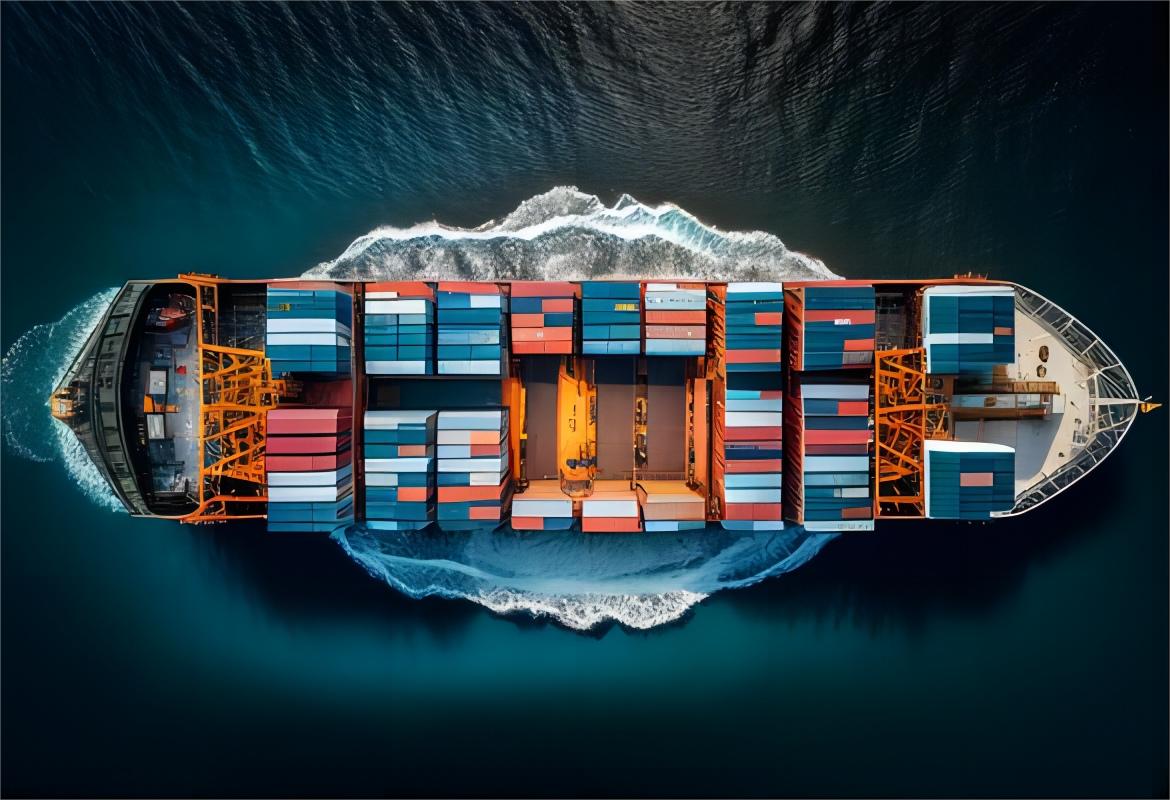
Reefer FCL sailing schedule for medical equipment from China to UK
Managing a reliable Reefer FCL sailing schedule for medical equipment from China to UK is essential for maintaining the integrity of sensitive healthcare products. Shippers must navigate complex logistics requirements to ensure that life-saving devices and diagnostic tools arrive in perfect condition. At Top China Freight, we specialize in providing precise timing and temperature-controlled solutions for the medical industry. Consequently, this guide offers deep insights into optimizing your supply chain for maximum efficiency and safety.
Why the Reefer FCL sailing schedule for medical equipment from China to UK Matters
Medical equipment often requires strict temperature ranges to prevent calibration errors or material degradation during transit. Therefore, understanding the Reefer FCL sailing schedule for medical equipment from China to UK is the first step in risk mitigation.
Delays in the maritime segment can lead to increased costs and potential stockouts for healthcare providers in Britain. Furthermore, precise scheduling allows for better coordination with land-side transport and distribution centers.
Modern reefer containers provide the stable environment necessary for high-value medical assets. Consequently, choosing a direct sailing route minimizes the risks associated with transshipment and cargo handling.

Key Ports and Transit Times for Medical Cold Chain Cargo
Most medical shipments originate from major Chinese industrial hubs like Shanghai, Shenzhen, and Ningbo. These ports offer the most frequent departures and advanced infrastructure for sea freight operations.
Transit times typically range between 30 and 40 days depending on the specific port of call and the carrier’s route. For instance, a direct service from Shanghai to Felixstowe is generally faster than a route with multiple stops in Southeast Asia.
Moreover, the choice of the UK discharge port affects the final delivery timeline significantly. Most importers prefer Felixstowe or Southampton due to their superior handling capabilities for refrigerated containers.
| Origin Port | Destination Port | Average Transit | Frequency |
|---|---|---|---|
| Shanghai | Felixstowe | 32-35 Days | Weekly |
| Shenzhen | Southampton | 30-34 Days | Weekly |
| Ningbo | London Gateway | 35-38 Days | Bi-weekly |
| Qingdao | Liverpool | 38-42 Days | Weekly |
How Does Reefer FCL Compare to Other Shipping Options?
While Reefer FCL is the standard for large volumes of medical goods, alternative methods exist for different business needs. Specifically, air freight offers unmatched speed but comes at a significantly higher price point.
Shipping to Europe and the UK via rail was once a popular middle ground. However, current geopolitical shifts have made sea freight the most stable and cost-effective choice for temperature-controlled goods.
In addition, LCL reefer shipping is rarely available for medical goods due to the risk of cross-contamination and difficulty in maintaining precise temperatures for multiple small shipments. Thus, FCL remains the safest option for medical equipment.
| Method | Cost Range | Transit Time | Best For |
|---|---|---|---|
| Reefer FCL | $3,500 – $5,500 | 30-40 Days | Bulk medical supplies |
| Air Freight | $12,000 – $25,000 | 3-7 Days | Urgent vaccines |
| Rail (Reefer) | $6,000 – $9,000 | 20-25 Days | High-value machinery |
| Sea-Air Hybrid | $8,000 – $12,000 | 15-20 Days | Balanced priority |

Which Option Should You Choose for Your Medical Supply Chain?
Determining the right shipping method depends on your budget, urgency, and the specific sensitivity of the medical equipment. For example, if you are moving large diagnostic machines, the stability of a 40HQ Reefer container is often the best choice.
Budget priority shippers should always opt for sea freight and book at least 4 weeks in advance to secure the best rates. On the other hand, speed-critical shipments like emergency medical parts must utilize air transport despite the cost.
Volume thresholds also play a role in this decision. If your cargo exceeds 15 cubic meters, a full container becomes more economical than any other consolidated sea shipping method.
Essential Documentation for Medical Equipment Imports to the UK
Navigating the regulatory landscape requires meticulous attention to detail and expert customs brokerage services. Indeed, the UK has strict standards for medical devices, including MHRA registration requirements.
The primary documents include the commercial invoice, detailed packing list, and the Bill of Lading. Furthermore, for reefer cargo, you must provide temperature data logs and calibration certificates for the container equipment.
Additionally, a Certificate of Origin and a CE or UKCA mark declaration are vital for clearing customs without delays. Consequently, any error in documentation can result in expensive port storage fees or cargo rejection.
Temperature Control and Monitoring Standards for Medical Goods
Maintaining a consistent cold chain is non-negotiable for medical logistics. Most reefer containers used for China to UK routes feature advanced GPS and real-time temperature monitoring systems.
Moreover, carriers must adhere to Good Distribution Practice (GDP) standards during the entire journey. This ensures that the equipment remains within the specified temperature range, typically 2 to 8 degrees Celsius or 15 to 25 degrees Celsius.
In addition, shippers should request pre-trip inspections (PTI) for every reefer container. This process verifies that the cooling unit is functioning perfectly before the medical equipment is loaded at the factory.
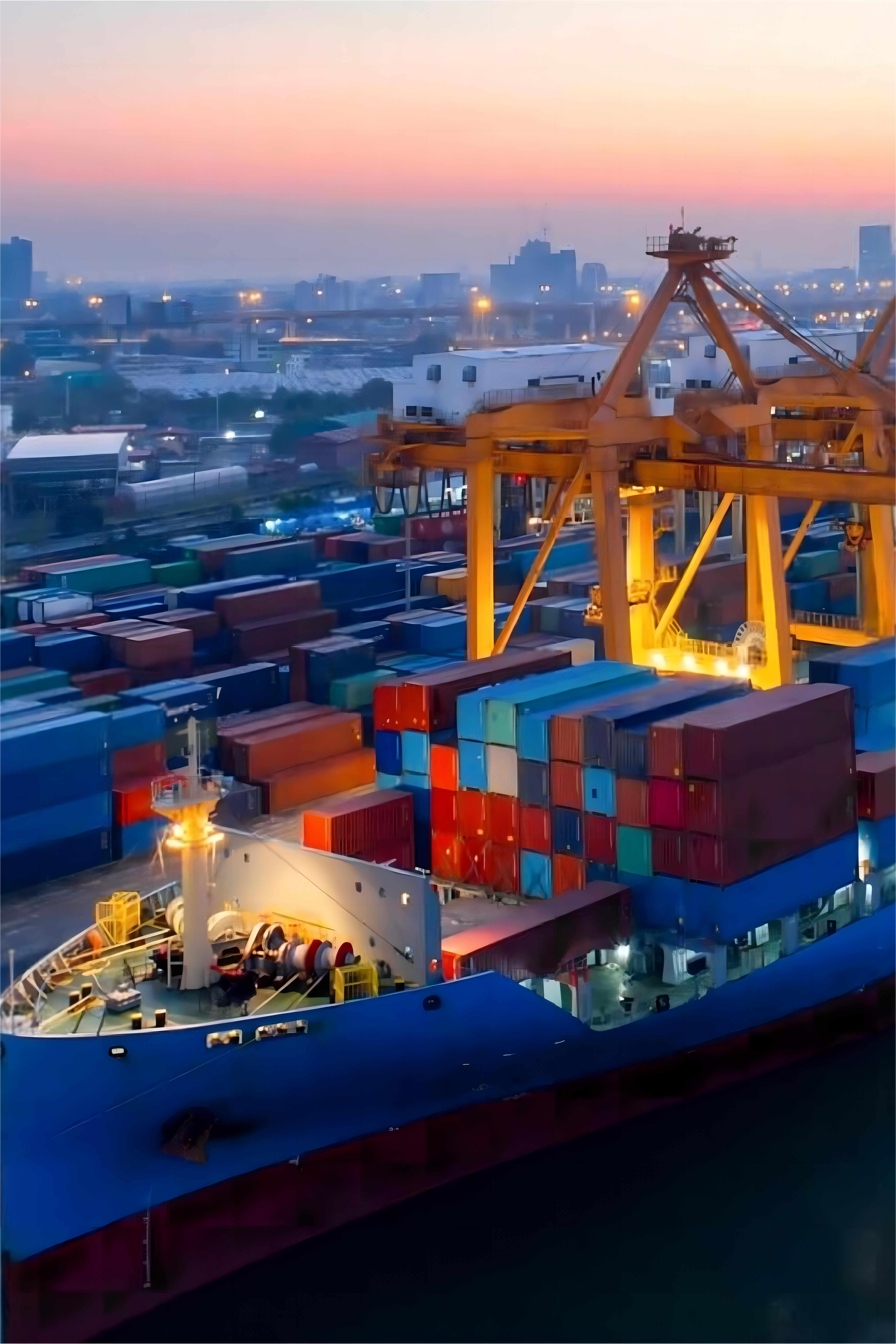
Cost Breakdown: Shipping Reefer Containers from China to the UK
The total landed cost of shipping medical equipment involves several components beyond the ocean freight rate. Typically, ocean freight for a 40HQ reefer ranges from $3,500 to $5,500 depending on the season.
Origin charges include terminal handling, documentation fees, and trucking from the factory to the port. Meanwhile, destination charges in the UK include port dues, customs clearance, and final door to door delivery.
Note: Freight rates are subject to change based on fuel costs, carrier capacity, and seasonal demand. Contact us for a current quote tailored to your specific shipment.
Real-World Case Studies: China to UK Medical Logistics
Case Study 1: Diagnostic Imaging Equipment Delivery. Route: Shanghai to Felixstowe. Cargo: MRI components, 28 CBM. Container: 40HQ Reefer. Shipping Details: Direct carrier service with 35 days sea transit. Ocean Freight: $4,200. Origin Charges: $450. Destination Charges: $600. Total Landed Cost: $5,250. Timeline: 42 days total door-to-door. Key Insight: Early booking during the Q3 peak season saved the client 15% on freight costs.
Case Study 2: Laboratory Reagents Transport. Route: Shenzhen to Southampton. Cargo: Medical reagents, 12 CBM. Container: 20GP Reefer. Shipping Details: Transshipment via Singapore. Ocean Freight: $2,900. Origin Charges: $380. Destination Charges: $550. Total Landed Cost: $3,830. Timeline: 45 days total door-to-door. Key Insight: Real-time temperature monitoring prevented a total loss during a 3-day transshipment delay.
Mastering Your Medical Cold Chain
To summarize, successfully managing a Reefer FCL sailing schedule for medical equipment from China to UK requires a blend of precise timing, regulatory knowledge, and robust technology. By choosing the right port and carrier, you can ensure your medical supplies remain safe and compliant throughout their long journey.
Furthermore, working with an experienced logistics partner helps mitigate risks associated with customs and equipment failure. Ultimately, a well-planned shipping strategy is the backbone of a resilient healthcare supply chain.
Ready to streamline your logistics?
Ensure your sensitive medical cargo arrives safely and on time. Contact our expert team today to receive a customized Reefer FCL sailing schedule for medical equipment from China to UK and a competitive freight quote. Visit our inquiry page to get started.
Request Quote