

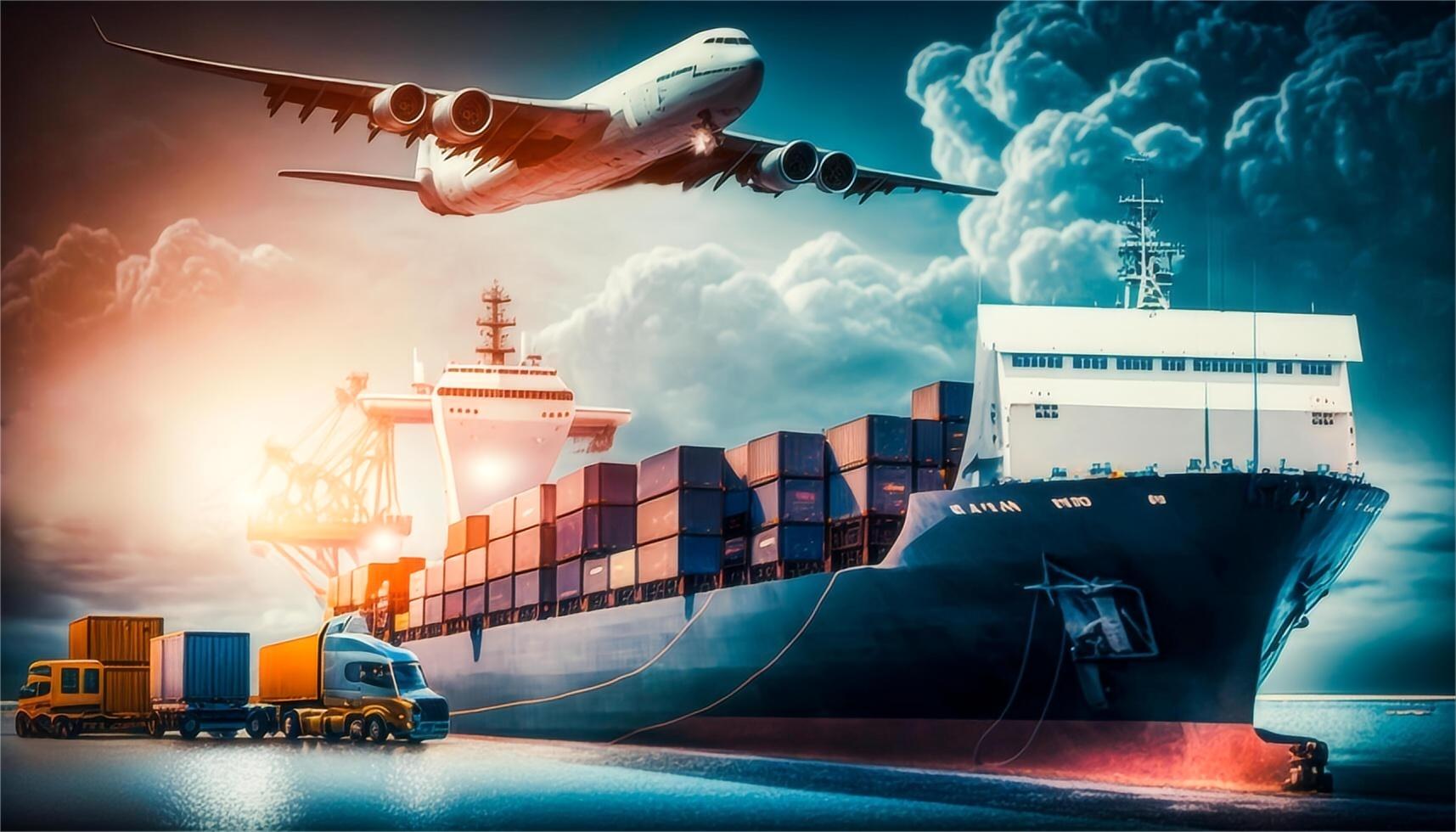
40HQ FCL Demurrage Prevention for Electronics from China to Norway
Implementing effective 40HQ FCL demurrage prevention for electronics from China to Norway is crucial for modern importers who want to protect their profit margins. Many businesses struggle with unexpected storage fees when high-value electronic goods sit at the port longer than the allotted free time. By choosing to work with Top China Freight, you can streamline your logistics processes and ensure that your containers move swiftly from the vessel to your warehouse without incurring unnecessary penalties.

Understanding the Impact of Demurrage on Electronics Imports
Demurrage refers to the charges that a shipping line applies when a container remains inside the terminal beyond the agreed free time. For electronics shipments, these costs can escalate rapidly because the cargo is often high-value and sensitive to environmental conditions. Consequently, failing to plan for 40HQ FCL demurrage prevention for electronics from China to Norway can lead to thousands of dollars in avoidable expenses.
Moreover, the complexity of Norwegian customs regulations for electronic goods often adds to the delay. If your paperwork is not in order, the container will sit idle while authorities verify compliance with safety and environmental standards. Therefore, understanding the specific timeline of your carrier is the first step toward effective cost management.
In addition, the high demand for consumer electronics means that any delay in the supply chain directly affects your ability to meet customer expectations. Meanwhile, the financial burden of demurrage fees can eat into the narrow margins typical of the tech industry. For instance, a few days of delay at the Port of Oslo can negate the savings you achieved by negotiating lower ocean freight rates.
How Does Sea Freight Compare to Other Shipping Options?
When planning your logistics strategy, it is vital to weigh the benefits of sea freight against other available modes of transport. While sea freight offers the lowest cost per unit for large volumes, it also carries the highest risk of demurrage if not managed correctly. On the other hand, air freight is significantly faster but comes with a much higher price tag.
Furthermore, the decision between FCL and LCL depends largely on your total volume and urgency. For electronics, a 40HQ container provides the best protection and security, as the goods are not handled multiple times during transit. Nevertheless, you must ensure that your destination warehouse is ready to receive the full container immediately upon its release from the port.
As a result of current market conditions in early 2025, many importers are looking at hybrid solutions to balance speed and cost. However, for bulk electronics, the 40HQ sea container remains the industry standard for efficiency. Below is a detailed comparison of the primary shipping methods available for this route.
| Shipping Method | Cost Range (40HQ) | Transit Time | Best For |
|---|---|---|---|
| Sea Freight | $3,200 – $4,500 | 35-45 Days | Bulk Electronics |
| Rail Freight | $5,500 – $7,000 | 18-22 Days | Mid-range Urgency |
| Air Freight | $15,000+ | 5-8 Days | High-value Prototypes |
| Sea-Air Hybrid | $8,000 – $10,000 | 15-20 Days | Urgent Stock Refills |

Why 40HQ FCL Demurrage Prevention for Electronics from China to Norway is Critical
Electronics are often subject to strict import duties and technical inspections in Norway. If these inspections take longer than expected, your container will quickly exceed its free time at the terminal. Consequently, proactive 40HQ FCL demurrage prevention for electronics from China to Norway involves coordinating with your customs broker well before the ship docks.
Additionally, the sheer size of a 40HQ container means that inland transportation must be booked in advance. In Norway, specialized trucking services for high-cube containers can be limited during peak seasons. Therefore, failing to secure a haulier early can result in the container being stuck at the port, leading to heavy detention and demurrage fees.
Specifically, lithium battery regulations require precise documentation to avoid safety holds. If the MSDS or UN38.3 certificates are missing, Norwegian customs will stop the shipment immediately. Indeed, this is one of the most common causes of delays that lead to excessive port charges for electronics importers.
Strategic Use of Rail Freight as an Alternative
While sea freight is the primary focus, many savvy importers are utilizing rail freight to bypass traditional port congestion. Rail transport from China to Europe has become a reliable middle ground for electronics that need to arrive faster than sea freight allows. Moreover, rail terminals often have different free-time structures than sea ports, which can provide more flexibility.
However, rail freight is not always available for all types of electronics, especially those with large battery packs. You must verify with your logistics provider if your specific cargo meets the safety requirements for rail transit. Nevertheless, for standard consumer electronics, rail offers a significant reduction in transit time while maintaining a manageable cost structure.
In addition, the delivery schedule for rail is often more consistent than sea freight, which can be affected by weather or canal disruptions. Consequently, rail can be an excellent component of a diversified supply chain strategy. This approach helps in reducing the overall risk of your entire inventory being stuck at a single port of entry.
Customs Brokerage and Documentation Checklist
Successful 40HQ FCL demurrage prevention for electronics from China to Norway relies heavily on accurate customs brokerage services. Inaccurate descriptions or incorrect HS codes can trigger manual inspections that last for weeks. Therefore, it is essential to provide all necessary documents to your broker at least 7 days before the vessel arrives.
Furthermore, Norway is not a member of the EU but is part of the EEA, meaning it has unique VAT and customs requirements. You must ensure that your EORI number is active and that your commercial invoice clearly states the terms of sale. Specifically, for electronics, ensure that CE marking documentation is readily available for the Norwegian Directorate for Civil Protection.
As a result, having a checklist is the best way to ensure nothing is missed during the frantic shipping process. Industry average for this route suggests that 40% of delays are caused by documentation errors. Below is a checklist of the essential documents required for a smooth customs clearance process in Norway.
| Document Name | Required For | Source | Criticality |
|---|---|---|---|
| Commercial Invoice | Valuation/Duties | Supplier | High |
| Packing List | Cargo Verification | Supplier | High |
| Bill of Lading | Title Transfer | Carrier | High |
| MSDS/UN38.3 | Battery Safety | Manufacturer | Essential |
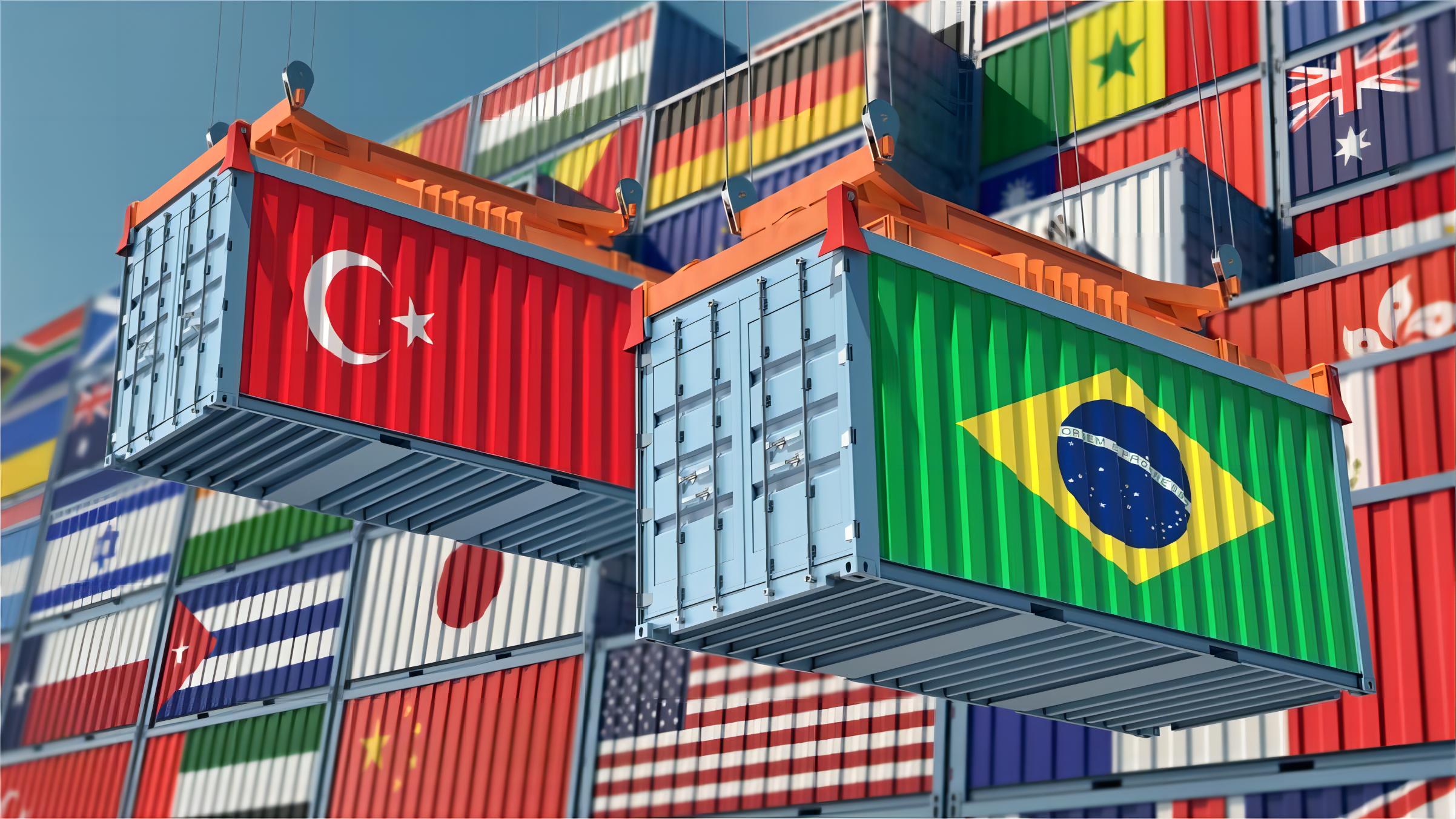
Real-World Case Studies: Demurrage Prevention in Action
To illustrate the importance of planning, let us look at two different scenarios involving electronics shipments. These examples highlight how the right strategy can save thousands in landed costs. Based on Q3 2024 market rates, these cases reflect the reality of shipping from major Chinese hubs to Norwegian ports.
In the first case, a company focused on early documentation and pre-clearing, resulting in zero demurrage fees. In contrast, the second case shows how a small oversight in trucking coordination led to significant costs. These insights are invaluable for any business looking to optimize their logistics trends for the coming year.
Note: Freight rates are subject to change based on fuel costs, carrier capacity, and seasonal demand. Contact us for a current quote tailored to your specific shipment.
Case Study 1: Seamless Shenzhen to Oslo Delivery
Route: Shenzhen, China to Oslo, Norway
Cargo: Consumer Laptops, 65 CBM, 12,000 kg
Container: 40HQ FCL
Shipping Details:
– Carrier: COSCO
– Port of Loading: Shenzhen
– Port of Discharge: Oslo
– Route Type: Direct via Hamburg transshipment
Cost Breakdown:
– Ocean Freight: $3,400
– Origin Charges: $450
– Destination Charges: $600
– Customs Duties: $2,200
– Total Landed Cost: $6,650
Timeline:
– Booking to Loading: 4 days
– Sea Transit: 36 days
– Customs Clearance: 1 day
– Total Door-to-Door: 42 days
Key Insight: Pre-filing customs documents allowed for immediate release upon arrival, avoiding 5 days of potential demurrage.
Case Study 2: Delayed Ningbo to Bergen Shipment
Route: Ningbo, China to Bergen, Norway
Cargo: LED Display Panels, 68 CBM, 15,000 kg
Container: 40HQ FCL
Shipping Details:
– Carrier: Maersk
– Port of Loading: Ningbo
– Port of Discharge: Bergen
– Route Type: Transshipment via Rotterdam
Cost Breakdown:
– Ocean Freight: $3,800
– Demurrage Fees (4 days): $800
– Origin/Destination Charges: $1,100
– Customs Duties: $3,000
– Total Landed Cost: $8,700
Timeline:
– Booking to Loading: 6 days
– Sea Transit: 40 days
– Customs Clearance: 5 days (Hold for inspection)
– Total Door-to-Door: 53 days
Key Insight: A missing safety certificate for the power units caused a 4-day customs hold, leading to $800 in demurrage fees.
Which Option Should You Choose? Decision Framework
Choosing the right shipping method requires a balance between your budget and your delivery schedule. If you are shipping high-margin electronics that need to hit the shelves for a specific launch date, speed is your priority. However, for steady-state inventory, 40HQ FCL via sea freight is almost always the most economical choice.
Moreover, you should consider a door to door service to minimize the number of parties involved in your shipment. This reduces the risk of communication breakdowns that often lead to containers being forgotten at the port. Additionally, a single point of contact can provide better visibility throughout the entire transit process.
According to industry benchmarks, companies that use integrated logistics providers see a 25% reduction in detention and demurrage costs. Therefore, if your volume exceeds 10 containers per month, the complexity of managing individual vendors becomes a liability. In contrast, smaller importers may benefit from the flexibility of LCL if they cannot fill a 40HQ container.
| Priority | Recommended Method | Volume Threshold | Key Benefit |
|---|---|---|---|
| Budget | Sea Freight FCL | > 15 CBM | Lowest Unit Cost |
| Speed | Air Freight | < 500 kg | Fastest Delivery |
| Reliability | Rail Freight | Any FCL | Stable Schedule |
| Convenience | Door to Door | Any | Minimal Effort |
Maximizing Efficiency for Electronics Shipping to Europe
Shipping to Europe, specifically Norway, requires a deep understanding of the local infrastructure. Norwegian ports like Oslo, Kristiansand, and Bergen are highly efficient but have limited space compared to major hubs like Rotterdam. Consequently, the free-time window for containers is often shorter than what you might find in larger European ports.
Furthermore, the mountainous terrain of Norway can affect the final delivery leg. Heavy 40HQ containers require powerful trucks and experienced drivers, especially during the winter months. Therefore, your logistics plan must account for seasonal weather patterns that could delay the return of empty containers to the port.
Additionally, always negotiate for extended free time at the destination when booking your ocean freight. Many carriers are willing to offer 10 to 14 days of free time if requested during the quoting stage. Indeed, this simple negotiation step is one of the most effective methods for 40HQ FCL demurrage prevention for electronics from China to Norway.
Summary of Demurrage Prevention Strategies
In conclusion, mastering 40HQ FCL demurrage prevention for electronics from China to Norway is a multi-faceted process that requires diligent planning and expert execution. By focusing on accurate documentation, early communication with customs brokers, and selecting the right transport mode, you can significantly reduce your logistics overhead. Transitioning to a more proactive supply chain model not only saves money but also enhances your reputation with Norwegian customers.
Furthermore, remember that the shipping landscape is constantly evolving with new logistics trends and regulatory changes. Staying informed and partnering with a reliable freight forwarder like Top China Freight will ensure your electronics business remains competitive in the Norwegian market. Start implementing these strategies now to safeguard your future shipments from costly port delays.
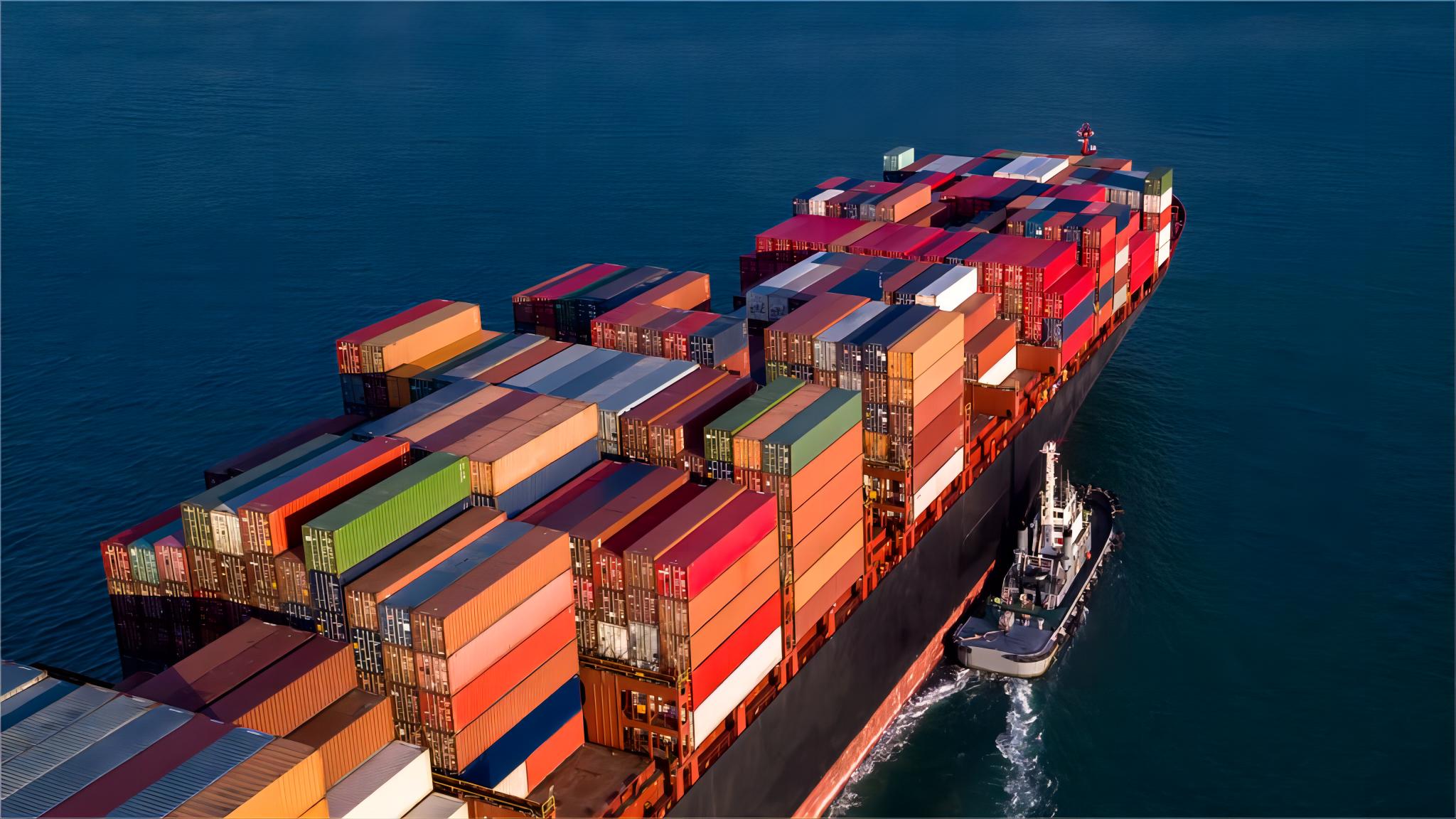
Ready to streamline your logistics?
Protect your electronics shipments from unnecessary costs today. Contact our team for expert 40HQ FCL demurrage prevention for electronics from China to Norway and get a customized quote for your next shipment. Send Inquiry:
Request Quote