China FCL Port to Port to New York: The Definitive 2025 Shipping Guide
Navigating the complexities of international trade requires a robust logistics strategy, especially when moving large volumes across the ocean. For businesses seeking reliable Top China Freight services, mastering the China FCL port to port to New York route is a critical step toward operational efficiency. This comprehensive guide details the costs, timelines, and strategies necessary to manage your container shipments effectively in the current market.
What is China FCL Port to Port to New York Shipping?
Full Container Load (FCL) shipping represents the gold standard for businesses importing large quantities of goods from Chinese manufacturing hubs to the United States. Unlike Less than Container Load (LCL) shipments, FCL provides the importer with exclusive use of a 20-foot or 40-foot container. This exclusivity minimizes the risk of damage and significantly reduces the time spent on consolidation and deconsolidation at the ports.
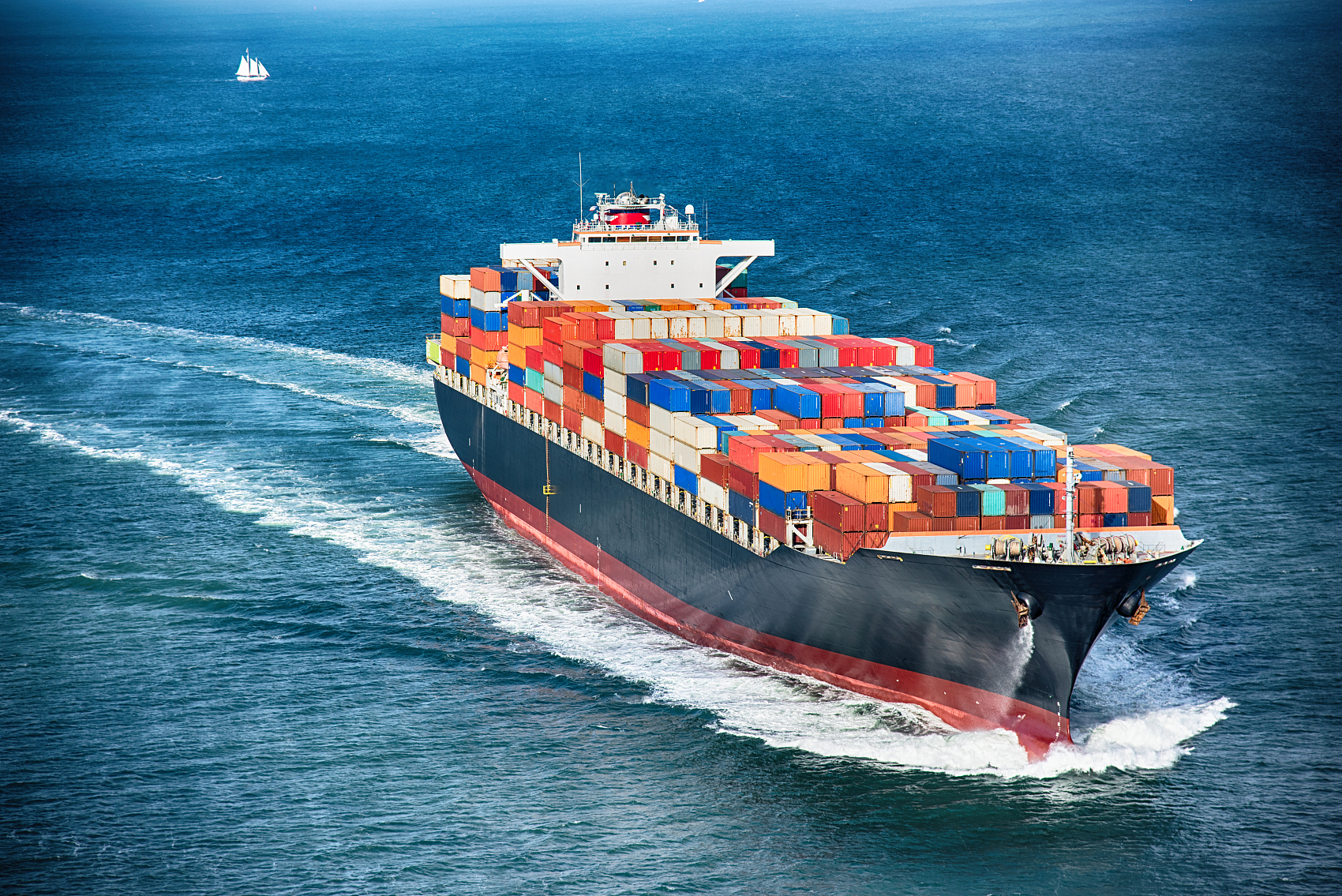
Choosing sea freight for your port to port needs ensures that your cargo moves directly from a major Chinese gateway to the Port of New York and New Jersey. This service level typically excludes inland trucking, focusing entirely on the maritime segment of the supply chain. Consequently, it offers a cost-effective solution for companies that have their own drayage arrangements or operate near the destination port.
Moreover, the China FCL port to port to New York lane is one of the busiest maritime corridors in the world. This high volume translates to frequent sailings and competitive pricing from major global carriers. Therefore, understanding the nuances of this route is essential for any importer looking to maintain a lean and responsive inventory system.

How Much Does China FCL Port to Port to New York Cost in 2025?
Freight rates for the China to New York route are influenced by a variety of factors, including fuel surcharges, seasonal demand, and global economic conditions. As of early 2025, market rates have stabilized following previous disruptions, though they remain sensitive to geopolitical shifts. Specifically, the journey to the US East Coast is more expensive than West Coast routes due to the additional distance and Panama or Suez Canal transit fees.
Additionally, businesses must account for origin charges such as Terminal Handling Charges (THC) and documentation fees. These costs are often overlooked but can add several hundred dollars to the total landed cost. Meanwhile, destination charges at the Port of New York must also be factored into the final budget to avoid unexpected financial strain.
Note: Freight rates are subject to change based on fuel costs, carrier capacity, and seasonal demand. Contact us for a current quote tailored to your specific shipment.
| Container Type | Typical Cost Range | Average Transit Time | Best Cargo Volume |
|---|---|---|---|
| 20GP Container | $2,500 – $3,500 | 30 – 35 Days | Under 28 CBM |
| 40GP Container | $4,000 – $5,500 | 32 – 38 Days | 30 – 55 CBM |
| 40HQ Container | $4,500 – $6,000 | 32 – 38 Days | Over 60 CBM |
How Does FCL Compare to Other Shipping Options?
While FCL is highly efficient for large volumes, it is not the only option available for the China to New York route. For instance, smaller shipments might benefit more from LCL services, though the price per cubic meter is usually higher. In contrast, air freight offers unmatched speed but at a cost that is often ten times higher than ocean transport.
Implementing a door to door strategy might be more suitable for companies without dedicated logistics teams. This comprehensive service handles everything from the factory floor in China to the final warehouse in New York. However, the port to port model remains the preferred choice for experienced importers who want maximum control over their shipping costs and carrier selection.
Furthermore, hybrid solutions like sea-air combinations are gaining popularity for time-sensitive cargo that cannot justify the full expense of air freight. These alternatives provide a middle ground in terms of both cost and transit time. Nevertheless, for the majority of bulk consumer goods and industrial components, FCL remains the most reliable and scalable logistics method.
| Shipping Method | Cost Level | Transit Time | Ideal For |
|---|---|---|---|
| FCL Sea Freight | Low | 30-40 Days | Bulk Inventory |
| LCL Sea Freight | Moderate | 35-45 Days | Small Shipments |
| Air Freight | High | 5-10 Days | High-Value Goods |
| Express Service | Very High | 3-5 Days | Urgent Samples |
Which Routes and Ports are Best for New York Deliveries?
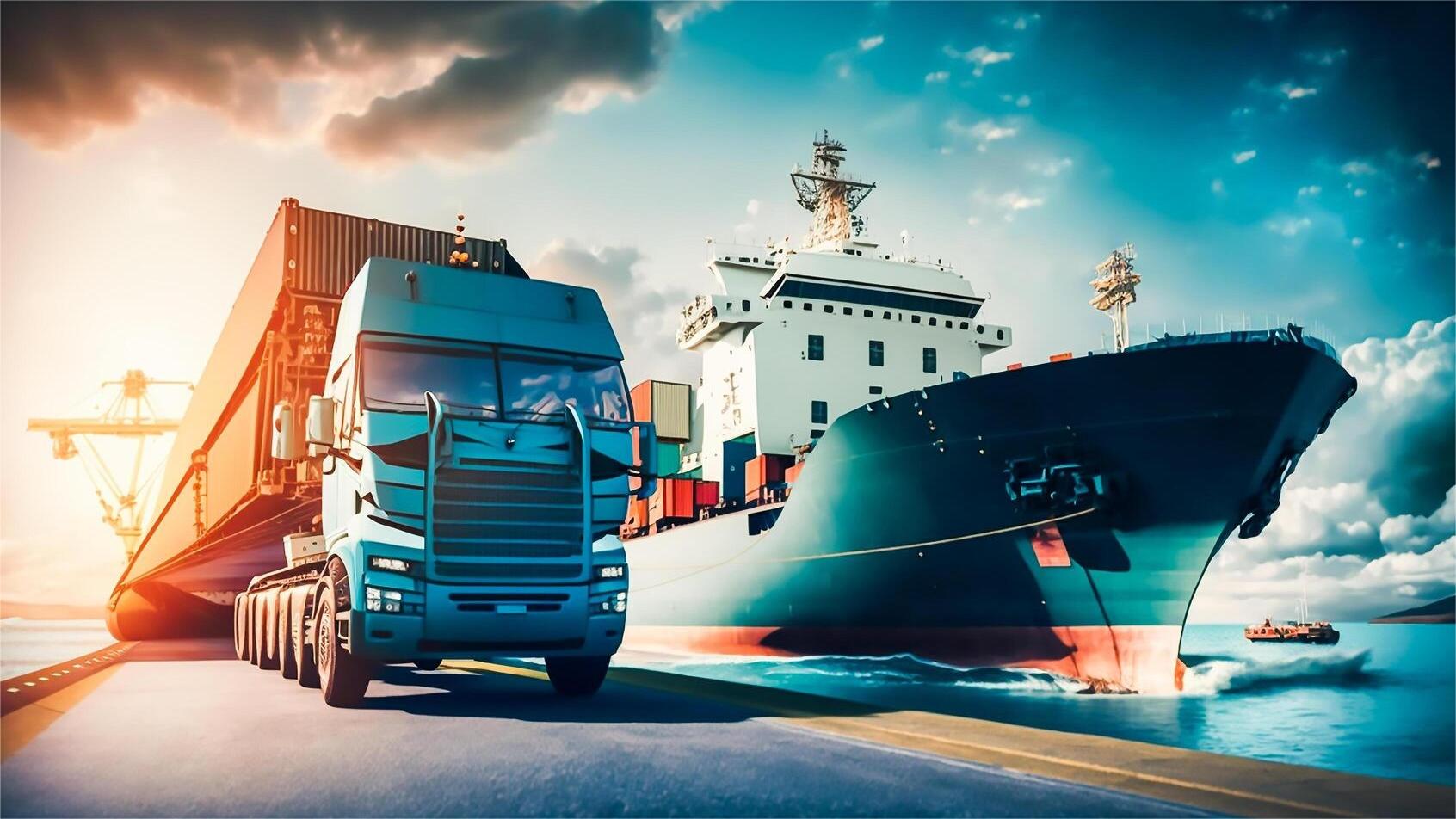
Shipping from China to the US East Coast generally involves two primary paths: the Panama Canal route or the Suez Canal route. Most shipments originating from Northern China, such as Shanghai or Ningbo, prefer the Panama Canal for its directness. Conversely, shipments from Southern China hubs like Shenzhen may occasionally utilize the Suez Canal depending on carrier schedules and canal congestion levels.
Major departure ports in China offer varying levels of efficiency and infrastructure. Shanghai remains the world’s busiest container port, providing the most frequent sailings to the North America region. Meanwhile, Ningbo-Zhoushan is a powerful alternative, often offering slightly lower origin charges for specific types of heavy cargo.
Selecting the right origin port depends on where your supplier is located within China. For example, a factory in the Pearl River Delta should ideally ship via Shenzhen or Guangzhou to minimize inland transit costs. Consequently, coordinating the origin port with your supplier’s location is a vital step in optimizing the overall China FCL port to port to New York logistics chain.
What Documents Are Required for China to New York FCL?
Proper documentation is the backbone of successful international shipping and customs compliance. Missing or incorrect paperwork can lead to significant delays at the Port of New York, resulting in costly demurrage and detention fees. Therefore, working with an experienced customs brokerage professional is highly recommended for first-time and veteran importers alike.
The primary document for any ocean shipment is the Bill of Lading (B/L), which serves as both a receipt for goods and a contract of carriage. Additionally, the Commercial Invoice and Packing List must accurately detail the value, weight, and description of the cargo. Without these documents, U.S. Customs and Border Protection (CBP) will not permit the entry of your goods into the country.
Furthermore, specific products may require additional certifications, such as FDA approval for food-related items or EPA clearances for certain electronics. Indeed, staying ahead of these regulatory requirements ensures a smooth transition from the ocean vessel to the New York terminal. Always verify the latest import regulations to ensure your documentation package is complete and accurate.
| Document Name | Primary Purpose | Issuer | Required Stage |
|---|---|---|---|
| Bill of Lading | Title to Goods | Carrier | Port Discharge |
| Commercial Invoice | Duty Assessment | Shipper | Customs Entry |
| Packing List | Cargo Verification | Shipper | Inspection |
| ISF (10+2) | Security Filing | Importer | 24hrs Pre-Loading |
How to Optimize Your Shipping Strategy for the US East Coast?
Efficiency in the China FCL port to port to New York lane requires proactive planning and market awareness. One effective strategy is to book your container space at least three to four weeks in advance of the desired sailing date. This approach helps secure better rates and ensures equipment availability, especially during the peak shipping season from August to October.
For businesses selling on digital platforms, integrating Amazon FBA logistics into your FCL strategy can streamline the entire process. By shipping full containers directly to New York ports, you can then arrange for rapid drayage to regional fulfillment centers. This method reduces the number of touchpoints and minimizes the potential for handling errors.
Additionally, consider the benefits of using an Annual Volume Contract if your shipping volume is consistent. These contracts provide price stability and priority loading during times of high demand. Moreover, diversifying your carrier mix can protect your supply chain from localized port strikes or specific carrier service disruptions. Ultimately, a flexible yet well-planned strategy is the key to managing New York imports successfully.
Real-World Case Studies: China to New York FCL
Case Study 1: Electronics from Shenzhen to New York. Route: Shenzhen, China to New York, USA. Cargo: Consumer Electronics, 65 CBM, 15,000 kg. Container: 40HQ. Shipping Details: Carrier: Major carrier, Port of Loading: Yantian, Port of Discharge: New York, Route Type: Direct via Panama Canal. Cost Breakdown: Ocean Freight: $5,200, Origin Charges: $450, Destination Charges: $600, Customs and Duties: $1,200, Total Landed Cost: $7,450. Timeline: Booking to Loading: 5 days, Sea Transit: 34 days, Customs Clearance: 3 days, Total Door-to-Door: 42 days. Key Insight: Utilizing a 40HQ instead of two 20GPs saved the client over $1,800 in total freight costs.
Case Study 2: Textiles from Ningbo to New York. Route: Ningbo, China to New York, USA. Cargo: Finished Textiles, 25 CBM, 8,000 kg. Container: 20GP. Shipping Details: Carrier: COSCO, Port of Loading: Ningbo, Port of Discharge: New York, Route Type: Direct. Cost Breakdown: Ocean Freight: $3,100, Origin Charges: $380, Destination Charges: $550, Customs and Duties: $900, Total Landed Cost: $4,930. Timeline: Booking to Loading: 7 days, Sea Transit: 32 days, Customs Clearance: 2 days, Total Door-to-Door: 41 days. Key Insight: Shipping during the off-peak month of March resulted in a 15 percent reduction in ocean freight rates compared to the Q4 peak season.
What Factors Impact China FCL Port to Port to New York Transit Times?
Transit times for ocean freight are rarely set in stone and can be affected by numerous variables. Weather conditions in the Pacific or Atlantic Oceans can cause delays of several days as vessels slow down for safety. Furthermore, congestion at the Panama Canal has become a more frequent issue in recent years due to fluctuating water levels, sometimes forcing ships to take longer alternative routes.
Port productivity at both the origin and destination also plays a significant role in the overall schedule. While Chinese ports are known for their extreme efficiency, the Port of New York and New Jersey can occasionally experience bottlenecks during peak seasons. Consequently, it is wise to build a buffer of at least five to seven days into your supply chain planning to account for these potential setbacks.
Indeed, the choice of carrier can also influence the speed of delivery. Some carriers offer premium direct services with fewer intermediate stops, while others provide slower, more economical routes with multiple transshipment points. Understanding these differences allows you to choose a service that aligns with your specific inventory needs and customer expectations.
Which Option Should You Choose? A Decision Framework
Deciding on the best shipping method requires a careful analysis of your budget, timeline, and cargo characteristics. If your primary goal is cost reduction and you have a volume of at least 15 to 20 cubic meters, FCL is almost certainly the best choice. This method offers the lowest cost per unit and the highest level of cargo security for your New York bound goods.
However, if speed is your absolute priority and the cargo is high-value or perishable, air freight remains the necessary alternative despite the high cost. For businesses that fall in the middle, LCL might be suitable for smaller test shipments, but the complexity of port handling in New York often makes FCL more attractive once volumes grow. Specifically, once you reach about 60 percent of a container’s capacity, paying for the full container often becomes cheaper than paying for LCL space.
To summarize, the China FCL port to port to New York route is the backbone of US-China trade for a reason. It provides a scalable, predictable, and cost-effective way to move goods across the globe. By following the strategies outlined in this guide, you can navigate the complexities of 2025 shipping with confidence and precision.
Success with China FCL Port to Port to New York Shipping
Mastering the China FCL port to port to New York route is a vital skill for any modern importer. By understanding the cost drivers, documentation requirements, and transit time variables, you can significantly improve your supply chain efficiency. Remember to plan ahead, choose the right container size, and stay informed about market trends to ensure your goods arrive safely and on budget.
As we move through 2025, the demand for reliable ocean freight remains high. Whether you are shipping electronics, textiles, or industrial machinery, the FCL model offers the stability and economy of scale needed to thrive in a competitive market. Start optimizing your New York logistics today to secure your place in the global trade landscape.
Ready to streamline your logistics?
Ready to streamline your East Coast imports? Contact our expert team today to receive a competitive quote for your China FCL port to port to New York shipment and experience hassle-free logistics tailored to your business needs.
Request Quote