

Reefer FCL demurrage prevention for textiles from China to Seattle: 2025 Guide
Managing Reefer FCL demurrage prevention for textiles from China to Seattle is a vital task for any serious textile importer. High costs and port congestion in the Pacific Northwest often lead to unexpected expenses that significantly reduce profit margins. By partnering with Top China Freight, you can streamline your supply chain and ensure your temperature-sensitive textile products arrive without expensive delays. This guide provides actionable strategies to navigate the complexities of refrigerated container shipping.

Understanding Reefer FCL demurrage prevention for textiles from China to Seattle
Demurrage fees occur when a container remains inside the terminal beyond the allotted free time. For refrigerated containers, these daily charges are much higher than standard dry containers because of the power requirements and specialized handling involved. Consequently, importers must prioritize quick movement to keep their supply chain efficient.
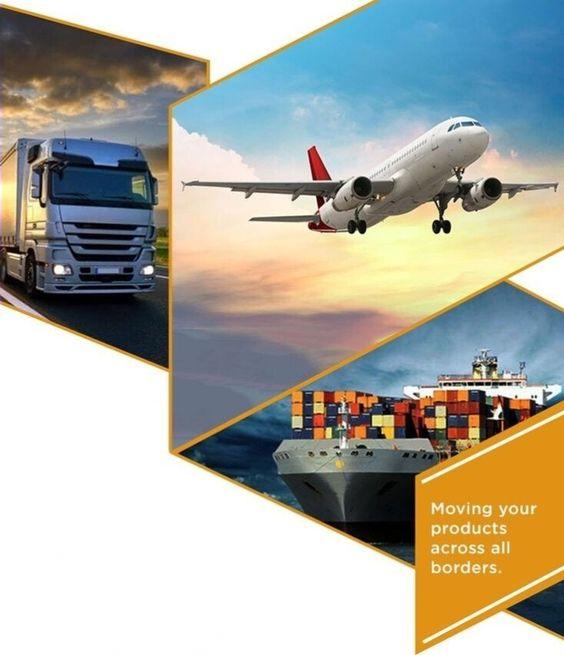
Textiles might not always seem like a candidate for reefer shipping, but high-end silks and technical fabrics require climate control to prevent moisture damage. Therefore, understanding the specific rules at the Port of Seattle is essential for avoiding penalties. Moreover, the clock starts as soon as the vessel berths, leaving little room for error in your delivery schedule.
Effective Reefer FCL demurrage prevention for textiles from China to Seattle requires a proactive approach to documentation. For instance, ensuring that all paperwork is filed before the ship arrives can save several days of waiting time. Additionally, coordinating with local drayage companies ensures that your container is picked up immediately after it is discharged.
How Does Reefer FCL Compare to Other Shipping Options?
While sea freight is the most common method for transporting textiles, it is important to weigh it against other logistics trends. Air freight is significantly faster but comes at a much higher cost, making it suitable only for high-priority samples or urgent restocking. On the other hand, sea freight offers the capacity needed for large-scale textile distribution.
For shipments that do not fill a whole container, LCL might seem attractive, but reefer LCL is rare and difficult to manage. Thus, sea freight in a full container load remains the gold standard for textile importers. Indeed, the cost-per-unit is much lower when you utilize the full 40HQ volume effectively.
Choosing between direct routes and transshipment also impacts your overall transit time and risk of demurrage. Direct services from Shanghai to Seattle are faster but often more expensive than routes that stop in Busan. Nevertheless, the reduced risk of delay often justifies the higher initial freight rates.
| Shipping Method | Cost Range (40HQ) | Transit Time | Best For |
|---|---|---|---|
| Reefer FCL Sea | $3,200 – $4,500 | 14-18 Days | High-volume sensitive textiles |
| Standard FCL Sea | $2,500 – $3,500 | 15-20 Days | General textile products |
| Air Freight | $15,000+ | 3-7 Days | Urgent samples or high-value |
| LCL Sea Freight | $80 – $150/CBM | 20-25 Days | Small textile batches |
The Importance of Reefer FCL demurrage prevention for textiles from China to Seattle
Reducing the time your container sits at the terminal is the most effective way to lower your landed cost. Because reefer containers consume electricity at the port, terminal operators charge a premium for every hour they stay. Accordingly, any delay in the delivery schedule can lead to thousands of dollars in fees within just a few days.
Customs delays are a frequent cause of demurrage that many importers fail to anticipate. By utilizing an experienced customs brokerage service, you can identify potential issues with textile classifications before the cargo reaches Seattle. Furthermore, having a pre-cleared status allows for immediate pickup upon arrival.
Logistics trends suggest that port congestion in Seattle can fluctuate based on seasonal demand. For example, during the peak months of August through October, terminal space becomes limited. Consequently, having a robust plan for Reefer FCL demurrage prevention for textiles from China to Seattle is even more critical during these periods.
Essential Documentation and Customs Clearance Strategies
Proper cargo handling starts with accurate documentation at the port of loading in China. You must ensure that the Bill of Lading, Commercial Invoice, and Packing List all match the physical goods perfectly. In addition, textile shipments often require specific certificates of origin to qualify for preferential trade agreements.
Without a doubt, early submission of the ISF (Importer Security Filing) is mandatory to avoid customs holds. If this filing is late, the container may be flagged for inspection, which almost guarantees demurrage charges. Meanwhile, maintaining a good relationship with your freight forwarder helps in getting real-time updates on the vessel’s location.
Consider using door to door services to simplify the entire process from the factory in China to your warehouse in Seattle. This integrated approach minimizes the number of parties involved, which reduces the chance of communication breakdowns. Therefore, the transition from the ship to the truck becomes much smoother.
| Document Type | Required For | Timing | Purpose |
|---|---|---|---|
| Bill of Lading | All Shipments | At Loading | Title of goods |
| Commercial Invoice | Customs | Pre-shipment | Valuation and Duty |
| Packing List | Cargo Handling | At Loading | Detailed inventory |
| ISF Filing | US Customs | 24hrs pre-load | Security screening |
Which Option Should You Choose for Your Textile Cargo?
If your budget is the top priority and your textiles are not moisture-sensitive, standard dry FCL is your best bet. However, for premium textiles that require strict temperature control, Reefer FCL is the only viable choice. In contrast, if you are shipping very small volumes, air freight might be more efficient despite the cost.
Speed is another critical factor when deciding on your shipping method. Direct sea routes from Ningbo to Seattle offer a transit time of about 16 days, which is excellent for maintaining a tight delivery schedule. Nevertheless, you must account for at least 3-5 days of buffer time for port operations and trucking.
Volume thresholds also play a role in your decision-making framework. Typically, if you have more than 15 CBM of textiles, a 20GP container becomes more economical than LCL. For larger shipments, a 40HQ container provides the best value for money in terms of shipping costs per cubic meter.
Real-World Case Studies: China to Seattle Textile Shipments
Case Study 1: High-Value Silk Garments. A Shanghai-based exporter shipped a 40HQ reefer container to Seattle. Cargo: 65 CBM of silk dresses. Shipping method: Sea Freight. Total landed cost: $4,800 (including customs). Transit time: 17 days. Key insight: Pre-clearing customs saved 3 days of demurrage.
Case Study 2: Technical Outdoor Fabrics. A Ningbo manufacturer used a 20GP reefer for specialized moisture-wicking fabric. Cargo: 28 CBM. Total cost: $3,400. Transit time: 15 days. Key insight: Using a local Seattle drayage partner ensured pickup within 24 hours of discharge, avoiding all detention fees.
Based on Q1 2025 market rates, these examples show how planning can mitigate risks. Note: Freight rates are subject to change based on fuel costs, carrier capacity, and seasonal demand. Contact us for a current quote tailored to your specific shipment.
Strategic Planning to Avoid Port Delays and Detention Fees
To ensure successful Reefer FCL demurrage prevention for textiles from China to Seattle, you should negotiate extended free time with the carrier. While standard free time is usually 2-4 days for reefers, some carriers may offer 5-7 days for high-volume shippers. Consequently, this extra cushion can be a lifesaver if the port faces labor shortages.
Another effective strategy is to use ‘pre-pull’ services where a trucker moves the container to a private yard near the port. This action stops the demurrage clock even if the final delivery to your warehouse is delayed. Indeed, paying a small yard storage fee is often much cheaper than paying terminal demurrage.
Furthermore, diversifying your arrival ports can sometimes be beneficial. While Seattle is the primary gateway, the Port of Tacoma is a nearby alternative that may have less congestion. By staying flexible with your destination, you can adapt to changing logistics trends and maintain your delivery schedule.
Mastering Your Textile Logistics from China to Seattle
In summary, Reefer FCL demurrage prevention for textiles from China to Seattle is achieved through meticulous planning and expert coordination. By understanding the costs associated with reefer containers and preparing documentation in advance, you can avoid the most common pitfalls of international shipping. Moreover, choosing the right partners for customs brokerage and drayage is essential for maintaining a low landed cost.
As market conditions evolve in 2025, staying informed about logistics trends will give you a competitive advantage. Remember that the cheapest freight rate is not always the most economical if it leads to high demurrage fees at the destination. Therefore, prioritize reliability and speed to ensure your textiles reach the Seattle market in perfect condition.
Ready to streamline your logistics?
Ready to optimize your textile supply chain and eliminate unnecessary port fees? Our team specializes in Reefer FCL demurrage prevention for textiles from China to Seattle to keep your business moving efficiently. Contact Top China Freight today for a customized quote and expert guidance on your next shipment. Send Inquiry to get started.
Request Quote