

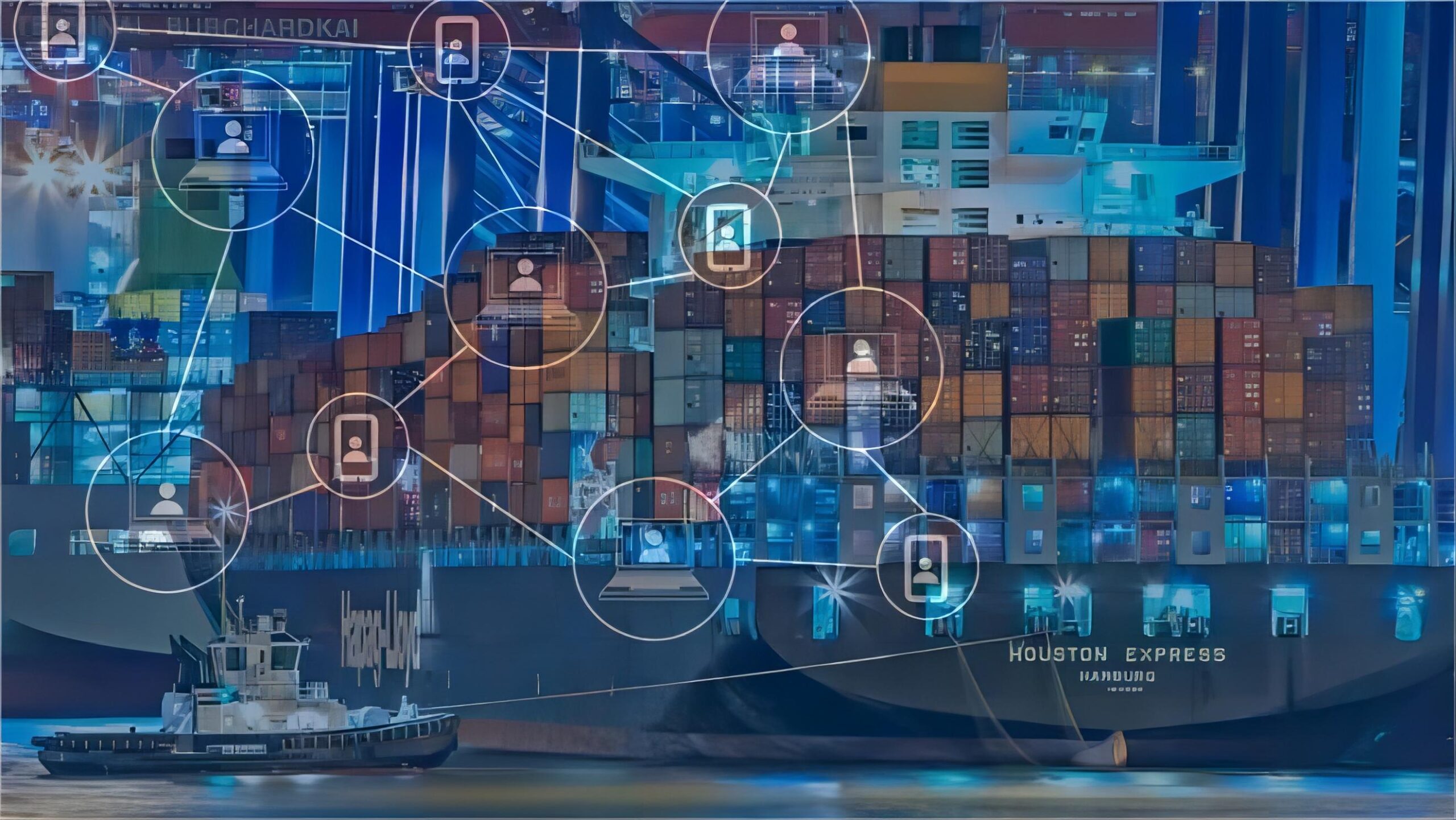
40HQ FCL detention prevention for lighting from China to Europe
Managing international logistics requires precision, especially when handling high-volume shipments like LED fixtures and decorative lamps. Importers frequently struggle with unexpected costs, making 40HQ FCL detention prevention for lighting from China to Europe a top priority for maintaining profitability. By partnering with a reliable freight forwarder like Top China Freight, businesses can streamline their operations and ensure that containers return to the port within the agreed timeframe. This comprehensive guide explores the strategies necessary to navigate the complexities of European customs and inland transportation efficiently.

What is Container Detention and Why Does it Matter?
Detention refers to the charges an importer pays for using a shipping container beyond the allowed free time outside of the port terminal. Unlike demurrage, which occurs inside the port, detention fees accumulate while the container is at your warehouse or in transit for unloading. These costs can escalate quickly, often reaching hundreds of dollars per day per container, significantly impacting the total landed cost of your lighting products.
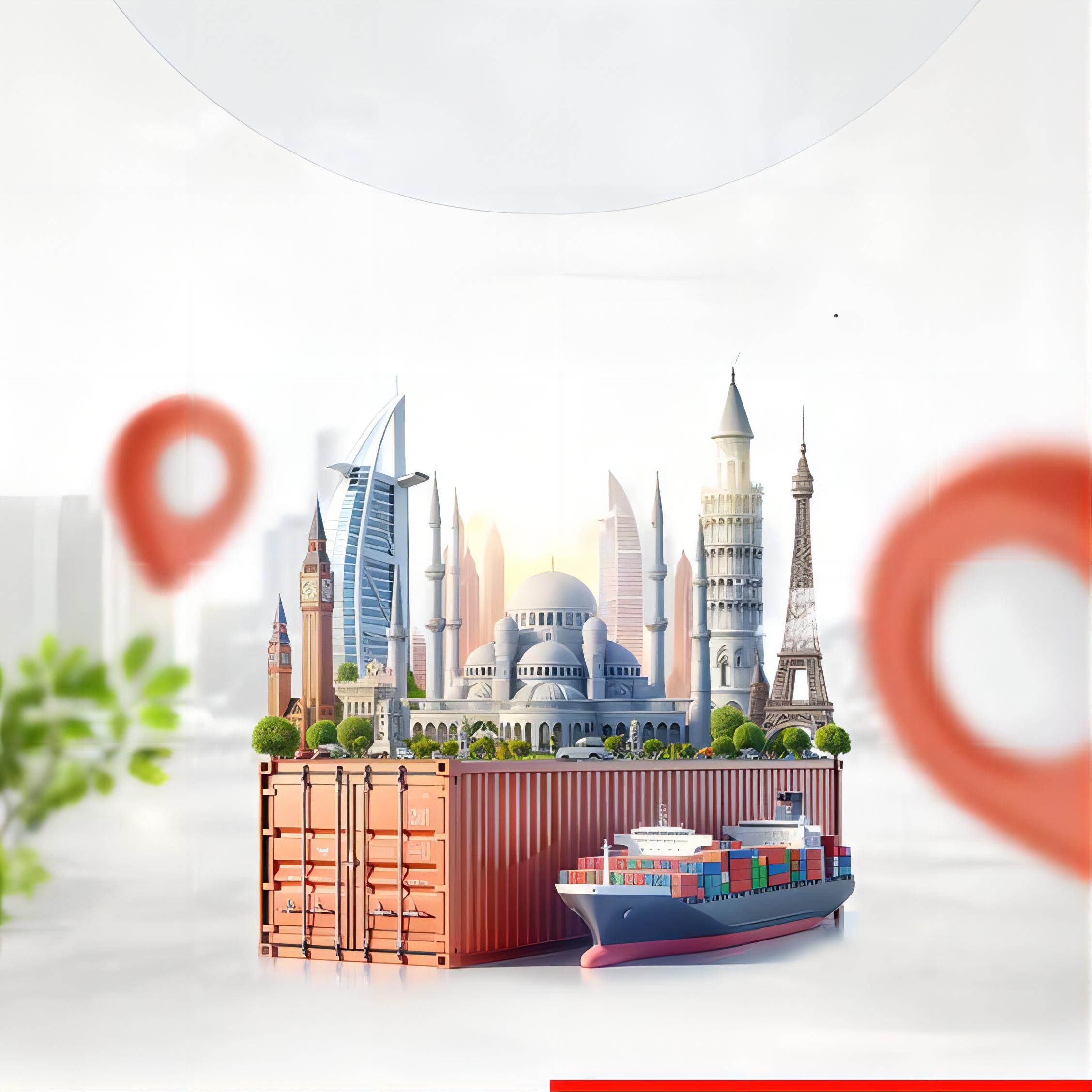
Lighting shipments are particularly susceptible to these delays because 40HQ containers hold a massive volume of fragile goods. Unloading thousands of individual LED bulbs or delicate glass chandeliers requires careful handling and significant time. Consequently, if your warehouse team is not prepared for the arrival, you may easily exceed the standard 7-day free time window provided by most carriers.
Effective logistics management involves understanding the specific terms of your bill of lading to avoid these penalties. Many importers overlook the distinction between merchant haulage and carrier haulage, which dictates who is responsible for the container’s return. Therefore, proactive planning is the only way to ensure that your 40HQ FCL detention prevention for lighting from China to Europe remains effective.
How Does Sea Freight Compare to Other Shipping Options?
Choosing the right transport mode is the first step in managing your supply chain costs and avoiding unnecessary delays. While sea freight remains the most popular choice for large lighting orders, other methods offer different balances of speed and cost. For instance, rail freight has become a viable middle ground for shipments moving from inland Chinese hubs to Eastern and Central Europe.
Air freight provides the fastest delivery but is rarely used for full 40HQ volumes due to the astronomical costs involved. However, it serves as an excellent emergency backup for smaller components or urgent project deadlines. Meanwhile, sea freight offers the lowest cost per unit, which is essential for the competitive lighting market where margins are often thin.
Analyzing the trade-offs between these methods helps you decide which fits your current inventory needs. If you have a flexible schedule, the ocean route is unbeatable for bulk shipments. Conversely, if your project in Europe has a strict deadline, the higher cost of rail might be justified to avoid the longer transit times and potential port congestion associated with sea routes.
| Shipping Method | Cost Range (40HQ) | Transit Time | Best For |
|---|---|---|---|
| Sea Freight | $3,200 – $4,800 | 30-45 Days | Bulk lighting orders |
| Rail Freight | $5,500 – $7,500 | 18-24 Days | Mid-range urgency |
| Air Freight | $25,000+ | 5-9 Days | Small urgent samples |
| Road Freight | $8,000 – $12,000 | 15-22 Days | Direct border access |
Why Lighting Shipments Face Unique Detention Challenges
Lighting products often involve complex packaging and high fragility, which slows down the devanning process at European warehouses. Because 40HQ containers provide extra height, suppliers in China often stack cartons to the ceiling to maximize space. This density requires more labor-hours to unload safely compared to palletized industrial goods.
Customs inspections are another common cause of delay for electrical goods entering Europe. Authorities frequently check for CE certification, RoHS compliance, and proper labeling on LED drivers and fixtures. If your documentation is incomplete, the container will sit idle while the clock on your detention free time continues to tick.
Furthermore, many lighting manufacturers are located in clusters like Guzhen or Ningbo, where peak season congestion can delay the initial departure. When multiple containers arrive at the destination port simultaneously, your local trucking capacity might be stretched thin. This bottleneck prevents the timely pickup and return of empty containers, leading to unavoidable detention charges.
Strategies for 40HQ FCL Detention Prevention for Lighting from China to Europe
One of the most effective ways to prevent detention is to negotiate extended free time at the point of booking. Standard agreements usually offer 7 days, but experienced freight forwarders can often secure 14 or even 21 days for high-volume clients. This extra cushion provides a vital safety net if your warehouse experiences a sudden backlog or if labor is unavailable.
Implementing a pre-pull strategy can also significantly reduce the risk of fees. This involves moving the container from the port to a nearby yard just before the demurrage period ends, giving you more flexibility for the final delivery. Additionally, using a professional customs brokerage service ensures that all paperwork is filed correctly before the vessel even docks.
Communication between your Chinese supplier and your European logistics team must be seamless. Ensure that the packing list accurately reflects the layout of the container so that your warehouse staff can prioritize the unloading of the most fragile items. Moreover, always confirm that the trucking company has a confirmed appointment for the empty container return before the free time expires.
Which Option Should You Choose? Decision Framework
Selecting the optimal shipping strategy depends on your specific business priorities, such as budget, speed, and cargo volume. For established importers with consistent demand, a long-term contract with a sea carrier offering extended detention terms is usually the most cost-effective approach. This allows for predictable shipping costs and steady inventory flow.
Smaller businesses or those testing new lighting designs might prefer rail freight to reduce the amount of capital tied up in transit. Although the freight rate is higher, the faster turnaround can improve cash flow and reduce the need for large safety stocks in European warehouses. It also minimizes the time the container is in your possession, naturally lowering detention risks.
Consider a hybrid approach if you are managing a large-scale construction project in Europe. You can ship the bulk of the lighting via sea freight while sending critical installation components via air or express. This ensures the project stays on schedule even if the sea containers face unexpected port delays or lengthy customs inspections.
| Priority | Recommended Method | Key Benefit | Trade-off |
|---|---|---|---|
| Lowest Cost | Sea Freight FCL | Maximum ROI | Longer lead times |
| Fastest Delivery | Air Freight | Immediate stock | High expense |
| Balanced Speed | Rail Freight | Reliable schedule | Limited capacity |
| Risk Mitigation | Extended Free Time | Avoids penalties | Requires volume |
Real-World Case Studies: Avoiding Detention Costs
Case Study 1: A German lighting distributor was importing 15 40HQ containers of LED panels from Shenzhen to Hamburg. By utilizing a door to door service, they integrated their customs clearance and local trucking. The forwarder negotiated 14 days of combined free time, which saved the client $4,500 when a local warehouse strike delayed unloading for three days.
Case Study 2: A French retailer faced a potential $2,000 detention bill due to a documentation error regarding battery components in their decorative lamps. Because they had engaged a proactive broker, the error was spotted while the ship was still in transit. The corrected documents were submitted 48 hours before arrival, allowing for immediate release and return of the container within the 7-day window.
Case Study 3: An Italian project manager used rail freight for urgent stadium lighting. The shipment arrived in Milan just 20 days after leaving Ningbo. By coordinating the unloading team to work through the weekend, they returned the container in just 48 hours. This efficiency not only prevented detention but also allowed the project to meet its grand opening deadline without extra logistics costs.
Essential Documentation for Smooth Customs Clearance
Accurate documentation is the backbone of 40HQ FCL detention prevention for lighting from China to Europe. You must ensure that the Commercial Invoice, Packing List, and Bill of Lading are perfectly synchronized. Any discrepancy in the piece count or weight can trigger a manual inspection by European customs officials, leading to days of delay.
Lighting products specifically require Technical Files and Declarations of Conformity to meet EU safety standards. Furthermore, if your lights include wooden components, you must provide a fumigation certificate to comply with ISPM 15 regulations. Failing to provide these documents promptly will result in the container being held at the terminal, quickly consuming your precious free time.
Note: Freight rates and customs regulations are subject to change based on fuel costs, carrier capacity, and seasonal demand. Contact us for a current quote tailored to your specific shipment. Market data suggests that early preparation of the Import Control System 2 (ICS2) filings is now mandatory for all goods entering the EU, making digital accuracy more important than ever.
Mastering Your Lighting Logistics
Successfully managing 40HQ FCL detention prevention for lighting from China to Europe requires a combination of proactive planning, expert negotiation, and clear communication. By understanding the specific challenges of lighting cargo, such as its fragility and volume, you can better prepare your warehouse for efficient unloading. Transitioning to longer free-time agreements and using experienced customs brokers are proven methods to safeguard your bottom line.
Ultimately, the goal is to create a seamless flow of goods from the Chinese manufacturer to the European consumer without the burden of unnecessary fees. Whether you choose sea, rail, or a hybrid solution, staying informed about market trends and carrier policies will give you a competitive edge. Start optimizing your shipping strategy today to ensure your lighting business shines in the European market.
Ready to streamline your logistics?
Take control of your logistics costs today by implementing professional 40HQ FCL detention prevention for lighting from China to Europe. Our team at Top China Freight specializes in navigating complex European shipping routes and negotiating the best possible terms for your cargo. Visit our website to request a personalized quote and discover how we can streamline your supply chain. Send Inquiry: Visit https://Top China Freight.com/contact-us/
Request Quote