

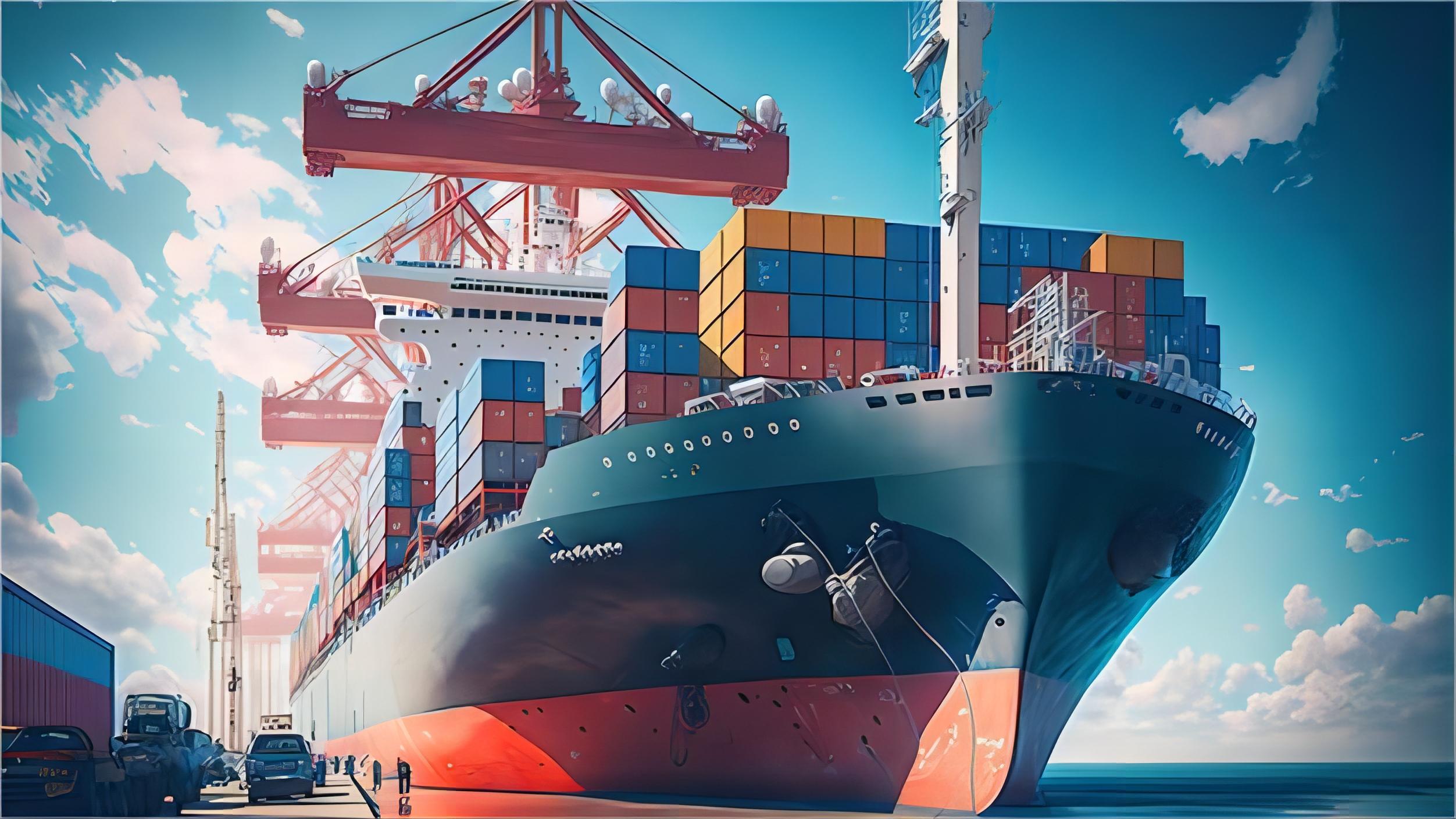
Open Top FCL demurrage prevention for solar panels from China to New York
Shipping oversized solar equipment requires specialized containers and meticulous planning. Implementing Open Top FCL demurrage prevention for solar panels from China to New York is essential for maintaining your project’s budget and timeline. Start your logistics journey with Top China Freight to ensure seamless delivery and cost-effective management of your renewable energy assets.
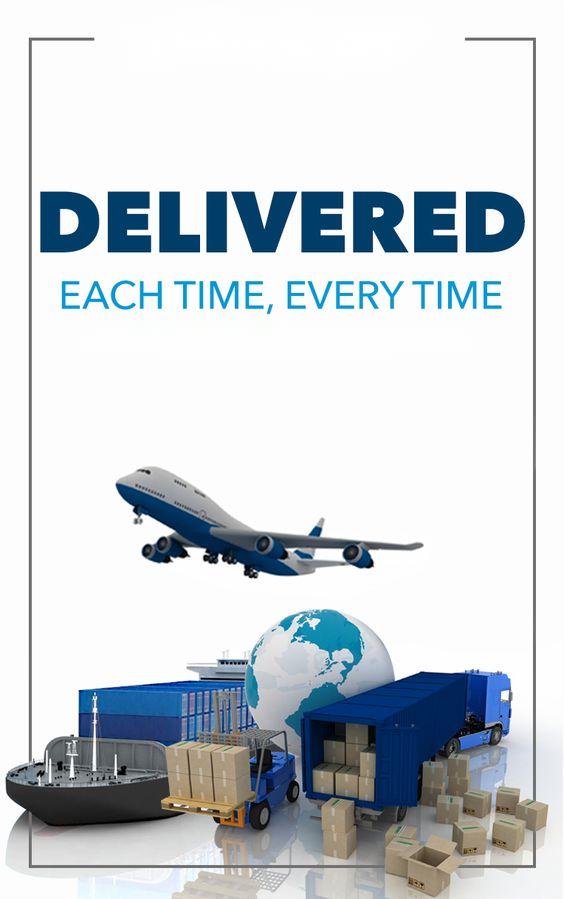
What is Open Top FCL Demurrage Prevention for Solar Panels from China to New York?
Open top containers are indispensable for solar panel shipments that exceed standard height or require top-loading. However, these specialized units often incur higher port fees if not managed correctly. Consequently, Open Top FCL demurrage prevention for solar panels from China to New York becomes a critical strategy for importers.
Demurrage refers to the charges levied by shipping lines when a container remains at the terminal beyond the allotted free time. Because solar panels are often part of large-scale infrastructure projects, any delay in the supply chain can lead to compounding costs. Therefore, understanding the nuances of the New York port system is vital.
Moreover, specialized equipment like Open Top (OT) containers has limited availability and higher daily rates. This means that failing to move the cargo quickly results in significant financial penalties. Importers must proactively coordinate with carriers to secure extended free time before the vessel even leaves China.
Additionally, the complex nature of solar panel logistics requires a deep understanding of cargo handling and vessel schedules. By prioritizing sea freight optimization, businesses can mitigate risks associated with port congestion and equipment shortages.
Why Do Solar Panel Shipments Face High Demurrage Risks?
Solar panels are sensitive, high-value goods that often require specific handling at the Port of New York and New Jersey. Indeed, the sheer volume of imports into the US East Coast frequently leads to terminal bottlenecks. When these delays occur, the free time provided by the carrier can expire rapidly.
Furthermore, solar projects often involve multiple stakeholders, including customs brokers, truckers, and site managers. If communication breaks down between these parties, the container sits idle at the pier. Consequently, the importer is hit with daily demurrage fees that can reach hundreds of dollars per unit.
Another factor is the specialized nature of Out-of-Gauge (OOG) cargo. Because open top containers may require special cranes or chassis, they cannot always be moved as quickly as standard dry vans. Therefore, planning for equipment availability at the destination is a core component of demurrage prevention.
Meanwhile, the transition to clean energy has surged, putting extra pressure on the logistics infrastructure. This increased demand often leads to shortages in specialized trucking services capable of handling open top FCL loads. Without a pre-arranged carrier, your cargo is likely to exceed its free time at the terminal.
How Does Open Top FCL Compare to Other Shipping Options?
Choosing the right shipping method is the first step in cost control and efficiency. While Open Top FCL is ideal for oversized solar components, other methods like standard 40HQ or LCL might be applicable for smaller parts. However, for large panels and mounting racks, the open top remains the industry standard.
Specifically, sea freight is the most economical way to move large volumes from China to New York. In contrast, air freight is significantly more expensive and usually reserved for urgent replacement parts. Understanding these trade-offs allows for better budget allocation across the entire project.
Moreover, the choice between FCL (Full Container Load) and LCL (Less than Container Load) depends on the total volume of the shipment. For solar farms, FCL is almost always the preferred choice to ensure cargo integrity and reduce handling risks. Nevertheless, each method has its own set of potential delays that can lead to detention or demurrage.
Indeed, a hybrid approach using express service for documentation or small components can complement your heavy ocean freight strategy. This ensures that while the panels move by sea, the necessary paperwork and small parts arrive ahead of time.
| Shipping Method | Cost Range (USD) | Transit Time | Best For |
|---|---|---|---|
| Open Top FCL | $4,500 – $7,000 | 30 – 35 Days | Oversized solar equipment |
| Standard 40HQ | $3,500 – $5,500 | 30 – 35 Days | Standard sized panels |
| Air Freight | $15,000+ | 5 – 8 Days | Urgent components |
| LCL Shipping | $100 – $200/CBM | 35 – 40 Days | Small solar accessories |
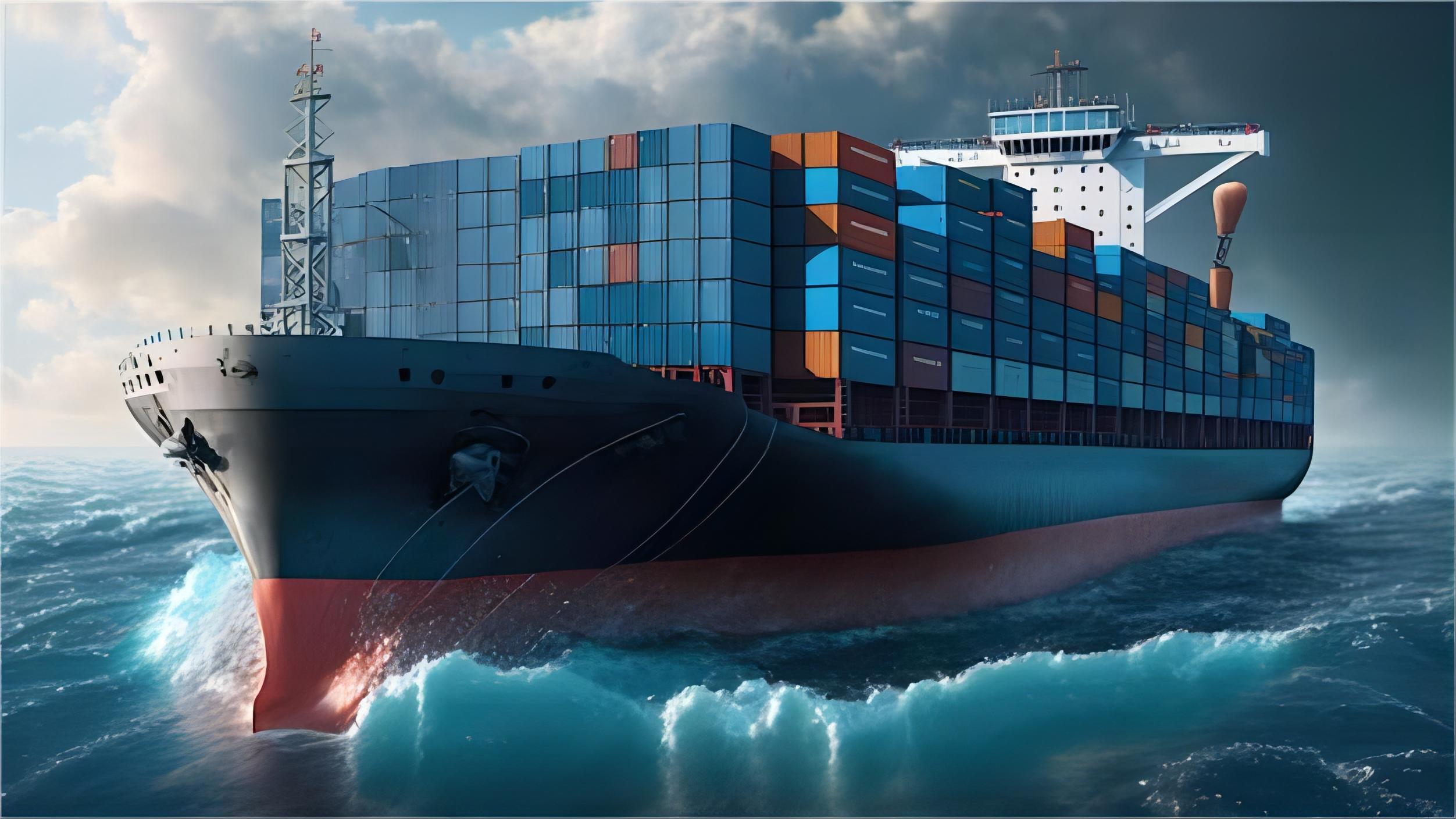
Best Practices for Open Top FCL Demurrage Prevention for Solar Panels
Implementing a robust strategy for Open Top FCL demurrage prevention for solar panels from China to New York starts with early documentation. You should ensure that all commercial invoices, packing lists, and certificates of origin are verified before the ship arrives. This preparation allows for immediate filing with US Customs.
Secondly, negotiating extended free time with the shipping line is a powerful tool. While standard free time is usually 4 to 7 days, many carriers will grant 10 to 14 days if requested during the booking stage. Consequently, this provides a safety net if there are delays in trucking or site preparation.
Additionally, utilizing a professional customs brokerage service is essential for navigating the complex regulations surrounding solar panel imports. They can identify potential issues with anti-dumping duties or Section 301 tariffs that might otherwise cause a customs hold.
Furthermore, pre-pulling containers from the port to a nearby yard can be a cost-saving tactic. This involves moving the container out of the terminal before the free time expires and storing it at a private facility with lower daily rates. Indeed, this is a common practice for large New York solar projects.
Understanding the Cost of Shipping Solar Panels to New York
Shipping costs for solar panels are influenced by fuel surcharges, seasonal demand, and equipment availability. During peak seasons, such as the months leading up to the Chinese New Year, rates can spike by 20% or more. Therefore, booking at least 4-6 weeks in advance is highly recommended.
Moreover, New York ports often have specific surcharges like Pier Pass or Clean Truck fees. These must be factored into the total landed cost to avoid surprises upon arrival. Consistent monitoring of market trends helps in securing the most competitive freight rates for your solar cargo.
As of early 2025, the market has seen a stabilization in rates from China to the US East Coast. However, port labor negotiations and global geopolitical events can still cause sudden shifts in pricing. Consequently, staying informed about logistics trends is a necessity for any serious importer.
Note: Freight rates are subject to change based on fuel costs, carrier capacity, and seasonal demand. Contact us for a current quote tailored to your specific shipment.
| Route | 20GP Open Top | 40HQ Open Top | Transit Time |
|---|---|---|---|
| Shanghai to NY | $3,800 – $4,800 | $5,200 – $6,800 | 32 Days |
| Ningbo to NY | $3,900 – $4,900 | $5,300 – $6,900 | 34 Days |
| Shenzhen to NY | $4,100 – $5,100 | $5,500 – $7,100 | 30 Days |
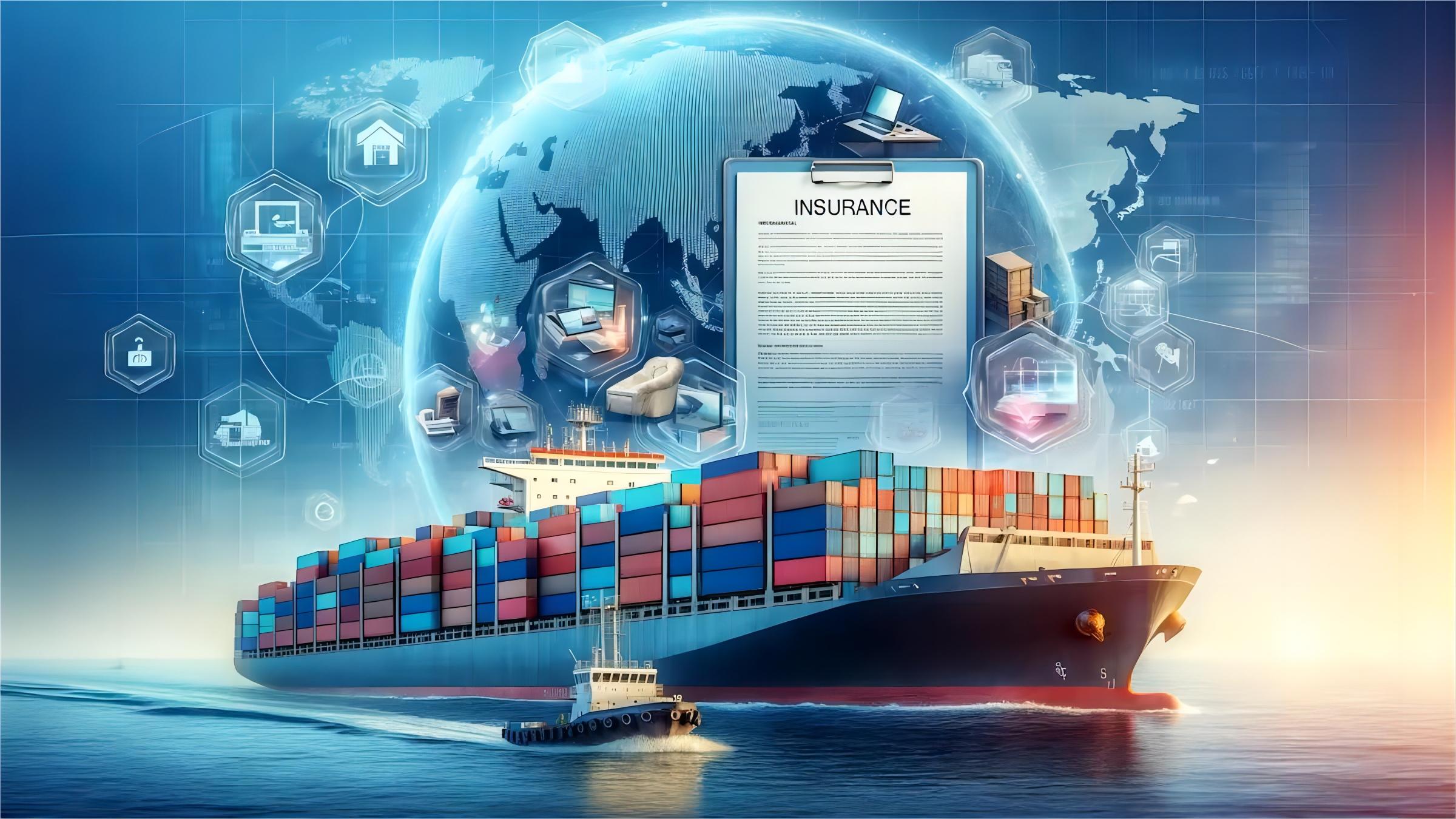
The Role of Door to Door Logistics in Reducing Delays
Opting for a door to door service simplifies the entire supply chain by placing responsibility on a single provider. This integration reduces the risk of miscommunication between the ocean carrier and the final delivery team. Consequently, it is one of the most effective ways to manage demurrage risks.
In a door-to-door model, the freight forwarder handles the pickup in China, the ocean voyage, and the final drayage to the New York site. This end-to-end visibility allows for real-time tracking and proactive problem-solving. If a vessel is delayed, the trucking team can be rescheduled immediately to avoid wasted pier time.
Furthermore, specialized solar panels often require flatbed trailers or cranes for unloading at the destination. A comprehensive logistics provider will coordinate these assets in advance. Without this coordination, the container might sit at the port simply because the right equipment isn’t ready at the job site.
Indeed, for companies expanding their reach in North America, having a reliable logistics partner is a competitive advantage. It allows project managers to focus on installation rather than worrying about port storage fees.
Case Studies: Successful Open Top FCL Shipments to NY
Examining real-world examples provides valuable insights into how demurrage can be successfully avoided. These cases highlight the importance of planning and the impact of specialized logistics solutions on the bottom line. Each scenario demonstrates a different challenge faced during the China to New York transit.
Case Study 1: Large Scale Solar Farm in Upstate New York. Route: Shanghai to New York. Cargo: 50 Open Top 40HQ containers of solar mounting racks. Total Landed Cost: $340,000. Key Insight: By negotiating 14 days of free time in advance, the importer saved over $25,000 in potential demurrage during a local trucking strike.
Case Study 2: Commercial Rooftop Installation in Brooklyn. Route: Ningbo to New York. Cargo: 5 Open Top 20GP containers. Transit Time: 34 days. Key Insight: Using a pre-pull strategy to a nearby warehouse allowed the importer to clear the port in 3 days, avoiding the high pier storage fees common in the NYC area.
Case Study 3: Industrial Power Project. Route: Shenzhen to New York. Cargo: Specialized inverter units in Open Top containers. Shipping Method: Direct sea freight. Key Insight: Early customs filing and a dedicated customs broker ensured the cargo was released before the vessel even docked, allowing for immediate pickup.
Which Option Should You Choose for Your Solar Project?
Choosing the best shipping method depends on your specific priorities regarding budget, speed, and cargo safety. If your primary goal is cost-saving and you have a flexible timeline, sea freight in standard or open top containers is the clear winner. However, you must be prepared for the 30-35 day transit time.
Conversely, if you are facing a project deadline and need parts immediately, air freight might be the only viable choice despite the high cost. For most solar panel imports, the volume is too high for air transport to be sustainable for the entire shipment. Therefore, a planned ocean freight schedule is usually the most balanced approach.
Budget priority: Recommend Sea Freight FCL with negotiated extended free time. Speed priority: Recommend a mix of Sea Freight for panels and Air Freight for critical electronic components. Cargo type considerations: Oversized or top-heavy items must use Open Top or Flat Rack containers to ensure safe handling.
To summarize, effective Open Top FCL demurrage prevention for solar panels from China to New York requires a combination of early planning, expert brokerage, and integrated logistics. By following these guidelines, you can ensure your solar project remains profitable and on schedule.
Summary of Demurrage Prevention Strategies
In conclusion, managing Open Top FCL demurrage prevention for solar panels from China to New York is a multifaceted task that requires proactive communication and expert knowledge. By securing extended free time, ensuring accurate documentation, and using integrated door-to-door services, importers can significantly reduce their logistics costs.
The transition to renewable energy is too important to be slowed down by avoidable port fees. Therefore, partnering with a professional freight forwarder who understands the specific challenges of the New York port system is the best investment you can make for your solar supply chain. Start planning your next shipment today to keep your project moving forward.
Ready to streamline your logistics?
Ready to optimize your solar panel logistics? Contact our experts today to secure competitive rates and implement a custom Open Top FCL demurrage prevention for solar panels from China to New York strategy. Send Inquiry link:
Request Quote