


40HQ FCL freight rate for textiles from China to France: 2025 Guide
Navigating the complexities of international logistics is vital for European importers seeking the best 40HQ FCL freight rate for textiles from China to France. At Top China Freight, we understand that textile businesses require a balance between cost-efficiency and reliable delivery schedules. This guide provides a comprehensive breakdown of current market rates, transit times, and strategic advice to optimize your supply chain from Shanghai to Marseille.
What Determines the 40HQ FCL Freight Rate for Textiles from China to France?
Several variables influence the final price you pay for transporting a 40HQ container across the ocean. Primarily, the 40HQ FCL freight rate for textiles from China to France depends on seasonal demand and fuel surcharges. During peak seasons, such as the months leading up to the winter holidays, rates typically increase by 15 percent to 25 percent.
Furthermore, the nature of textile products often requires specific cargo handling to prevent moisture damage. Consequently, choosing high-quality sea freight services ensures that your fabrics arrive in pristine condition. Carriers also adjust prices based on port congestion and equipment availability at major hubs like Ningbo or Shenzhen.
Market data suggests that as of early 2025, rates have stabilized following previous global disruptions. However, geopolitical factors and changes in shipping alliances can still cause sudden fluctuations. Importers should monitor these trends closely to secure the most competitive pricing for their bulk clothing shipments.
How Does Sea Freight Compare to Other Shipping Options?
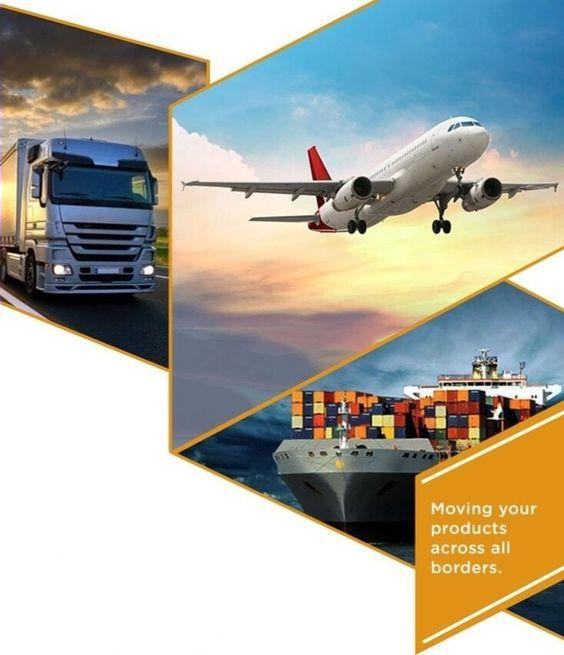
While sea freight is the most common method for transporting textiles, alternative strategies exist for different business needs. For instance, rail freight offers a middle ground between the speed of air and the low cost of sea transport. Rail routes through the Silk Road can reduce transit times by nearly two weeks compared to traditional ocean routes.
In contrast, air freight remains the fastest option for urgent fashion collections or high-value designer fabrics. Although it is significantly more expensive, it provides unmatched speed for time-sensitive market demands. Businesses must weigh the higher costs against the potential loss of sales due to late arrivals.
Hybrid solutions like sea-air combinations are also gaining popularity among savvy logistics managers. These methods involve shipping goods by sea to a hub like Dubai and then flying them to France. This approach often balances budget constraints with the need for a faster delivery schedule than ocean freight alone.
| Shipping Method | Cost Range (USD) | Transit Time | Best For |
|---|---|---|---|
| Sea Freight (40HQ) | $3,200 – $4,800 | 30 – 40 Days | Bulk textile shipments |
| Rail Freight (40HQ) | $5,500 – $7,500 | 18 – 22 Days | High-season inventory |
| Air Freight (per kg) | $4.50 – $8.00 | 5 – 7 Days | Urgent fashion samples |
| Sea-Air Hybrid | $2,500 – $3,500 | 15 – 20 Days | Balanced cost and speed |
Estimated Costs for Shipping a 40HQ Container of Textiles
Estimating the total landed cost requires looking beyond just the ocean freight rate. Indeed, origin charges such as terminal handling fees and documentation costs can add several hundred dollars to your bill. Additionally, destination charges at French ports like Le Havre or Marseille must be factored into your budget.
According to industry benchmarks, a 40HQ container from Shanghai to Le Havre currently ranges between $3,500 and $4,500. This rate usually includes the base ocean freight but may exclude local trucking fees at both ends. It is essential to request a detailed quote that covers all potential surcharges to avoid hidden expenses.
Note: Freight rates are subject to change based on fuel costs, carrier capacity, and seasonal demand. Contact us for a current quote tailored to your specific shipment.
| Route (China to France) | 20GP Container | 40GP Container | 40HQ Container |
|---|---|---|---|
| Shanghai to Le Havre | $2,100 – $2,800 | $3,200 – $3,900 | $3,500 – $4,500 |
| Shenzhen to Marseille | $2,000 – $2,700 | $3,100 – $3,800 | $3,400 – $4,400 |
| Ningbo to Fos-sur-Mer | $2,200 – $2,900 | $3,300 – $4,000 | $3,600 – $4,600 |
| Qingdao to Le Havre | $2,300 – $3,000 | $3,400 – $4,100 | $3,700 – $4,700 |
Transit Times from Major Chinese Ports to France
Understanding the delivery schedule is crucial for managing your inventory levels effectively. Typically, a direct sea route from East China to Northern France takes approximately 32 to 38 days. However, transshipment via major hubs like Singapore or Algeciras can extend this timeline by an additional week.
Moreover, weather conditions during the crossing of the Indian Ocean or Mediterranean Sea can impact the arrival date. Reliable carriers provide tracking tools so you can monitor your 40HQ container in real-time. This visibility allows textile importers to coordinate with their warehouses and prepare for distribution immediately upon arrival.
In addition to the time spent at sea, you must account for the time needed for loading and unloading. Port congestion at Le Havre can sometimes lead to delays of 3 to 5 days during peak periods. Planning for a total door-to-door transit time of 45 days is a safe strategy for most textile businesses.
Customs Clearance and Documentation for Textile Imports
Navigating French customs requires precise documentation to avoid costly delays or penalties. Specifically, textiles often fall under strict regulatory categories that require detailed material compositions on the commercial invoice. Utilizing a professional customs brokerage service can streamline this process significantly.
Consequently, you must ensure that your supplier provides a correct Bill of Lading, Packing List, and Certificate of Origin. These documents are essential for determining the applicable duties and VAT for your textile products. Without accurate paperwork, your container could be held at the port for inspection for several weeks.
Furthermore, certain textile products might be subject to anti-dumping duties depending on current EU trade policies. Therefore, staying informed about the latest trade regulations is vital for maintaining your profit margins. A knowledgeable freight forwarder can provide guidance on these complex legal requirements.

Real-World Case Studies: Textile Shipments to France
Case Study 1: High-Volume Fabric Import. Route: Shanghai, China to Le Havre, France. Cargo: Polyester fabric rolls, 68 CBM, 18,500 kg. Container: 40HQ. Shipping Details: Direct service via Maersk. Ocean Freight: $3,650. Total Landed Cost: $4,850. Total Door-to-Door: 38 days. Key Insight: Booking 3 weeks in advance secured a lower rate before a mid-month price hike.
Case Study 2: Seasonal Apparel Collection. Route: Shenzhen, China to Marseille, France. Cargo: Finished cotton garments, 70 CBM, 12,000 kg. Container: 40HQ. Shipping Details: Transshipment via Singapore. Ocean Freight: $3,400. Total Landed Cost: $4,600. Total Door-to-Door: 42 days. Key Insight: Using a transshipment route saved $300 compared to the direct service, fitting the client’s flexible timeline.
Case Study 3: Urgent Textile Stock Replenishment. Route: Ningbo, China to Lyon, France. Cargo: Mixed textile accessories, 65 CBM, 14,000 kg. Container: 40HQ. Shipping Details: Rail freight to Germany, then truck to France. Total Landed Cost: $7,200. Total Door-to-Door: 24 days. Key Insight: Rail freight was chosen to avoid a stock-out situation despite the higher cost compared to sea freight.
Alternative Strategies for Cost-Effective Shipping
To reduce your 40HQ FCL freight rate for textiles from China to France, consider optimizing your container loading. Maximizing the 76 CBM capacity of a 40HQ container ensures you get the lowest possible cost per unit of product. Indeed, even a small increase in packing efficiency can lead to significant annual savings.
Another effective strategy is to utilize door to door services that bundle all logistics costs into a single rate. This simplifies your accounting and often results in better overall pricing through volume discounts from the forwarder. Furthermore, consolidating smaller shipments into a full container can be more economical than multiple LCL bookings.
Additionally, negotiating long-term contracts with freight forwarders can provide price stability in a volatile market. While spot rates can sometimes be lower, a fixed contract protects your business from sudden price spikes during the peak season. This predictability is essential for long-term financial planning in the textile industry.
Which Shipping Option Should You Choose?
Choosing the right method depends entirely on your specific business priorities and cargo volume. If your primary goal is to minimize costs, sea freight for a 40HQ container remains the undisputed champion. This method is ideal for large, non-urgent orders of fabrics or ready-made garments.
On the other hand, if you are launching a new fashion line and speed is critical, air freight or rail might be necessary. Rail freight is particularly useful for shipments that are too large for air but too urgent for the slow sea route. Always evaluate the trade-off between the shipping cost and the potential market value of the goods.
Finally, consider the reliability of your logistics partner as much as the price itself. A low rate is of little value if your cargo is delayed or damaged due to poor handling. Partnering with an experienced forwarder ensures that your textiles reach France safely and efficiently.
Summary of Textile Shipping from China to France
In conclusion, finding the best 40HQ FCL freight rate for textiles from China to France requires a combination of early planning and market knowledge. By understanding the factors that influence costs and exploring various shipping methods, you can significantly reduce your logistics expenses. Whether you choose sea, rail, or air, the key is to balance speed and budget to meet your business goals.
Remember to account for customs duties and documentation early in the process to ensure a smooth import experience. With the right strategies and a reliable logistics partner, your textile business can thrive in the competitive European market. Stay proactive and monitor industry trends to keep your shipping costs under control throughout the year.
Ready to streamline your logistics?
Ready to optimize your textile supply chain? Contact our experts today to get a personalized 40HQ FCL freight rate for textiles from China to France and secure your shipment at the best market price. Visit Top China Freight to request your free quote now.
Request Quote